Emerging watercraft represent the frontier of marine innovation — the place where traditional boating ends and experimental engineering begins. This category explores the radical platforms, unconventional propulsion systems and breakthrough vessel concepts that are redefining what is possible on water.
Throughout maritime history, nearly every major advance began as an experimental concept. Catamarans, hydrofoils, jet propulsion and composite hulls were once considered impractical or unsafe. Today they are standard technologies across the global marine industry. The same process is now unfolding again as electric propulsion, autonomous control systems and hybrid vessel designs reshape the future of water mobility.
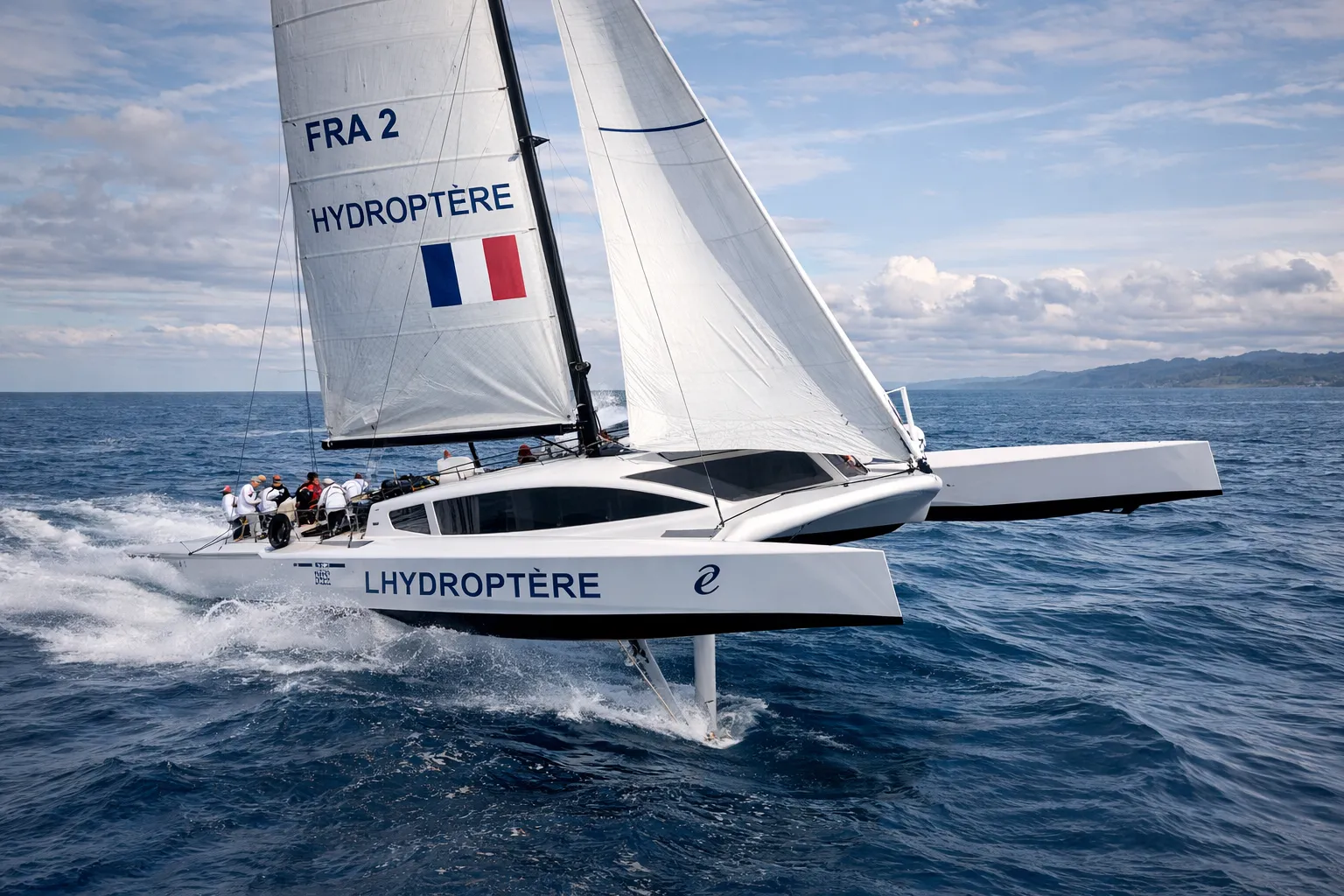
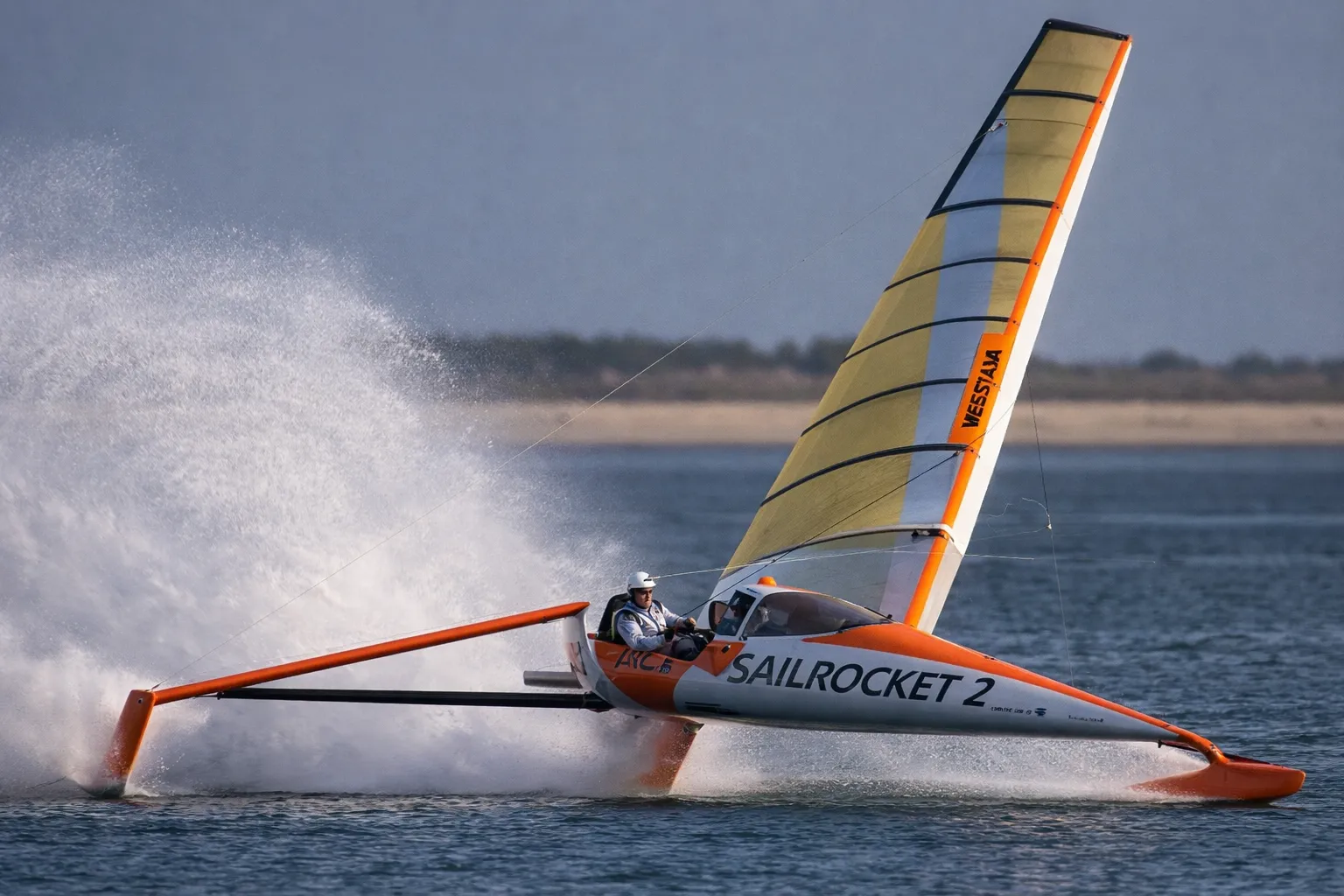
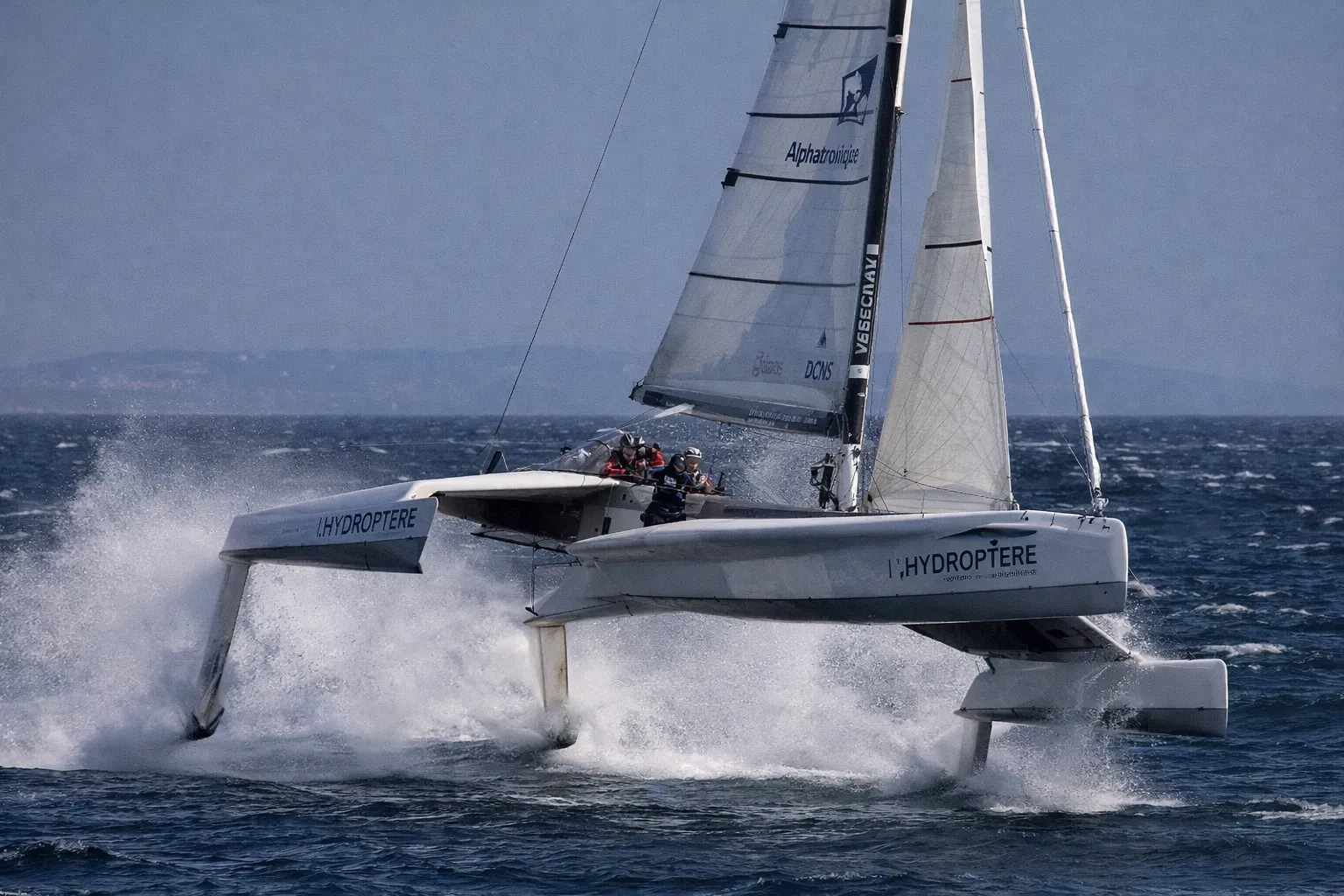
Modern experimental watercraft draw heavily from aerospace, automotive and robotics engineering. Designers now integrate carbon-fibre composite structures, fly-by-wire steering, electronic stabilisation systems and modular propulsion units. These technologies allow entirely new craft types to emerge — vessels that lift above the water on foils, transition between land and sea, operate autonomously, or combine multiple modes of propulsion within a single hull.
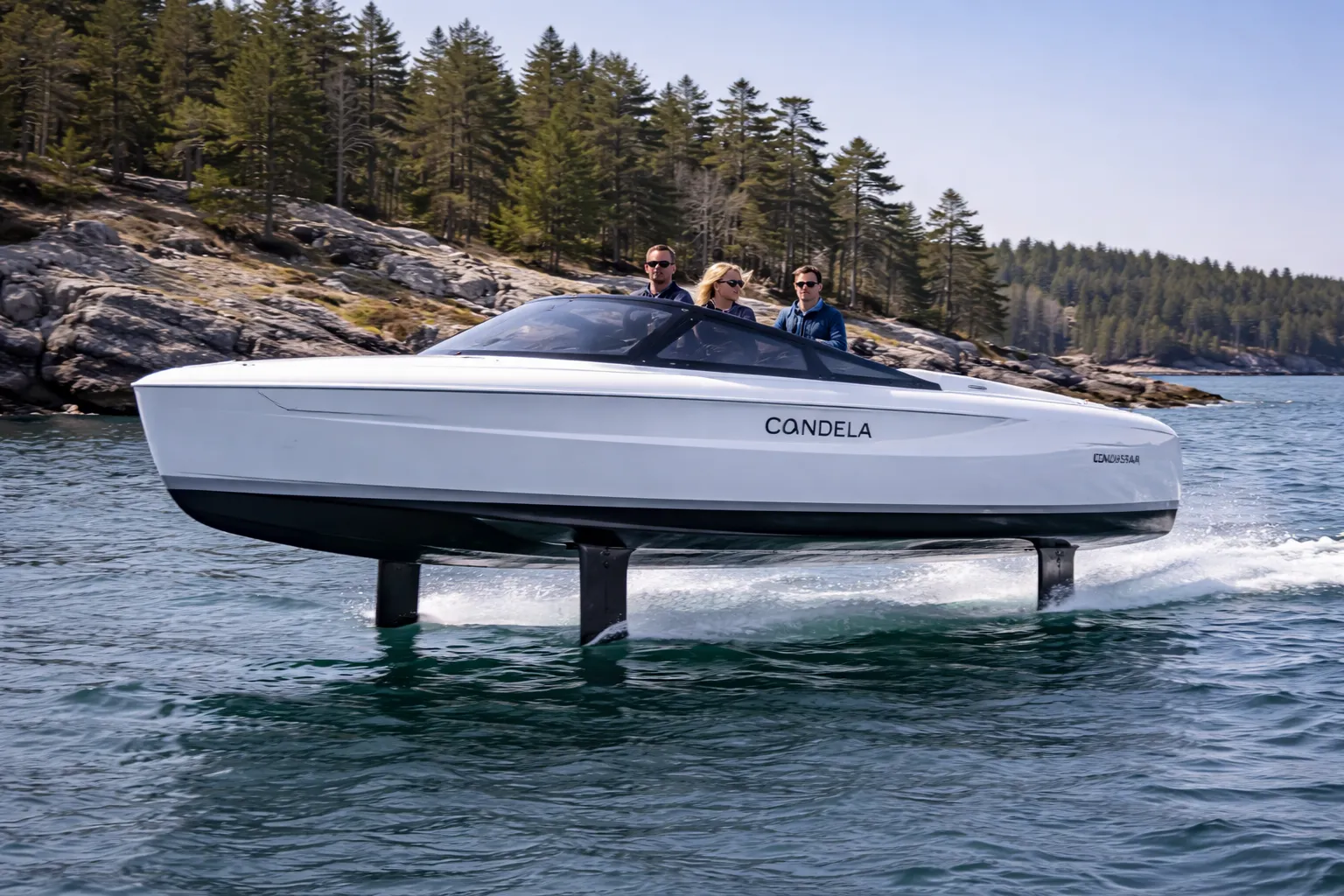
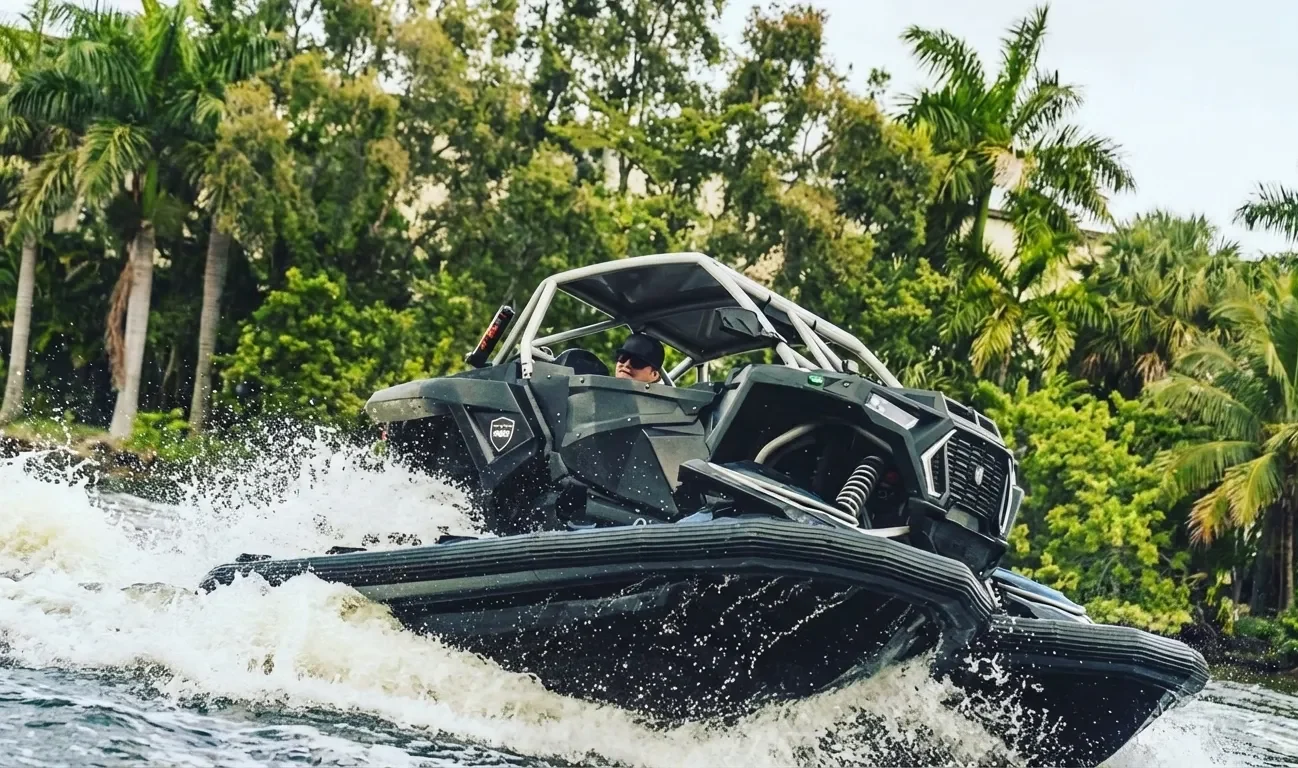
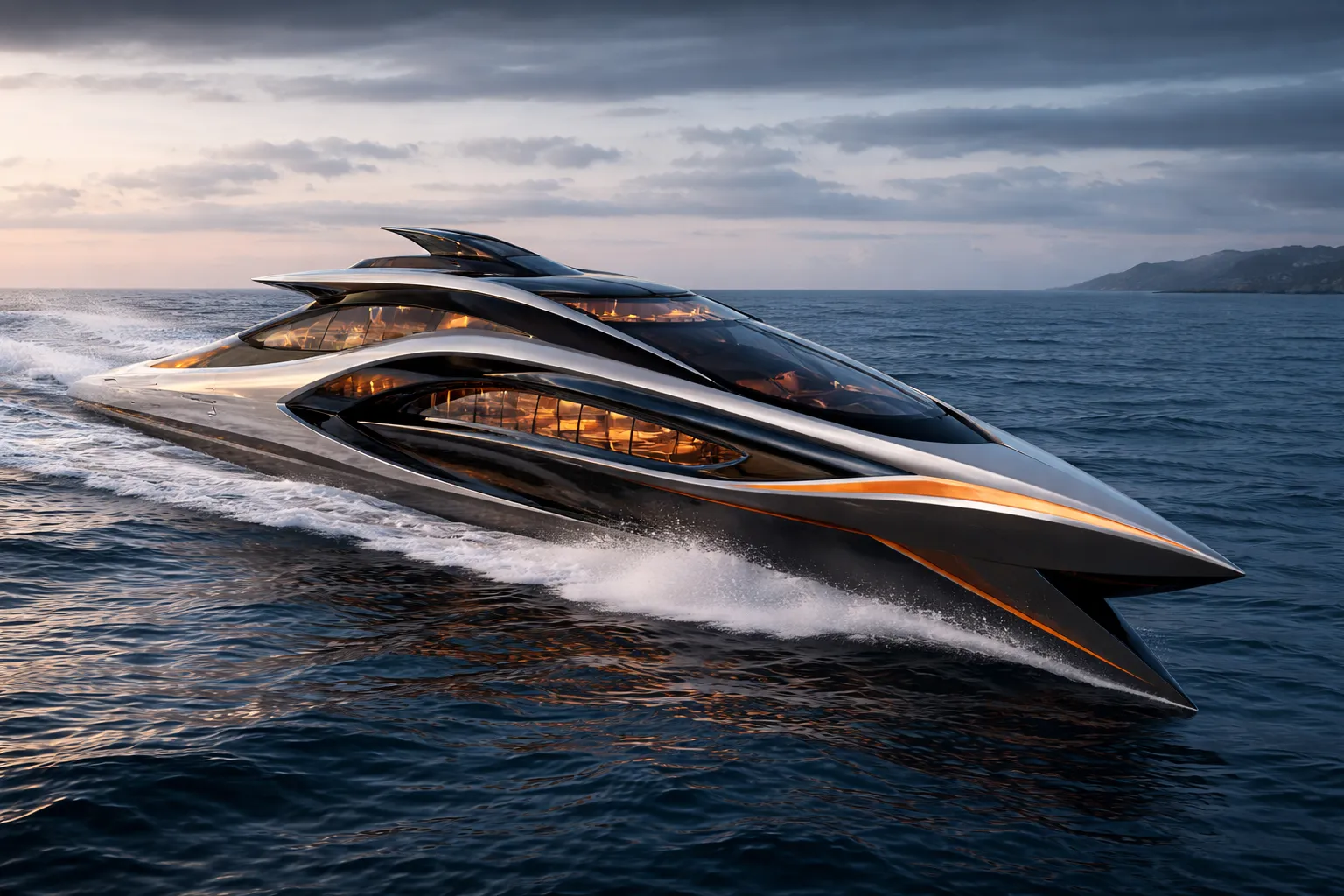
In recent years, experimental platforms such as electric hydrofoil ferries, amphibious jet boats, semi-submersible leisure craft and fully enclosed high-speed capsules have captured global attention. Many of these designs are no longer theoretical. Limited production models are now entering commercial service in eco-tourism, urban transport and specialist rescue operations.
The technological forces driving this category are powerful. Lightweight composite structures allow unprecedented strength-to-weight ratios. High-efficiency electric motors enable compact propulsion layouts previously impossible with petrol engines. Digital control systems provide stabilisation and safety margins that make unconventional hull forms viable for everyday users.
However, not all innovation succeeds. Many experimental designs fail due to instability, regulatory barriers, high production costs or inadequate safety engineering. Understanding these failures is just as important as celebrating successes. The future of watercraft will be shaped as much by disciplined engineering and compliance as by creative design.
At Water Sports Innovations, this category documents both progress and risk. We analyse structural integrity, propulsion efficiency, control systems, battery architecture and regulatory acceptance before any concept is presented as a viable future solution.
Emerging watercraft are where the next generation of marine technology is born. By studying them carefully today, WSI helps shape a safer, more efficient and more sustainable water sports industry for tomorrow.