Skip to content
The trusted global platform for innovation on the water
Send contributions and photos to
editor@watersportinnovations.com.au
Facebook
Pinterest
Instagram
Facebook
Pinterest
Instagram
The Future of Water Sports Technology
Emerging Watercraft and Experimental Concepts
Electric Mini Jet Boats
Remote Control Rescue Buoys (RCRBs)
Underwater Electric Equipment
Electric Surfboards & Foil Boards
Batteries & Electric Power Systems
Safety, Standards & Australian Rules
Environmental Impact & Sustainability
Blog
The Future of Water Sports Technology
2 hours ago
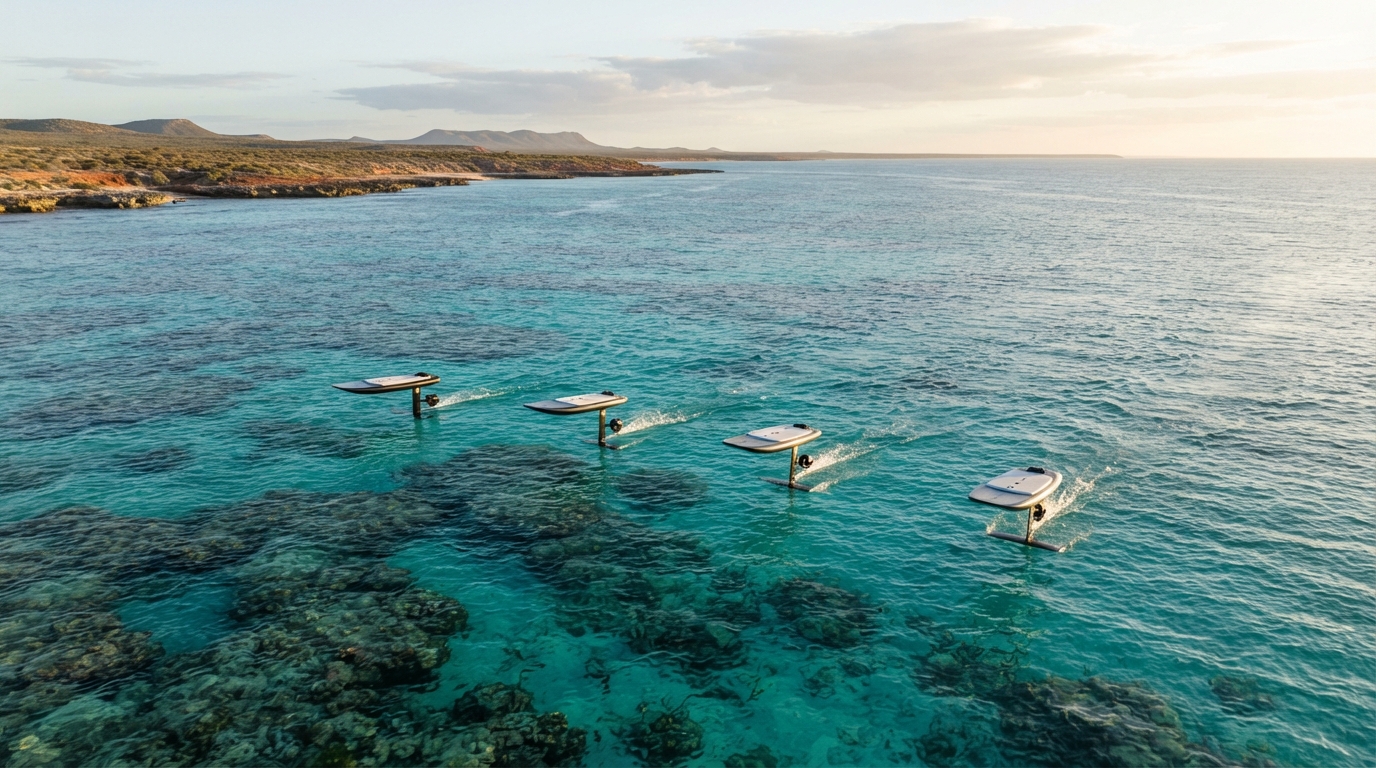
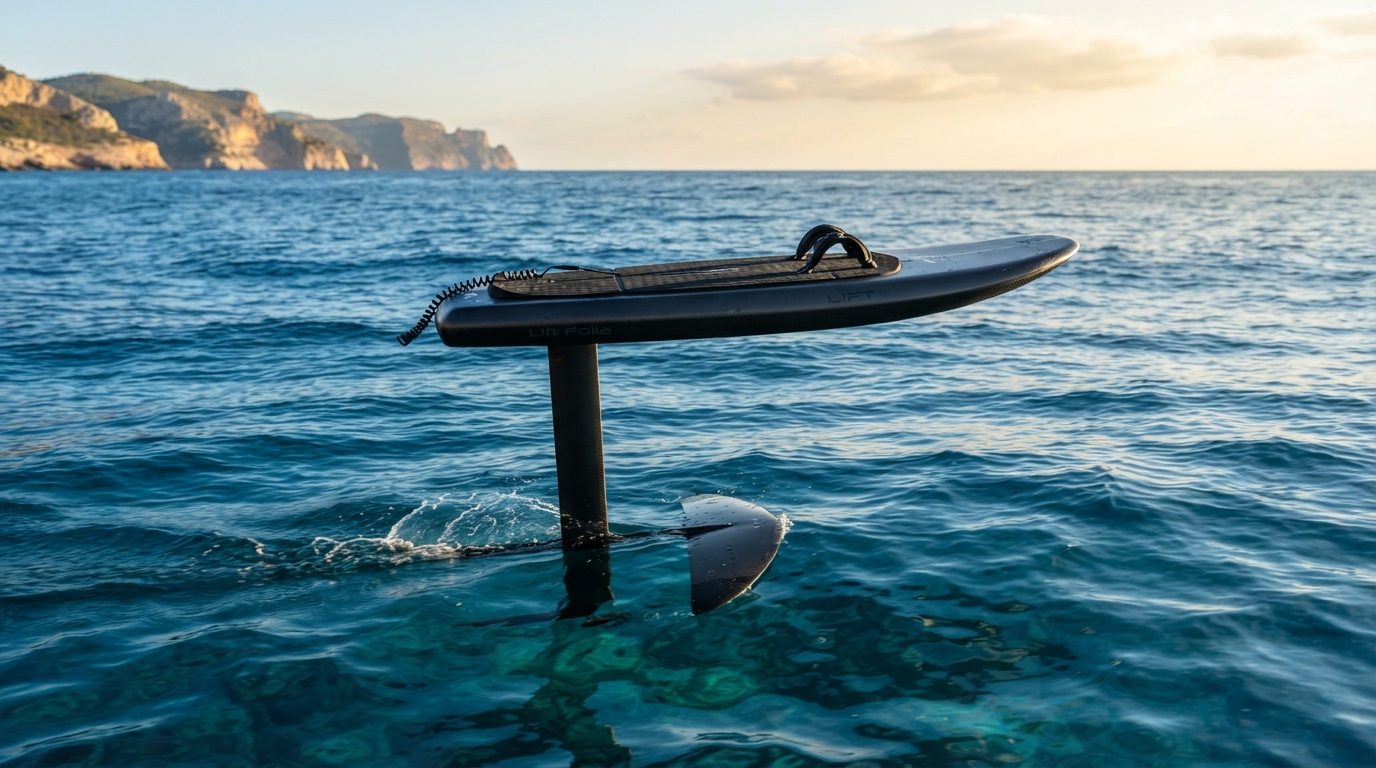
Are E-Foil Boards the Future of Water Sports? Technology, Market Trends, and Long-Term Adoption in Australia
E-foil boards sit at the intersection of several major trends—electric propulsion, hydrofoil engineering, and the
Read more
Batteries & Electric Power Systems
5 hours ago
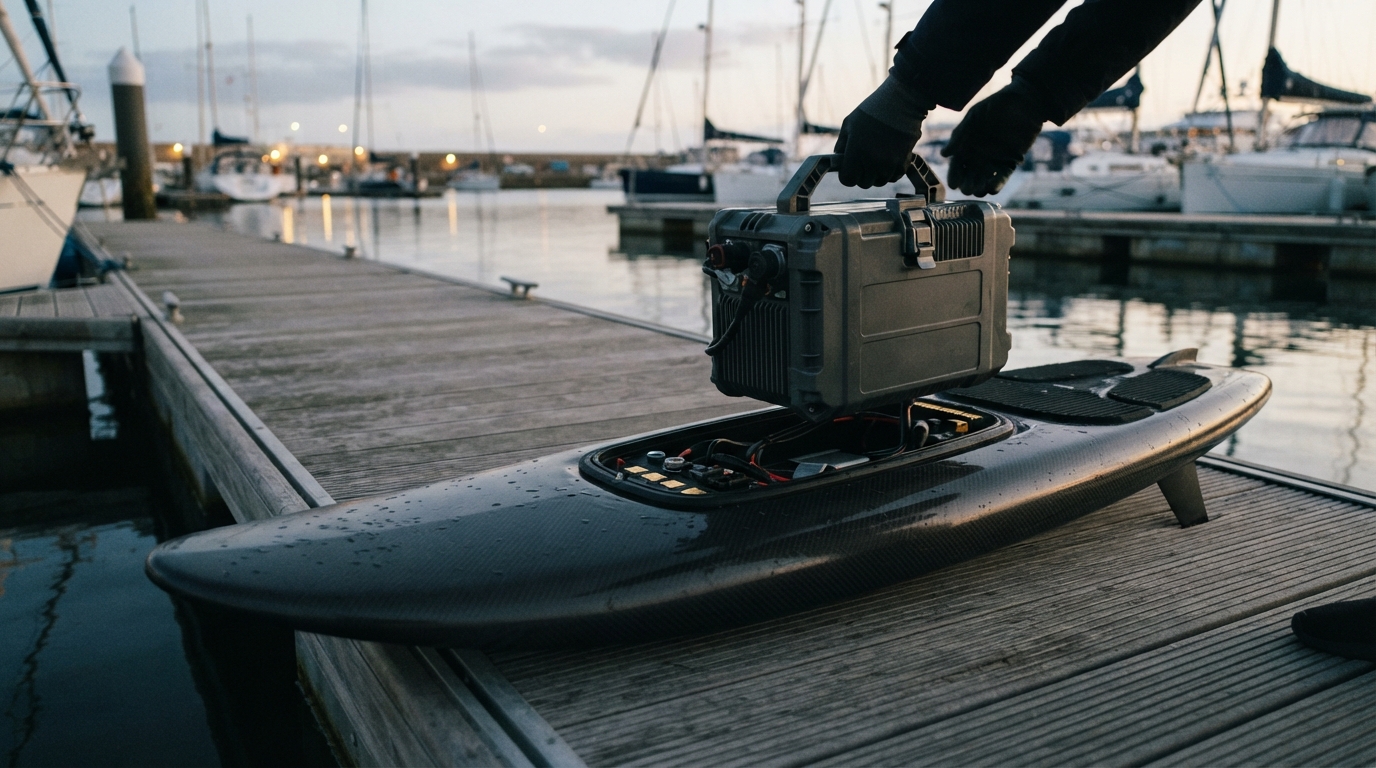
The Real Cost of Owning an E-Foil Board in Australia: Purchase, Running Costs, and Long-Term Value
Environmental conditions, frequency of use, and storage considerations all influence how an e-foil performs and
Read more
Electric Surfboards & Foil Boards
7 hours ago
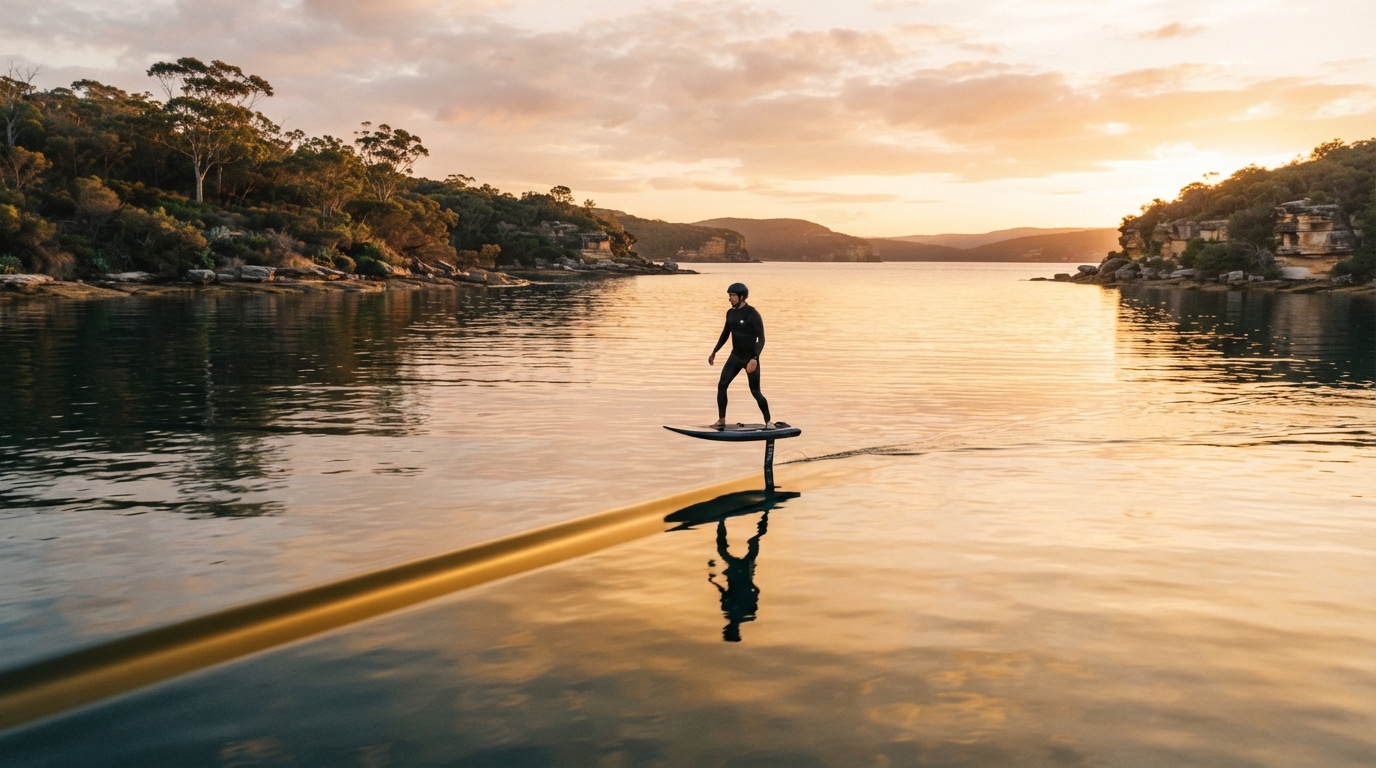
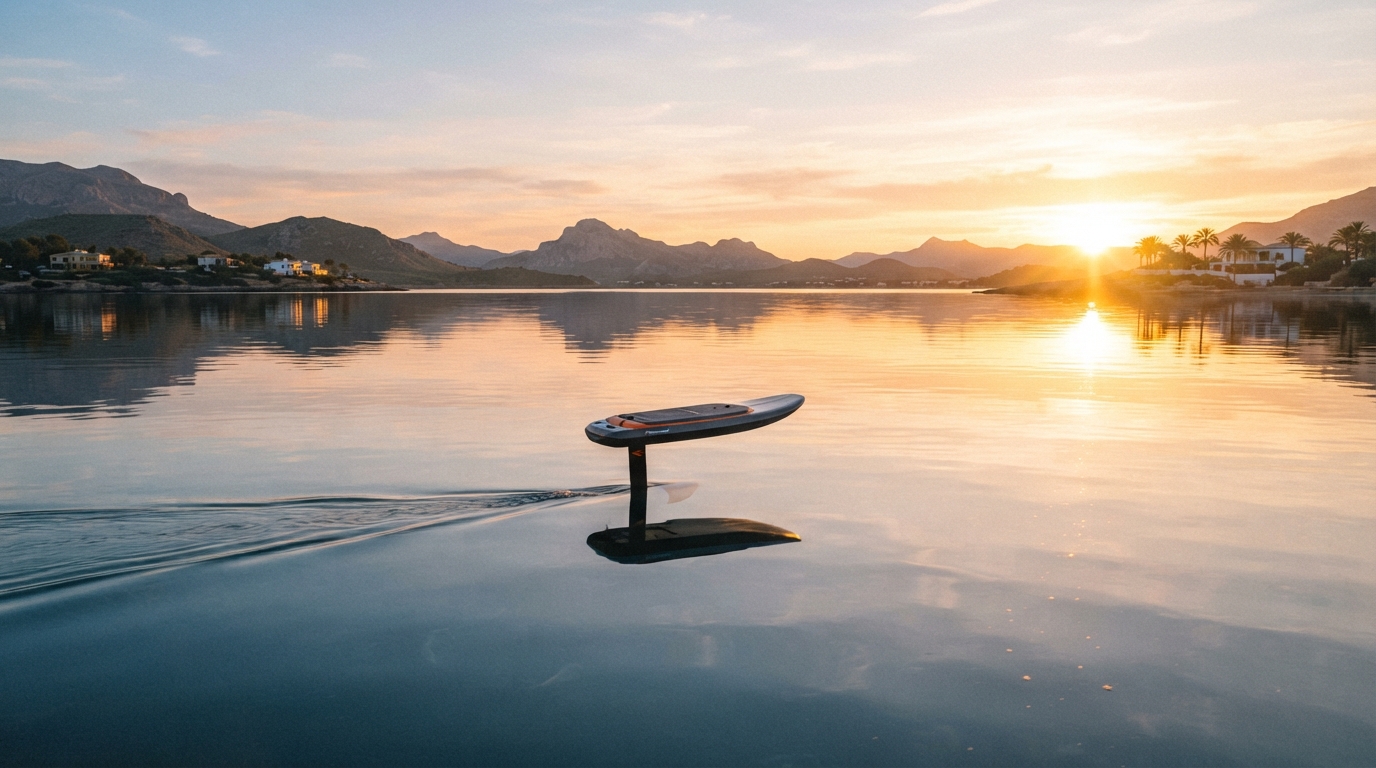
Where E-Foil Boards Perform Best: Lakes, Bays, and Controlled Coastal Environments
E-foil boards are often introduced as high-performance, technologically advanced watercraft, but their true value is
Read more
Electric Surfboards & Foil Boards
10 hours ago
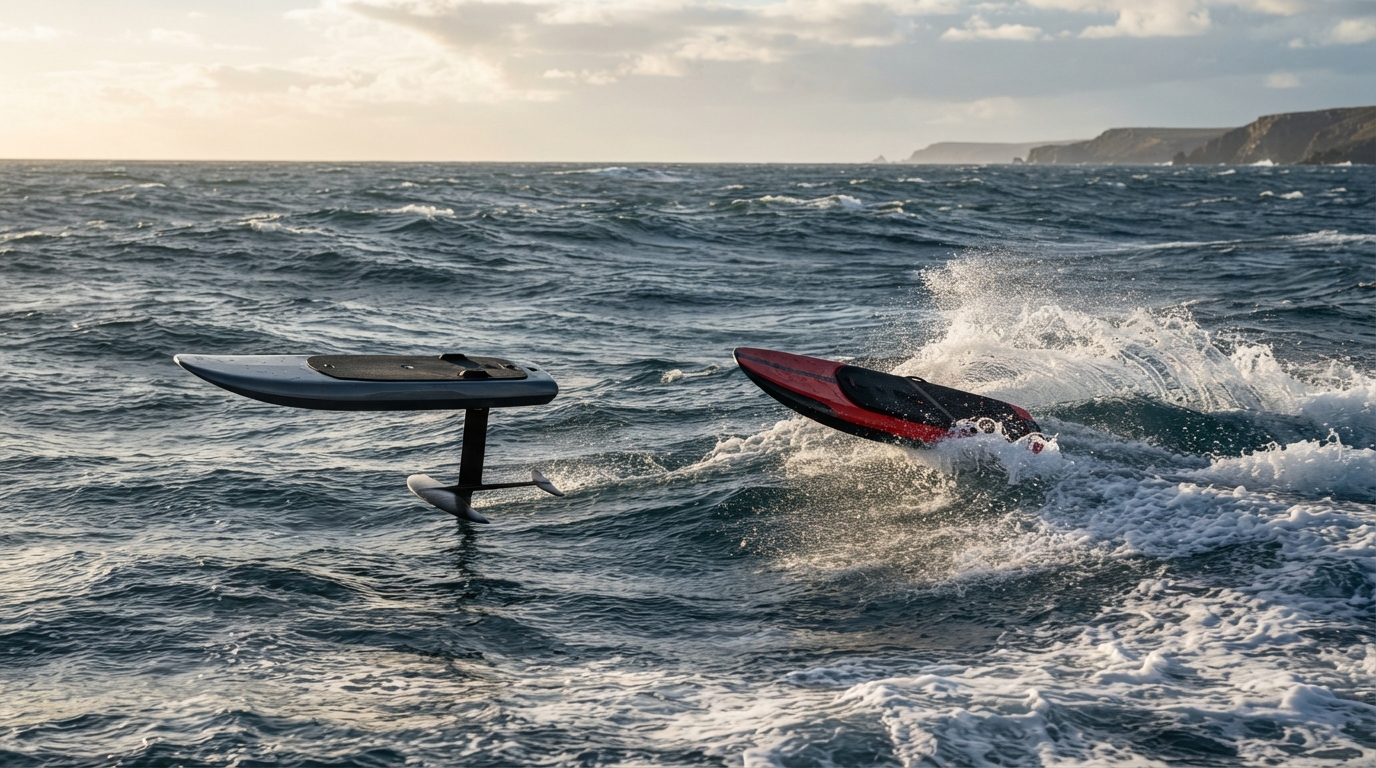
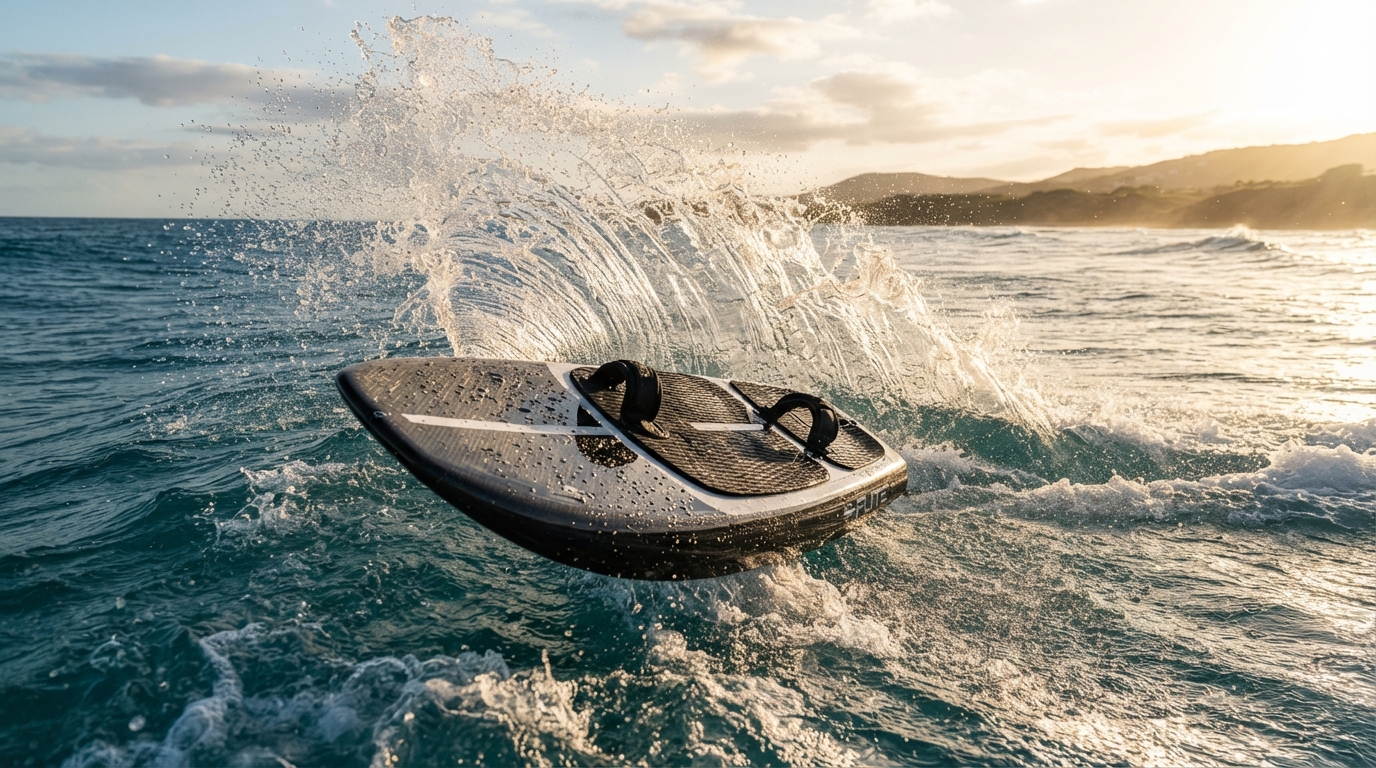
E-Foil Boards vs Electric Surfboards: Key Differences in Performance, Control, and User Experience
The rapid development of electric watercraft has introduced several new categories, with electric surfboards and
Read more
Electric Surfboards & Foil Boards
24 hours ago
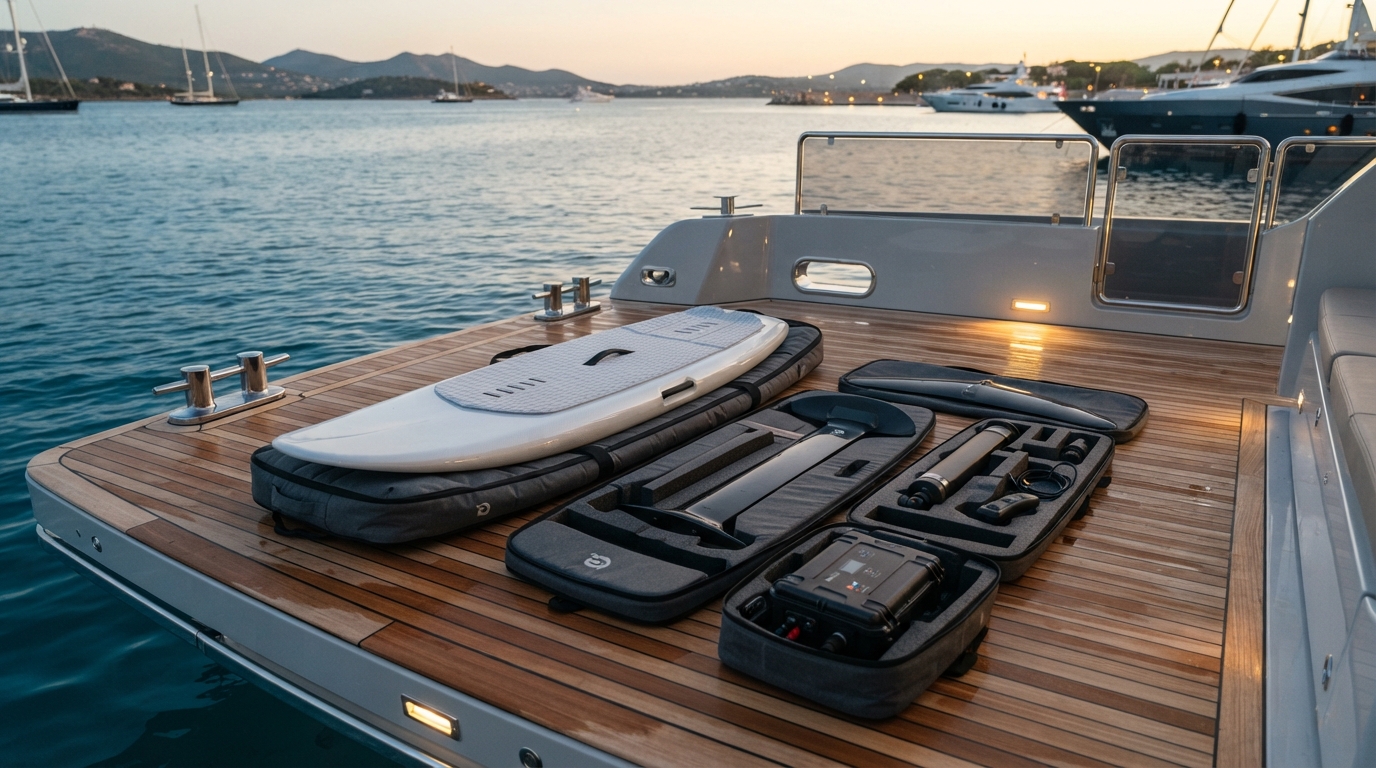
What Are E-Foil Boards? How Hydrofoil Technology Is Transforming Water Sports
From the earliest surfboards through to modern electric propulsion systems, each step forward has expanded
Read more
The Future of Water Sports Technology
1 day ago
Are Electric Surfboards the Future of Water Sports? A Deep Analysis of Technology, Market Trends, and Long-Term Adoption
From the early development of surfboards through to the introduction of jet skis and stand-up
Read more
Batteries & Electric Power Systems
1 day ago
The True Cost of Owning an Electric Surfboard: Purchase Price, Running Costs, and Long-Term Value
While electric surfboards require a higher initial investment, their lower operating costs, reduced maintenance, and
Read more
Safety, Standards & Australian Rules
1 day ago
Where Electric Surfboards Perform Best: Lakes, Rivers, and Coastal Waters Explained
Electric surfboards are often introduced as a breakthrough in water sports because they remove dependence
Read more
Batteries & Electric Power Systems
1 day ago
Electric Surfboards vs Traditional Surfing: Skill, Accessibility, and Experience Compared
Surfing has long been one of Australia’s most iconic activities. It is deeply tied to
Read more
Batteries & Electric Power Systems
2 days ago
What Are Electric Surfboards? Technology, Performance, and Why They Are Changing Water Sports
Unlike traditional surfing, which relies on waves, wind, or towing, electric surfboards are powered by
Read more
Environmental Impact & Sustainability
2 days ago
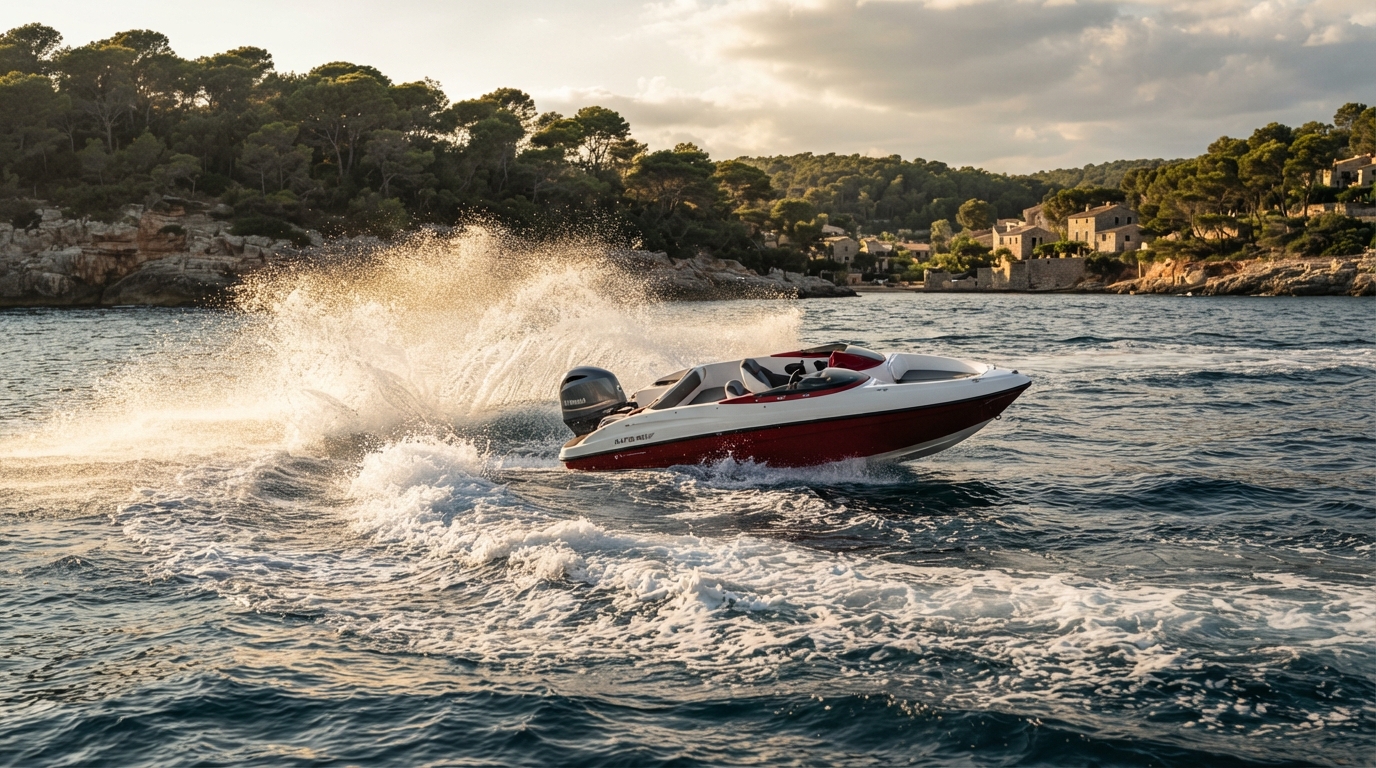
Are Mini Jet Boats the Future of Recreational Boating? Trends, Technology, and Market Direction
Boating has traditionally been defined by size, power, and range. Larger vessels, capable of travelling
Read more
Batteries & Electric Power Systems
2 days ago
The Real Cost of Owning a Mini Jet Boat in Australia: Purchase, Running, and Long-Term Value
The decision to purchase a mini jet boat is often driven by performance, accessibility, and
Read more
Safety, Standards & Australian Rules
2 days ago
Where Mini Jet Boats Excel: Rivers, Shallow Water, and High-Agility Boating
Mini jet boats are often discussed in terms of their size or propulsion system, but
Read more
Batteries & Electric Power Systems
2 days ago
Electric vs Petrol Mini Jet Boats: Efficiency, Running Costs, and Real-World Performance in Australia
The choice between electric and petrol propulsion affects operating cost, maintenance, usability, environmental impact, and
Read more
Safety, Standards & Australian Rules
3 days ago
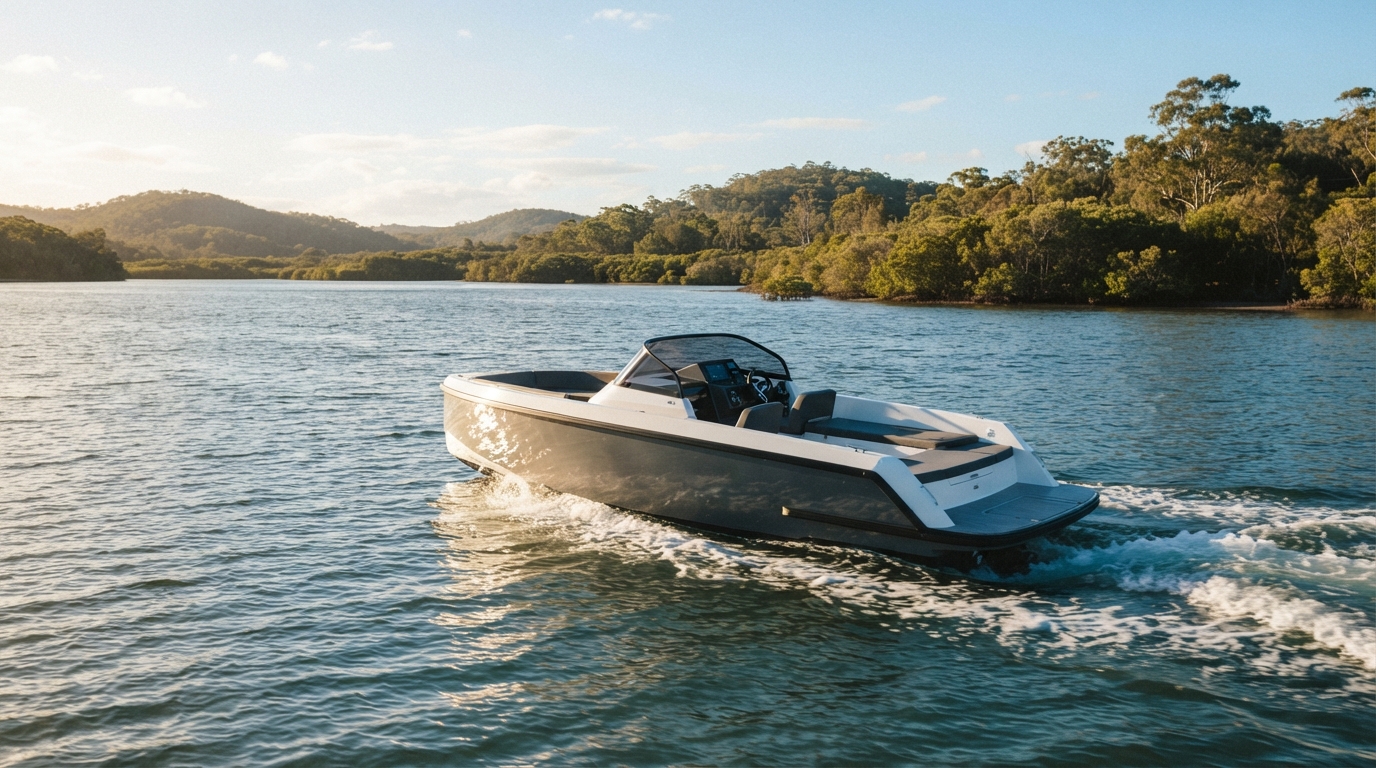
What Are Mini Jet Boats? A Deep Dive into Design, Performance, and the Future of Compact Boating
While traditional vessels continue to serve a wide range of applications, a new category has
Read more
Underwater Electric Equipment
3 days ago
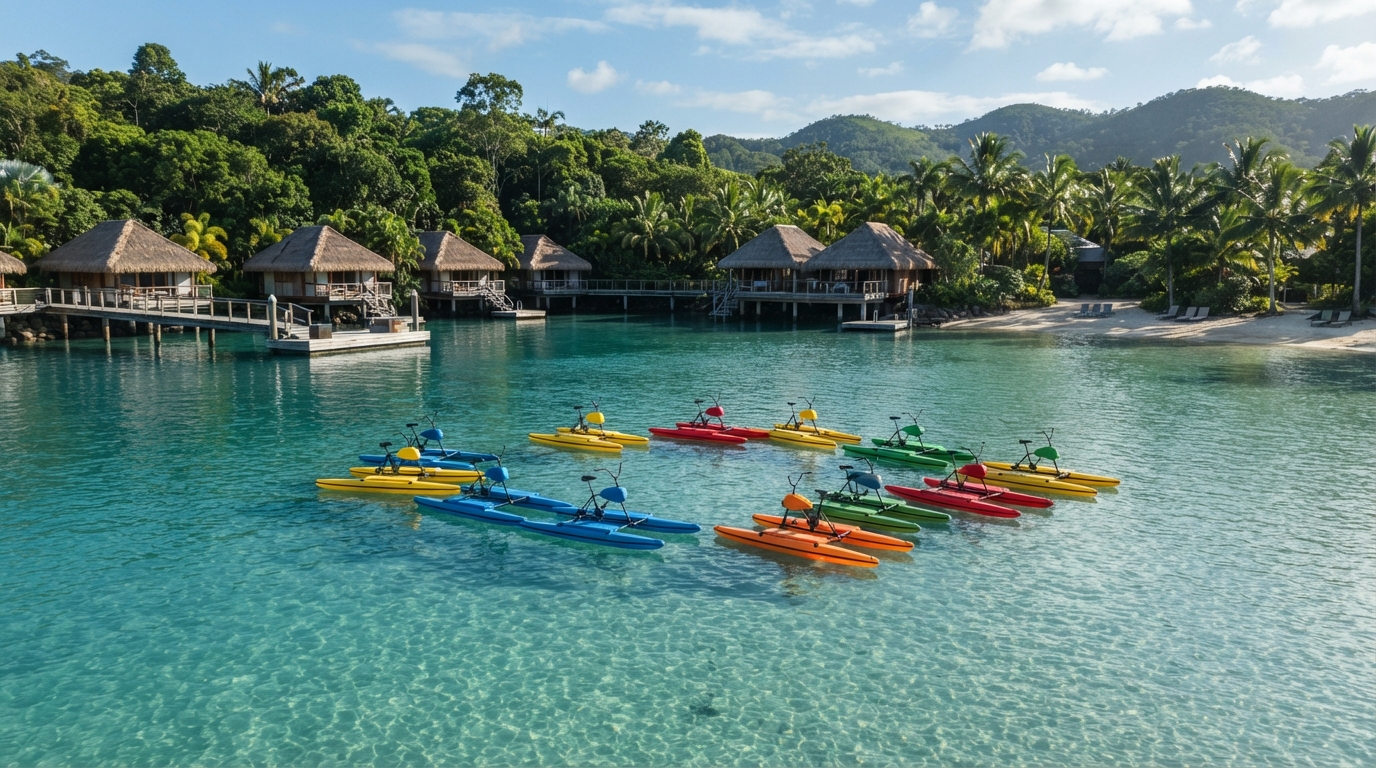
Are Water Bikes the Future of Recreational Water Activities? Trends, Growth, and Long-Term Potential in Australia
Water bikes occupy a unique position within the broader landscape of watercraft. They are neither
Read more
Underwater Electric Equipment
3 days ago
The Real Cost of Water Bikes in Australia: Purchase, Maintenance, Storage, and Long-Term Value Explained
Water bikes are often positioned as an affordable and accessible option, but as with any
Read more
Underwater Electric Equipment
3 days ago
Where Water Bikes Perform Best in Australia: Lakes, Rivers, Coastal Areas, and Recreational Environments
Water bikes, while versatile and accessible, are particularly sensitive to environmental conditions due to their
Read more
Underwater Electric Equipment
3 days ago
Water Bikes vs Traditional Watercraft: Cost, Performance, Practicality, and Where They Truly Fit in Australia
Water bikes represent a relatively new category in the broader landscape of watercraft, and as
Read more
Underwater Electric Equipment
4 days ago
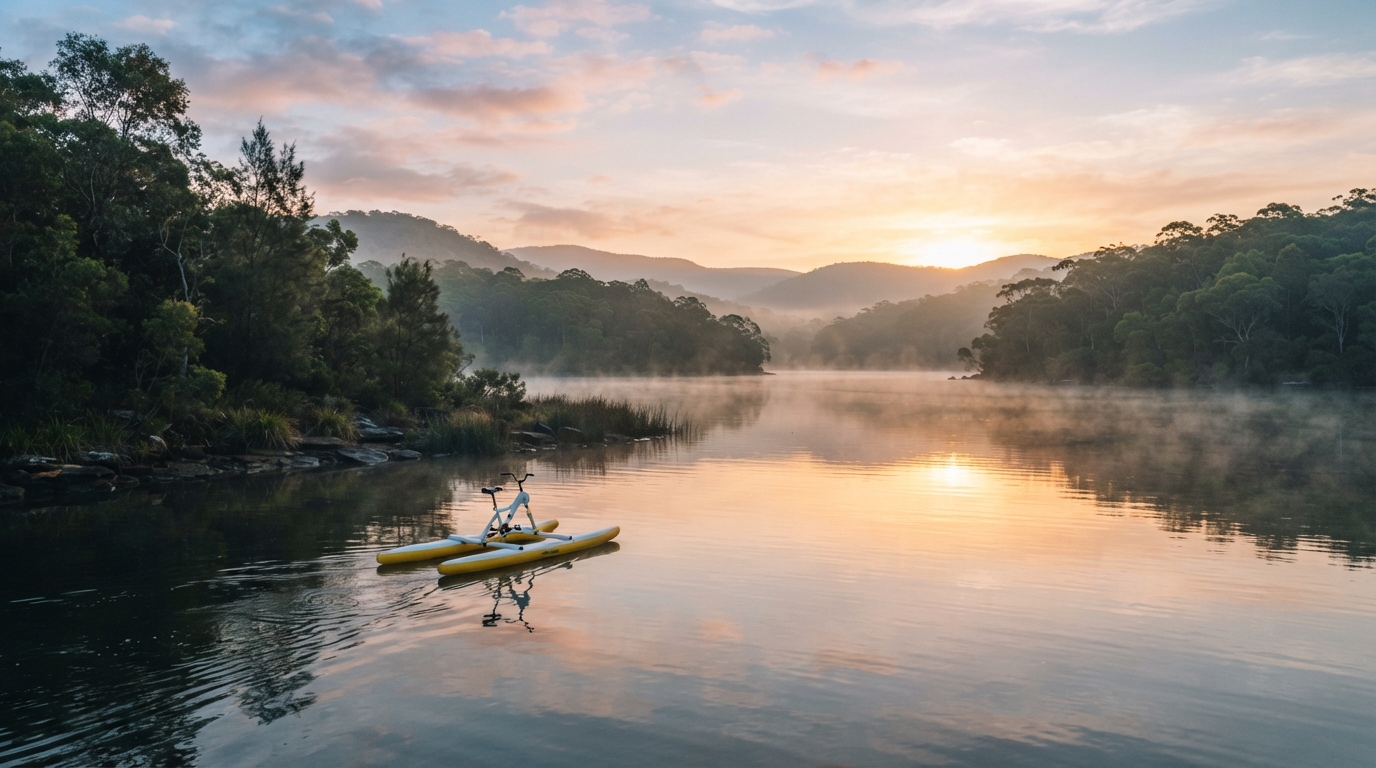
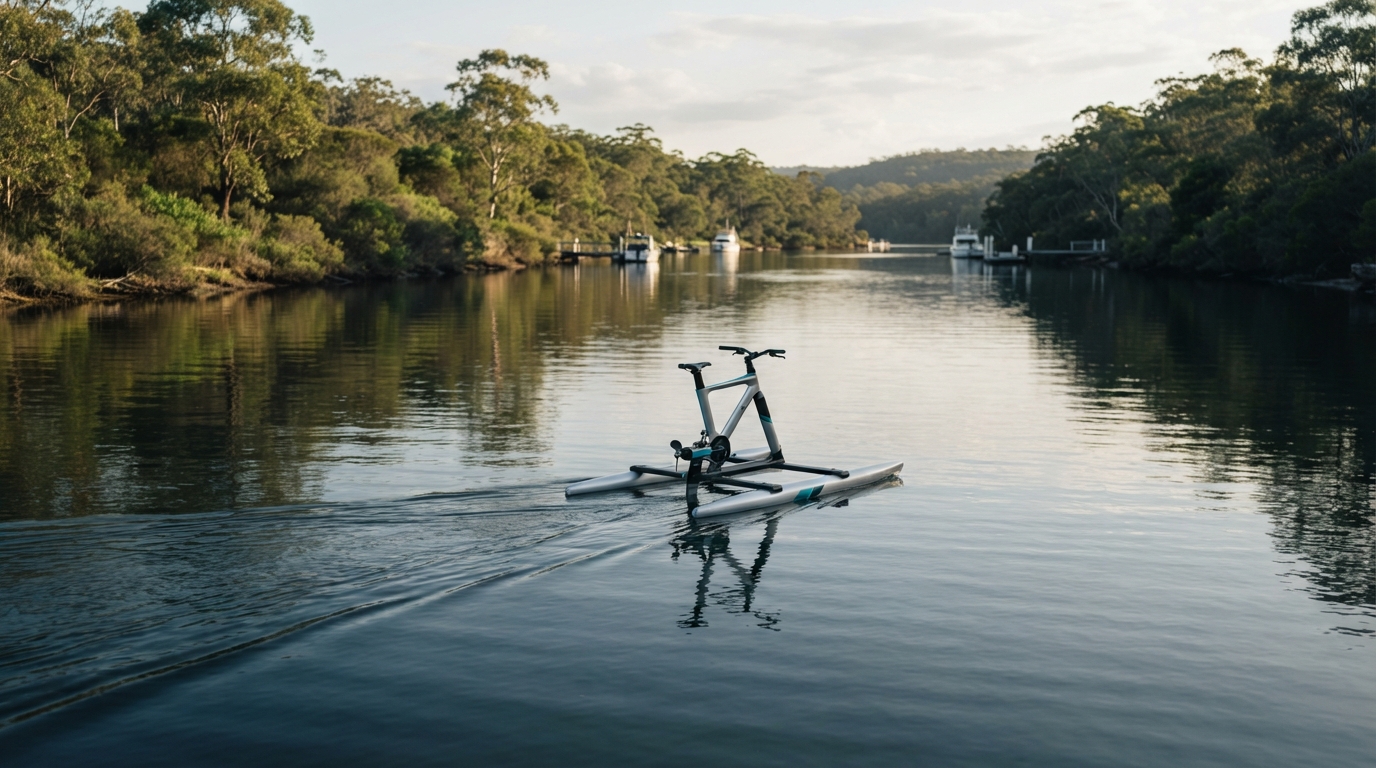
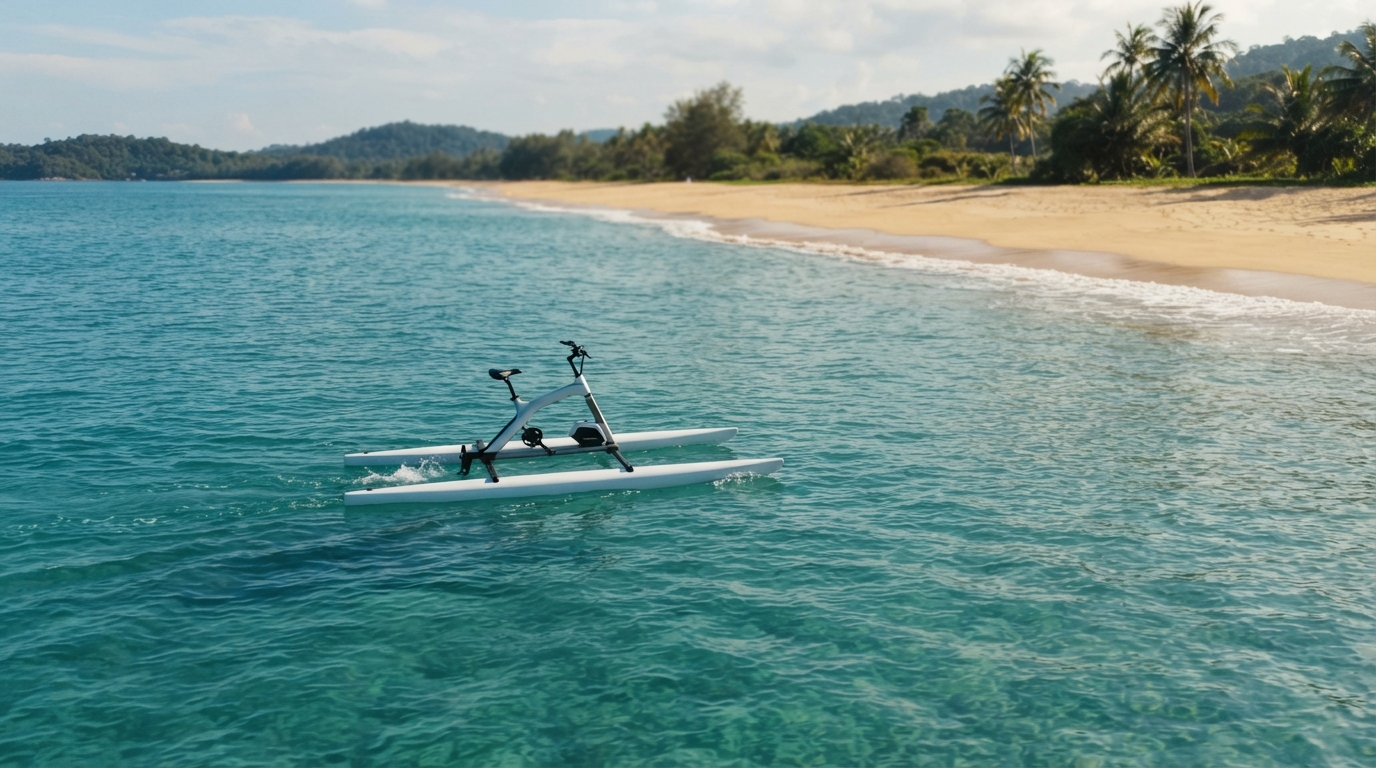
What Are Water Bikes? A Complete Guide to Pedal-Powered and Electric Water Cycling in Australia
Combining elements of cycling and boating, these devices allow users to travel across water surfaces
Read more
Underwater Electric Equipment
4 days ago
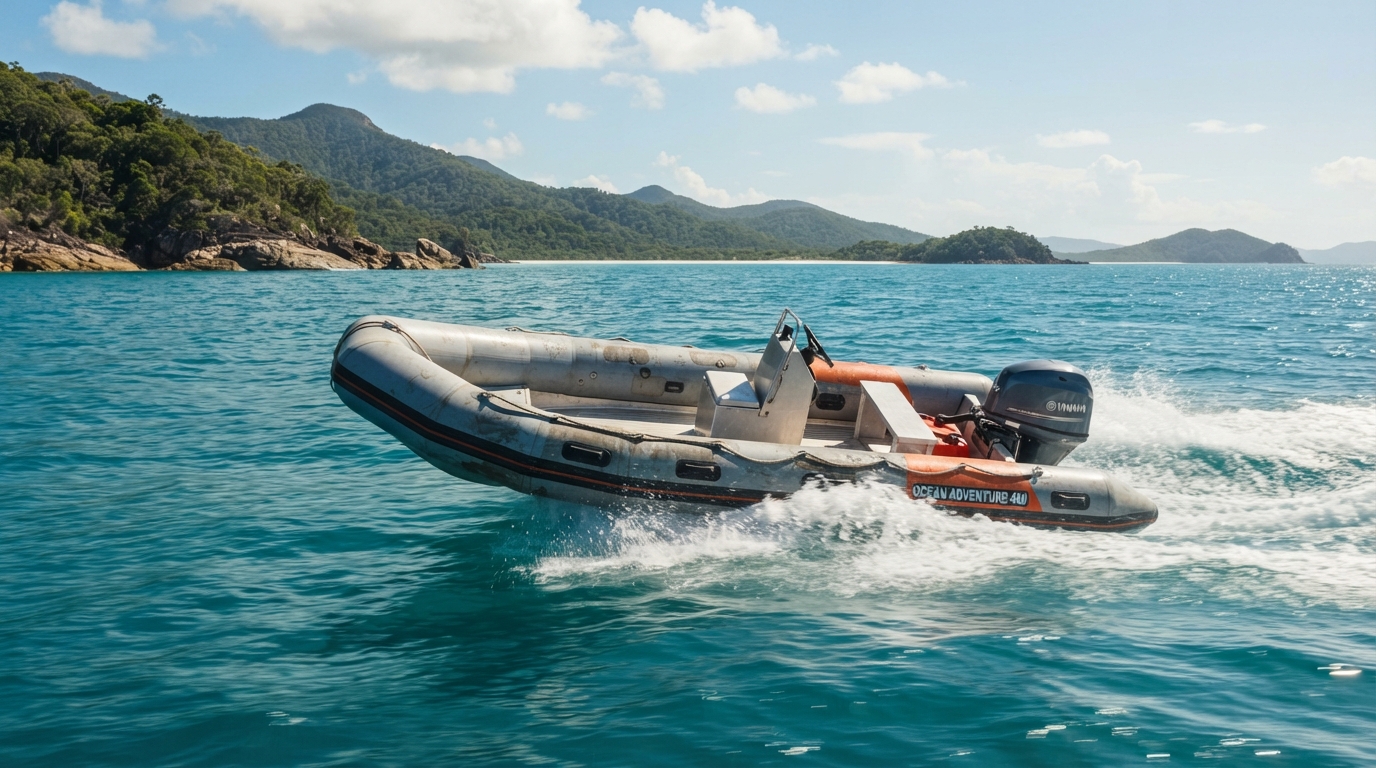
Are Inflatable Boats the Future of Recreational Boating in Australia? Trends, Technology, and Long-Term Market Direction
The boating industry has traditionally been dominated by rigid-hull vessels—fibreglass, aluminium, and larger offshore-capable craft
Read more
Underwater Electric Equipment
4 days ago
The Real Cost of Inflatable Boats in Australia: Purchase Price, Maintenance, Storage, and Long-Term Value
When evaluating inflatable boats, one of the most attractive aspects is their perceived affordability. Compared
Read more
Underwater Electric Equipment
4 days ago
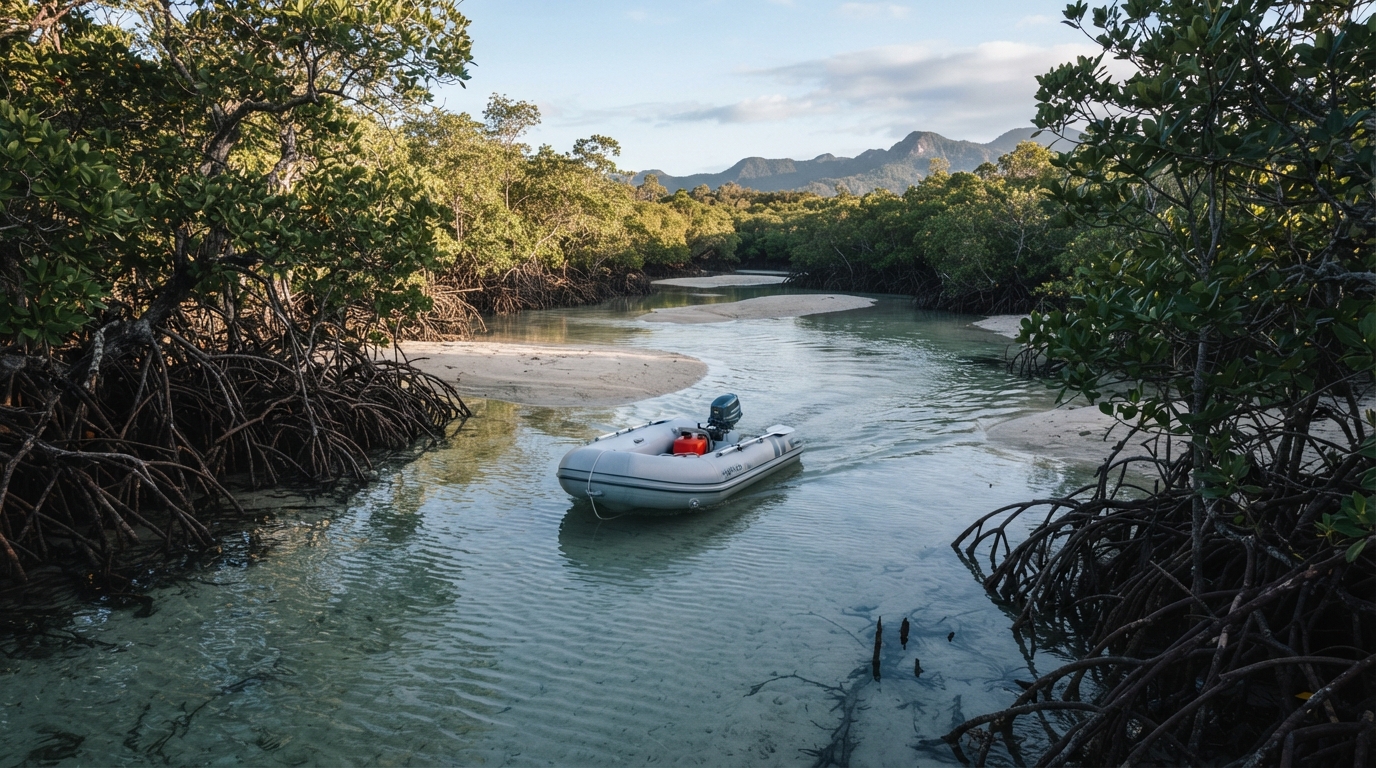
Where Inflatable Boats Perform Best in Australia: Rivers, Lakes, Estuaries, and Coastal Use Explained in Detail
True versatility is not simply about being able to operate in many environments—it is about
Read more
Underwater Electric Equipment
4 days ago
Inflatable Boats vs Traditional Boats: Cost, Performance, and Practical Use in Australia
When considering entry into boating, one of the most important decisions is whether to choose
Read more
Underwater Electric Equipment
5 days ago
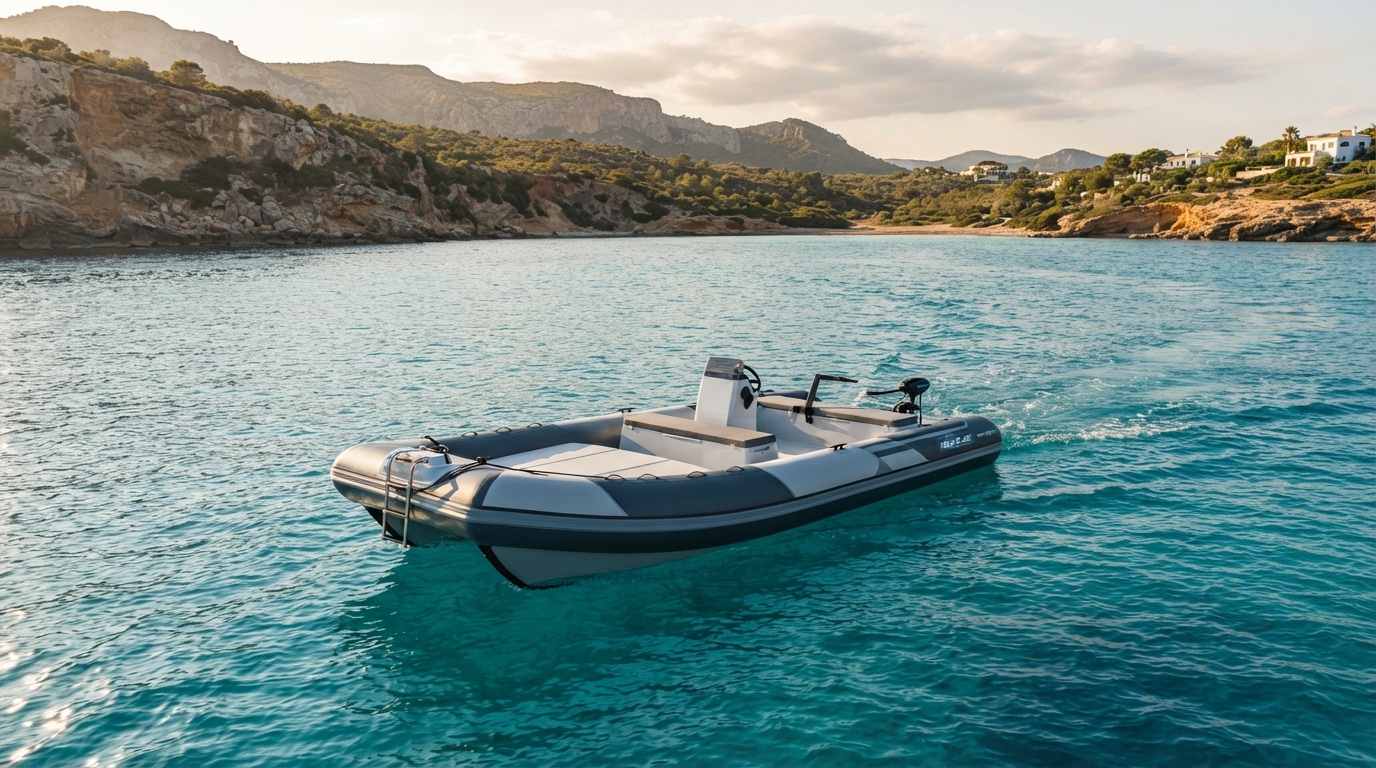
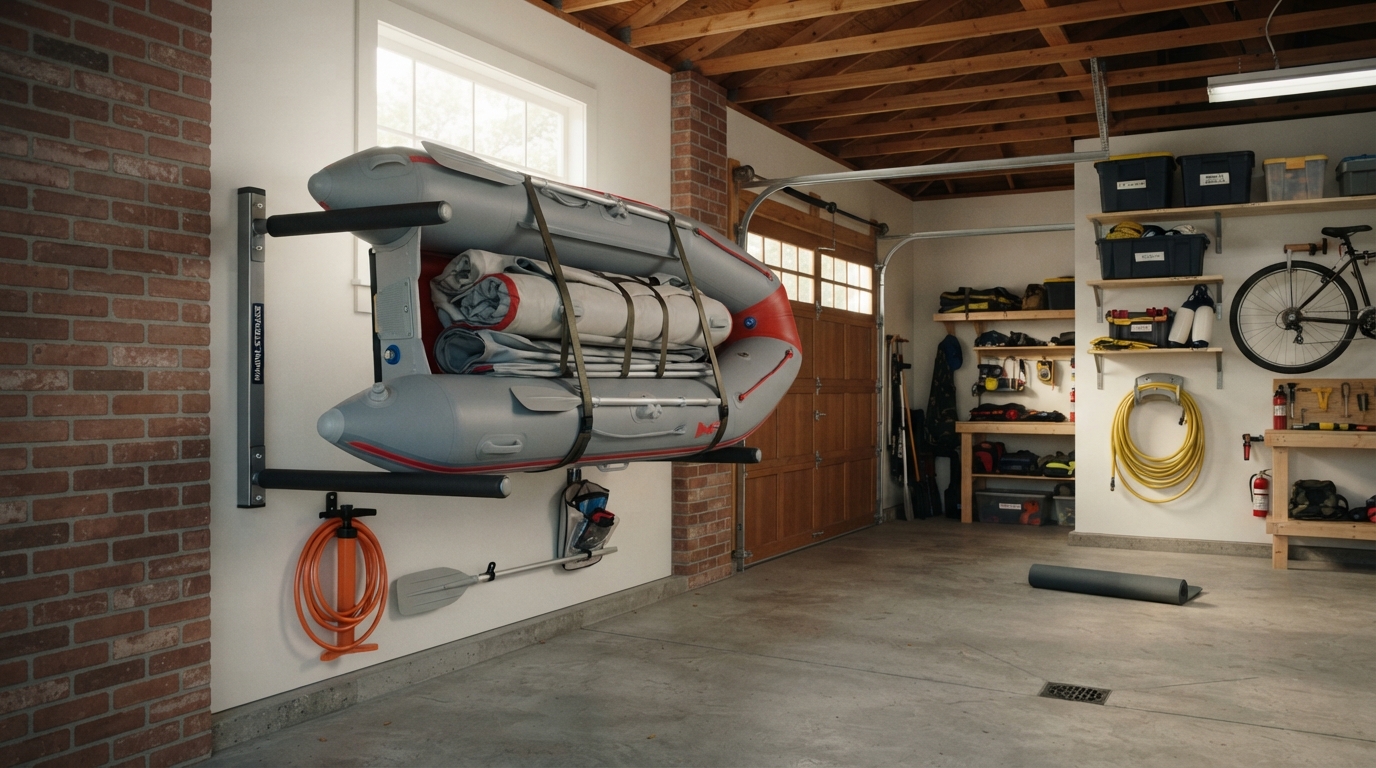
What Are Inflatable Boats? A Complete Guide to Modern Design, Materials, and Real-World Use in Australia
Today, inflatable boats are used for everything from recreational fishing and coastal exploration to commercial
Read more
The Future of Water Sports Technology
5 days ago
Why Mini Jet Boats May Become the Entry Point for the Next Generation of Boaties
For decades, boating has been associated with a particular profile—experienced operators, mechanical knowledge, access to
Read more
Electric Mini Jet Boats
5 days ago
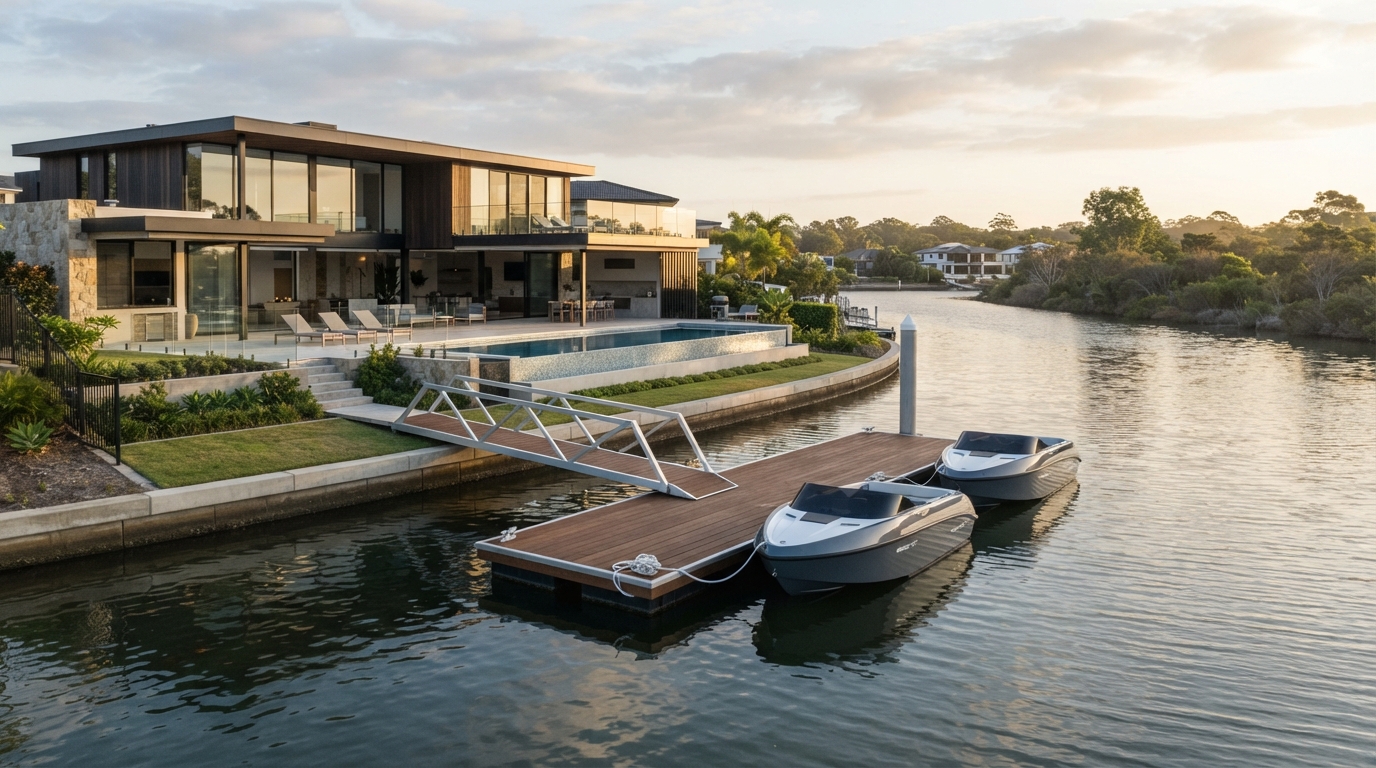
Electric Mini Jet Boats for Waterfront Properties, Resorts and Private Lakes
For waterfront property owners, resort operators, and private lake users, these qualities combine to create
Read more
Safety, Standards & Australian Rules
5 days ago
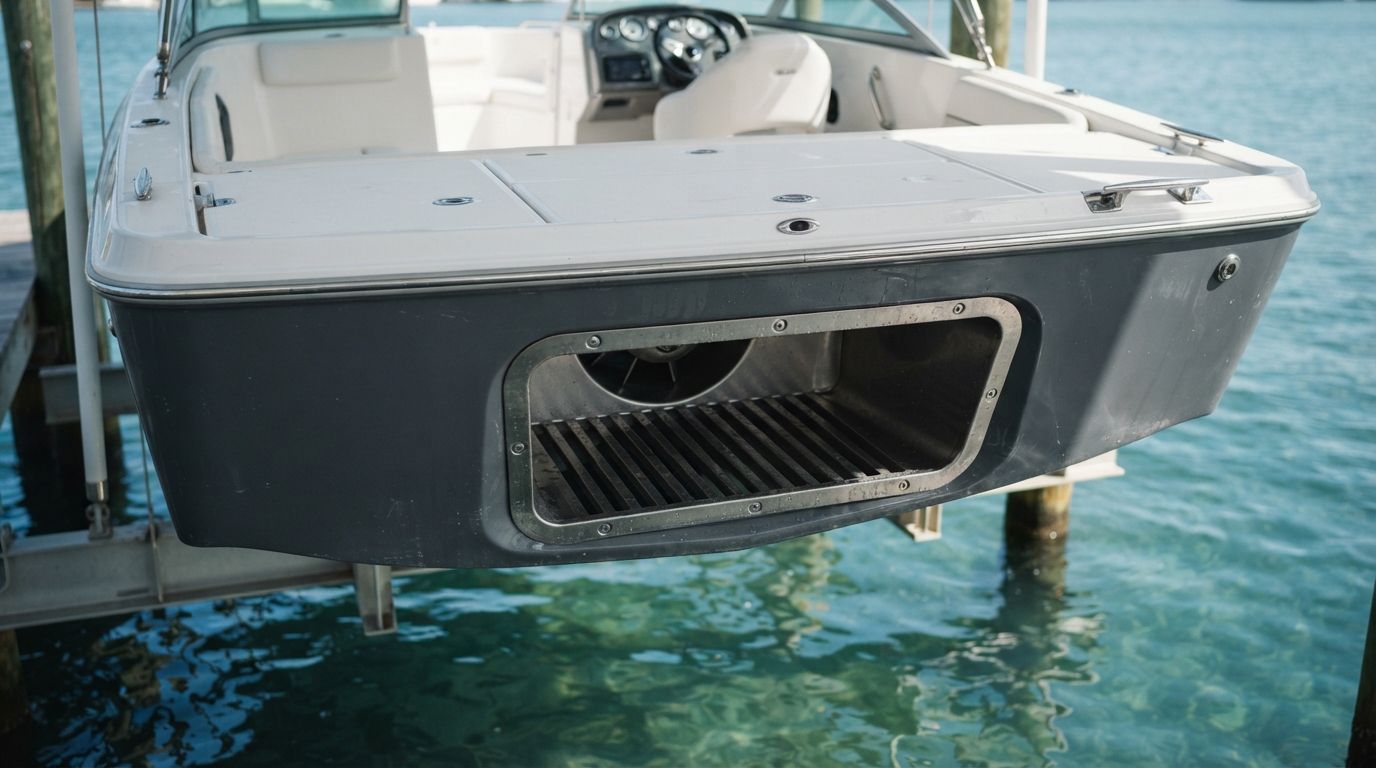
Why No-Propeller Jet Propulsion Matters Around Swimmers, Children and Shorelines
While these factors are important, one of the most significant safety considerations—particularly in shared water
Read more
Electric Mini Jet Boats
5 days ago
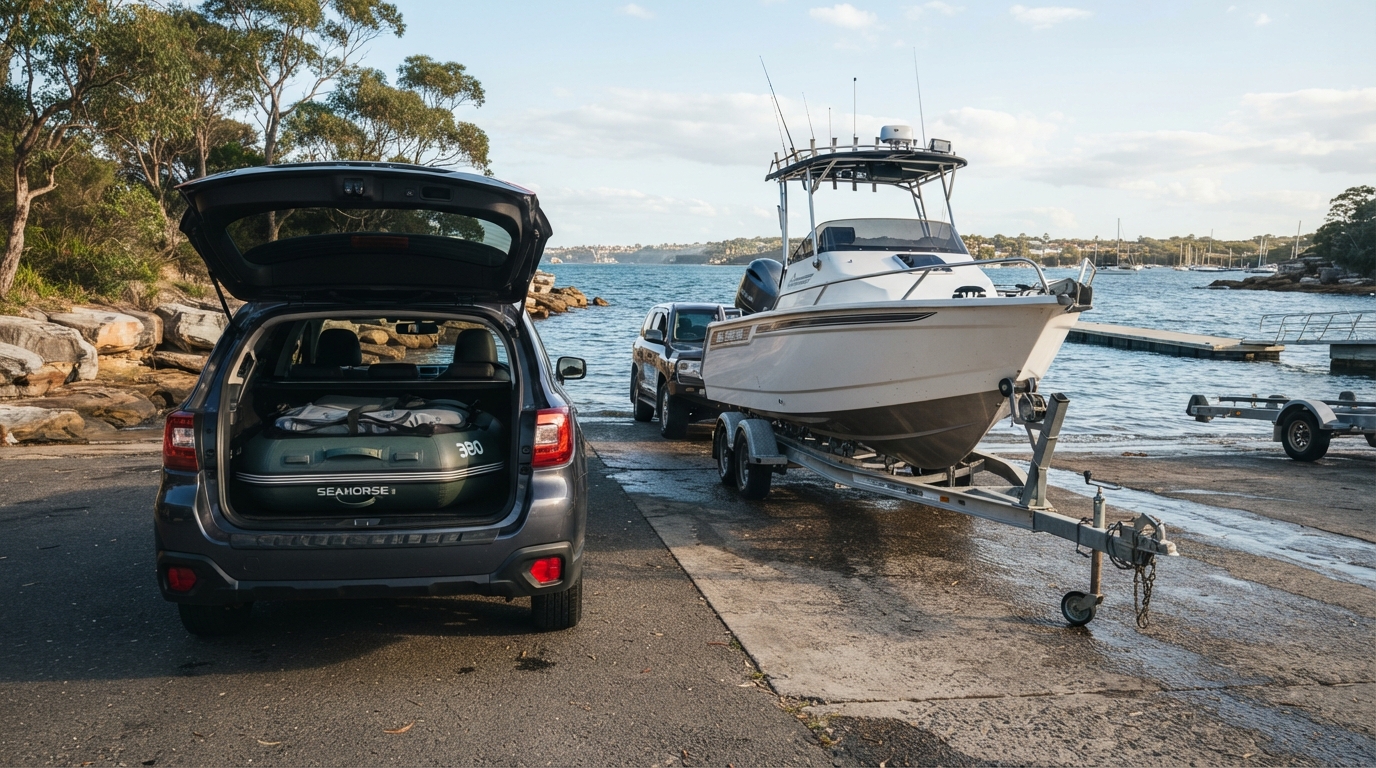
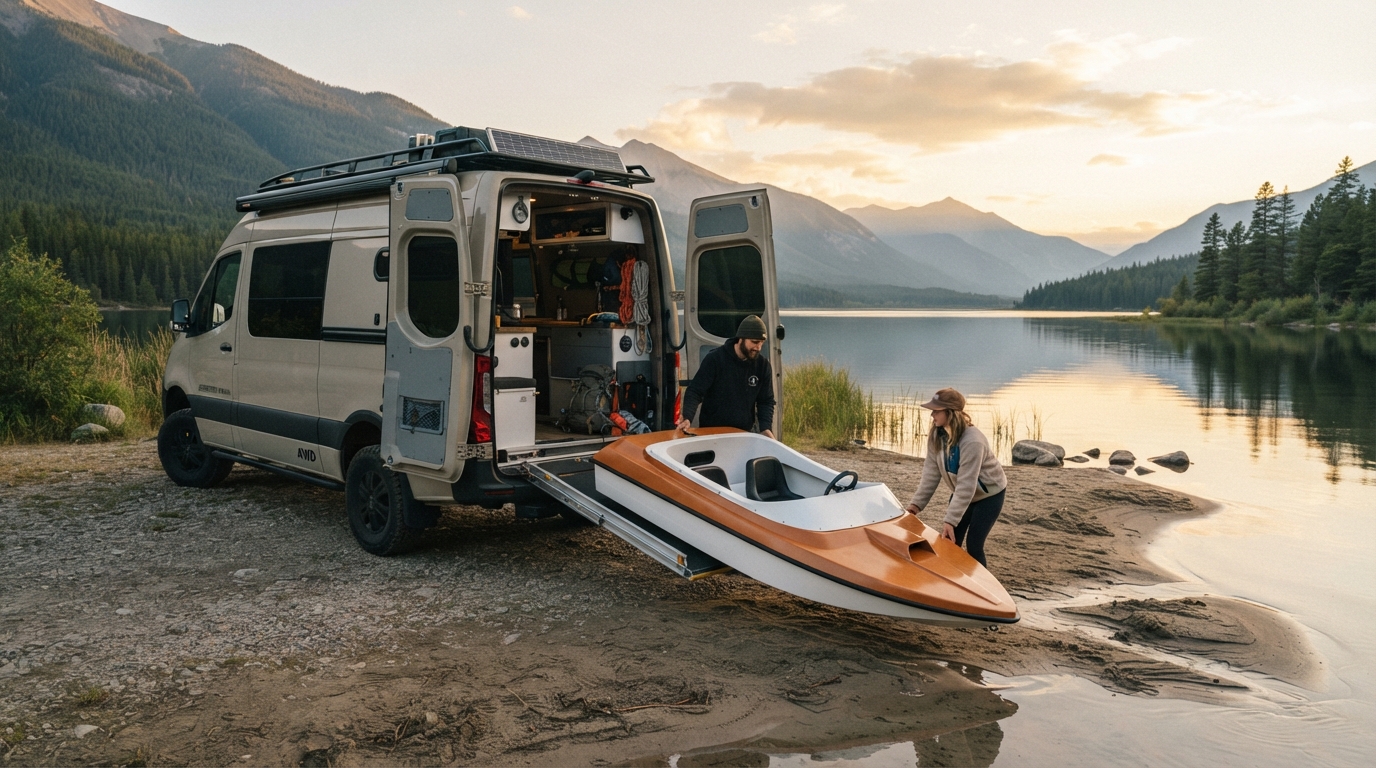
How Mini Jet Boats Could Open Up Boating for People Without Tow Vehicles
Not everyone owns a vehicle capable of towing, and even those who do may be
Read more
The Future of Water Sports Technology
6 days ago
Why Quiet Electric Propulsion Is Changing Recreational Boating Behaviour
The sound of petrol engines has long been accepted as part of the experience, from
Read more
Previous
Page
1
Page
2
Page
3
Page
4
Next
Search
Search
Home
Blog
About Us
Contact Us
Privacy policy
Terms and conditions
Home
Blog
About Us
Contact Us
Privacy policy
Terms and conditions
Article categories
The Future of Water Sports Technology
Emerging Watercraft and Experimental Concepts
Electric Mini Jet Boats
Remote Control Rescue Buoys (RCRBs)
Underwater Electric Equipment
Electric Surfboards & Foil Boards
Batteries & Electric Power Systems
Safety, Standards & Australian Rules
Environmental Impact & Sustainability
Contact us
Email: editor@watersportinnovations.com.au
Facebook
Instagram
Pinterest