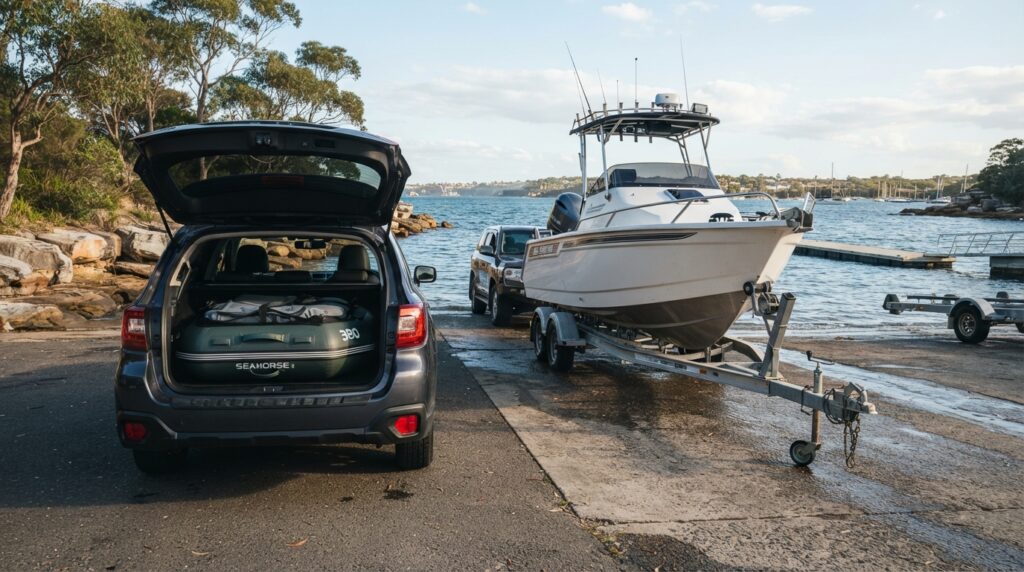

When considering entry into boating, one of the most important decisions is whether to choose an inflatable boat or a traditional rigid-hull vessel. While both options provide access to waterways and recreational opportunities, they differ significantly in cost, usability, maintenance, and overall practicality.
For Australian users, this decision is particularly relevant. The country’s diverse waterways—from inland lakes to coastal environments—mean that versatility, transportability, and ease of use can be just as important as performance.
This article provides a detailed comparison between inflatable boats and traditional boats, focusing on real-world factors that influence usability, cost, and long-term value.
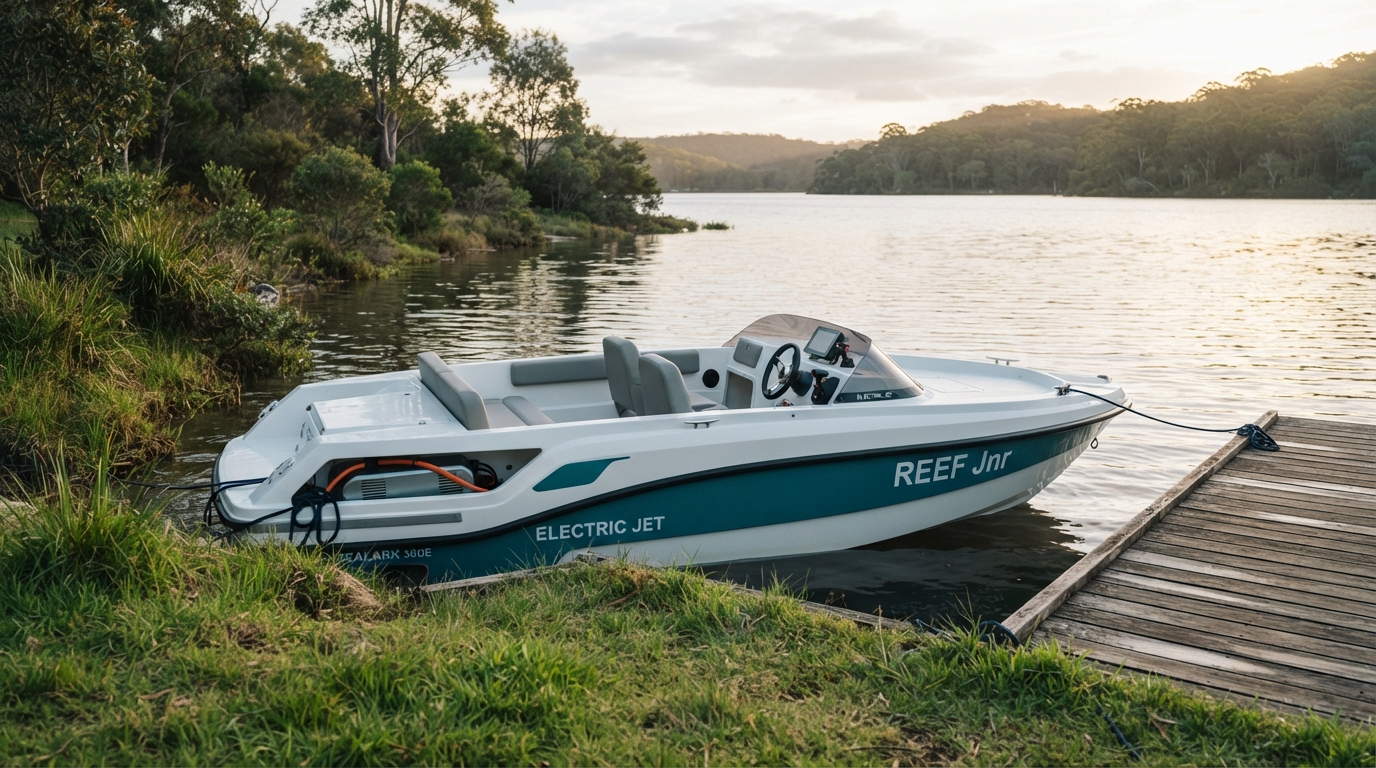
Understanding Traditional Boats
Traditional boats typically feature:
- rigid hull construction
- fixed structure
- higher weight
Characteristics
- strong performance
- higher capacity
- permanent setup
Inflatable Boats – A Different Approach
Inflatable boats offer:
- flexible structure
- lightweight design
- portability
Cost Comparison
Upfront Cost
Inflatable boats:
- significantly lower cost
Traditional boats:
- higher purchase price
Ongoing Costs
Traditional boats require:
- trailers
- storage
- maintenance
Inflatable boats:
- minimal ongoing costs
Transport and Storage
Traditional Boats
- require trailer
- require storage space
Inflatable Boats
- can be stored compactly
- transported in vehicle
Performance Comparison
Speed
Traditional boats:
- higher speed potential
Inflatable boats:
- moderate speed
Stability
Inflatable boats:
- superior stability
- safer for beginners
Handling
Both offer:
- predictable control
Ease of Use
Inflatable boats:
- easier to manage
- quicker entry into boating
Traditional boats:
- more complex setup
Maintenance
Traditional boats:
- ongoing maintenance
- higher cost
Inflatable boats:
- simpler maintenance
- lower cost
Safety
Inflatable boats:
- multi-chamber design
- high buoyancy
Traditional boats:
- rigid structure
Australian Context
Inflatable boats suit:
- varied environments
- casual and flexible use
Traditional boats suit:
- long-distance travel
- high-performance needs
Which Should You Choose?
Inflatable Boats
→ portability, affordability, flexibility
Traditional Boats
→ performance, capacity, long-distance use
Conclusion
Inflatable boats offer a practical and cost-effective alternative to traditional boats, particularly for Australian users seeking flexibility, ease of use, and lower costs. While traditional boats remain valuable for specific applications, inflatable boats provide a highly accessible entry point into boating with broad versatility.