The trusted global platform for innovation on the water

Send contributions and photos to [email protected]

Safety, Standards & Australian Rules

Regulation shapes every aspect of water sports technology adoption. This category explains Australian maritime law, vessel registration, battery certification, rescue equipment compliance and operational standards.

Understanding compliance protects buyers, operators and organisations from legal exposure, insurance failure and safety violations. As electric and autonomous craft expand, regulatory frameworks are evolving rapidly.

WSI provides clear guidance on Australian maritime rules, international standards and emerging compliance requirements to ensure responsible and lawful adoption of advanced water sports technology.


While these devices are designed to enhance mobility, their performance varies depending on factors such
Water safety has traditionally relied on a combination of human skill, physical equipment, and situational
While RCRBs require an upfront investment, their low operating costs, reduced maintenance requirements, and significant
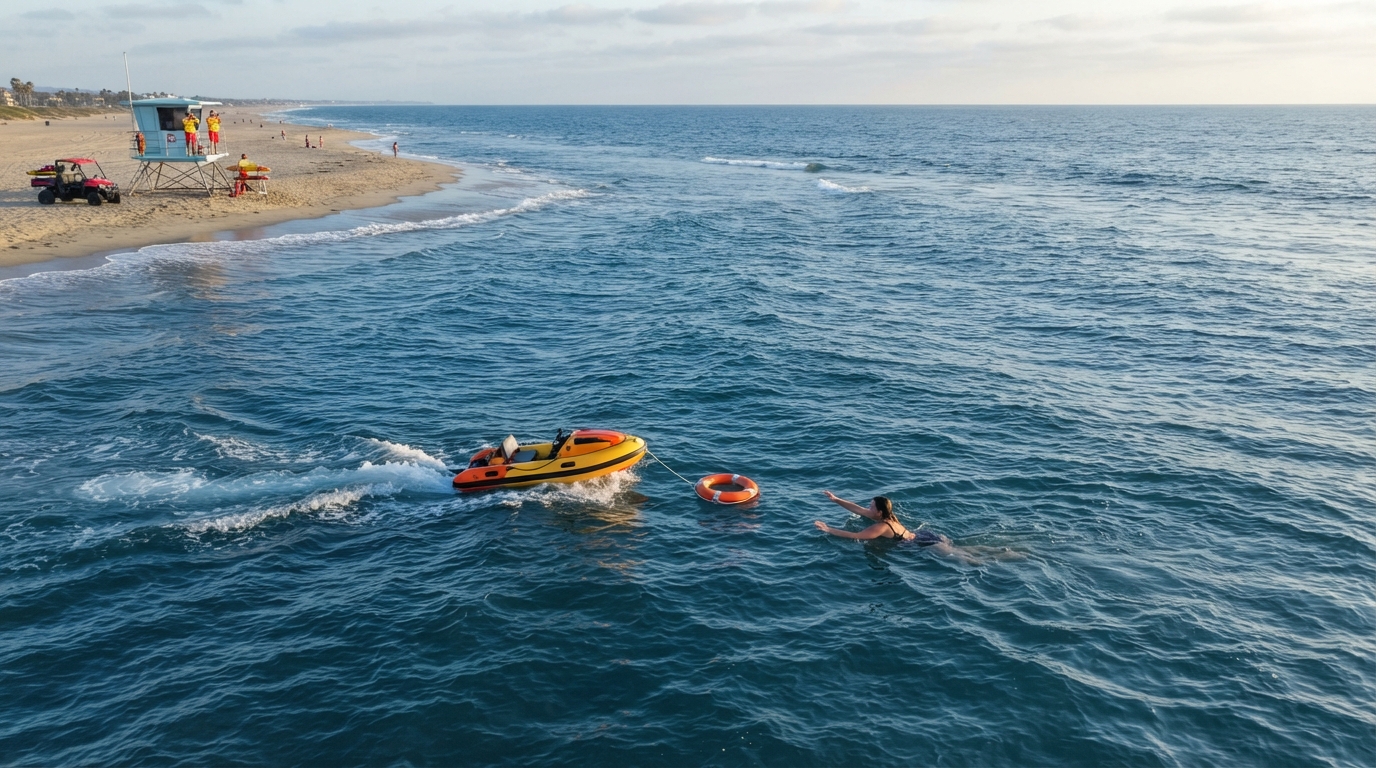
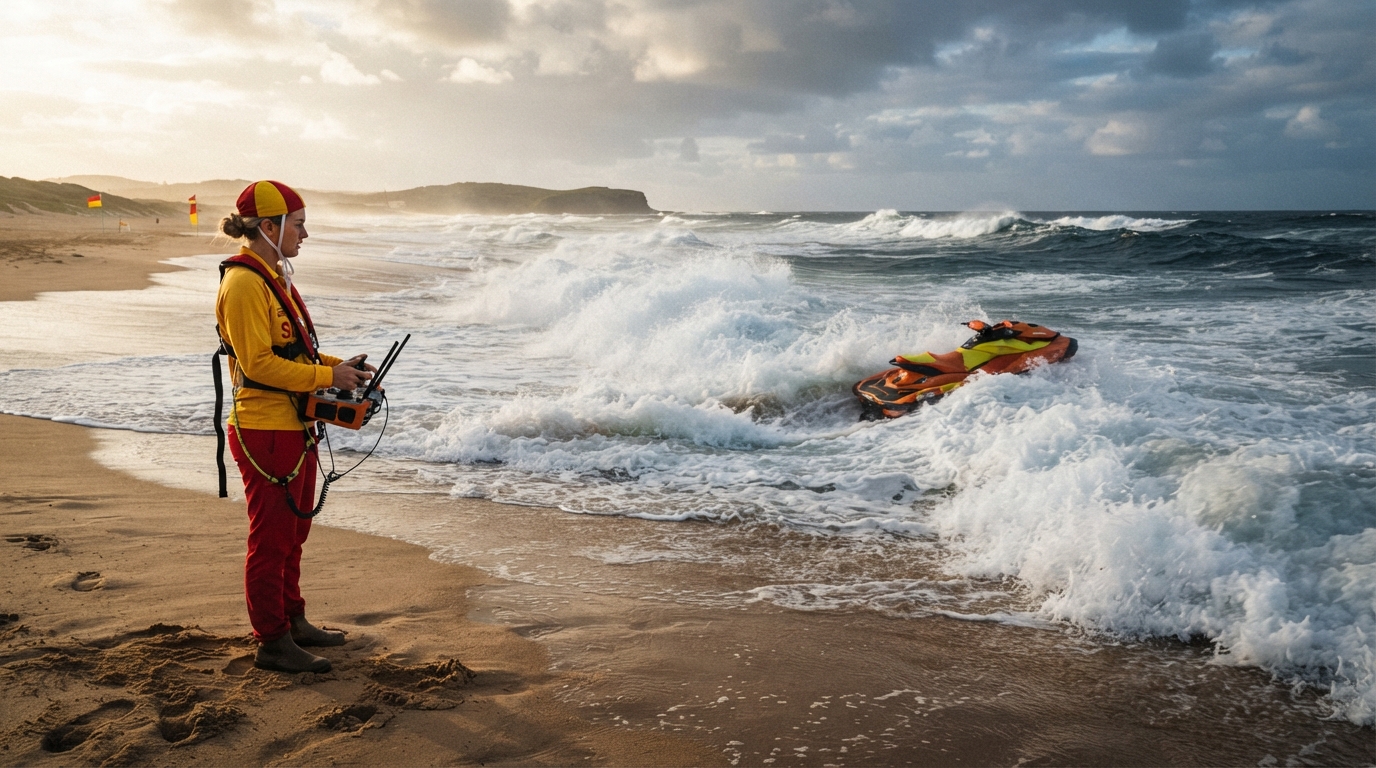
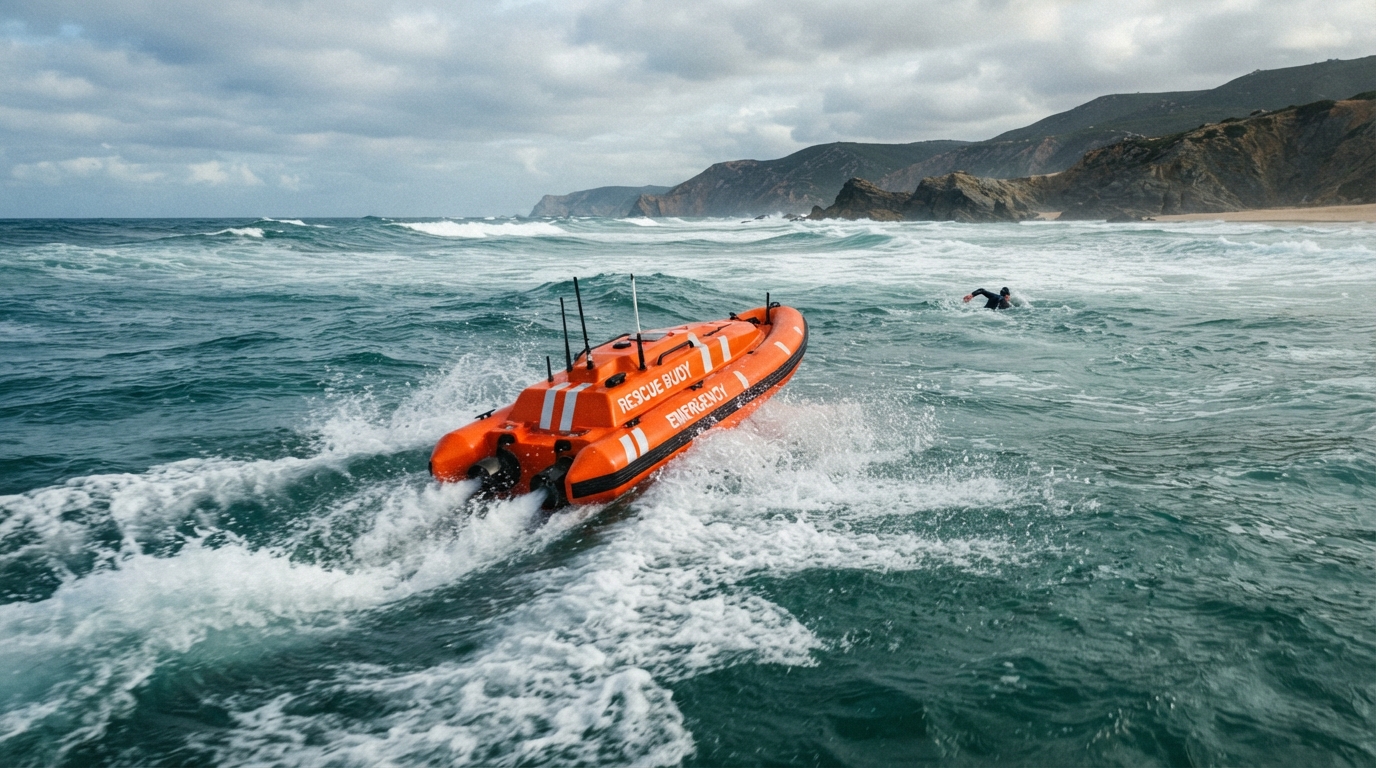
Remote Control Rescue Buoys (RCRBs) are often described as versatile rescue tools, but their true
While these methods have proven effective over time, they are inherently limited by physical capability,
Traditional rescue methods—while effective—often rely on direct human intervention, placing rescuers at risk and limiting
Electric surfboards are often introduced as a breakthrough in water sports because they remove dependence
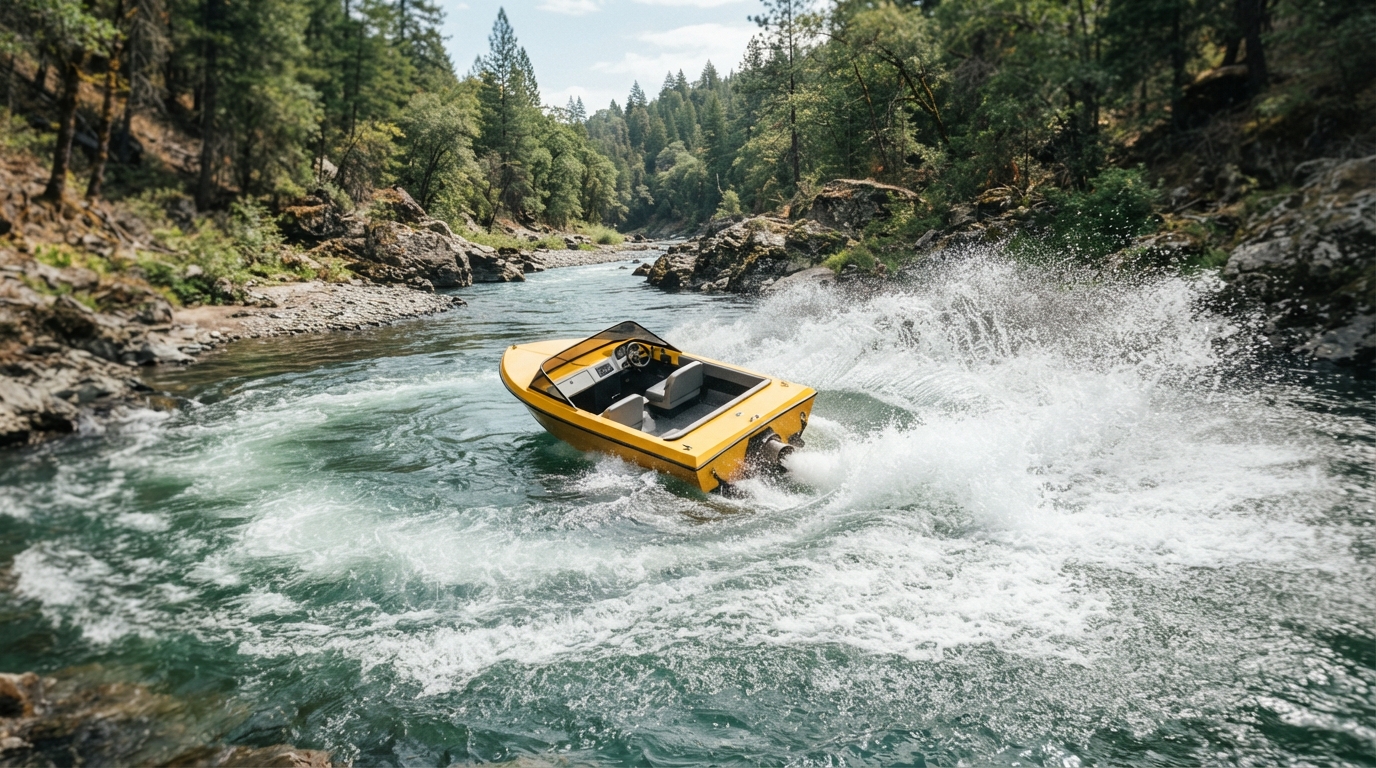
Mini jet boats are often discussed in terms of their size or propulsion system, but
While traditional vessels continue to serve a wide range of applications, a new category has
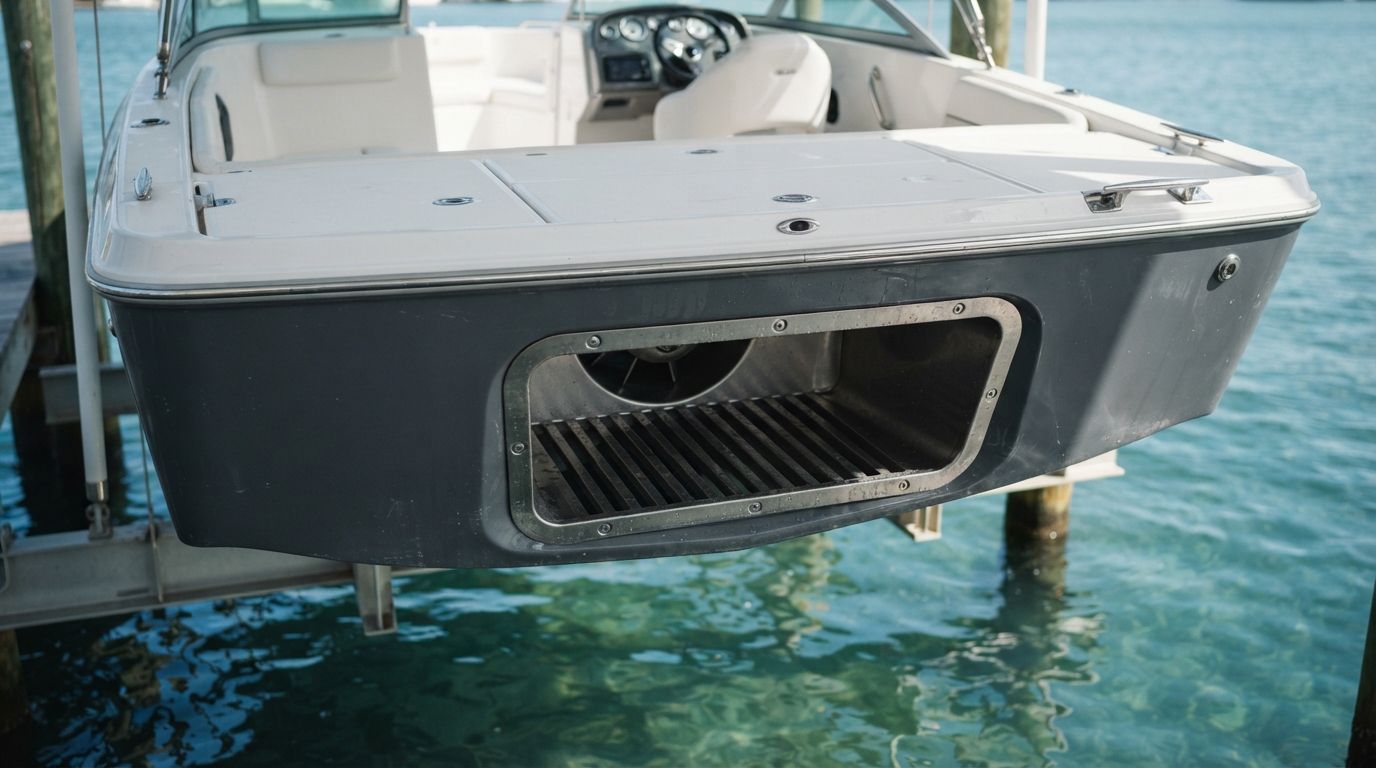
While these factors are important, one of the most significant safety considerations—particularly in shared water
In the growing interest surrounding mini jet boats, a parallel trend has emerged—home-built or kit-based
In the pursuit of performance, many buyers and builders fall into a familiar trap: the
Not assumptions based on component ratings. But real, factory-based, system-level testing conducted before a vessel
When these two elements are not correctly matched, the result is not merely reduced performance—it
What Electric Watercraft Warranties Actually Cover

A Practical Buyer’s Guide to Separating Real Protection from Marketing Promises In the world of

Total Cost of Ownership Over Five Years Electric Power vs Petrol Power in Real-World Australian Use

Introduction: Why Purchase Price Is the Least Important Number When Australians compare electric watercraft with

Professional-Grade vs Consumer Electric Watercraft

What the Labels Really Mean — and Why the Difference Matters More Than Price Introduction:

Power Thresholds and Licensing Explained in Australia

When Australians talk about boat licences, the conversation often sounds deceptively simple: “You only need

Import Compliance vs Grey Market Products

Why the Difference Matters Profoundly in Australia Introduction: Two Products That Look the Same —

How To Compare Electric Watercraft Properly

A Practical, Professional Buyer’s Guide for the Electric Era Introduction: Why Electric Watercraft Demand a

Why Certification Matters in Australia - A Practical, Legal and Safety Reality

Introduction: Certification Is Not Optional in Australia In Australia, certification is not a box-ticking exercise,

How Australian watercraft regulations differ by state

Australians often assume “boating law is boating law” and that once you’re licensed in one

Introduction: Why Most Buyers Look at the Wrong Things When buyers compare electric watercraft, they

Search