
Electric surfboards are often introduced as a breakthrough in water sports because they remove dependence on waves. While this is true, it only tells part of the story. The real advantage of electric surfboards lies in their ability to perform consistently across a wide range of environments—many of which were previously unsuitable for traditional surfing.
Understanding where electric surfboards perform best is essential for both buyers and operators. Performance is not uniform across all water conditions, and choosing the right environment directly influences safety, enjoyment, and long-term usability.
In Australia, with its diverse waterways—including lakes, rivers, estuaries, and coastal zones—electric surfboards open up opportunities that extend far beyond surf beaches. This article provides a detailed examination of where electric surfboards excel, why they perform well in those environments, and how users can maximise their experience.
The Key Advantage – Independence from Wave Energy
Traditional surfing is limited by wave conditions. Electric surfboards eliminate this limitation by generating their own propulsion. This means:
- performance is consistent
- usage is not restricted by swell
- environments previously unsuitable become viable
However, this does not mean all environments are equally ideal.
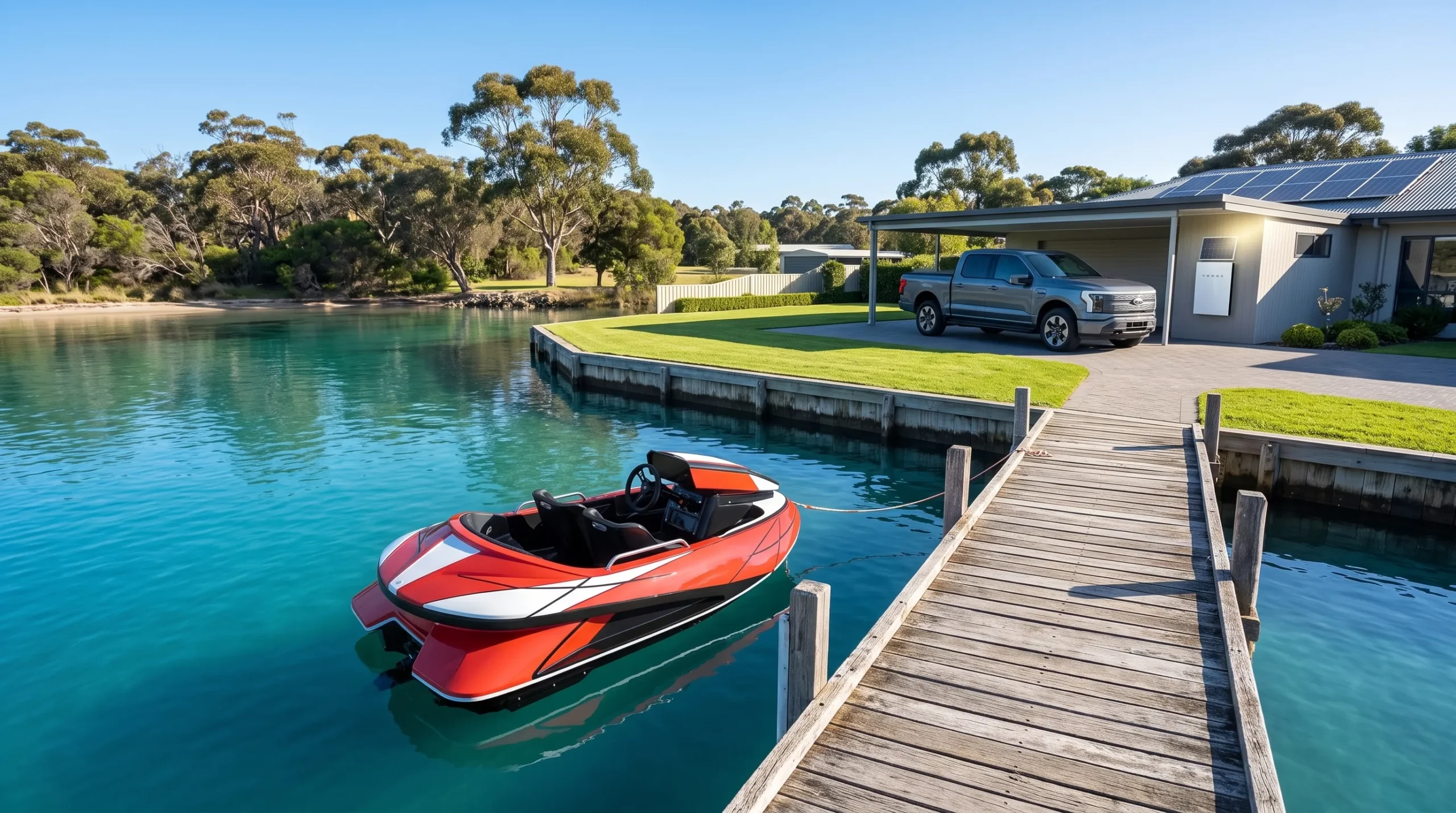
Lakes – One of the Best Environments
Why Lakes Are Ideal
Lakes offer:
- calm water surfaces
- minimal current
- predictable conditions
These characteristics create an ideal environment for electric surfboards.
Performance Benefits
In lakes:
- stability is maximised
- control is easier
- learning curve is reduced
This makes lakes particularly suitable for:
- beginners
- training
- casual recreational use
Commercial Advantages
For operators:
- predictable conditions reduce risk
- consistent experience improves customer satisfaction
- easier supervision
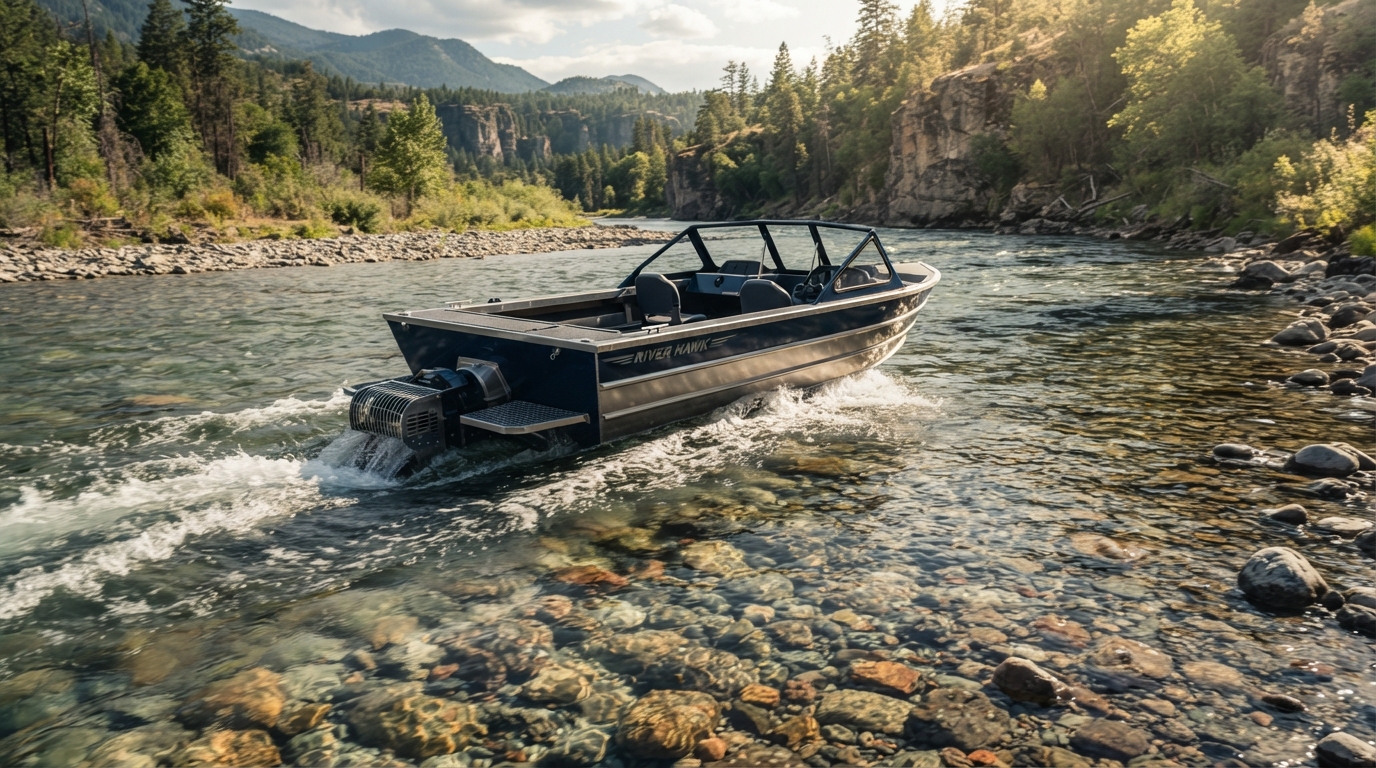
Rivers – Expanding the Possibilities
River Characteristics
Rivers vary significantly:
- calm sections
- flowing currents
- narrow channels
Where Electric Surfboards Work Best
Electric surfboards perform well in:
- slow-moving rivers
- wider sections
- controlled environments
Advantages
- access to inland areas
- unique riding experiences
- reduced competition for space
Considerations
Users must be aware of:
- current strength
- obstacles
- changing depth
Estuaries and Sheltered Coastal Areas
Ideal Coastal Conditions
Electric surfboards perform best in:
- sheltered bays
- estuaries
- low-swell coastal areas
Why These Work Well
These environments provide:
- moderate water movement
- manageable conditions
- open space
User Experience
Riders benefit from:
- extended range
- smooth operation
- consistent performance
Open Coastal Waters – Use with Caution
Challenges
Open ocean conditions may include:
- strong swell
- unpredictable waves
- wind-driven chop
Impact on Performance
Electric surfboards:
- become harder to control
- require greater skill
- may not perform optimally
Best Practice
Use only in:
- mild conditions
- with appropriate experience
Australian Conditions – A Unique Advantage
Australia’s geography offers:
- extensive lakes and rivers
- sheltered coastal regions
- favourable climate
Implication
Electric surfboards are particularly well suited to Australian environments due to:
- diversity of suitable locations
- long usage seasons
Safety Considerations Across Environments
Key Factors
- water conditions
- user skill level
- awareness of surroundings
Best Practices
- start in calm environments
- progress gradually
- understand local conditions
Choosing the Right Environment
Beginners
→ lakes or calm bays
Intermediate Users
→ rivers and estuaries
Advanced Users
→ controlled coastal environments
Conclusion
Electric surfboards perform best in calm and moderately controlled environments such as lakes, rivers, and sheltered coastal areas. Understanding where they excel allows users to maximise safety, enjoyment, and performance. In Australia, the availability of these environments makes electric surfboards a highly practical and versatile option.