
The Australian market for mini jet boats is entering a period of rapid growth. What was once considered a niche segment is now attracting serious attention from buyers seeking a more practical, flexible, and modern alternative to traditional boating.
Driven by advancements in technology, changing consumer expectations, and a desire for simpler ownership models, mini jet boats are becoming a significant force in recreational watercraft.
For anyone considering a purchase in 2026, understanding the category in depth is essential. This guide is designed to provide a clear, comprehensive overview—covering performance, construction, usability, costs, and what truly matters when making a decision.
Understanding What a Mini Jet Boat Really Is
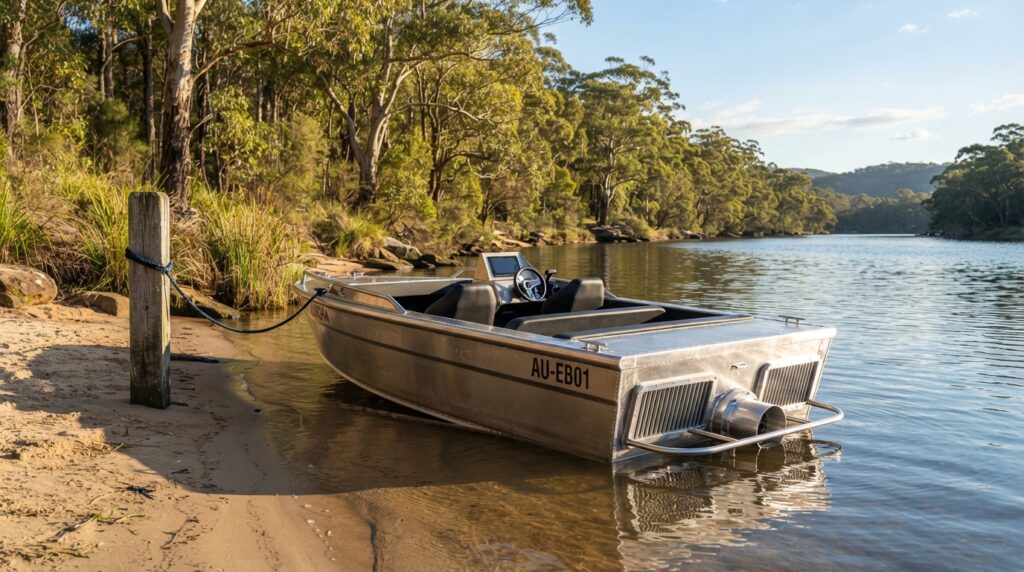
A mini jet boat is a compact, jet-propelled watercraft designed for recreational use. Unlike traditional boats that rely on propellers, these vessels use a jet drive system that draws water in and expels it at high speed to create thrust.
This fundamental difference has several important implications.
Mini jet boats are typically:
- Smaller and lighter than conventional boats
- More manoeuvrable in tight or shallow environments
- Easier to transport and store
- Simpler to operate for a wide range of users
They are designed for versatility, making them suitable for rivers, lakes, estuaries, and other inland waterways common across Australia.
Why the Australian Market Is Adopting Mini Jet Boats
Australia presents a unique environment for recreational boating.
The country offers:
- Extensive river systems
- Large inland lakes
- Coastal estuaries
- Remote and less-developed waterways
Traditional boats can be limited in these environments due to size, draft, and access requirements.
Mini jet boats, by contrast, are particularly well suited because they:
- Operate effectively in shallow water
- Can be transported easily to remote locations
- Require minimal infrastructure for launching
This combination of factors is driving strong interest across both urban and regional markets.
Key Buying Considerations for 2026
Purchasing a mini jet boat requires careful evaluation. The following factors are critical.
- 1. Power and Performance
Performance is often the first consideration for buyers.
Key aspects include:
- Motor output (typically measured in kW for electric models)
- Acceleration characteristics
- Top speed
However, performance should always be assessed in relation to intended use.
For example:
- Recreational cruising may not require maximum speed
- River navigation may prioritise manoeuvrability
- Family use may focus on stability and control
Understanding how the boat will be used is essential before evaluating performance specifications.
- 2. Electric vs Petrol – A Critical Decision
The market is increasingly shifting toward electric propulsion.
Electric mini jet boats offer:
- Lower operating costs
- Reduced maintenance
- Quiet operation
- Immediate torque delivery
Petrol models may still be available, but they come with:
- Higher ongoing costs
- More complex maintenance requirements
- Noise and emissions considerations
For most buyers in 2026, electric is becoming the preferred option.
- 3. Portability and Transport
One of the defining features of mini jet boats is portability.
Buyers should assess:
- Whether the boat can be transported without a trailer
- Ease of loading and unloading
- Vehicle compatibility
A model that can be transported in a ute or SUV offers significant advantages in convenience and cost.
- 4. Build Quality and Materials
Quality varies significantly across the market.
High-quality mini jet boats typically feature:
- Durable hull materials such as HDPE or reinforced composites
- Corrosion-resistant components
- Strong structural integrity
Lower-quality builds may reduce upfront cost but often result in:
- Reduced lifespan
- Increased maintenance
- Poor performance
Build quality should never be compromised.
- 5. Battery Performance and Range
For electric models, battery performance is a key consideration.
Important factors include:
- Runtime under typical conditions
- Charging time
- Battery weight and portability
Buyers should focus on real-world performance rather than theoretical maximums.
- 6. Intended Use and Lifestyle Fit
The best mini jet boat is one that aligns with how it will be used.
Common use cases include:
- Recreational outings
- Family activities
- Access to waterfront properties
- Exploration of rivers and lakes
Understanding intended use ensures that the chosen model meets practical requirements.
Cost Considerations – Looking Beyond the Purchase Price
Price is an important factor, but it should not be the only consideration.
Buyers should evaluate:
Initial Cost
The upfront purchase price varies depending on:
- Size and specifications
- Materials and construction
- Performance capabilities
Ongoing Costs
Electric mini jet boats offer advantages in this area:
- Lower energy costs compared to fuel
- Reduced maintenance requirements
- Fewer consumables
Total Cost of Ownership
A long-term perspective is essential.
A higher-quality boat with lower ongoing costs may offer better value over time than a cheaper alternative with higher maintenance requirements.
Common Mistakes Buyers Make
Many first-time buyers make avoidable errors.
Focusing Solely on Price
Choosing the lowest-cost option often leads to compromises in quality and performance.
Ignoring Transport Requirements
Failing to consider how the boat will be transported can result in inconvenience and additional costs.
Overlooking Build Quality
Inferior materials and construction can significantly reduce lifespan.
Underestimating Battery Needs
For electric models, insufficient battery capacity can limit usability.
Avoiding these mistakes is critical to making a sound investment.
The Importance of Supplier Credibility
Not all suppliers operate to the same standard.
Buyers should prioritise:
- Proven experience in the market
- Transparent and accurate specifications
- Clear warranty terms
- Reliable after-sales support
In a growing category, supplier credibility is one of the most important factors.
Safety Considerations
Safety is a key aspect of any watercraft purchase.
Mini jet boats offer several advantages:
- Jet propulsion reduces risks associated with exposed propellers
- Lightweight construction improves handling
- Simpler systems reduce mechanical failure risks
These features make them suitable for a wide range of users, including those new to boating.
Regulatory and Practical Considerations in Australia
Buyers should also be aware of:
- Local boating regulations
- Licensing requirements
- Safety equipment obligations
These may vary by state and should be confirmed prior to purchase.
Future Trends in the Mini Jet Boat Market
The market is expected to continue evolving rapidly.
Key trends include:
- Improved battery technology with longer runtime
- Greater model diversity
- Increased adoption across different user groups
- Continued shift toward electric propulsion
These developments will further strengthen the category.
Why 2026 Is a Key Year for Buyers
The current market represents an important opportunity.
Buyers in 2026 benefit from:
- Established product designs
- Proven technology
- Increasing availability of options
- Growing awareness and support
Entering the market at this stage allows buyers to take advantage of both maturity and growth.
Final Thoughts
Mini jet boats represent a significant shift in recreational boating in Australia.
They offer:
- Practicality
- Performance
- Flexibility
- Lower barriers to entry
For buyers seeking a modern alternative to traditional watercraft, they provide a compelling solution.
By focusing on performance, quality, transport, and intended use, buyers can make informed decisions that deliver long-term value and enjoyment.
See More at www.vectorwatercraft.com.au.