
The decision to purchase a mini jet boat is often driven by performance, accessibility, and the appeal of a more agile boating experience. However, beyond the initial excitement lies a more practical question—what does it actually cost to own one over time?
Many buyers focus primarily on the purchase price, but ownership cost extends well beyond that. It includes ongoing expenses, maintenance requirements, depreciation, and usability factors that ultimately determine whether the investment delivers value.
In Australia, these considerations are particularly important due to environmental conditions, geographic diversity, and usage patterns. This article provides a comprehensive, experience-based analysis of the real cost of owning a mini jet boat, helping buyers understand both short-term and long-term financial implications.
Understanding Total Cost of Ownership
Total cost of ownership is made up of three primary components:
- initial purchase cost
- ongoing operating expenses
- long-term maintenance and depreciation
Each of these must be considered together.
Initial Purchase Cost
Price Variation
Mini jet boats vary significantly in price depending on:
- propulsion system (electric vs petrol)
- build quality
- materials
- performance capability
Electric vs Petrol Entry Cost
Electric models often:
- have higher upfront cost
- include battery systems
Petrol models:
- may have lower entry price
- involve simpler initial setup
What Buyers Often Miss
Lower purchase price does not always mean lower total cost.
Operating Costs – Where the Real Difference Emerges
Fuel vs Electricity
Petrol systems:
- require ongoing fuel purchases
- are subject to price fluctuations
Electric systems:
- require charging
- significantly lower cost per use
Usage Frequency Impact
The more frequently the boat is used:
- petrol costs increase proportionally
- electric systems become more cost-efficient
Maintenance Costs
Petrol Systems
Require:
- regular servicing
- engine maintenance
- fuel system care
Electric Systems
Require:
- battery management
- minimal mechanical servicing
Cost Comparison
Over time:
- petrol systems incur higher maintenance cost
- electric systems offer lower servicing requirements
Battery Replacement (Electric Models)
Reality of Battery Lifespan
Batteries degrade over time.
Factors include:
- usage
- charging practices
- environmental conditions
Cost Consideration
Battery replacement is:
- a major cost factor
- but infrequent when properly maintained
Mitigation
Proper battery care (see battery articles) significantly extends lifespan.
Depreciation and Resale Value
Depreciation Factors
- build quality
- brand reputation
- condition
Electric vs Petrol
Electric models may:
- retain value due to demand
- benefit from future trends
Storage and Transport Costs
Mini Jet Boat Advantage
Compared to larger boats:
- lower storage requirements
- easier transport
Australian Context
Buyers often:
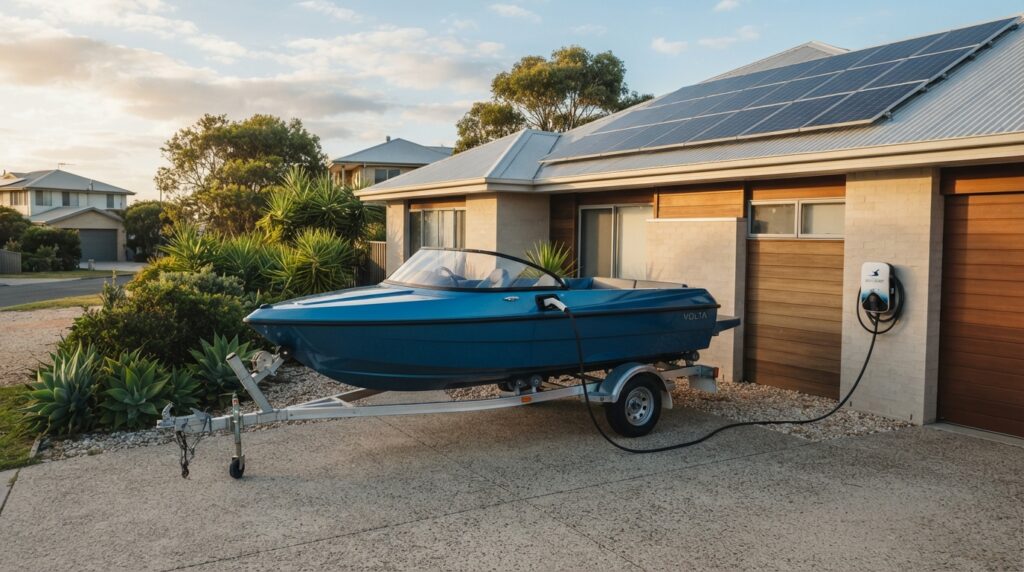
- store at home
- transport to waterways
Mini jet boats reduce associated costs.
Insurance and Registration
Insurance
Costs vary based on:
- value of boat
- usage
Registration
Depends on:
- local regulations
- type of vessel
Hidden Costs Buyers Often Overlook
Maintenance Time
Even simple systems require attention.
Accessories
Safety equipment, transport gear, etc.
Learning Curve
Time investment in operation and handling.
Long-Term Value – The Key Perspective
What Determines Value
- usability
- reliability
- frequency of use
Electric Advantage Over Time
Lower operating cost and maintenance often result in:
- better long-term value
Commercial Considerations
For operators:
- operating cost directly impacts profitability
- electric systems often provide stronger margins
Decision Framework
Lower Initial Budget
→ petrol may appear attractive
Long-Term Ownership
→ electric often more efficient
Conclusion
The real cost of owning a mini jet boat extends far beyond the purchase price. When operating costs, maintenance, and long-term value are considered, electric systems often provide a compelling advantage. However, the right choice ultimately depends on usage patterns and priorities.
Understanding these costs ensures buyers make informed decisions that deliver both performance and financial value.