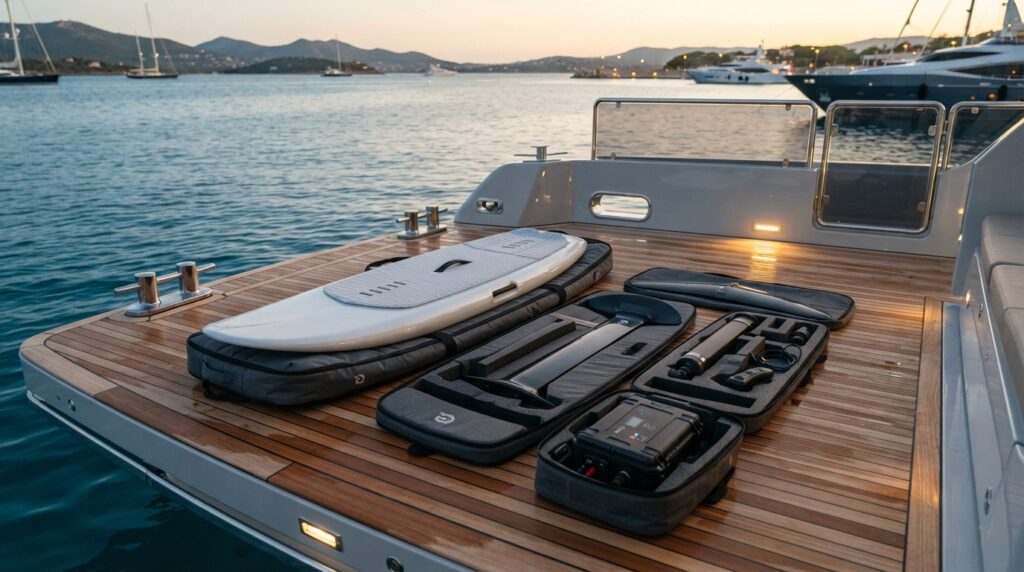

E-foil boards are often positioned as premium watercraft, and at first glance, their price reflects this. However, focusing solely on the upfront cost does not provide an accurate picture of ownership. As with any specialised equipment, the true financial impact emerges over time through usage, maintenance, energy consumption, and long-term performance.
For Australian users, these factors are particularly important. Environmental conditions, frequency of use, and storage considerations all influence how an e-foil performs and how much it costs to own. This article provides a comprehensive analysis of the real cost of owning an e-foil board, focusing on practical, real-world considerations rather than headline figures.
Understanding Total Cost of Ownership
Total cost of ownership consists of:
- initial purchase price
- operating costs
- maintenance and servicing
- battery lifecycle
- depreciation and resale value
Each of these elements contributes to the overall financial outcome.
Initial Purchase Cost
Why E-Foils Are Premium Products
E-foil boards incorporate:
- hydrofoil systems
- electric propulsion
- advanced battery technology
- specialised materials
This combination results in:
- higher manufacturing complexity
- premium pricing
What Influences Price
Key factors include:
- motor power
- battery capacity
- build quality
- design sophistication
Australian Market Context
In Australia:
- imported technology influences pricing
- premium positioning is maintained
Operating Costs – A Key Advantage
Electric Charging vs Fuel
E-foils operate on electricity, not fuel.
This results in:
- lower per-use cost
- predictable operating expenses
Cost Per Session
Compared to petrol-based watercraft:
- significantly lower running cost
- minimal consumables
Battery Lifecycle – The Critical Factor
Battery Degradation
All lithium batteries:
- degrade over time
- lose capacity gradually
Factors Affecting Lifespan
- charging practices
- storage conditions
- temperature exposure
- usage intensity
Replacement Considerations
Battery replacement is:
- a major cost event
- infrequent when properly managed
Extending Battery Life
Proper care (as outlined in battery articles):
- significantly delays replacement
- maintains performance
Maintenance Requirements
Mechanical Simplicity
E-foils have:
- fewer moving parts
- no combustion engine
- reduced mechanical complexity
Routine Maintenance
Includes:
- cleaning after use
- inspection of foil and components
- battery management
Cost Impact
Lower maintenance requirements result in:
- reduced long-term cost
- less downtime
Storage and Handling Costs
Temperature Sensitivity
Battery systems require:
- controlled storage conditions
- avoidance of heat exposure
Transport Considerations
E-foils must be:
- handled carefully
- protected during transport
Depreciation and Resale Value
Factors Influencing Value
- condition
- usage history
- technological relevance
Market Trends
Growing demand may:
- support resale values
- maintain interest
Cost vs Value Perspective
Frequency of Use
Higher usage:
- improves value
- reduces cost per session
Experience Value
E-foils provide:
- unique experience
- premium positioning
Commercial Use Perspective
Revenue Potential
For operators:
- premium pricing
- strong customer interest
Cost Efficiency
Lower operating costs improve:
- margins
- profitability
Australian Conditions – Financial Impact
Heat
Improper storage increases:
- degradation
- cost
Usage Patterns
Consistent use improves:
- value
- return on investment
Common Financial Mistakes
- focusing only on purchase price
- neglecting battery care
- underestimating usage impact
Long-Term Ownership Strategy
To maximise value:
- maintain battery correctly
- store properly
- use consistently
Conclusion
While e-foil boards require a higher initial investment, their lower operating costs, reduced maintenance requirements, and strong usage potential can deliver favourable long-term value. Understanding the full cost structure allows buyers to make informed decisions that align with both performance expectations and financial outcomes.