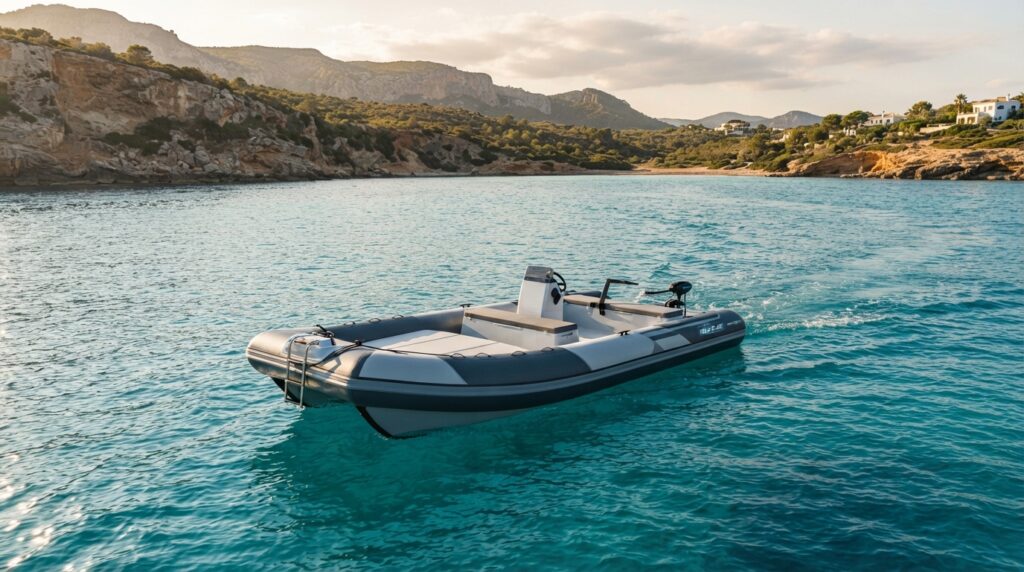
The boating industry has traditionally been dominated by rigid-hull vessels—fibreglass, aluminium, and larger offshore-capable craft designed for performance, durability, and long-term ownership. However, over the past two decades, inflatable boats have steadily gained ground, evolving from simple utility craft into highly capable and widely adopted alternatives.
What was once considered a secondary option is now a serious contender across multiple segments of the market. This shift raises an important question: are inflatable boats simply an alternative, or do they represent a fundamental change in how people approach boating—particularly in Australia?
To answer this properly, it is necessary to examine broader trends: changes in consumer behaviour, technological developments, economic factors, and the unique characteristics of Australian waterways. This article provides a comprehensive analysis of where inflatable boats sit today and where they are likely heading.
The Changing Nature of Recreational Boating
Traditional Ownership Model
Historically, boating has involved:
- significant upfront investment
- ongoing maintenance costs
- storage requirements
- long-term commitment
Limitations of This Model
For many potential users, these factors create barriers:
- cost
- complexity
- logistical requirements
Shift in Consumer Expectations
Modern users increasingly seek:
- simplicity
- flexibility
- lower commitment
- ease of use
Why Inflatable Boats Align with Modern Trends
Inflatable boats address many of these evolving expectations.
Accessibility
- lower entry cost
- minimal infrastructure required
Portability
- can be transported easily
- no trailer required for many models
Ease of Ownership
- reduced maintenance
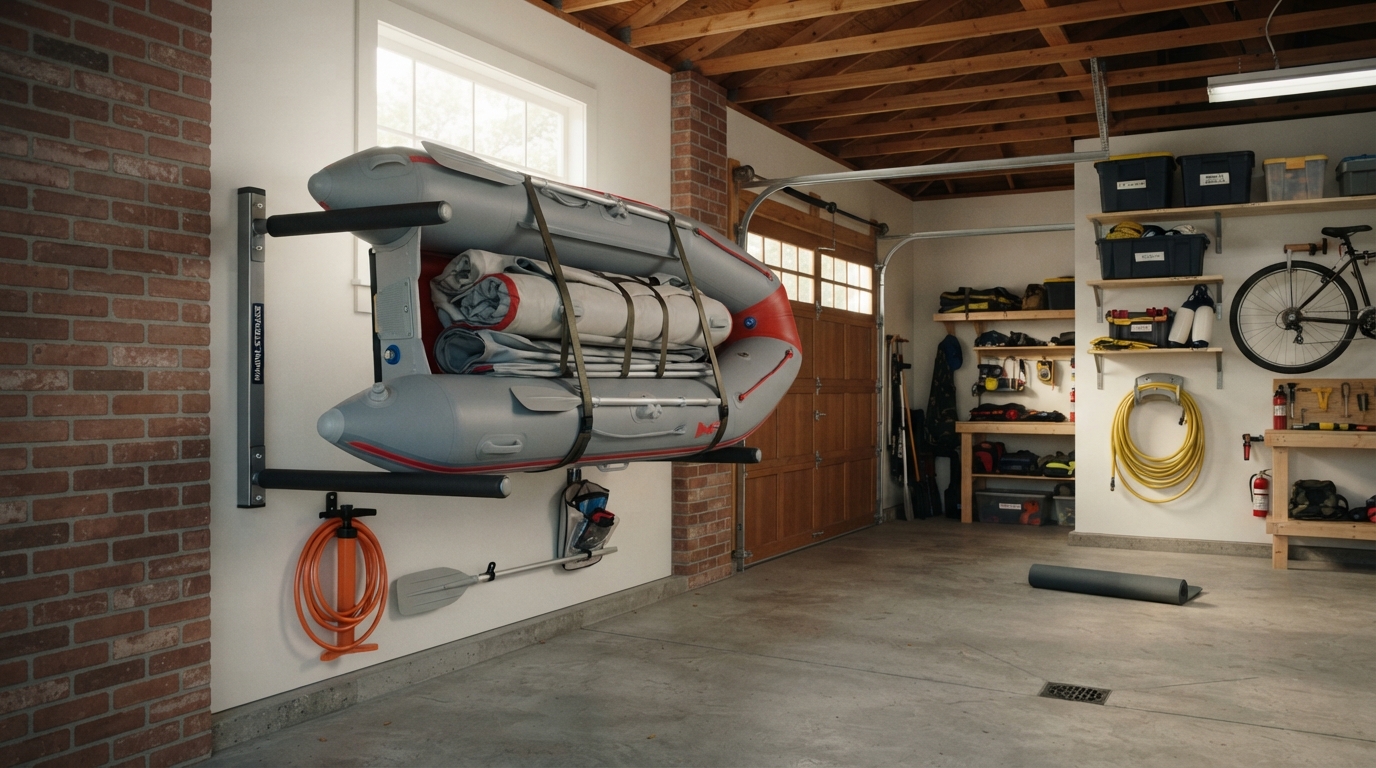
- simple storage
Flexibility
- suitable for multiple environments
- adaptable to different uses
Technological Advancements Driving Growth
Material Improvements
Modern inflatable boats use:
- reinforced PVC
- Hypalon (CSM)
- multi-layer fabrics
Impact
- increased durability
- longer lifespan
- improved resistance to UV and abrasion
Structural Design Improvements
- better hull shapes
- improved rigidity
- enhanced stability
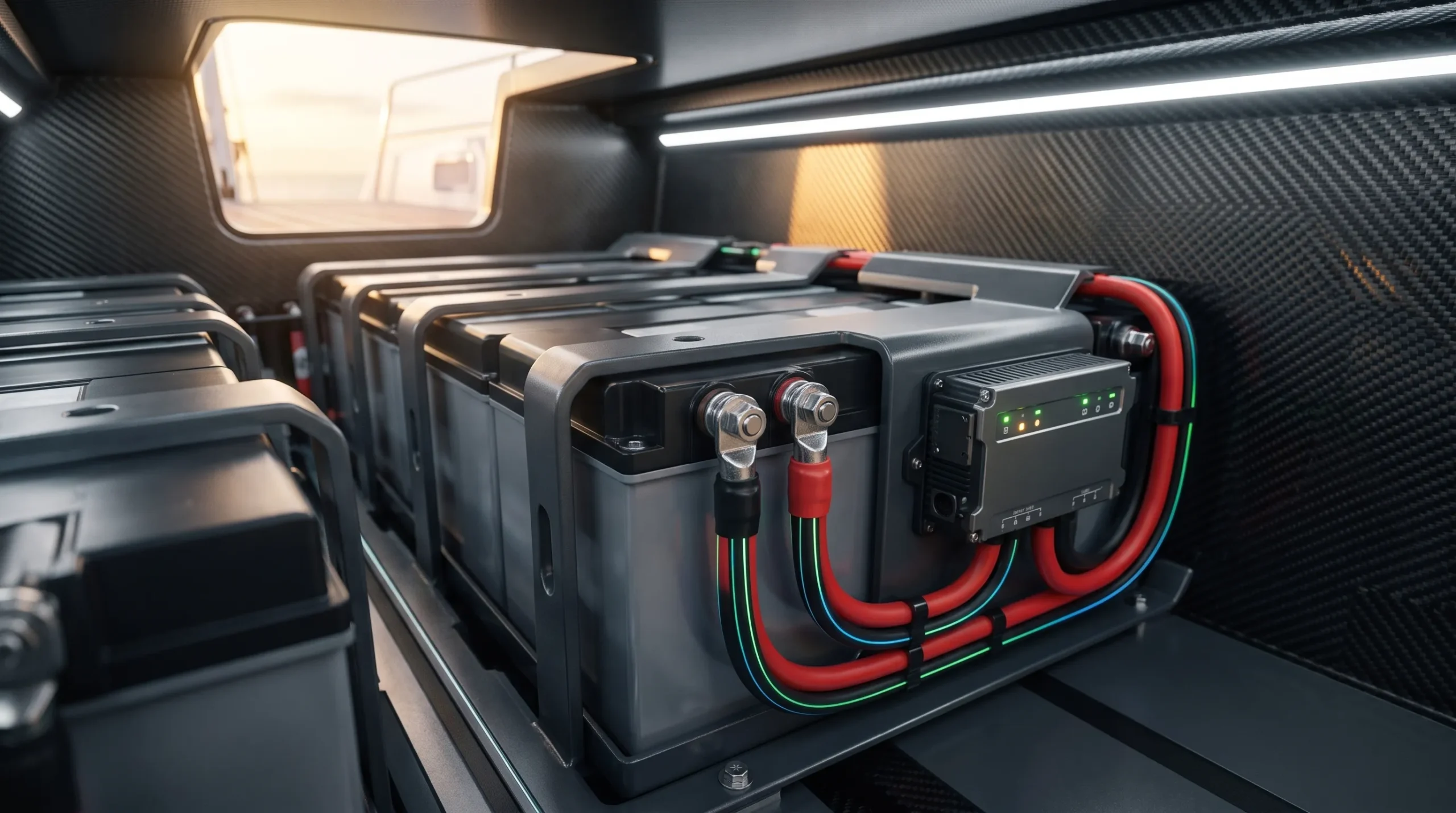
Integration with Electric Propulsion
A significant trend is the pairing of inflatable boats with:
- electric outboards
- battery-powered systems
Why This Matters
- quieter operation
- lower running costs
- alignment with environmental trends
Economic Factors Supporting Adoption
Cost Sensitivity
Rising costs in traditional boating:
- purchase price
- maintenance
- fuel
Inflatable Advantage
- lower total cost of ownership
- reduced ongoing expenses
Practical Outcome
More people can:
- enter boating
- use boats more frequently
Australian Market – A Unique Advantage
Australia provides ideal conditions for inflatable boats due to:
- extensive coastline
- numerous inland waterways
- varied access points
Key Factors
- many locations lack formal boat ramps
- distances between waterways vary
- storage space is often limited
Implication
Inflatable boats are particularly suited to:
- Australian lifestyle
- flexible use patterns
Growth in Recreational Use
Fishing
Inflatable boats are increasingly used for:
- freshwater fishing
- estuary fishing
- short coastal trips
Family Recreation
- safe
- stable
- easy to manage
Exploration
- access to remote or shallow areas
Commercial and Professional Applications
Inflatable boats are also expanding in:
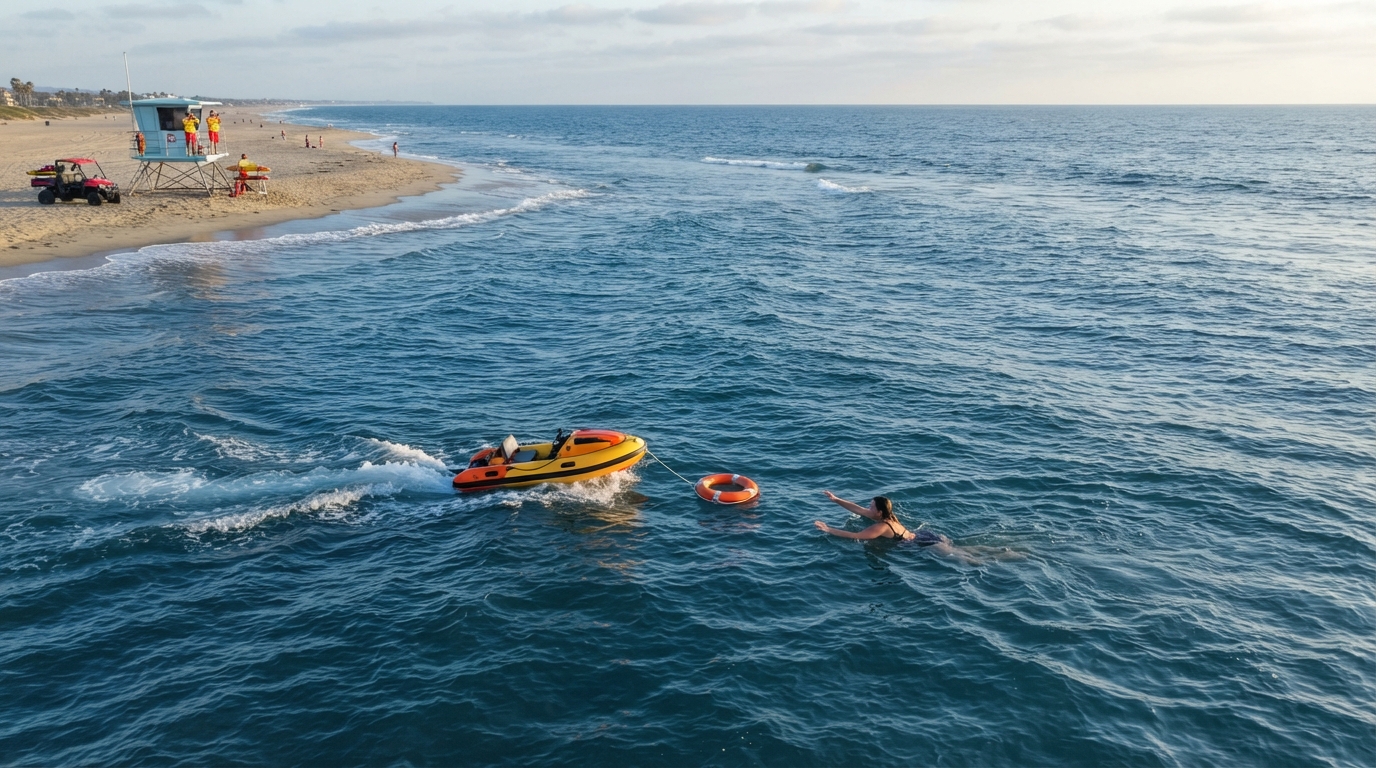
- marine services
- inspections
- tourism
Why They Work
- quick deployment
- low cost
- adaptable
Comparison with Traditional Boats – Future Outlook
Traditional boats will remain dominant for:
- offshore use
- high-performance applications
- long-distance travel
However, inflatable boats will continue to grow in:
- recreational use
- short-range applications
- flexible ownership models
Environmental Considerations
Electric Integration
- reduced emissions
- quieter operation
Material Improvements
- longer-lasting materials
- reduced waste
Barriers to Adoption
Perception
Some users still believe inflatable boats are:
- less durable
- temporary
Reality
Modern designs have largely overcome these concerns.
Performance Limits
Inflatable boats are not suited to:
- extreme offshore conditions
- heavy-duty long-range use
Long-Term Market Direction
Short-Term (1–3 Years)
- continued growth
- increasing awareness
Medium-Term (3–7 Years)
- wider adoption
- improved materials and designs
Long-Term (7+ Years)
- strong integration into mainstream boating
- expanded commercial use
Strategic Perspective
Inflatable boats represent:
- a shift toward practical boating
- increased accessibility
- reduced barriers to entry
Conclusion
Inflatable boats are not replacing traditional boats—but they are redefining a significant portion of the boating market. In Australia, where flexibility, accessibility, and cost efficiency are highly valued, they are positioned for continued growth. Advances in materials, design, and electric propulsion will further strengthen their role, making them an increasingly important part of the future of recreational boating.