
When evaluating inflatable boats, one of the most attractive aspects is their perceived affordability. Compared to traditional boats, they are often marketed as a low-cost entry into boating. While this is broadly true, focusing only on the purchase price provides an incomplete picture. The true cost of ownership includes not only the initial investment but also ongoing expenses, maintenance, storage, and long-term value.
For Australian users, these factors are particularly important due to environmental conditions, usage patterns, and access to waterways. Understanding the full financial picture ensures that buyers make informed decisions and avoid unexpected costs.
This article provides a detailed breakdown of the real cost of inflatable boats, examining both short-term and long-term financial considerations.
Initial Purchase Cost
Price Range Factors
The cost of an inflatable boat varies based on:
- size
- material quality
- construction type
- included components
General Market Position
Inflatable boats are typically:
- more affordable than rigid boats
- accessible to a wide range of users
Australian Market Considerations
Prices may be influenced by:
- import costs
- material quality
- brand positioning
What You Get for the Price
Purchase typically includes:
- boat structure
- inflation system
- basic accessories
Additional costs may include:
- motor
- safety equipment
Operating Costs
Fuel vs Electric Options
- petrol outboards → ongoing fuel cost
- electric motors → lower operating cost
Cost Per Use
Inflatable boats generally:
- have low operating costs
- require minimal consumables
Maintenance Costs
Routine Maintenance
- cleaning after use
- checking seams and valves
- inspecting materials
Material-Specific Maintenance
PVC:
- requires UV protection
Hypalon:
- more durable
- lower maintenance
Cost Impact
- relatively low compared to rigid boats
Storage Costs
Traditional Boats
- require storage space
- often involve fees
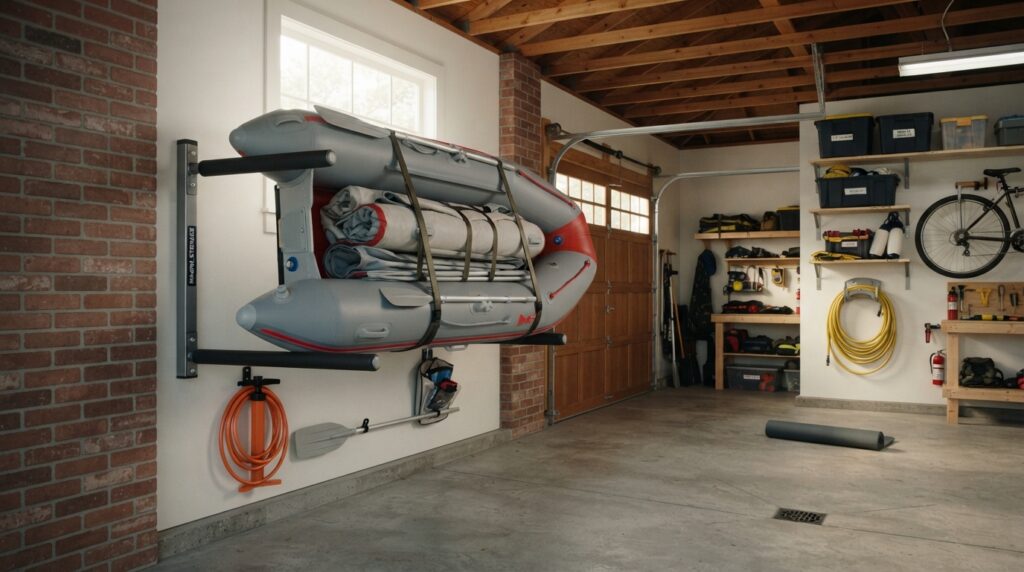
Inflatable Boats
- can be deflated
- stored in small areas
Impact
Significant cost savings over time.
Transport Costs
Inflatable boats:
- do not require trailers (in many cases)
- reduce transport expenses
Depreciation and Resale Value
Factors Affecting Value
- condition
- material quality
- usage
Market Trends
Quality inflatable boats:
- retain value reasonably well
Long-Term Value
Key Consideration
Value is determined by:
- frequency of use
- maintenance discipline
Practical Outcome
Regular use improves:
- cost efficiency
- return on investment
Commercial Perspective
For operators:
- low setup cost
- flexible deployment
- minimal overhead
Australian Context
Environmental factors such as:
- sun exposure
- saltwater
require:
- proper care
- regular maintenance
Common Cost Mistakes
- choosing lowest price over quality
- neglecting maintenance
- underestimating environmental impact
Maximising Value
To achieve best results:
- choose appropriate material
- maintain regularly
- store correctly
Conclusion
Inflatable boats offer a highly cost-effective entry into boating, particularly in Australia where storage and transport advantages are significant. When total cost of ownership is considered—including maintenance, storage, and operating costs—they often provide superior value compared to traditional boats.