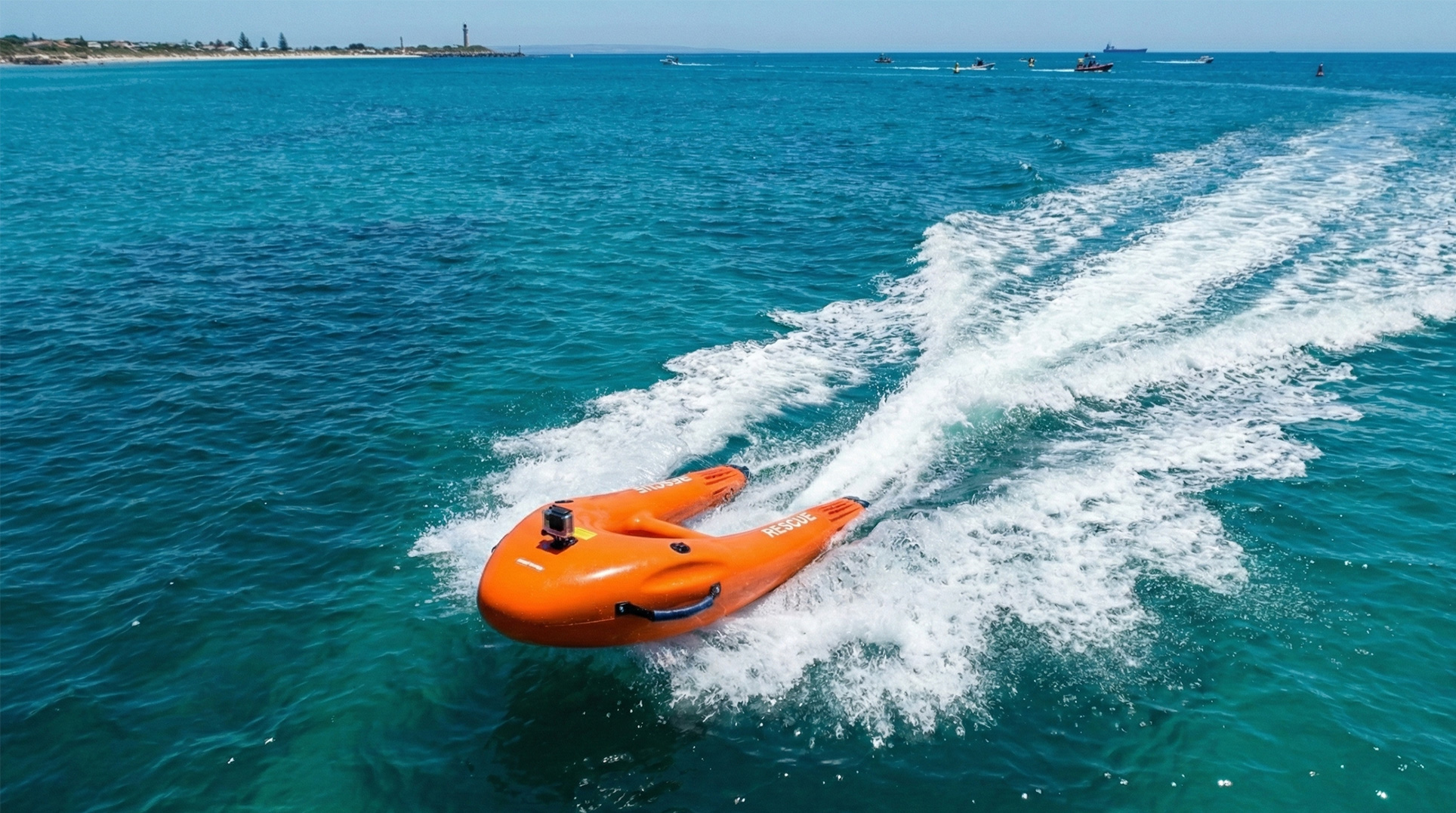
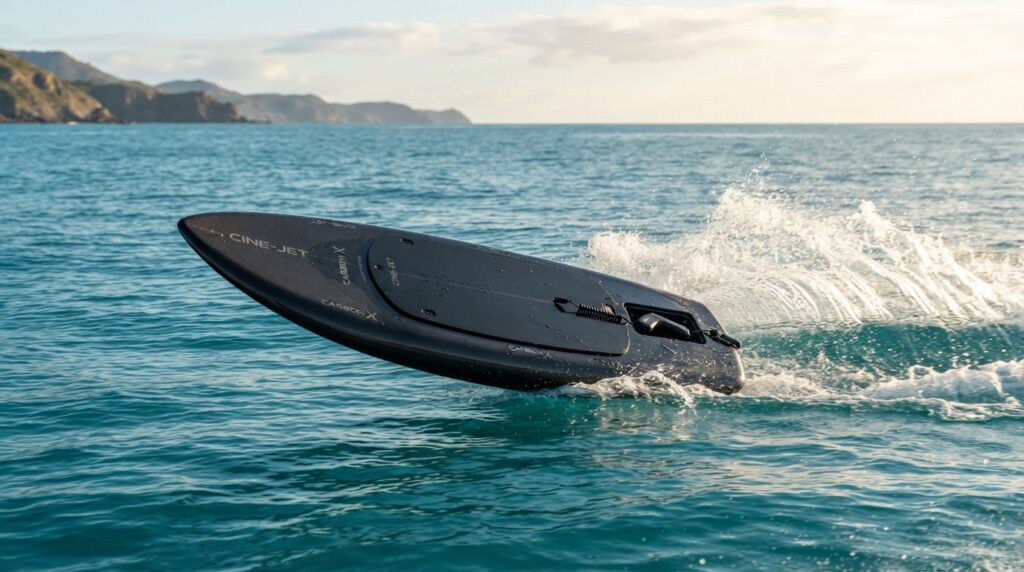

Electric surfboards—often referred to as e-surfboards—represent one of the most significant innovations in modern water sports. Unlike traditional surfing, which relies on waves, wind, or towing, electric surfboards are powered by integrated propulsion systems that allow riders to glide across the water independently.
This shift is more than just technological. It fundamentally changes who can participate, where the activity can take place, and how water sports are experienced. In Australia, where coastal lifestyle and water recreation are deeply embedded in everyday life, electric surfboards are gaining attention as both a recreational and commercial opportunity.
This article provides a comprehensive overview of electric surfboards, focusing on how they work, how they perform, and why they are reshaping the water sports landscape.
Understanding the Core Concept
An electric surfboard is a board equipped with:
- an electric motor
- a battery system
- a propulsion mechanism (jet or propeller system)
- a handheld or wireless control
This system allows the rider to:
- accelerate
- maintain speed
- control movement
without relying on external forces such as waves.
How Electric Surfboards Work
Propulsion System
Most electric surfboards use either:
- jet propulsion
- propeller-driven systems
Jet systems are generally preferred due to:
- safety (no exposed propeller)
- smoother operation
- reduced risk in shallow water
Battery and Power Delivery
Lithium battery systems provide:
- high energy density
- consistent power output
These systems are:
- rechargeable
- integrated into the board design
Control Mechanism
Riders control the board using:
- handheld remote
- wireless throttle
This allows:
- precise speed control
- gradual acceleration
- responsive handling
Performance Characteristics
Speed
Electric surfboards can achieve:
- moderate to high speeds
- depending on model and power output
Acceleration
Electric motors provide:
- instant torque
- smooth acceleration
Handling
Handling depends on:
- board design
- rider skill
- water conditions
Where Electric Surfboards Perform Best
Calm Waters
- lakes
- bays
- sheltered coastal areas
Moderate Conditions
- light chop
- controlled environments
Limitations
Not designed for:
- heavy surf
- rough offshore conditions
Why Electric Surfboards Are Growing in Popularity
Independence from Waves
One of the biggest advantages:
- no reliance on wave conditions
This allows:
- consistent use
- broader accessibility
Accessibility for New Users
Electric surfboards:
- reduce learning barrier
- allow beginners to participate
Extended Use Opportunities
Unlike traditional surfing:
- can be used in varied locations
- not limited to surf beaches
Australian Context – A Strong Fit
Coastal Lifestyle
Australia’s coastline provides:
- ideal environments
- strong cultural alignment
Inland Waterways
Electric surfboards expand use into:
- lakes
- rivers
Market Demand
Growing interest in:
- new water sports
- experience-based recreation
Commercial Opportunities
Hire Operations
Electric surfboards:
- attract attention
- offer premium experiences
Tourism
- unique activity
- strong appeal
Advantages of Electric Surfboards
- independence from waves
- strong performance
- broad usability
Limitations to Consider
- battery limitations
- environmental sensitivity
- learning curve for control
Future Development
Electric surfboards are evolving toward:
- improved battery systems
- greater efficiency
- enhanced safety
Conclusion
Electric surfboards represent a major shift in water sports, offering independence, accessibility, and performance in a compact form. For Australian users, they open new opportunities for recreation and commercial activity across a wide range of environments.