
Inflatable boats have undergone a remarkable transformation over the past several decades. Once viewed as basic, temporary craft used primarily for emergencies or casual recreation, they have evolved into highly capable, durable, and versatile vessels used across a wide range of applications. Today, inflatable boats are used for everything from recreational fishing and coastal exploration to commercial operations, rescue work, and transport.
Despite their growing popularity, many people still underestimate what modern inflatable boats are capable of. The perception that they are fragile, short-lived, or limited in performance is outdated. Advances in materials, construction methods, and design have elevated inflatable boats into a serious category of watercraft.
In Australia, where boating is deeply embedded in lifestyle and geography, inflatable boats offer a practical and highly adaptable solution. From inland waterways to coastal environments, they provide accessibility, ease of use, and cost-effective entry into boating.
This article provides a comprehensive guide to inflatable boats, covering their design, materials, construction, and real-world applications in Australian conditions.
What Defines an Inflatable Boat
At its core, an inflatable boat is a vessel that relies on air-filled chambers for buoyancy rather than a traditional solid hull structure.
Key Components
- inflatable tubes (main buoyancy structure)
- rigid or semi-rigid floor/hull
- transom for motor mounting
- valves and inflation system
Modern Reality
Modern inflatable boats are:
- structurally engineered
- highly durable
- capable of handling demanding conditions
Types of Inflatable Boats
- 1. Soft-Bottom Inflatable Boats
These are:
- fully inflatable including floor
- lightweight
- highly portable
Best Use
- calm water
- short trips
- entry-level boating
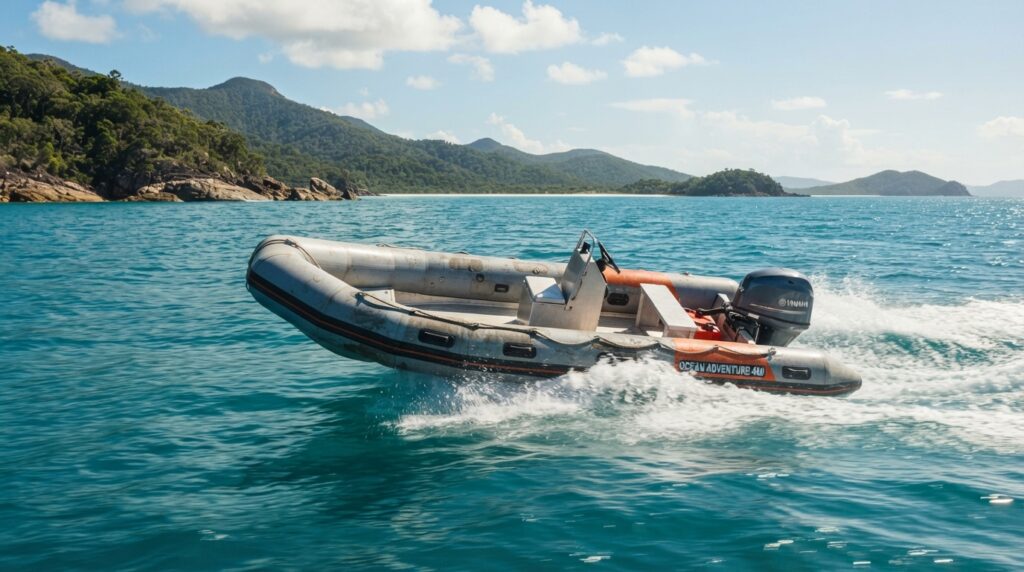
- 2. Rigid Inflatable Boats (RIBs)
These combine:
- rigid hull
- inflatable tubes
Advantages
- improved performance
- better stability
- higher speed capability
- 3. Foldable and Modular Designs
Designed for:
- easy transport
- compact storage
Materials Used in Modern Inflatable Boats
PVC (Polyvinyl Chloride)
Common in recreational models:
- lightweight
- cost-effective
Hypalon (CSM)
Higher-end material:
- more resistant to UV
- better durability
- longer lifespan
Reinforced Fabrics
Modern materials include:
- multi-layer construction
- abrasion-resistant coatings
Durability â Addressing the Biggest Misconception
Common Concern
Many assume inflatable boats are:
- fragile
- easily punctured
Reality
Modern inflatable boats are:
- highly durable
- resistant to impact
- designed for harsh conditions
Multi-Chamber Design
Even if one chamber is compromised:
- others maintain buoyancy
Performance Characteristics
Stability
Inflatable boats offer:
- reduced risk of tipping
Buoyancy
- high buoyancy relative to size
- supports weight effectively
Speed
Depends on:
- hull type
- motor size
Handling
- responsive
- predictable
Why Inflatable Boats Suit Australian Conditions
Australia offers:
- diverse waterways
- strong boating culture
- variable conditions
Key Advantages
- easy transport (no trailer required for smaller models)
- quick setup
- adaptable to multiple environments
Applications of Inflatable Boats
Recreational Use
- fishing
- exploring
- family outings
Commercial Use
- marine support
- transport
- inspections
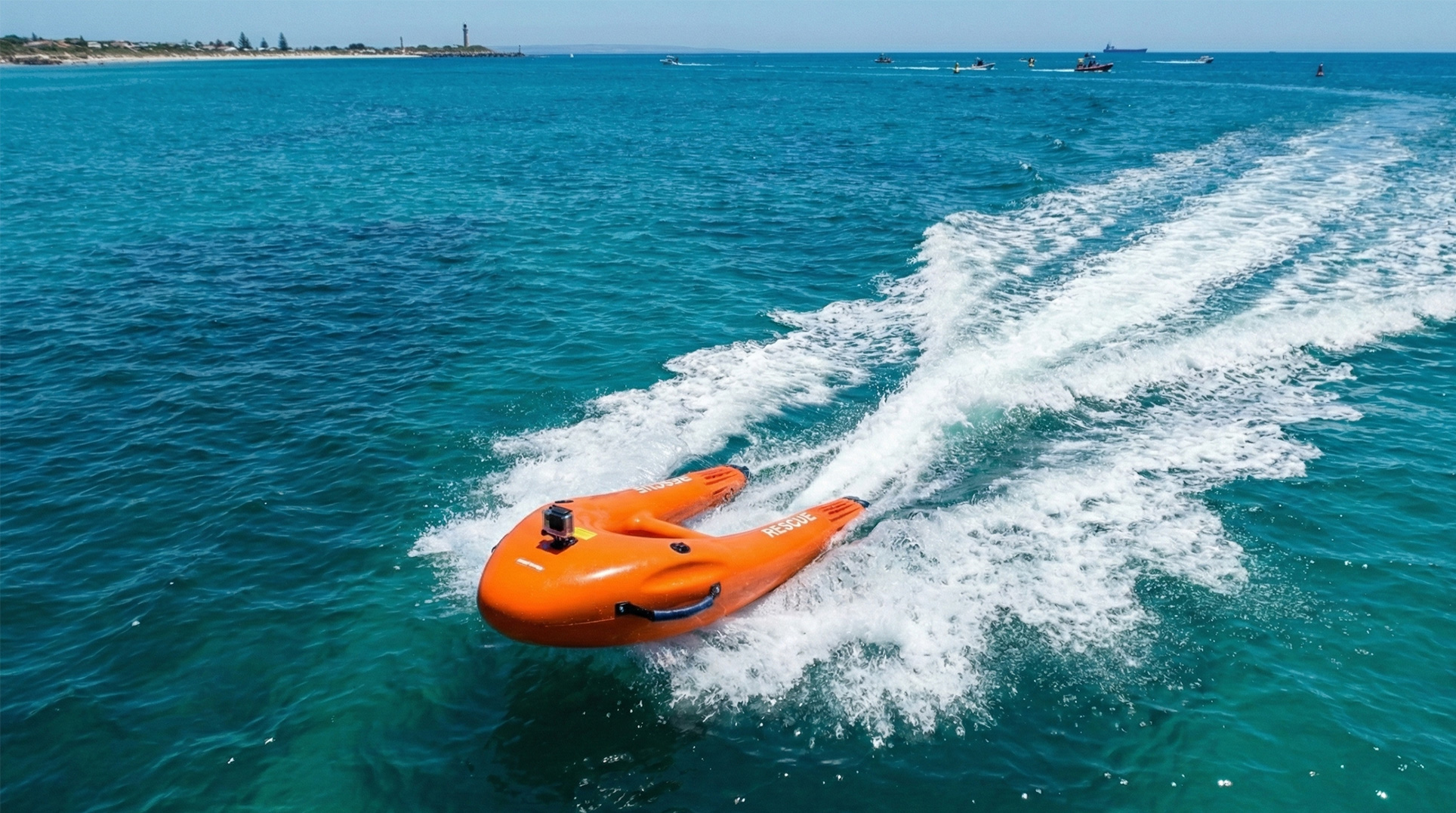
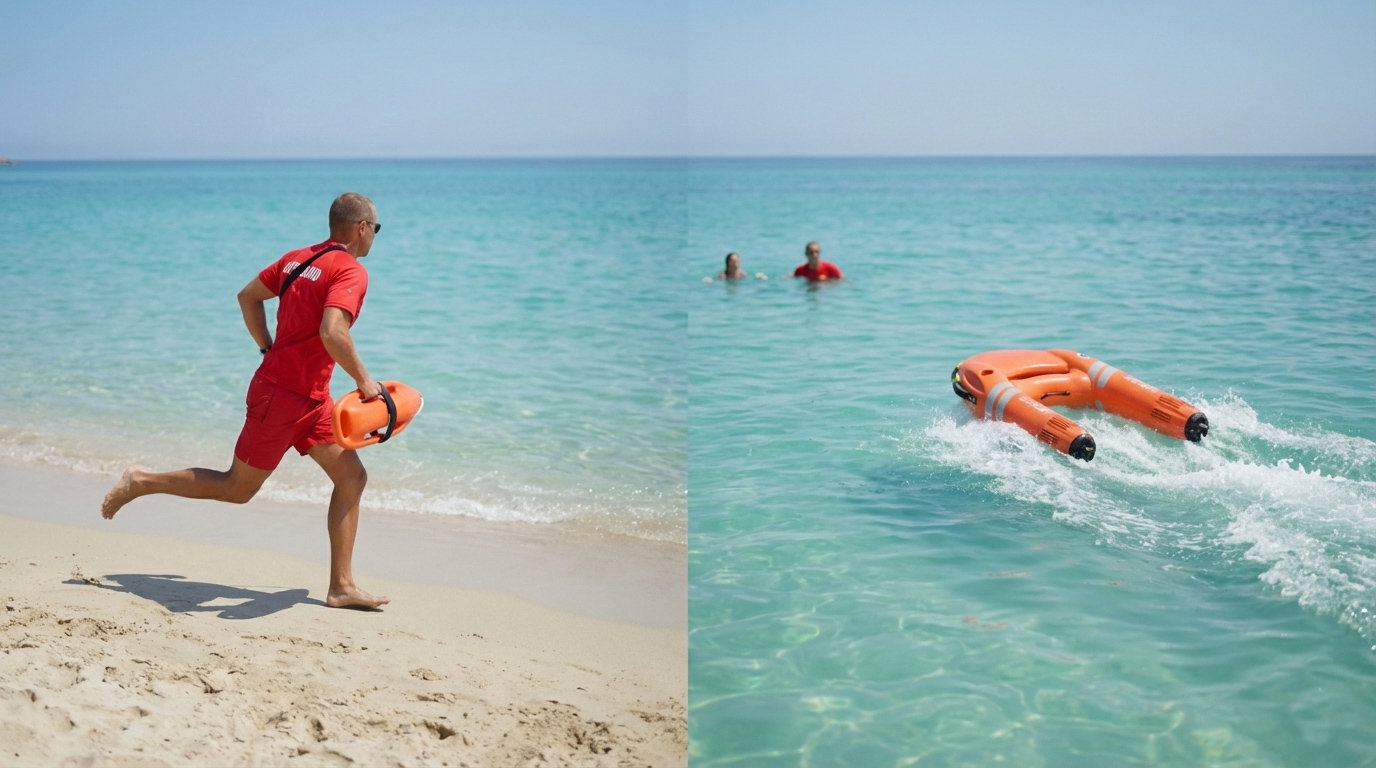
Rescue and Safety
- emergency response
- patrol use
Ease of Transport and Storage
Transport
- can be deflated
- fit into vehicles
Storage
- minimal space required
- ideal for urban environments
Setup and Operation
Inflation
- manual or electric pumps
- relatively quick
Motor Options
- electric motors
- petrol outboards
Advantages Over Traditional Boats
- lower cost
- portability
- ease of use
- versatility
Limitations
- setup time
- performance limits compared to large rigid boats
Safety Considerations
- proper inflation
- weight distribution
- awareness of conditions
Conclusion
Modern inflatable boats are a highly capable and versatile category of watercraft. Far from being temporary or fragile, they offer durability, stability, and practicality across a wide range of applications. In Australia, their adaptability makes them particularly valuable, providing an accessible and efficient way to enjoy and operate on the water.