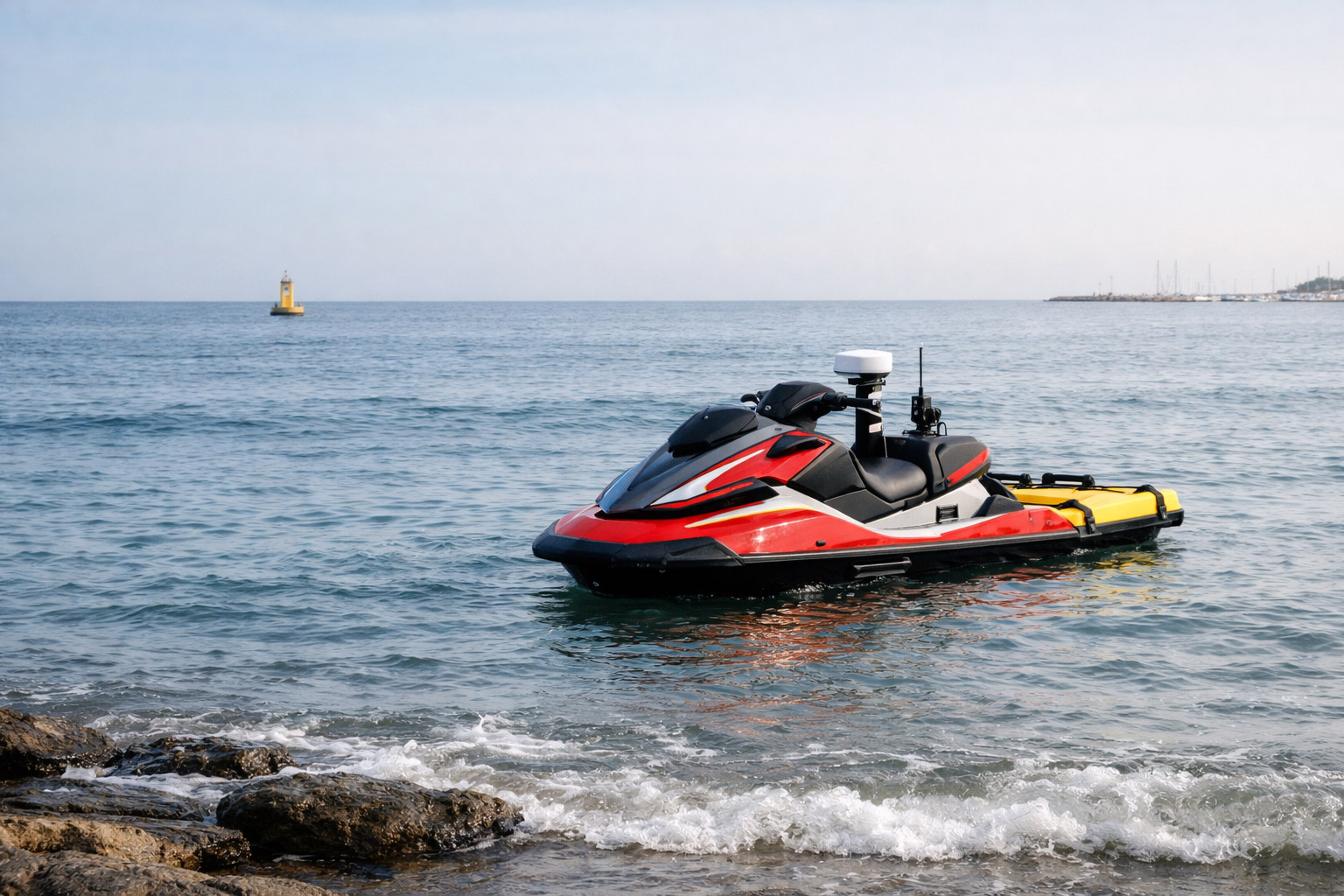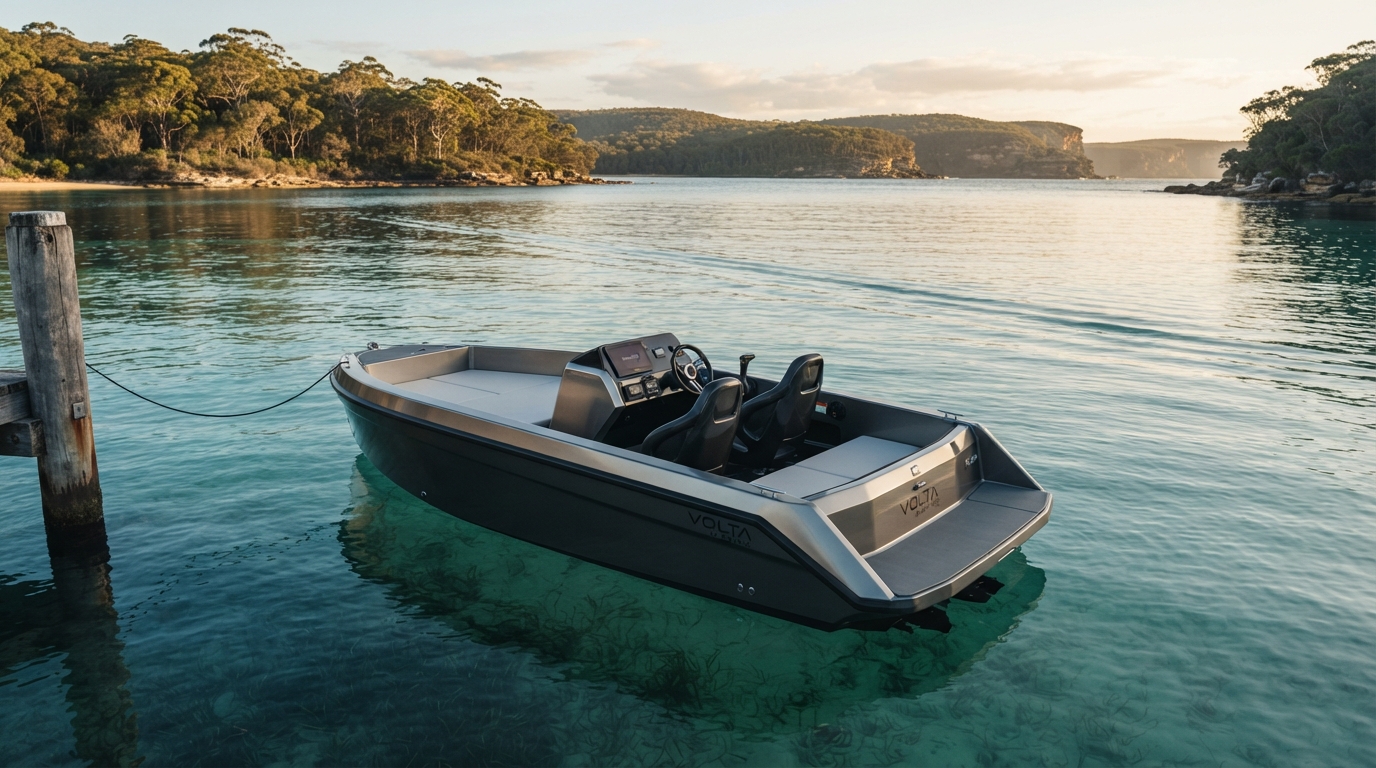

The emergence of mini jet boats has introduced a new level of flexibility and performance into compact boating. However, one of the most significant developments within this category is not the design of the boats themselves, but the shift in propulsion systems—specifically, the growing comparison between electric and petrol-powered mini jet boats.
This is not simply a technical discussion. The choice between electric and petrol propulsion affects operating cost, maintenance, usability, environmental impact, and long-term ownership experience. For Australian users, these differences are even more relevant due to local conditions, usage patterns, and regulatory trends.
This article provides a detailed, experience-based comparison between electric and petrol mini jet boats, focusing on real-world performance rather than theoretical specifications.
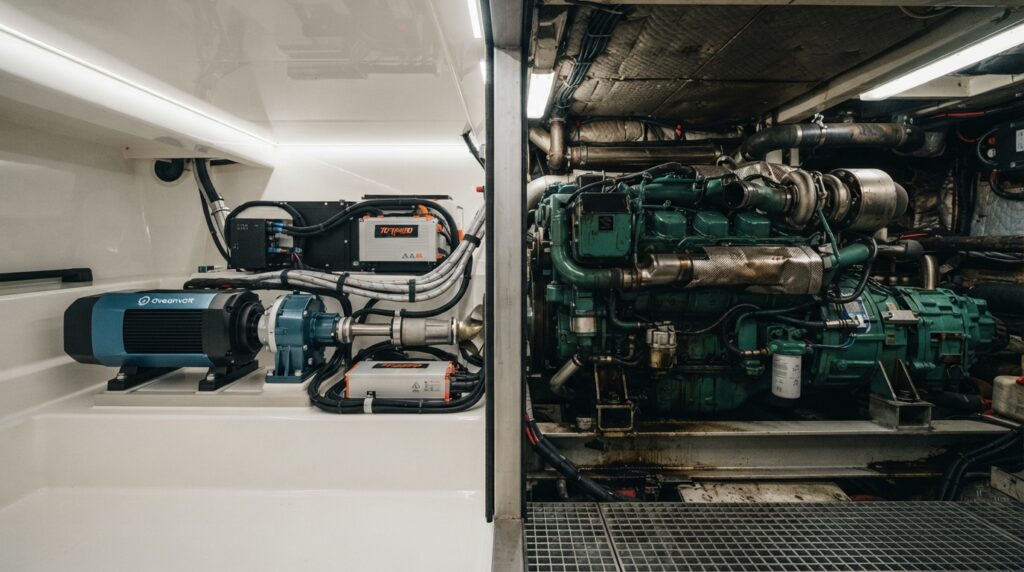
Understanding the Two Propulsion Systems
Petrol-Powered Mini Jet Boats
Petrol systems are the traditional choice.
They rely on:
- internal combustion engines
- fuel-based energy
- mechanical transmission to jet system
These systems are:
- well understood
- widely available
- proven over time
Electric Mini Jet Boats
Electric systems are newer but rapidly developing.
They rely on:
- lithium battery systems
- electric motors
- direct drive to jet propulsion
These systems offer:
- simplified operation
- reduced mechanical complexity
Performance Comparison in Real Conditions
Acceleration and Torque
Electric systems provide:
- immediate torque
- smooth acceleration
- consistent power delivery
Petrol systems:
- build power progressively
- may feel less responsive at low speed
Speed Capability
Petrol systems generally:
- achieve higher peak speeds
- sustain high output longer
Electric systems:
- offer strong performance
- may be limited by battery capacity
Handling Characteristics
Both systems:
- benefit from jet propulsion agility
However:
Electric:
- smoother control
- more predictable response
Petrol:
- more variable depending on engine behaviour
Efficiency and Running Costs
Fuel vs Electricity
Petrol boats:
- require ongoing fuel purchase
- subject to fuel price fluctuations
Electric boats:
- rely on battery charging
- significantly lower operating cost
Cost Over Time
Over extended use:
Electric systems typically:
- cost less to operate
- require fewer consumables
Petrol systems:
- incur ongoing fuel and maintenance costs
Maintenance Requirements
Petrol Systems
Require:
- regular servicing
- oil changes
- fuel system maintenance
Electric Systems
Require:
- battery care
- minimal mechanical maintenance
Practical Outcome
Electric systems:
- simpler to maintain
- lower long-term effort
Environmental Considerations
Petrol
- emissions
- noise
- environmental impact
Electric
- low emissions
- quieter operation
- reduced environmental footprint
Australian Context
Environmental awareness is increasing, particularly in:
- protected waterways
- tourism areas
Usability and User Experience
Petrol Systems
- familiar operation
- requires fuel handling
- more mechanical interaction
Electric Systems
- simple start/stop
- minimal setup
- quieter experience
Range and Usage Patterns
Petrol
- longer continuous range
- refuelling flexibility
Electric
- dependent on battery capacity
- suitable for planned sessions
Australian Conditions – Practical Comparison
Heat
Electric batteries require:
- careful temperature management
Remote Use
Petrol:
- easier refuelling in remote areas
Electric:
- requires charging access
Commercial Perspective
Electric Advantages
- lower operating cost
- quieter operation
- customer-friendly
Petrol Advantages
- longer runtime
- familiarity
Long-Term Trends
The market is moving toward:
- electric systems
- improved battery technology
- reduced reliance on petrol
Decision Framework
Choose Electric If:
- lower running cost is priority
- simplicity is important
- environmental impact matters
Choose Petrol If:
- extended range required
- remote use expected
- high-speed continuous use needed
Conclusion
The choice between electric and petrol mini jet boats depends on intended use and priorities. Electric systems offer clear advantages in efficiency, maintenance, and user experience, while petrol systems retain benefits in range and peak performance.
As technology continues to advance, electric propulsion is likely to play an increasingly dominant role in this category.