For many years, jet skis have dominated the personal watercraft market. Their speed, accessibility, and widespread availability made them the default choice for recreational users across Australia.
However, the landscape is now changing.
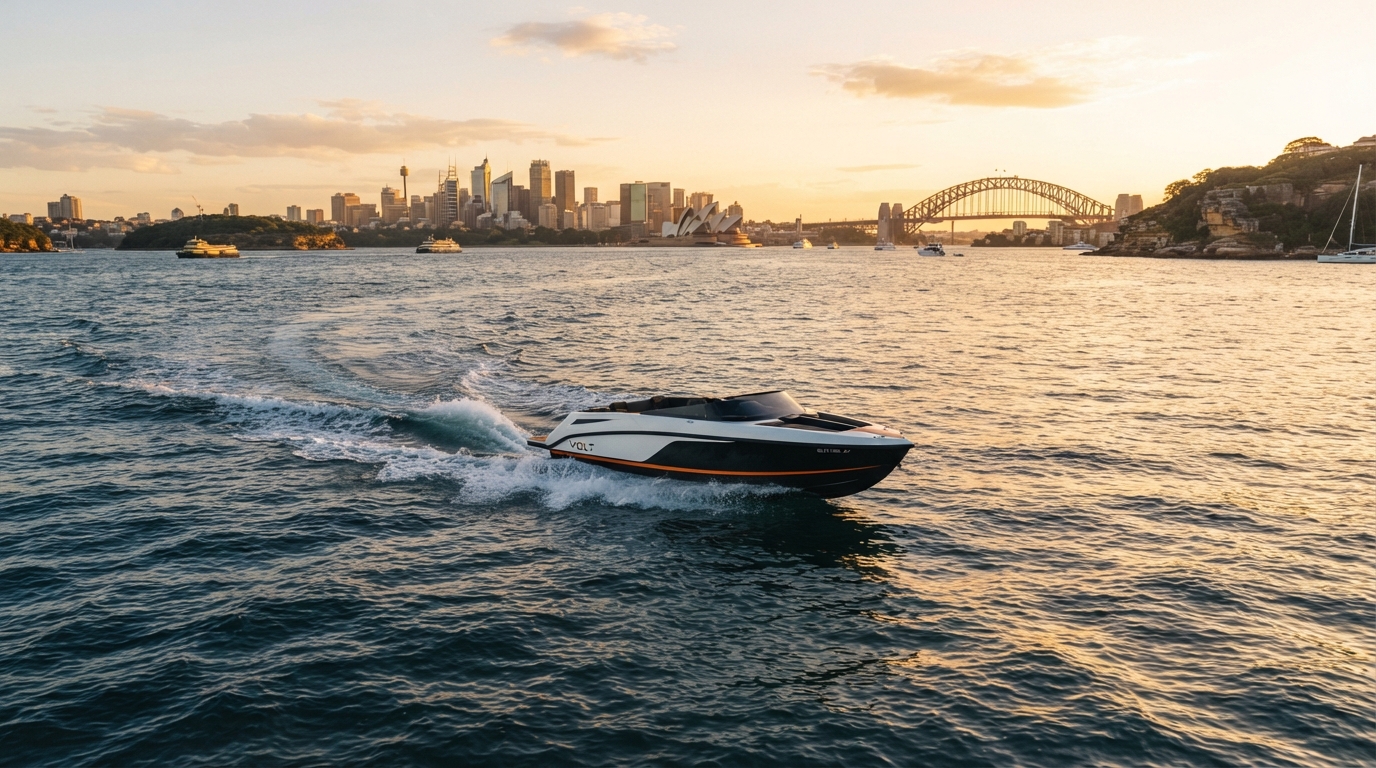
A new category—electric mini jet boats—is rapidly gaining traction. What began as a niche innovation is now evolving into a serious alternative, and in many respects, a superior one. These compact, electric-powered craft are not simply competing with jet skis; they are redefining expectations around performance, ownership, and practicality.
The shift is not driven by a single factor, but by a convergence of technological advancement, changing consumer preferences, and the limitations of traditional petrol-powered watercraft becoming increasingly apparent.
The Established Dominance of Jet Skis
Jet skis have long been associated with speed, excitement, and accessibility. They are widely recognised and have become a staple in both recreational and rental markets.
Their appeal has traditionally centred on:
- High-speed performance
- Relatively simple operation
- Strong resale recognition
- Established dealer networks
For decades, they have been the logical entry point into personal watercraft ownership.
Yet despite these strengths, the underlying model has remained largely unchanged—and that is where the challenge lies.
The Limitations of Petrol-Based Watercraft
While jet skis remain popular, their limitations are becoming increasingly difficult to ignore.
Ongoing Fuel Costs
Fuel prices in Australia have risen significantly over time. Petrol-powered jet skis are:
- Fuel-intensive during operation
- Subject to fluctuating fuel costs
- Dependent on ongoing refuelling logistics
This creates a recurring expense that directly impacts usage.
Maintenance Requirements
Petrol engines require regular servicing, including:
- Oil changes
- Filter replacements
- Cooling system maintenance
- Mechanical inspections
These maintenance requirements increase both cost and complexity.
Noise and Environmental Impact
Jet skis are inherently noisy, which can limit where and how they are used.
In addition:
- Noise pollution can affect residential and natural areas
- Emissions contribute to environmental concerns
- Regulations may become stricter over time
Transport and Storage Challenges
Jet skis typically require:
- A trailer for transport
- Storage space for both the craft and trailer
- A suitable towing vehicle
This adds layers of cost and inconvenience.
The Emergence of Electric Mini Jet Boats
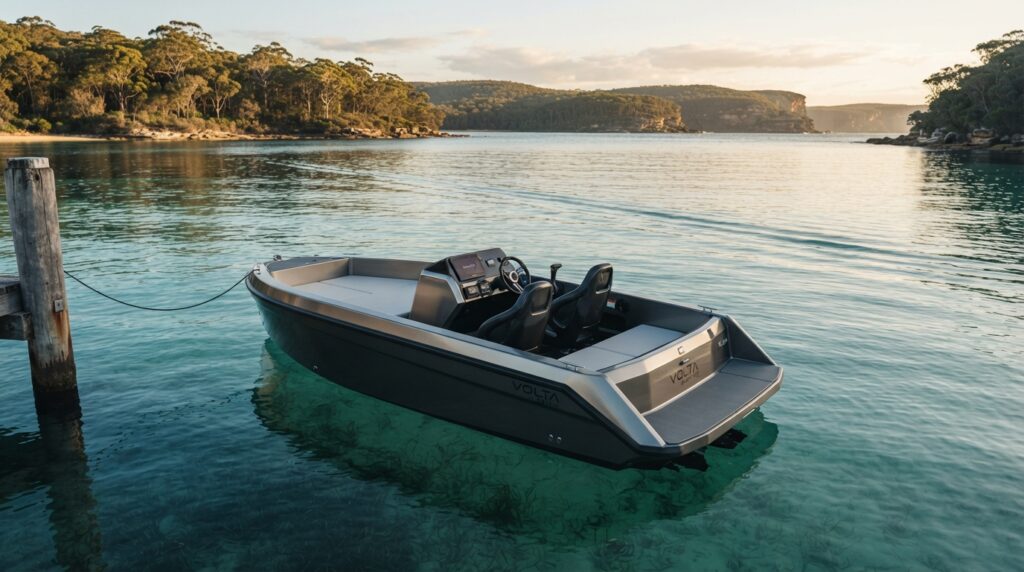
Electric mini jet boats have been developed as a response to these limitations.
They combine:
- Compact design
- Electric propulsion
- Jet-driven performance
- Simplified ownership
Rather than improving the traditional jet ski model, they take a fundamentally different approach.
Electric Propulsion – More Than an Environmental Benefit
Electric propulsion is often discussed in environmental terms, but its practical advantages are equally important.
Immediate Torque and Acceleration
Electric motors deliver instant power, resulting in:
- Rapid acceleration
- Smooth throttle response
- Enhanced control
This provides a highly responsive and engaging experience.
Reduced Operating Costs
Electric systems eliminate fuel costs and replace them with significantly lower energy costs.
Over time, this results in:
- Lower overall expenditure
- Greater predictability of running costs
Minimal Maintenance
Electric systems have fewer moving parts than petrol engines, reducing the need for:
- Frequent servicing
- Mechanical repairs
- Complex maintenance procedures
This simplifies ownership considerably.
Quiet Operation
One of the most noticeable differences is noise.
Electric mini jet boats operate quietly, allowing for:
- Use in noise-sensitive environments
- A more relaxed and enjoyable experience
- Reduced disturbance to others
A Different Ownership Experience
Electric mini jet boats are not just a different product—they offer a different ownership experience.
Simplicity
Without fuel systems, complex engines, or extensive maintenance requirements, ownership becomes more straightforward.
Convenience
Many models can be transported without a trailer, allowing for:
- Easier storage
- Faster setup
- Greater flexibility in use
Accessibility
The reduced complexity makes them more accessible to:
- First-time buyers
- Families
- Recreational users seeking simplicity
Transport Without a Trailer – A Major Advantage
One of the most significant differences between electric mini jet boats and jet skis is transport.
Jet skis typically require:
- A trailer
- A towing vehicle
- Access to boat ramps
In contrast, many mini jet boats can be:
- Transported in a ute
- Loaded into an SUV
- Launched from a wider range of locations
This eliminates a major barrier to entry and significantly improves convenience.
Performance Comparison in Practical Terms
While jet skis are known for high speeds, performance is not solely about top speed.
Electric mini jet boats offer:
- Strong acceleration due to instant torque
- Agile handling in varied conditions
- Stability in compact designs
For many users, these characteristics provide a more practical and enjoyable experience.
Safety Considerations
Safety is an important factor for many buyers.
Electric mini jet boats offer several advantages:
- No flammable fuel onboard
- Simpler mechanical systems
- Jet propulsion reduces risks associated with exposed propellers
These features contribute to a safer overall experience.
Expanding Use Cases Beyond Recreation
Jet skis are primarily recreational vehicles.
Electric mini jet boats, however, offer broader applications:
- Access to waterfront properties
- Exploration of shallow or remote waterways
- Use in environments where noise is a concern
This versatility increases their overall value.
Alignment with Broader Market Trends
The shift toward electric mini jet boats reflects wider trends across multiple industries.
These include:
- Electrification of transport
- Demand for lower operating costs
- Preference for sustainable solutions
- Desire for simpler, more convenient products
As these trends continue, electric watercraft are likely to gain further momentum.
Changing Buyer Expectations
Modern buyers are increasingly focused on:
- Ease of use
- Total cost of ownership
- Practicality
- Environmental impact
Products that meet these expectations are more likely to succeed.
Electric mini jet boats align strongly with these priorities.
The Future of Personal Watercraft in Australia
The transition from petrol to electric is not a question of if, but when.
As battery technology improves and infrastructure evolves, electric mini jet boats are well positioned to become a dominant force in the market.
This shift is already underway.
Addressing Common Concerns
Range and Battery Life
Battery technology continues to improve, offering:
- Increasing runtime
- Faster charging
- Greater reliability
For recreational use, current capabilities are already sufficient for most users.
Performance Perception
Some buyers may assume electric equals lower performance.
In reality, electric systems often provide superior acceleration and control.
A Structural Change, Not a Trend
It is important to recognise that this is not a short-term trend.
Electric mini jet boats represent a structural change in the market.
They address long-standing issues associated with petrol-powered watercraft and offer a more aligned solution for modern users.
Final Thoughts
Electric mini jet boats are redefining the personal watercraft category.
They offer a combination of performance, convenience, and efficiency that traditional jet skis struggle to match.
For Australian buyers seeking a modern, practical, and forward-thinking solution, they are not just an alternative—they are the next logical step in the evolution of watercraft.
See More at www.vectorwatercraft.com.au.