Australia is undergoing a fundamental shift in how recreational watercraft are viewed, purchased, and used. For decades, the boating industry followed a familiar path. Petrol engines dominated. Boats became larger, heavier, and increasingly complex. Ownership came with a set of accepted burdens—trailers, storage, maintenance, fuel costs, and preparation time.
For many years, this was simply “how boating worked.”
Today, that model is being questioned.
Across Australia, buyers are beginning to favour solutions that are easier to own, more cost-effective to operate, and better aligned with modern lifestyles. This is not happening in isolation. It mirrors broader changes across multiple industries, where electrification, efficiency, and simplicity are replacing older, more demanding systems.
The marine sector is now part of that transformation.
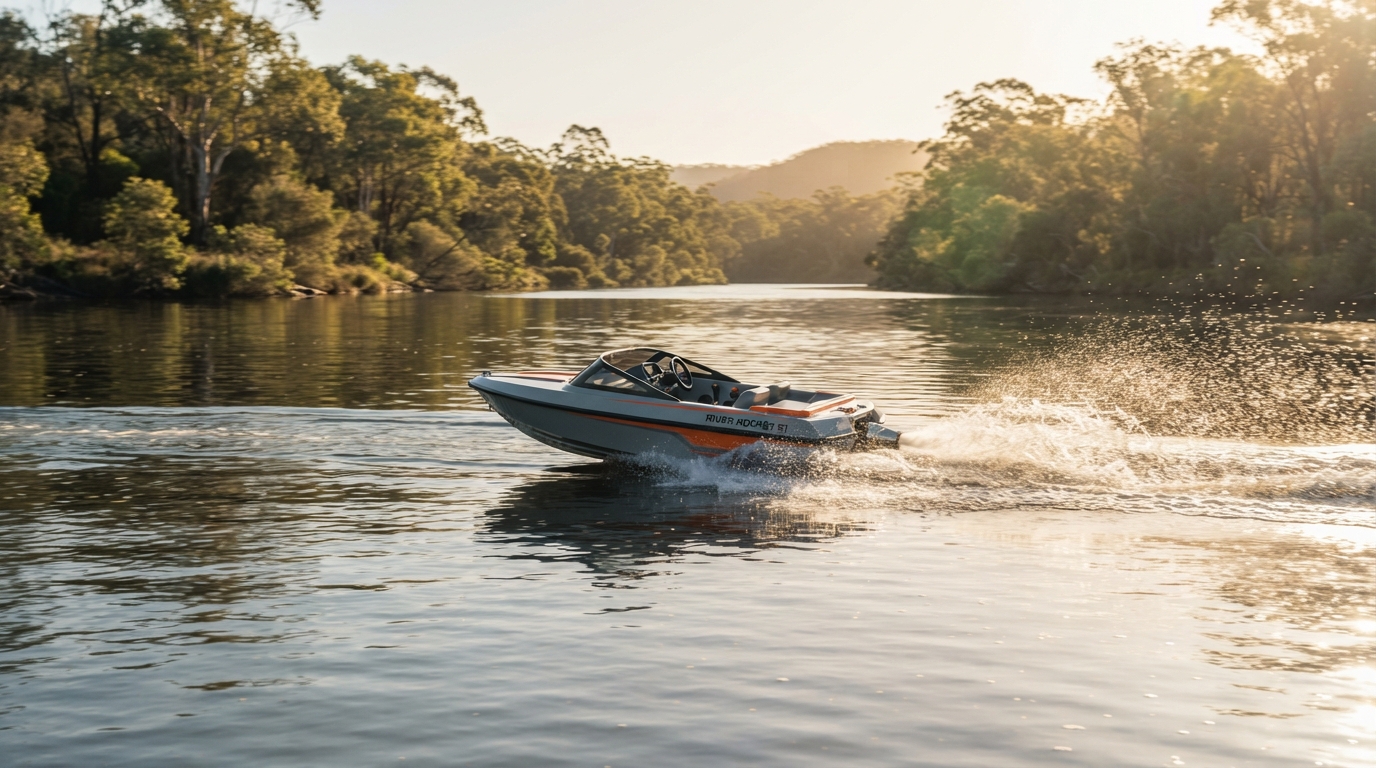
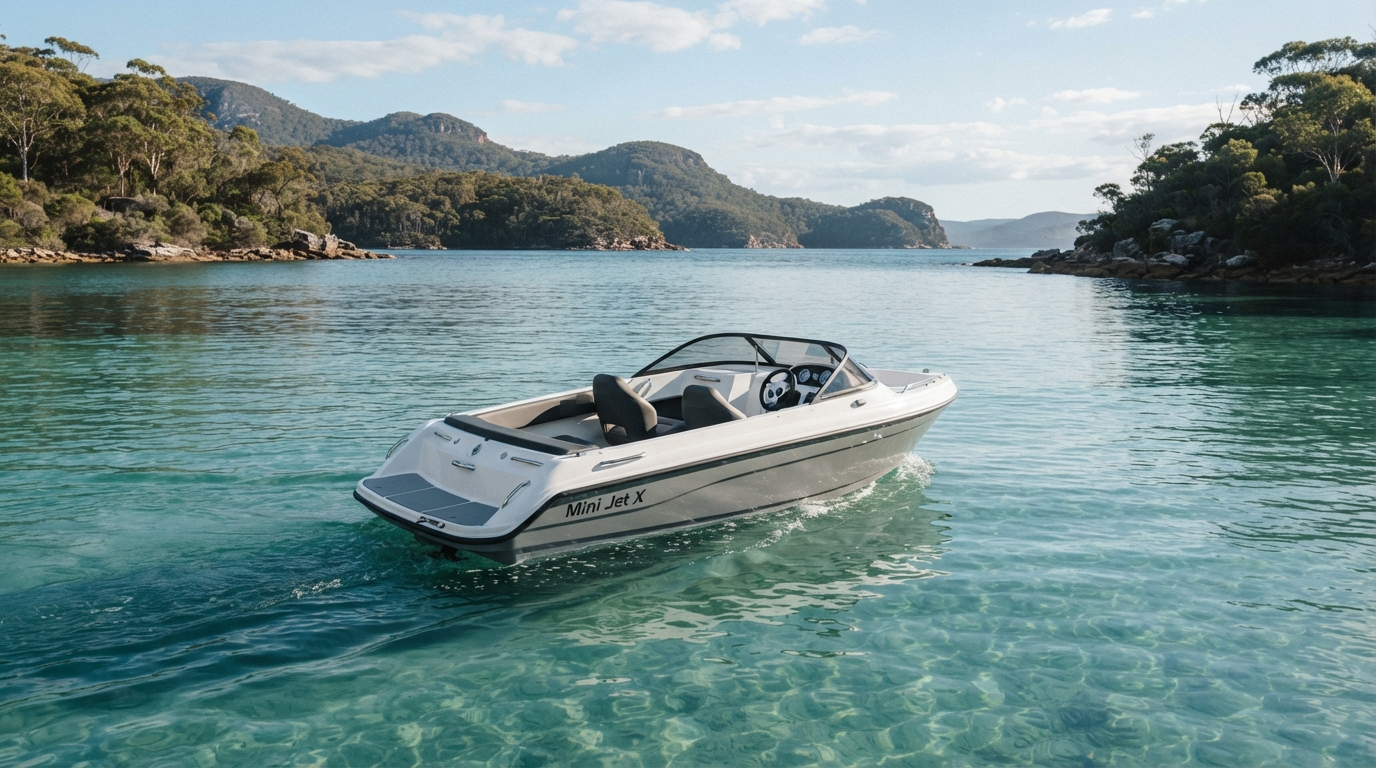
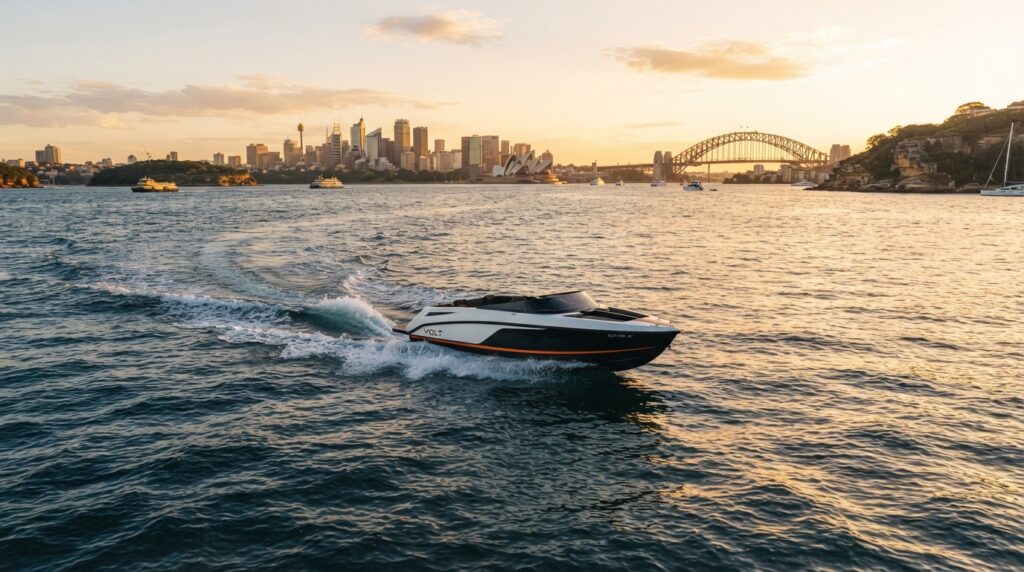
Electric watercraft are no longer experimental or niche. They are becoming a serious and growing category. Within that category, mini jet boats are emerging as one of the most practical, accessible, and commercially relevant formats available to Australian buyers.
Understanding this shift—and where mini jet boats fit within it—is essential for anyone looking to make an informed decision or capitalise on this rapidly expanding market.
The Broader Shift: Electrification Is Driving Change
To properly understand what is happening in boating, it is important to look beyond the marine industry.
Across Australia and globally:
- Electric vehicles are gaining widespread adoption
- Battery-powered tools and equipment are replacing fuel-based systems
- Consumers are increasingly aware of operating costs
- Efficiency and simplicity are becoming primary decision drivers
These changes are not temporary. They reflect a deeper shift in consumer behaviour.
Buyers are no longer satisfied with products that:
- Require ongoing effort
- Have unpredictable costs
- Demand constant maintenance
They are actively seeking alternatives that:
- Reduce complexity
- Lower long-term costs
- Improve usability
Electric propulsion aligns directly with these expectations.
Why the Marine Industry Is Changing Now
For many years, electric propulsion in boating faced significant limitations.
These included:
- Insufficient battery capacity
- Limited runtime
- Inconsistent performance
- Slow charging
- High cost relative to capability
As a result, petrol remained dominant.
That has now changed.
Key Technological Improvements
Recent advancements include:
- Higher energy density batteries
- Improved motor efficiency
- Better system integration
- More reliable performance under load
Practical Impact
Electric watercraft are now:
- Capable of real-world use
- Competitive in performance
- Practical for recreational buyers
This is why adoption is accelerating.
The Electric Watercraft Landscape
Electric watercraft is not a single category. It includes several distinct segments:
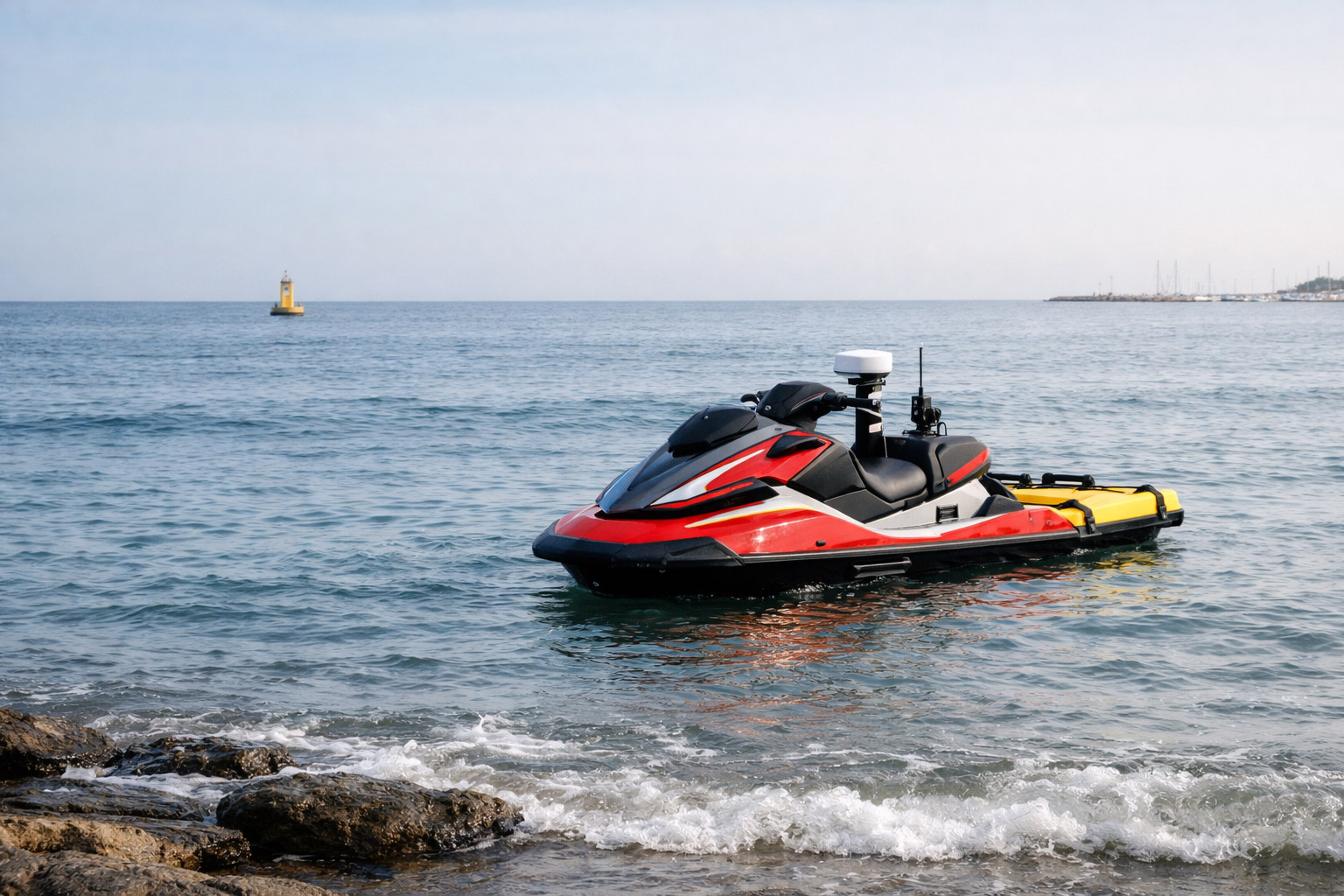
- Electric jet skis
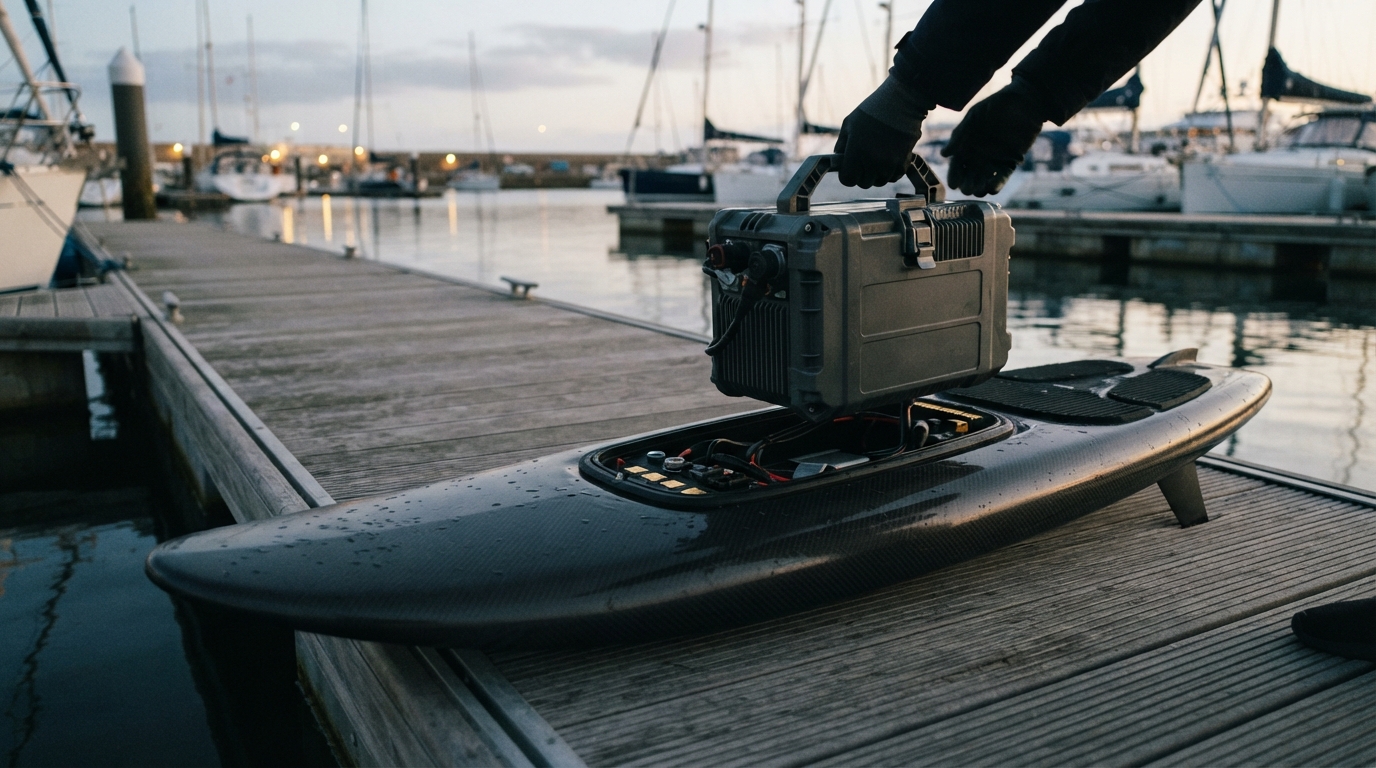
- Electric surfboards and foil boards
- Electric displacement boats
- Electric mini jet boats
Each has its place.
However, many of these products suffer from limitations.
Limitations in Other Categories
Some electric watercraft are:
- Highly specialised
- Expensive
- Limited in versatility
- Difficult for general users
Why Mini Jet Boats Stand Out
Mini jet boats offer a balance that other categories often lack.
They provide:
- Practical usability
- Strong performance
- Versatility across environments
- Accessibility for a wide range of buyers
They are not niche—they are functional.
The Problem with Traditional Boating
The growth of electric mini jet boats is driven not only by technology, but by dissatisfaction with traditional ownership models.
High Operating Costs
Petrol-powered watercraft involve:
- Ongoing fuel expenses
- Regular servicing
- Mechanical wear and tear
These costs accumulate over time.
Ownership Complexity
Traditional boating requires:
- Trailer ownership
- Storage space
- Launch logistics
- Maintenance routines
This creates friction.
Limited Flexibility
Larger boats are:
- Harder to transport
- Dependent on boat ramps
- Less suited to spontaneous use
How Electric Mini Jet Boats Solve These Problems
Electric mini jet boats directly address these issues.
Lower Operating Costs
Electric propulsion removes fuel dependency.
This results in:
- Lower ongoing costs
- More predictable expenses
Reduced Maintenance
Electric systems have:
- Fewer moving parts
- Less mechanical complexity
- Lower servicing requirements
Simpler Ownership
Portable designs allow:
- Easier transport
- Faster setup
- Reduced logistical burden
Where Mini Jet Boats Fit in the Market
Mini jet boats occupy a strategic position.
Between Two Extremes
They sit between:
- Large traditional boats
- Highly specialised electric craft
Why This Matters
They are:
- Easier to own than large boats
- More versatile than niche electric products
- More practical for everyday use
Australian Conditions Favour This Category
Australia’s waterways are diverse and often challenging.
They include:
- Shallow rivers
- Lakes
- Estuaries
- Remote access points
Why Mini Jet Boats Excel
- Jet propulsion handles shallow water
- Compact size allows flexibility
- Portability enables access to remote areas
Buyer Behaviour Is Changing
Modern buyers are asking different questions.
Instead of:
- “How big is it?”
- “How fast is it?”
They are asking:
- “How easy is it to use?”
- “What does it cost to run?”
- “Will I actually use it often?”
Mini Jet Boats Answer These Questions
- Easy to use
- Cost-effective
- Practical
Frequency of Use – The Most Important Factor
The real value of any recreational product is how often it is used.
Traditional Boats
Often underused due to:
- Complexity
- Time requirements
- Cost
Mini Jet Boats
Used more frequently because they are:
- Easier to access
- Faster to deploy
- Simpler to maintain
Result
- Greater enjoyment
- Better value
- Higher satisfaction
The Role of Portability
Portability is a major advantage.
Many mini jet boats can:
- Be transported without a trailer
- Fit into everyday lifestyles
- Reduce ownership burden
The Role of Electric Propulsion
Electric systems enhance this further by:
- Reducing noise
- Lowering costs
- Simplifying operation
Market Growth Outlook
The trend is clear.
We can expect:
- Increased adoption
- Expanded product ranges
- Continued technology improvements
- Greater awareness
Why Early Adoption Matters
Early buyers benefit from:
- Lower competition
- Stronger positioning
- Better long-term value
Positioning vs Other Electric Watercraft
Mini jet boats offer:
- More versatility than surfboards
- More practicality than foils
- More accessibility than large electric boats
Buyer Guidance
When entering this market, focus on:
- Build quality
- Practical usability
- Supplier credibility
- Long-term ownership value
Avoid focusing solely on:
- Price
- Marketing claims