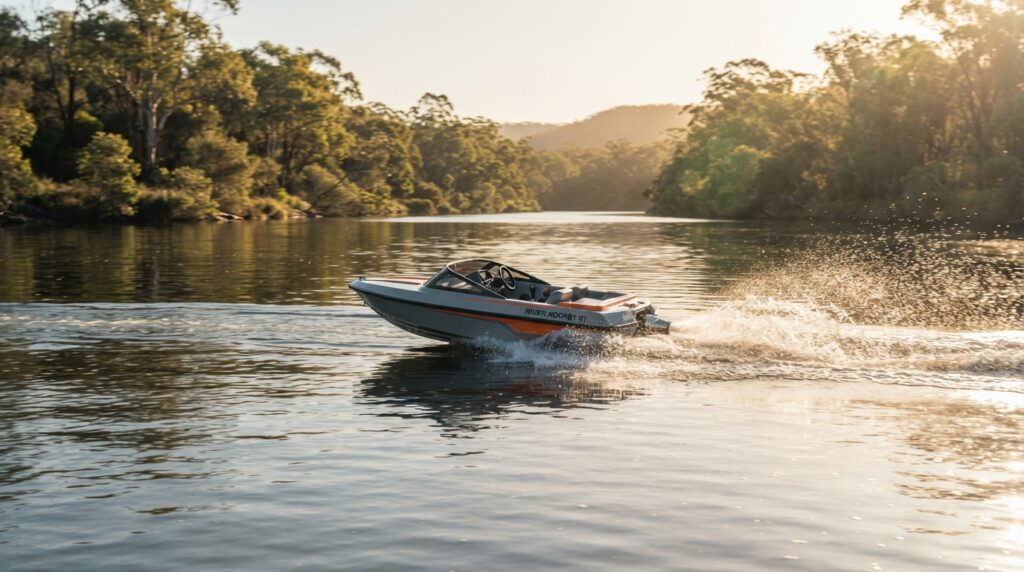
Australia has always had a deep and enduring connection with the water. From coastal communities to inland rivers and expansive lakes, recreational boating has long been part of the national lifestyle. Yet for all its appeal, traditional boating has remained burdened by complexity—trailers, storage requirements, maintenance obligations, and significant time commitments.
In recent years, a new category has begun to reshape this landscape. Portable jet boats are emerging as a practical, efficient, and highly appealing alternative to conventional watercraft. They are not simply a smaller version of traditional boats—they represent a fundamental shift in how Australians access, use, and enjoy the water.
This shift is being driven by changes in technology, consumer expectations, and a growing preference for simplicity and flexibility.
The Traditional Boating Model – Strengths and Limitations
For decades, boating has followed a well-established model. Ownership typically involves:
- A boat of moderate to large size
- A trailer for transport
- A vehicle capable of towing
- Dedicated storage space
- Regular servicing and maintenance
While this model has proven effective, it comes with inherent limitations.
The process of preparing for a day on the water often includes:
- Attaching and checking the trailer
- Travelling to a designated launch ramp
- Waiting in queues during busy periods
- Launching and retrieving the boat
- Cleaning and storing equipment afterwards
For many, this level of effort is acceptable. For others, it represents a barrier.
In particular, new entrants to boating—especially younger buyers and families—are increasingly questioning whether the traditional model aligns with their lifestyle.
The Emergence of Portable Jet Boats
Portable jet boats have been developed to address these very limitations.
At their core, they are designed to simplify boating.
Unlike traditional vessels, portable jet boats are:
- Compact in size
- Lightweight in construction
- Easy to transport without specialised equipment
- Quick to launch and retrieve
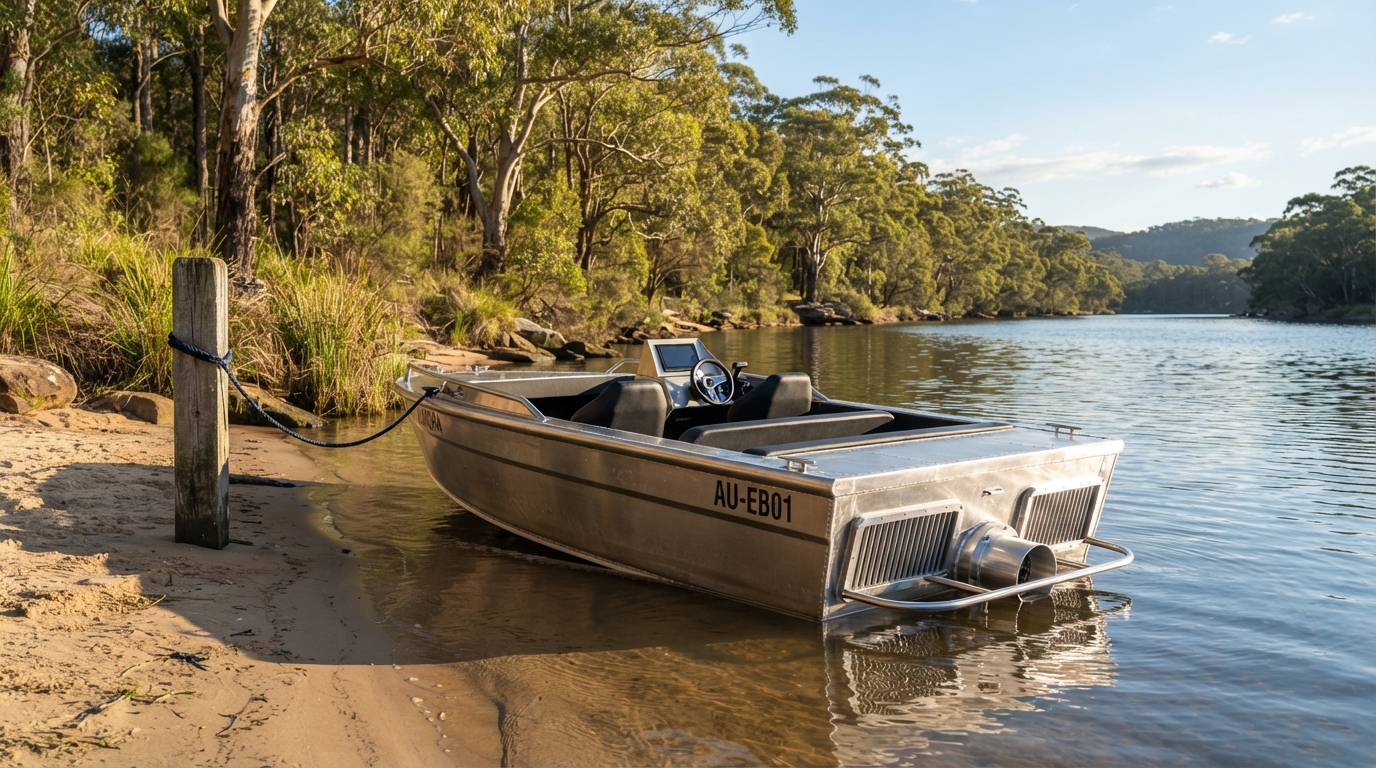
Many models are specifically engineered to be transported in the back of a ute or a large SUV. This single feature has profound implications.
It removes the need for:
- Trailer ownership and maintenance
- Additional registration costs
- Dedicated storage for trailers
- Complex launch procedures
Instead, the experience becomes far more direct and accessible.
Portability as a Transformational Advantage
The concept of portability is not merely about convenience—it fundamentally changes how and when people use their boats.
With a portable jet boat, owners can:
- Decide to go on the water at short notice
- Access locations without formal boat ramps
- Transport their boat to remote or less crowded areas
- Store their vessel easily at home
This flexibility aligns closely with modern lifestyles, where time is often limited and convenience is highly valued.
For many Australians, particularly those living in suburban or regional areas, this represents a significant improvement over traditional boating.
Engineering Innovation Behind the Category
The rise of portable jet boats has been made possible by advances in engineering and materials.
Modern designs incorporate:
Lightweight Structural Materials
High-density polyethylene (HDPE), advanced composites, and lightweight alloys are commonly used to achieve strength without excessive weight. These materials offer:
- High impact resistance
- Durability in varied conditions
- Resistance to corrosion
Compact Jet Propulsion Systems
Jet propulsion eliminates the need for exposed propellers. Instead, water is drawn into a pump and expelled at high speed to generate thrust.
This system offers several advantages:
- Safer operation in shallow water
- Reduced risk of damage from debris
- Improved manoeuvrability
Efficient Power Systems
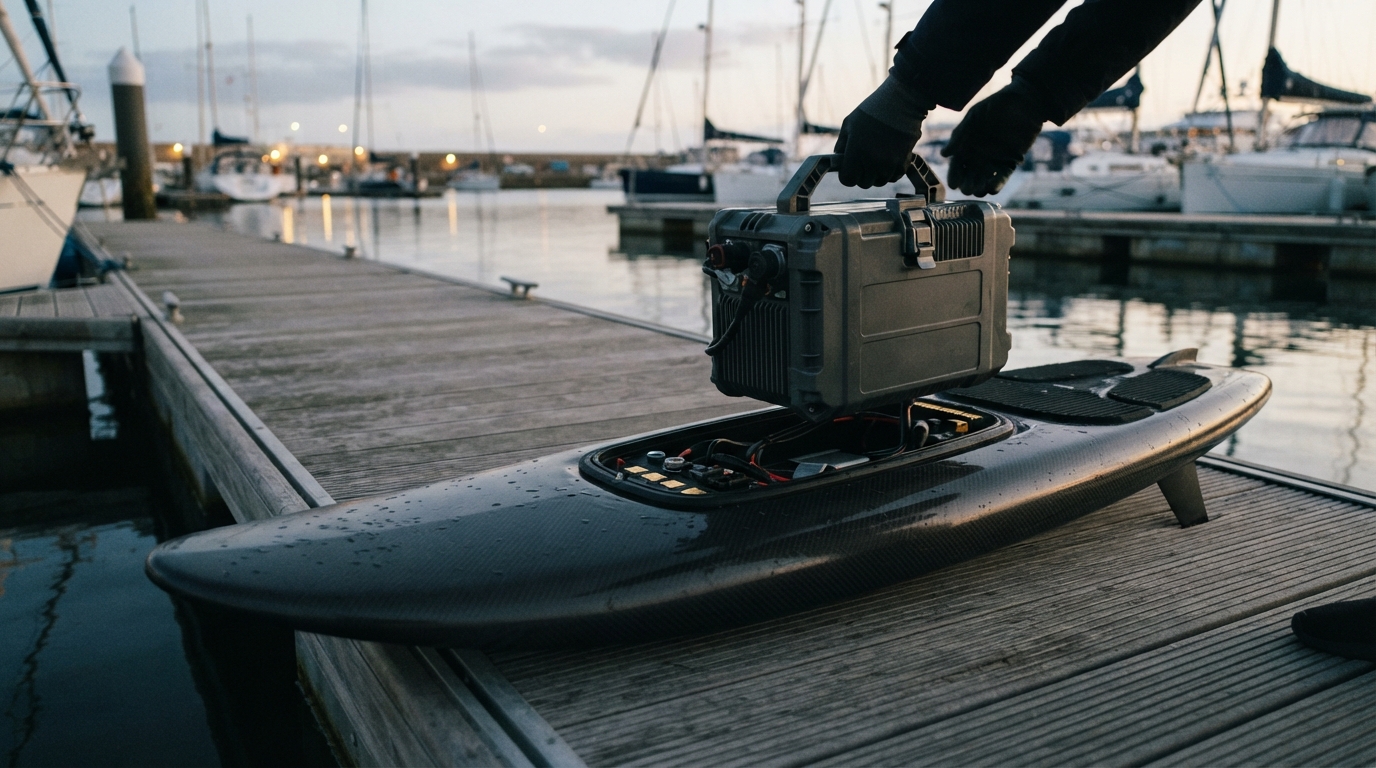
The integration of electric motors has been particularly significant. These motors deliver high torque in a compact form, enabling strong performance without the bulk of traditional engines.
Electric Propulsion – A Key Driver of Change
Electric propulsion is one of the defining characteristics of modern portable jet boats.
Its advantages extend well beyond environmental considerations.
Operational Efficiency
Electric systems are inherently efficient, converting a high proportion of energy into usable power. This results in:
- Lower operating costs
- Reduced energy consumption
- Consistent performance
Reduced Maintenance
With fewer moving parts than petrol engines, electric systems require less servicing. This reduces:
- Maintenance costs
- Downtime
- Complexity of ownership
Quiet Operation
Noise is a significant factor in recreational environments. Electric propulsion allows for:
- Quiet cruising
- Reduced disturbance to others
- Greater suitability for residential waterways
Immediate Power Delivery
Electric motors deliver instant torque, providing:
- Rapid acceleration
- Smooth throttle response
- Enhanced control
These characteristics contribute to a more refined and enjoyable experience.
Performance Capabilities in Real Conditions
A common misconception is that portable jet boats sacrifice performance for convenience.
In practice, modern designs deliver impressive capabilities.
Due to their lightweight construction and efficient propulsion systems, they can achieve:
- Strong acceleration from a standstill
- Responsive handling in tight spaces
- Stable operation in varying water conditions
They are particularly effective in environments where agility and control are important.
Suitability for Australian Waterways
Australia’s waterways are diverse, ranging from narrow rivers and estuaries to large lakes and coastal inlets.
Portable jet boats are well suited to these conditions.
Shallow Water Operation
Jet propulsion allows operation in shallow areas where propeller-driven boats may struggle.
Access to Remote Locations
Their compact size and ease of transport enable access to locations that are difficult to reach with larger boats.
Adaptability
Whether used on calm lakes or flowing rivers, portable jet boats offer versatility that aligns with Australian conditions.
Expanding the Market for Boating
One of the most significant impacts of portable jet boats is their ability to broaden the market.
They appeal to a wide range of users:
- Individuals new to boating
- Families seeking simple recreational options
- Property owners with water access
- Outdoor enthusiasts looking for flexibility
By reducing complexity and cost, they make boating accessible to a larger audience.
Cost Considerations and Ownership Value
Cost is a critical factor in purchasing decisions.
Portable jet boats offer several financial advantages:
Lower Initial Investment
Compared to larger boats, they are generally more affordable.
Reduced Ongoing Costs
Electric propulsion reduces fuel expenses, while simplified systems lower maintenance costs.
Elimination of Trailer Costs
Without the need for a trailer, owners avoid:
- Purchase costs
- Registration fees
- Maintenance expenses
These factors contribute to a more manageable total cost of ownership.
Changing Consumer Expectations
Consumer expectations are evolving.
Modern buyers increasingly prioritise:
- Convenience
- Efficiency
- Flexibility
- Sustainability
Products that align with these values are more likely to succeed.
Portable jet boats meet these expectations by offering a streamlined ownership experience that fits contemporary lifestyles.
Safety and Practical Considerations
Safety is an important consideration in any watercraft.
Portable jet boats offer several advantages:
- Jet propulsion reduces the risk of injury associated with exposed propellers
- Simpler systems reduce the likelihood of mechanical failure
- Lightweight construction can improve handling and control
These features contribute to a safer overall experience, particularly for less experienced users.
Future Growth and Market Outlook
The outlook for portable jet boats in Australia is strong.
Several factors support continued growth:
- Advancements in battery technology
- Increased awareness through media and industry exposure
- Growing demand for convenient recreational products
- Rising fuel costs encouraging alternative solutions
As these trends continue, portable jet boats are likely to become an increasingly prominent segment of the market.
A Structural Shift in Boating
It is important to recognise that portable jet boats are not simply a trend.
They represent a structural shift in how boating is approached.
Instead of adapting their lifestyle to suit the boat, owners can now choose a boat that fits their lifestyle.
This shift has significant implications for the future of recreational boating.
Final Thoughts
Portable jet boats offer a compelling combination of convenience, performance, and efficiency.
They remove many of the traditional barriers associated with boating and provide a more accessible, flexible way to enjoy the water.
For Australians seeking a modern approach to recreational boating, they represent not just an alternative—but a clear step forward.
See More at www.vectorwatercraft.com.au.