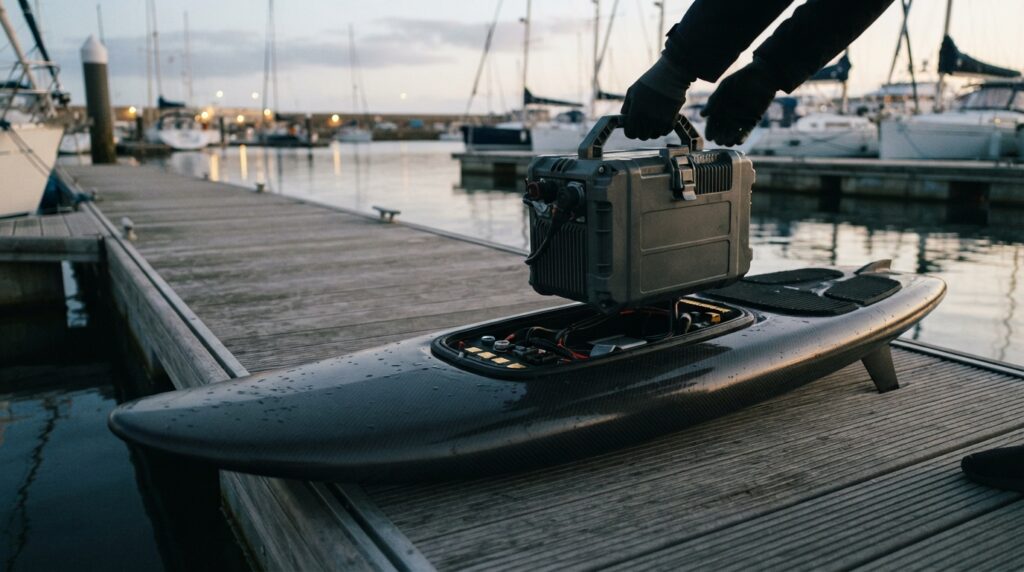

Electric surfboards are often viewed as premium products, and their initial purchase price can appear high compared to traditional watercraft such as paddleboards or kayaks. However, focusing solely on the purchase price provides an incomplete picture. The real question is not how much an electric surfboard costs upfront, but how it performs financially over time.
Ownership cost includes not only the initial investment but also operating expenses, maintenance, battery management, and long-term value. For Australian buyers, these factors are influenced by environmental conditions, usage frequency, and market trends.
This article provides a detailed breakdown of the true cost of owning an electric surfboard, helping buyers understand the financial implications and long-term value.
Initial Purchase Cost
What Determines Price
Electric surfboard pricing varies based on:
- motor power
- battery capacity
- build quality
- materials
Position in Market
Electric surfboards are generally:
- positioned as premium recreational equipment
- priced accordingly
Operating Costs
Electric Charging vs Fuel
Electric surfboards:
- require battery charging
- have relatively low per-use cost
Comparison to Fuel-Based Systems
Compared to petrol-powered equipment:
- lower operating cost
- more predictable expenses
Battery Lifecycle Costs
Battery Degradation
Over time:
- battery capacity decreases
- performance gradually reduces
Replacement Considerations
Battery replacement:
- is a significant cost
- occurs infrequently with proper care
Mitigation
Proper charging and storage significantly extend lifespan.
Maintenance Requirements
Mechanical Simplicity
Electric systems:
- have fewer moving parts
- require less maintenance
Routine Care
Includes:
- cleaning
- inspection
- battery management
Storage and Transport Costs
Electric surfboards:
- require careful storage
- benefit from temperature control
Depreciation and Resale Value
Factors Affecting Value
- condition
- usage
- technology advancements
Market Trend
Growing demand may:
- support resale value
- maintain interest
Cost per Use Perspective
The true value emerges when considering:
- frequency of use
- enjoyment
- versatility
Commercial Use Perspective
For operators:
- high perceived value
- premium pricing potential
Australian Context
Environmental Impact
- heat affects battery
- storage important
Usage Patterns
- frequent use improves value
Conclusion
While electric surfboards require a higher initial investment, their lower operating costs, reduced maintenance, and strong usage potential can result in favourable long-term value. Understanding total cost of ownership ensures buyers make informed decisions.