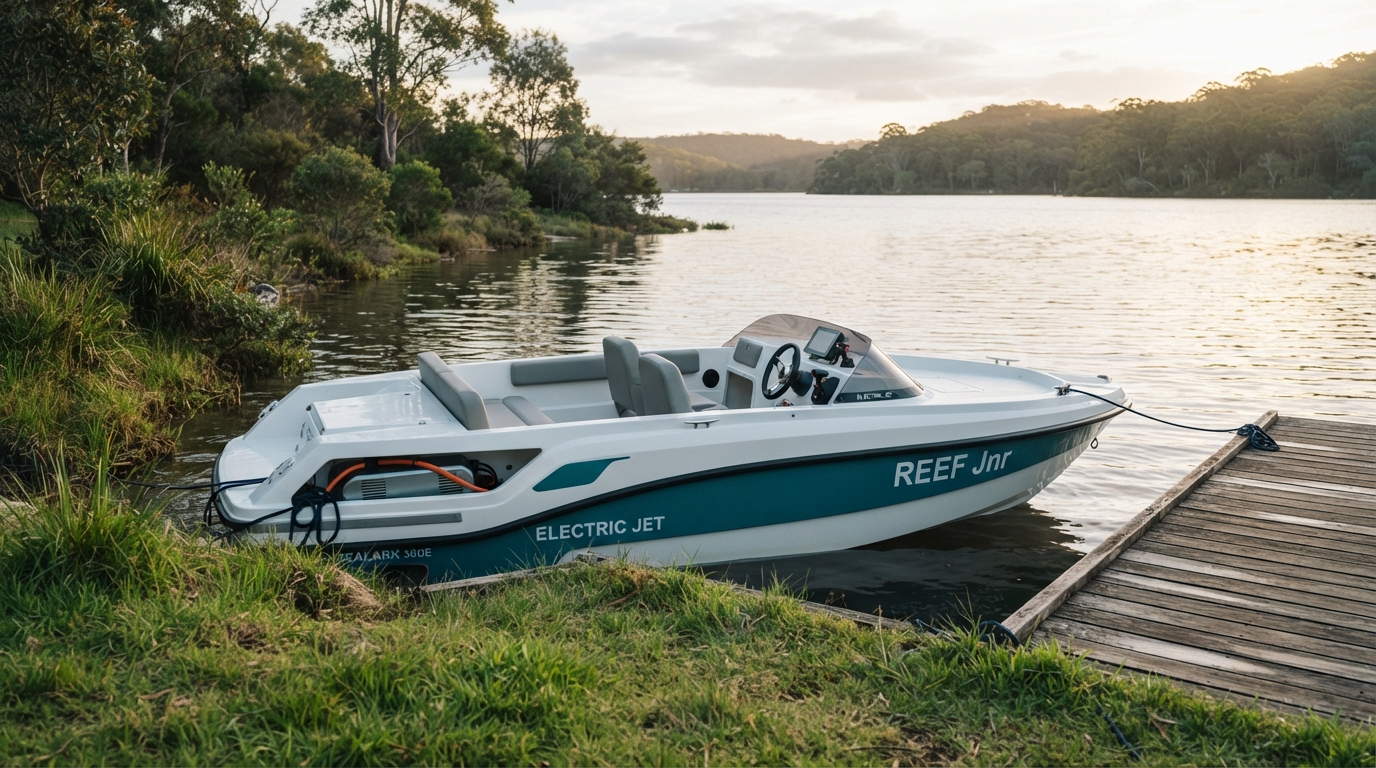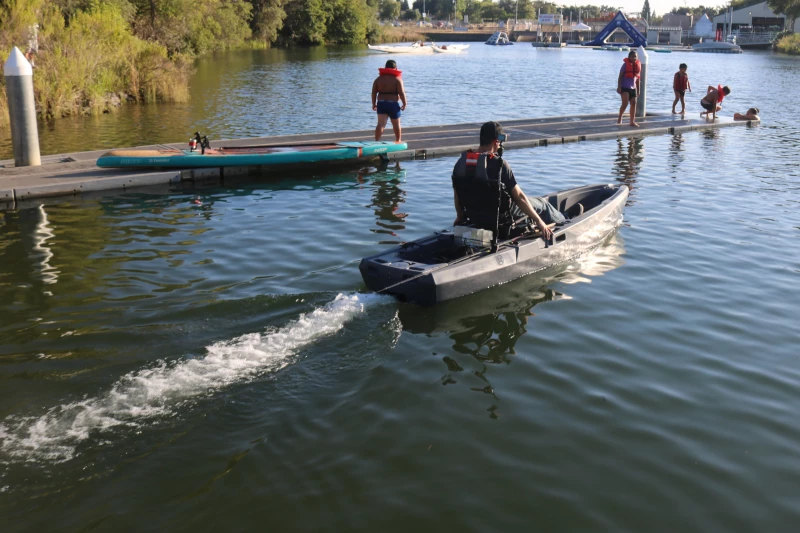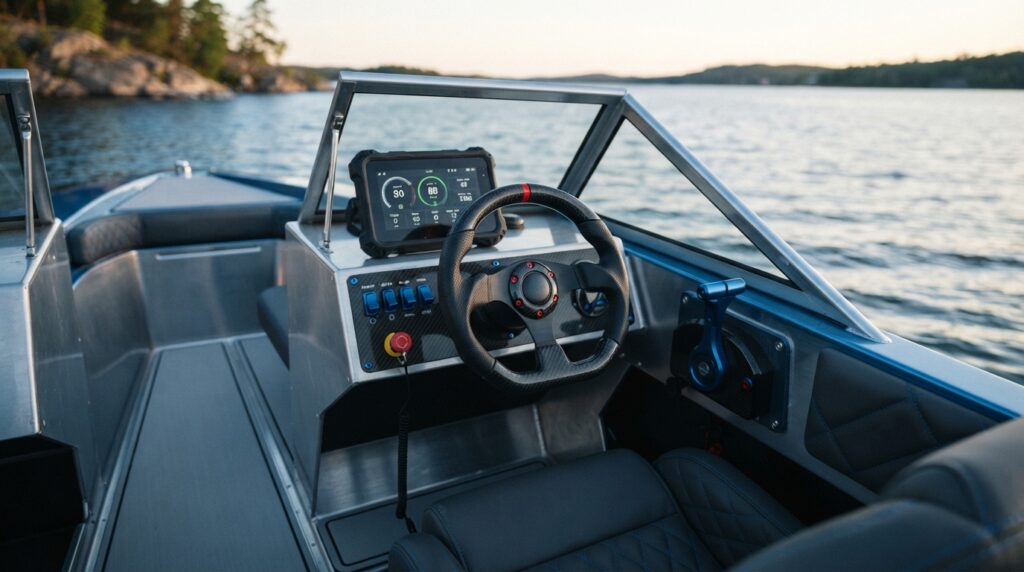

As the market for electric mini jet boats expands across Australia, buyers are presented with more options than ever before. At first glance, many of these boats can appear similar—sleek designs, compact size, and attractive specifications.
However, beneath the surface, there are significant differences.
Two mini jet boats may look almost identical in photos, yet differ dramatically in performance, durability, usability, and long-term value. The difference lies in the details—the features that are often overlooked by inexperienced buyers but immediately recognised by those who understand the category.
This article outlines the key features that Australian buyers should prioritise when evaluating mini jet boats Australia, ensuring that the purchase is based on substance, not appearance.
Why Features Matter More Than Price
A common mistake is choosing a mini jet boat based primarily on price.
While price is important, it does not determine value.
What Really Matters
- Build quality
- Performance reliability
- Ease of use
- Long-term durability
- Ownership experience
The Reality
A cheaper, poorly designed boat can:
- Underperform
- Require more maintenance
- Deliver a frustrating experience
A well-designed boat, even at a higher price, will:
- Perform consistently
- Last longer
- Provide better value over time
- 1. Electric Motor Quality – The Heart of the Boat
The motor is the most critical component.
What to Look For
- Consistent power delivery
- Efficient energy use
- Reliable performance under load
Why It Matters
A high-quality motor ensures:
- Smooth acceleration
- Strong performance
- Long-term reliability
Warning Signs
Avoid motors that:
- Feel inconsistent
- Overheat easily
- Deliver uneven performance
- 2. Battery System – Real-World Usability
The battery defines how practical the boat is.
Key Considerations
- Real runtime (not theoretical)
- Charging time
- Battery lifespan
Practical Insight
Marketing claims often focus on ideal conditions.
Buyers should focus on:
- Typical usage scenarios
- Consistent performance
Balance Is Critical
A well-designed battery system balances:
- Power
- Weight
- Efficiency
- 3. Jet Propulsion System – Efficiency and Control
The jet system converts energy into motion.
Key Components
- Intake
- Impeller
- Pump housing
- Nozzle
What to Look For
- Smooth thrust delivery
- Efficient water flow
- Durable construction
Why It Matters
A high-quality system delivers:
- Better acceleration
- Improved control
- Higher efficiency
- 4. Hull Design and Materials
The hull determines:
- Stability
- Durability
- Performance
Preferred Materials
- HDPE
- Reinforced composites
- Marine-grade construction
Why It Matters
A strong hull provides:
- Resistance to damage
- Long lifespan
- Better handling
- 5. Weight and Portability
Portability is a defining advantage.
What to Assess
- Overall weight
- Ease of handling
- Compatibility with your vehicle
Benefits
- Easier transport
- Faster setup
- Greater flexibility
- 6. Handling and Control Systems
Control systems affect usability.
Key Features
- Responsive steering
- Smooth throttle
- Predictable handling
Why It Matters
- Easier to operate
- Safer
- More enjoyable
- 7. Build Quality and Finish
Attention to detail reflects overall quality.
Indicators
- Clean construction
- Solid fittings
- Durable finishes
Why It Matters
- Reliability
- Longevity
- Reduced maintenance
- 8. Safety Features
Safety should be built into the design.
Key Elements
- Enclosed propulsion
- Stable design
- Reliable controls
- 9. Ease of Maintenance
Even electric systems require some maintenance.
Look For
- Accessible components
- Simple servicing
- Minimal upkeep
- 10. Supplier Support and Warranty
The supplier matters as much as the product.
Key Factors
- Warranty terms
- After-sales support
- Reputation
Matching Features to Your Needs
Recreational Users
Focus on:
- Ease of use
- Portability
- Moderate performance
Families
Prioritise:
- Safety
- Stability
- Simplicity
Enthusiasts
May prefer:
- Higher performance
- Advanced features
Common Buyer Mistakes
- Focusing on appearance
- Choosing based on price alone
- Ignoring build quality
- Overlooking usability
Positioning vs Alternatives
Compared to Jet Skis
- More versatile
- Easier to transport
- Better suited to varied use
Compared to Traditional Boats
- Simpler ownership
- Lower cost
- Greater flexibility