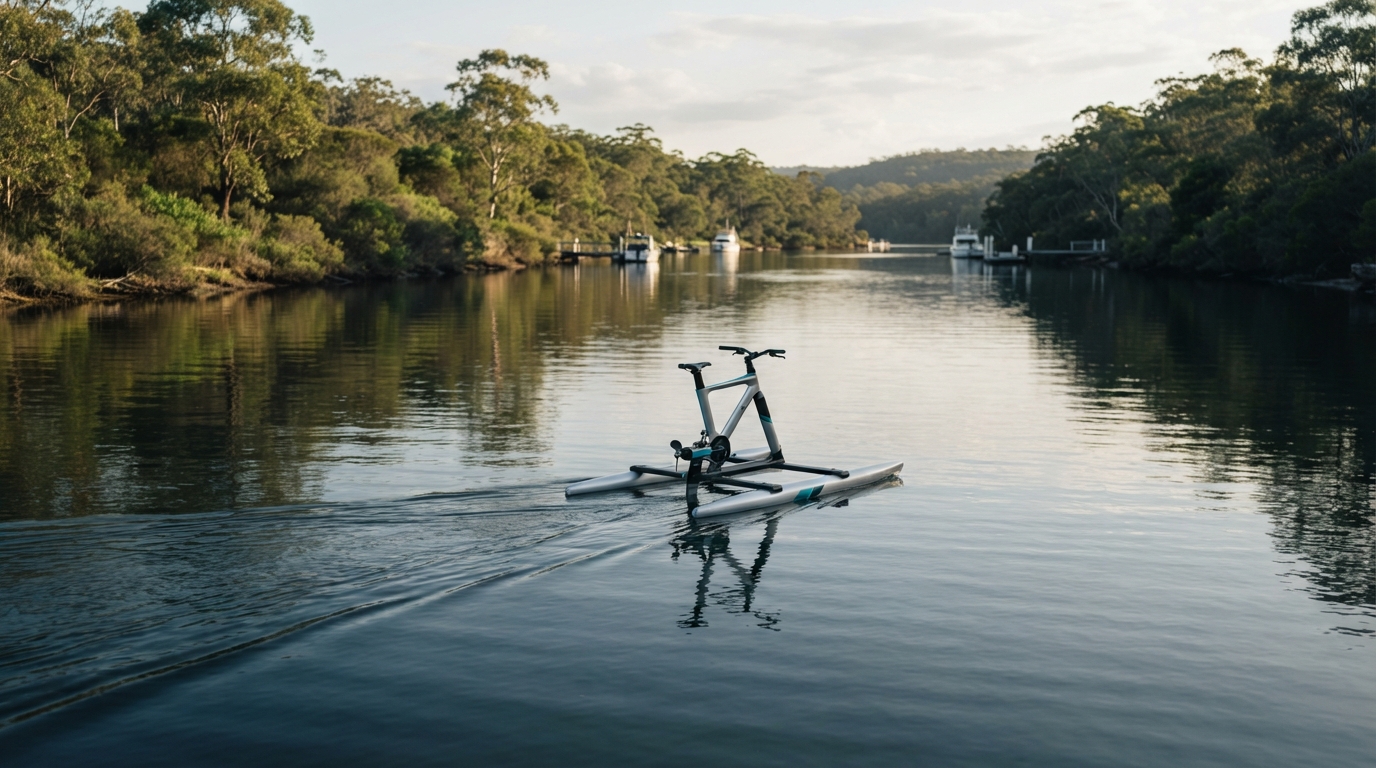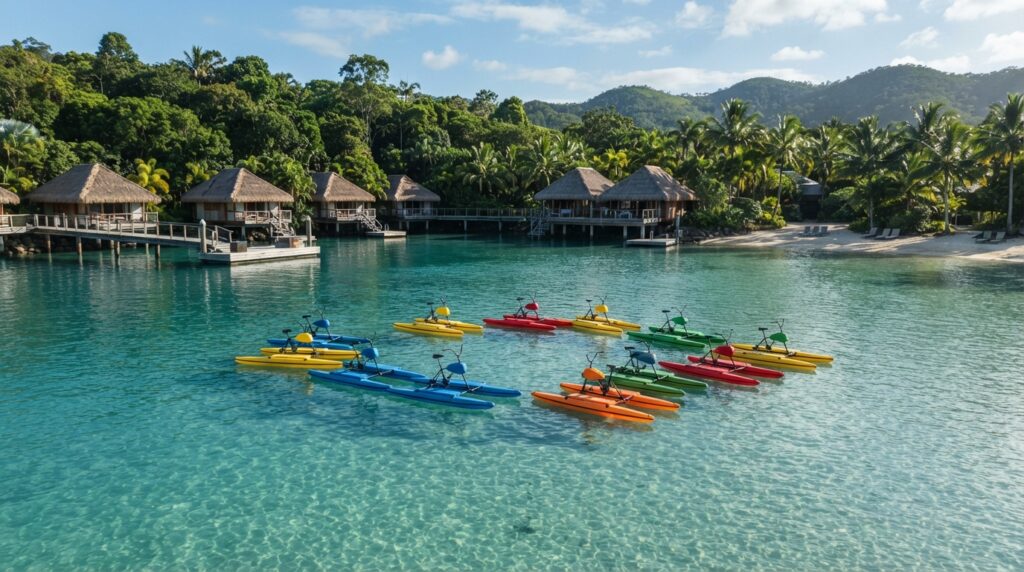

Water bikes occupy a unique position within the broader landscape of watercraft. They are neither traditional boats nor purely fitness equipment, yet they combine elements of both. As interest in accessible, low-impact recreational activities continues to grow, water bikes are attracting increasing attention from both individual users and commercial operators.
The question is whether water bikes represent a niche activity or a meaningful part of the future of recreational water use. To answer this, it is necessary to examine broader trends in consumer behaviour, technological development, and the specific characteristics of the Australian market.
This article provides a detailed analysis of where water bikes sit today and their likely trajectory over the coming years.
The Shift Toward Accessible Recreation
Changing Consumer Preferences
Modern users increasingly prioritise:
- simplicity
- accessibility
- flexibility
Barriers in Traditional Watercraft
Traditional boating often involves:
- high cost
- complexity
- maintenance
How Water Bikes Address This
Water bikes offer:
- easy entry
- minimal setup
- low ongoing commitment
Health and Fitness Trends
Growing Focus on Active Recreation
Water bikes align with:
- low-impact exercise
- outdoor activity
- lifestyle-focused recreation
Advantages
- accessible to a wide age range
- safe and controlled
Tourism and Commercial Growth
Rental Markets
Water bikes are ideal for:
- tourist destinations
- rental operations
Why They Work
- easy to use
- visually appealing
- low maintenance
Technology Development
Electric Assistance
Electric water bikes are expanding:
- increasing speed
- reducing effort
Material Improvements
- lighter frames
- improved durability
Australian Market Potential
Australia offers:
- extensive waterways
- strong outdoor culture
- favourable climate
Implication
Water bikes are particularly well suited to:
- Australian lifestyle
- recreational use
Comparison with Other Water Activities
Water bikes compete with:
- kayaking
- paddleboarding
- small boats
Key Advantage
- combination of stability and ease of use
Limitations to Consider
- limited speed
- not suited to rough conditions
- shorter range
Long-Term Adoption Outlook
Short-Term (1–3 Years)
- increasing awareness
- growth in rental markets
Medium-Term (3–7 Years)
- wider adoption
- improved designs
Long-Term (7+ Years)
- established recreational category
Strategic Perspective
Water bikes are unlikely to replace traditional watercraft, but they will:
- expand recreational options
- increase accessibility
Conclusion
Water bikes represent a growing and increasingly relevant segment of recreational watercraft. Their combination of accessibility, low cost, and ease of use aligns well with modern consumer preferences, particularly in Australia. As technology and awareness continue to improve, they are likely to become a permanent and expanding part of the water recreation landscape.