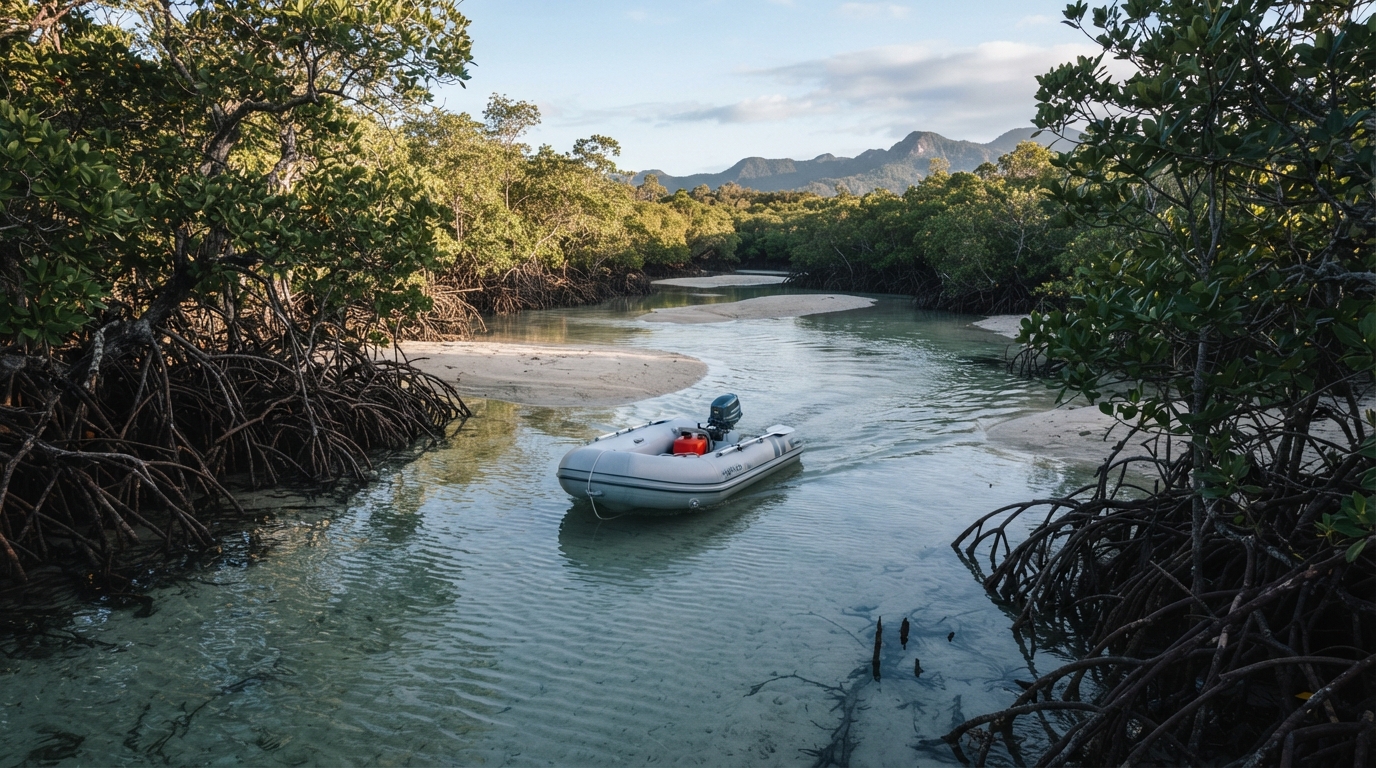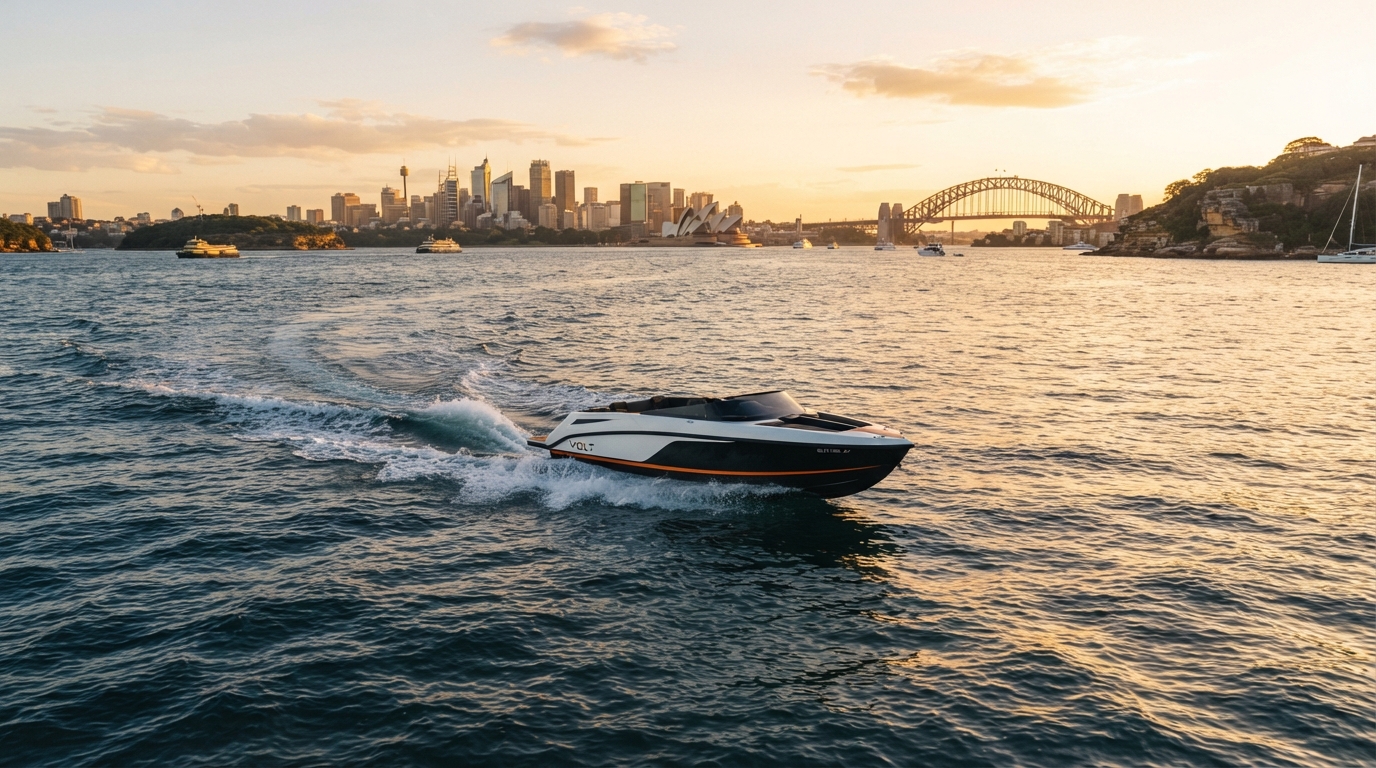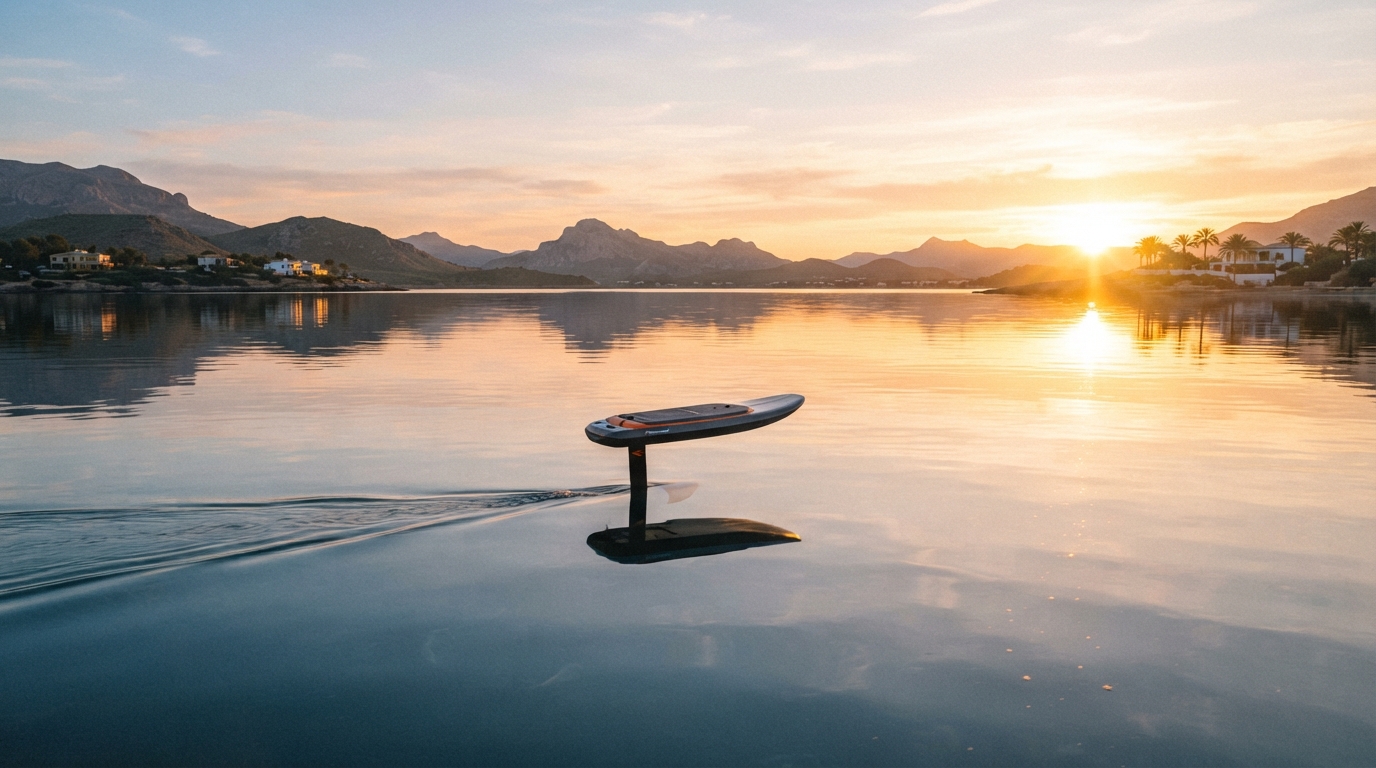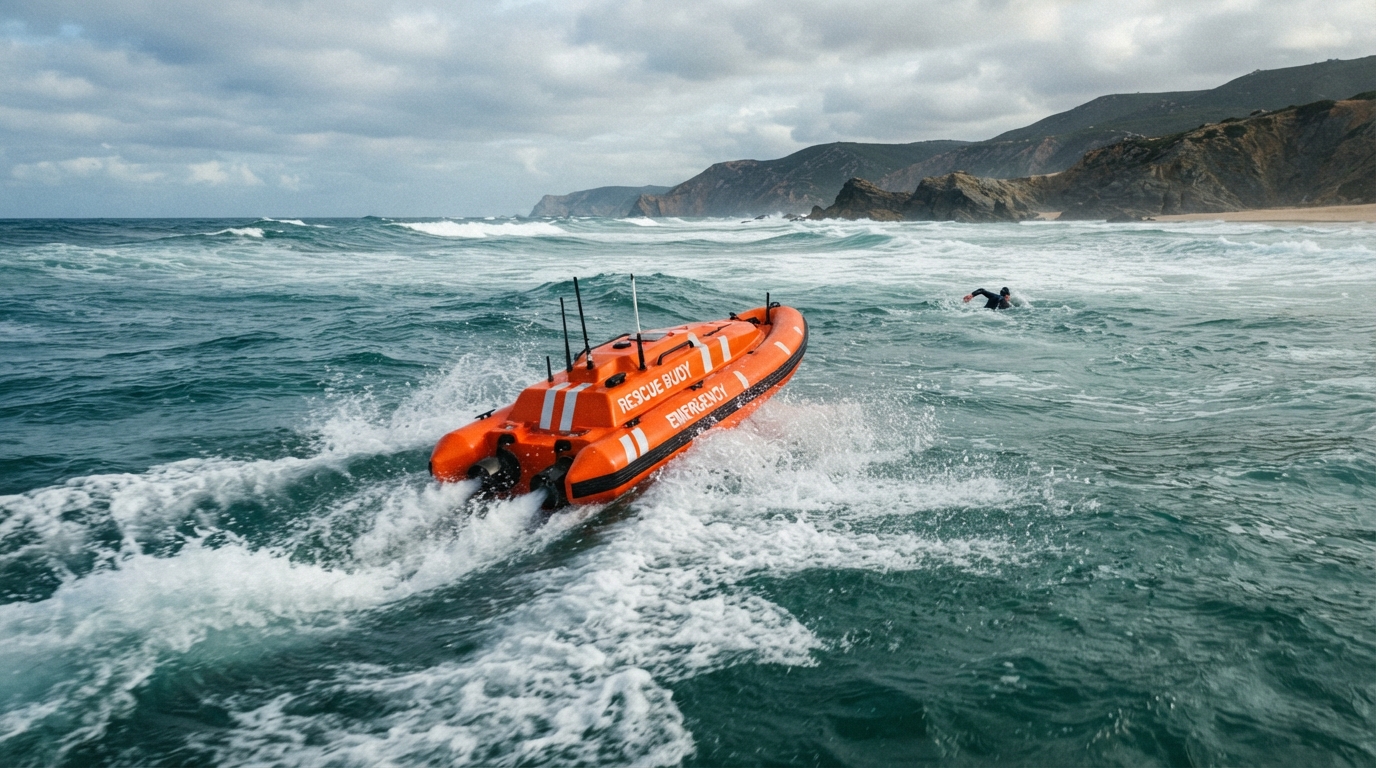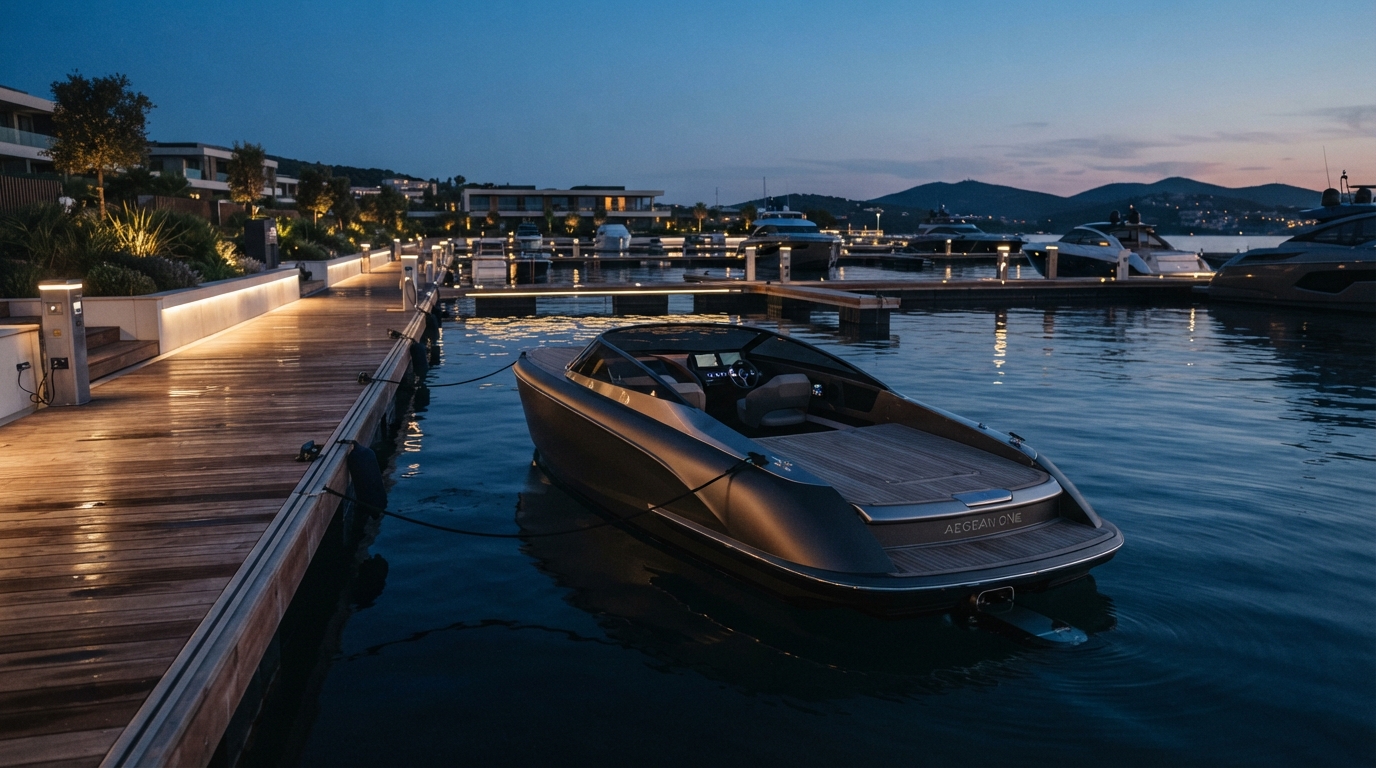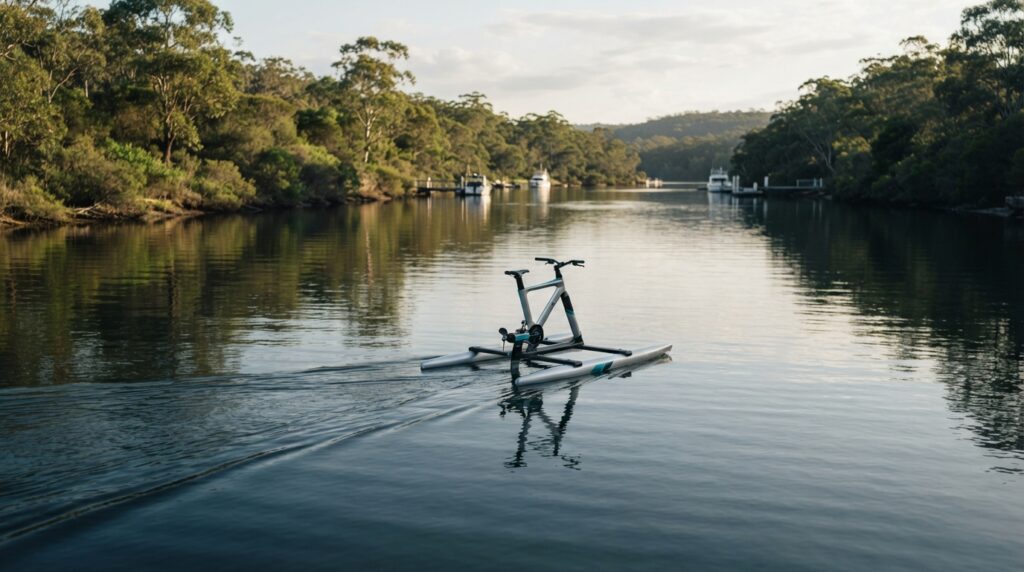

Water bikes represent a relatively new category in the broader landscape of watercraft, and as with any emerging technology, they are often compared to existing options. For many prospective users, the key question is not simply what water bikes are, but how they compare to traditional watercraft such as kayaks, small boats, jet skis, and even inflatable boats.
These comparisons are important because they shape expectations. A water bike is not designed to replace all other watercraft, but it does offer distinct advantages that make it highly suitable for specific uses. Understanding where it excels—and where it does not—is essential for making informed decisions.
In Australia, where water-based recreation is both diverse and widely accessible, these comparisons become even more relevant. This article provides a detailed, practical comparison between water bikes and traditional watercraft, focusing on real-world use rather than theoretical specifications.
Understanding the Core Difference
Traditional Watercraft
Traditional watercraft include:
- kayaks and canoes
- small boats (inflatable and rigid)
- personal watercraft (jet skis)
These typically rely on:
- paddling
- engines
- sails
Water Bikes
Water bikes combine:
- cycling mechanics
- floating platforms
They are powered by:
- pedalling or electric assist
Fundamental Difference
Traditional craft are:
- built around water navigation
Water bikes are:
- built around human movement translated onto water
Cost Comparison
Upfront Cost
Water bikes:
- moderate entry cost
- generally lower than powered boats
Traditional boats:
- higher initial investment
Jet skis:
- significantly higher cost
Ongoing Costs
Water bikes:
- minimal ongoing costs
- no fuel (for pedal versions)
Traditional boats:
- fuel
- maintenance
- storage
Result
Water bikes offer:
- lower total cost of ownership
Ease of Use and Accessibility
Water Bikes
- intuitive operation
- minimal learning curve
- accessible to a wide age range
Traditional Boats
- require familiarity with controls
- may involve licensing
Kayaks
- require physical effort
- less stable for beginners
Outcome
Water bikes are among the most accessible watercraft available.
Performance Comparison
Speed
Water bikes:
- moderate speed (pedal)
- higher with electric assist
Jet skis:
- high speed
Boats:
- variable depending on engine
Range
Water bikes:
- limited by user endurance or battery
Boats:
- longer range
Efficiency
Water bikes are:
- highly efficient for short to medium distances
Stability and Safety
Water Bikes
- very stable
- low risk of capsizing
Kayaks
- less stable
- require balance
Boats
- stable but dependent on size
Key Advantage
Water bikes provide:
- confidence for beginners
- safe recreational use
Transport and Storage
Water Bikes
- lightweight
- easy to transport
- minimal storage space
Traditional Boats
- require trailers
- require storage
Impact
Water bikes offer:
- significant logistical advantages
Environmental Impact
Water Bikes
- minimal environmental impact
- no emissions (pedal models)
Motorised Craft
- fuel consumption
- noise
Applications
Water Bikes
Best suited for:
- recreation
- fitness
- calm water exploration
Traditional Boats
Best suited for:
- transport
- fishing
- long-distance travel
Australian Context
Australia’s waterways provide:
- ideal conditions for water bikes
- strong demand for recreational activities
Where Water Bikes Fit
- lakes
- rivers
- sheltered coastal areas
Limitations of Water Bikes
- limited speed compared to powered craft
- not suited for rough conditions
- shorter range
When to Choose a Water Bike
Choose a water bike if:
- you want simple, accessible recreation
- you prefer low cost and low maintenance
- you value stability and ease of use
Conclusion
Water bikes are not designed to replace traditional watercraft, but they fill a unique and increasingly important role. They provide an accessible, cost-effective, and environmentally friendly way to enjoy waterways, particularly in Australia where conditions often favour calm-water recreation. Understanding their strengths and limitations ensures they are used effectively and appreciated for what they offer.