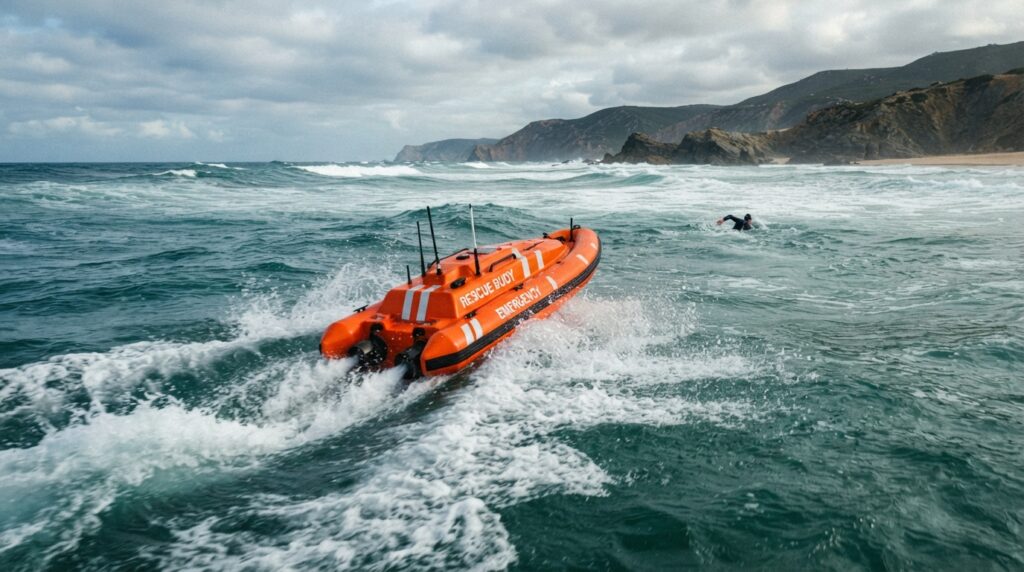

Water safety has always been a critical concern across recreational, commercial, and emergency response environments. Traditional rescue methods—while effective—often rely on direct human intervention, placing rescuers at risk and limiting response speed in challenging conditions. In recent years, a new category of equipment has emerged that addresses these limitations: the Remote Control Rescue Buoy (RCRB).
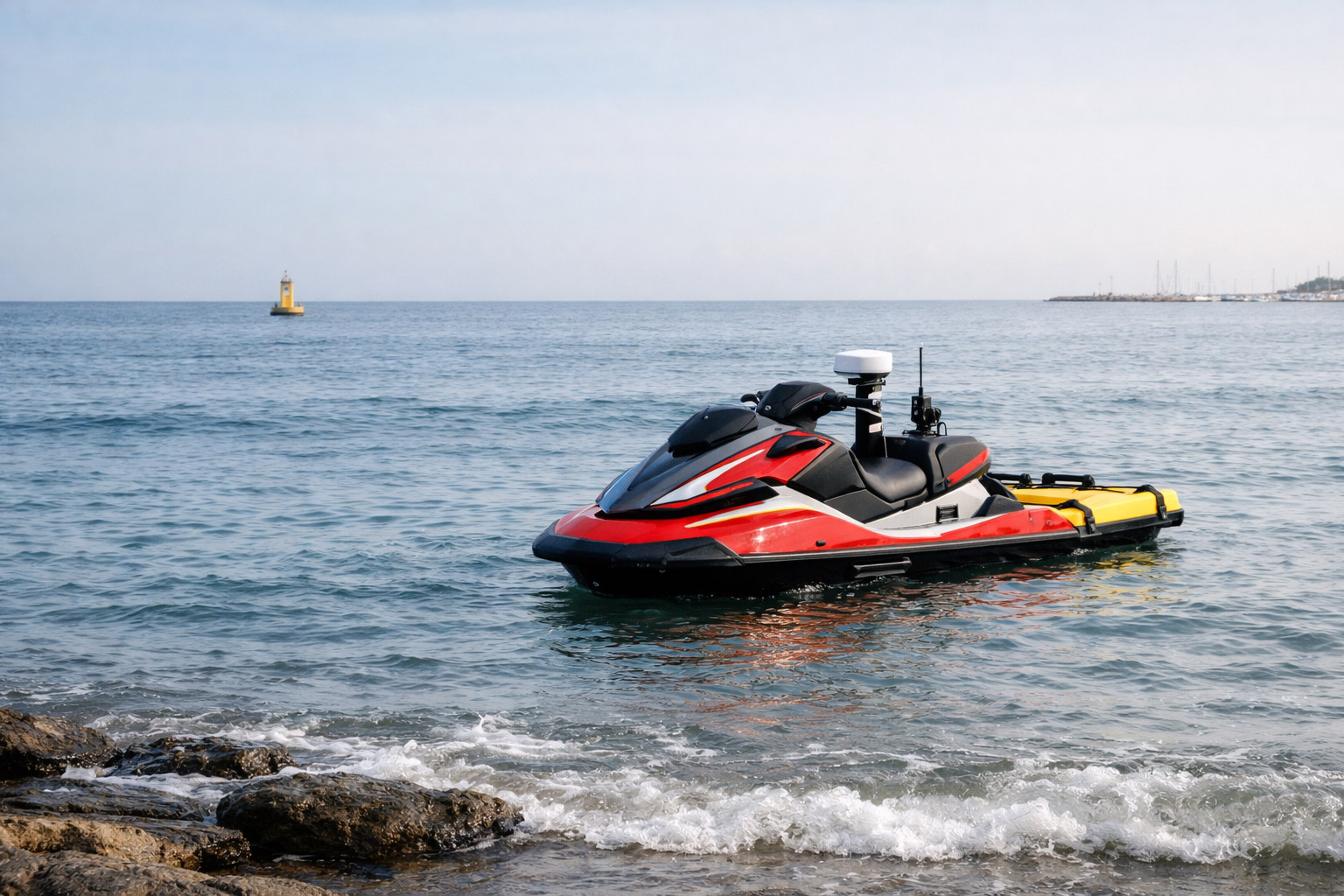
RCRBs represent a significant advancement in water rescue technology. They combine flotation, propulsion, and remote operation into a compact device designed to reach individuals in distress quickly and safely. Their adoption is increasing globally, particularly in regions like Australia where extensive coastlines, inland waterways, and high participation in water activities create ongoing demand for improved safety solutions.
This article provides a comprehensive examination of RCRBs, including how they work, why they are effective, and how they are changing the landscape of water rescue.
Understanding the Purpose of RCRBs
At their core, RCRBs are designed to:
- deliver flotation to a person in distress
- reduce response time
- minimise risk to rescuers
Unlike traditional rescue equipment, they are remotely operated, allowing responders to assist from a safe distance.
How RCRBs Work
Core Components
An RCRB typically consists of:
- buoyant body
- electric propulsion system
- remote control interface
- rechargeable battery
Operation Process
- Device is deployed into the water
- Operator controls direction via remote
- RCRB travels to person in distress
- Individual holds onto buoy
- Device assists in returning to safety
Key Advantage
The rescuer remains out of the water, reducing risk.
Why RCRBs Are a Major Advancement
Speed of Response
Traditional rescues may involve:
- entering the water
- swimming to the victim
RCRBs:
- travel quickly
- reduce time to contact
Safety for Rescuers
Rescuers face risks such as:
- strong currents
- dangerous conditions
RCRBs:
- eliminate direct exposure
Ease of Deployment
- quick to deploy
- minimal setup required
Applications Across Different Environments
Surf Beaches
- assist swimmers in distress
- operate in challenging surf conditions
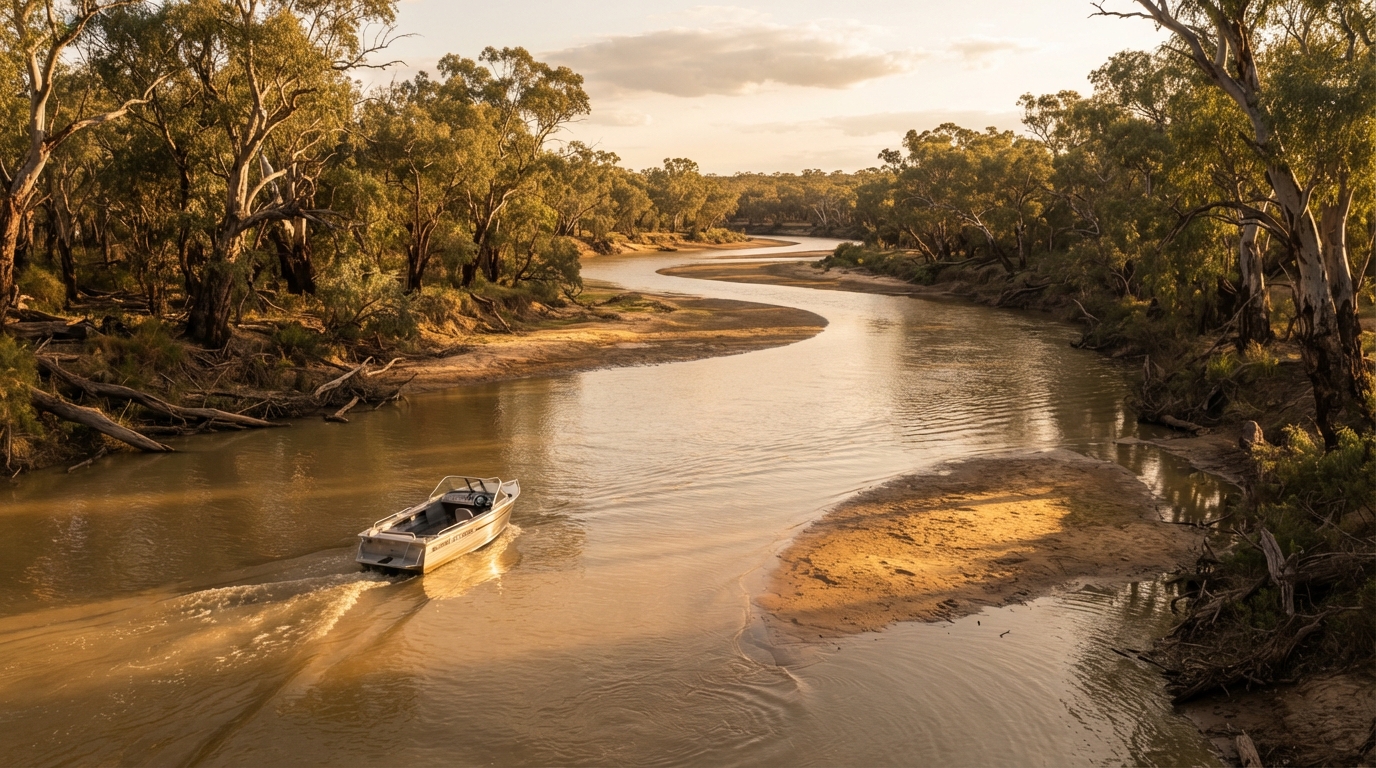
Rivers and Inland Waterways
- effective in currents
- useful in confined areas
Pools and Controlled Environments
- training
- safety support
Commercial and Industrial Use
- marinas
- offshore facilities
- water-based workplaces
Australian Context – High Relevance
Australia presents unique challenges:
- long coastline
- strong surf conditions
- widespread water activity
Implication
RCRBs provide:
- enhanced safety capability
- improved response efficiency
Comparison with Traditional Rescue Methods
Swimming Rescue
- physically demanding
- slower
Rescue Boards
- effective but require skill
RCRBs
- faster deployment
- reduced risk
- accessible to more operators
Technology Behind RCRBs
Electric Propulsion
- efficient
- reliable
- low maintenance
Battery Systems
- rechargeable
- designed for repeated use
Remote Control Systems
- intuitive operation
- responsive handling
Advantages of RCRBs
- rapid response
- increased safety
- ease of use
- versatility
Limitations to Consider
- range limitations
- battery dependency
- requires training for optimal use
Training and Operation
Ease of Learning
Operators can:
- learn quickly
- gain confidence with practice
Professional Use
Structured training improves:
- efficiency
- effectiveness
Future of RCRBs
Expected developments include:
- improved battery performance
- enhanced control systems
- increased adoption
Conclusion
Remote Control Rescue Buoys represent a major advancement in water safety technology. By combining speed, safety, and ease of use, they provide a powerful tool for reducing risk and improving rescue outcomes across a wide range of environments.