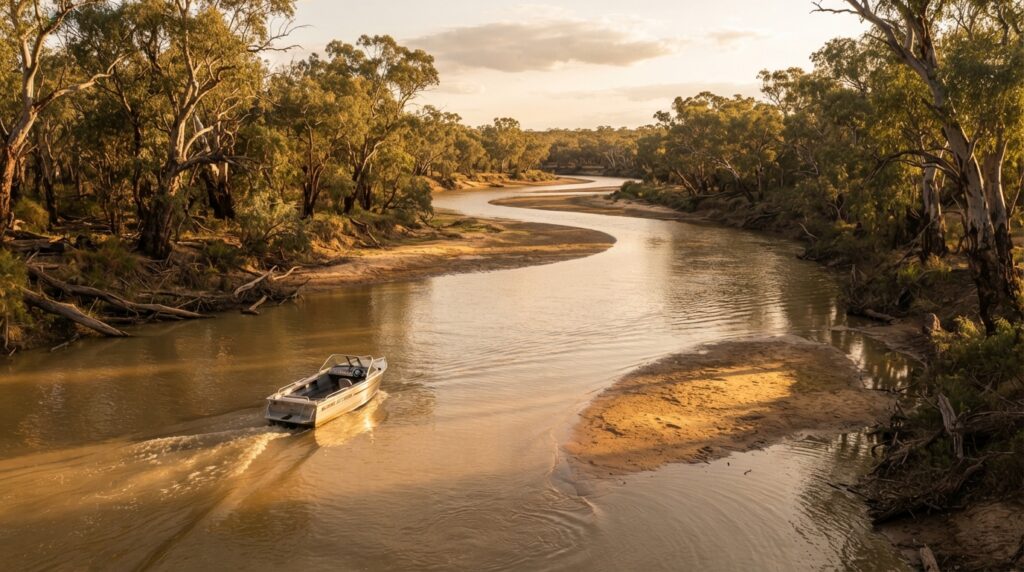

One of the most overlooked advantages of mini jet boats is not performance, cost, or even portability—it is where they can be used.
Australia is a country defined by water diversity. From inland rivers to coastal estuaries, from calm lakes to remote waterways, the range of environments is extensive. However, not all watercraft are suited to all conditions. In fact, many traditional boats and jet skis are restricted by depth, access, transport requirements, and operating limitations.
Mini jet boats are different.
Their design—particularly jet propulsion combined with compact structure—allows them to operate across a far broader range of environments than many alternatives. This flexibility is one of the key reasons the category is growing in Australia.
This article explores where mini jet boats can realistically be used, how they perform in different environments, and what buyers should consider when matching their intended use to the right type of boat.
Understanding Australia’s Water Landscape
Australia offers a unique combination of waterways:
- Freshwater rivers
- Large inland lakes
- Coastal estuaries
- Remote access waterways
- Residential canal systems
Each presents different challenges.
The Key Issue
Most traditional watercraft are designed for:
- Deeper water
- Standard access points
- Predictable conditions
This limits usability.
Why Mini Jet Boats Expand Usable Locations
Mini jet boats are designed differently.
Key Advantages
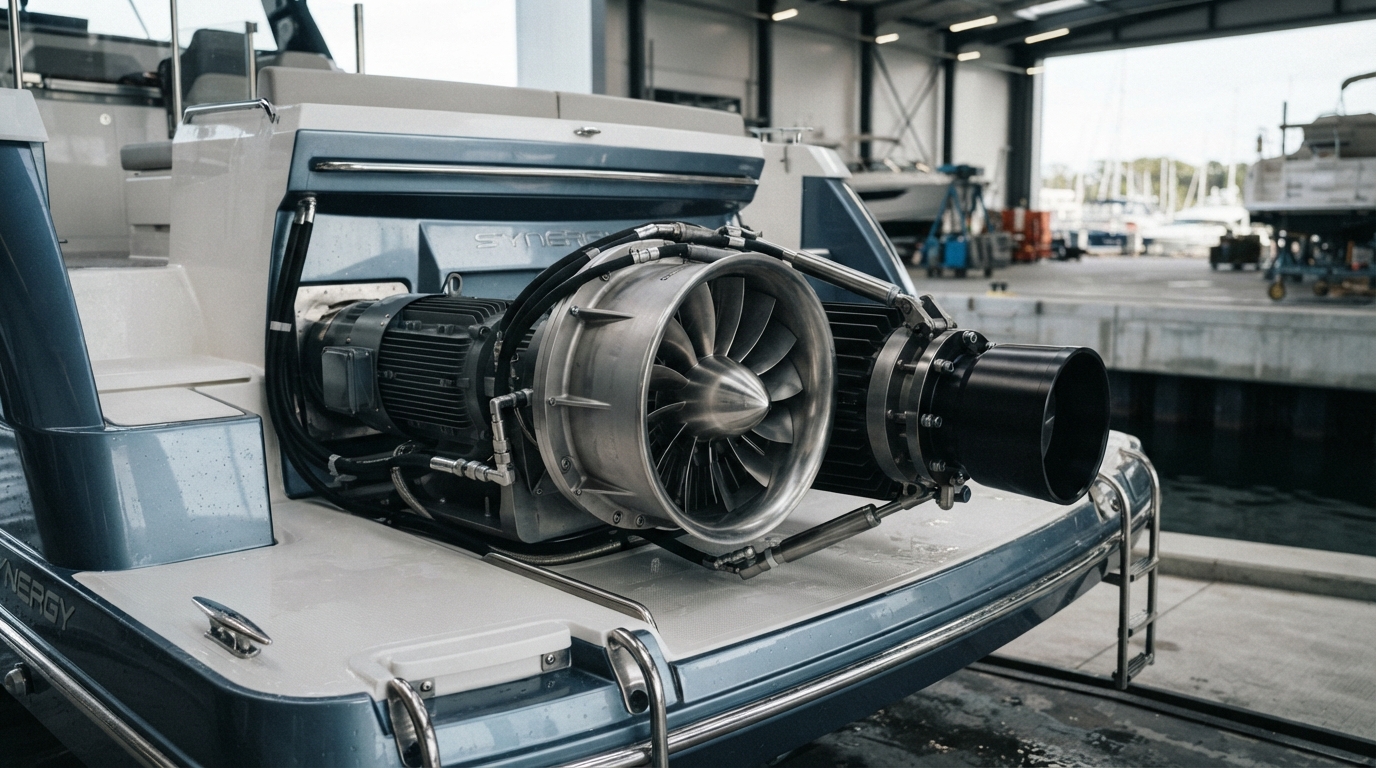
- No exposed propeller
- Shallow water capability
- Compact size
- High manoeuvrability
Result
They can be used in locations where many boats cannot.
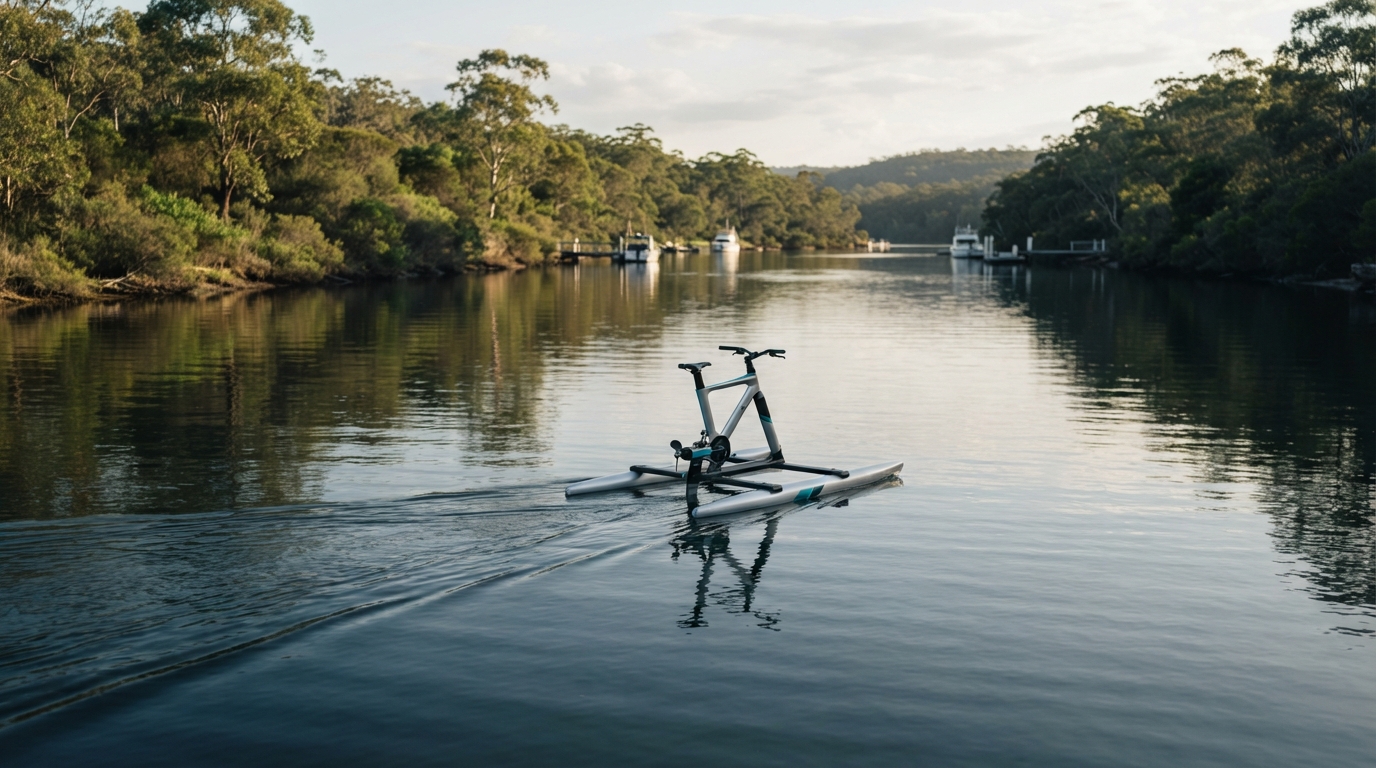
Rivers – The Ideal Environment
Rivers are one of the most common and suitable environments.
Why Rivers Suit Mini Jet Boats
- Variable depth
- Narrow passages
- Obstacles and debris
Jet Propulsion Advantage
Without a propeller:
- Less risk of damage
- Better shallow water operation
- Greater confidence in navigation
Real Use Case
- Weekend river exploration
- Fishing access points
- Recreational cruising
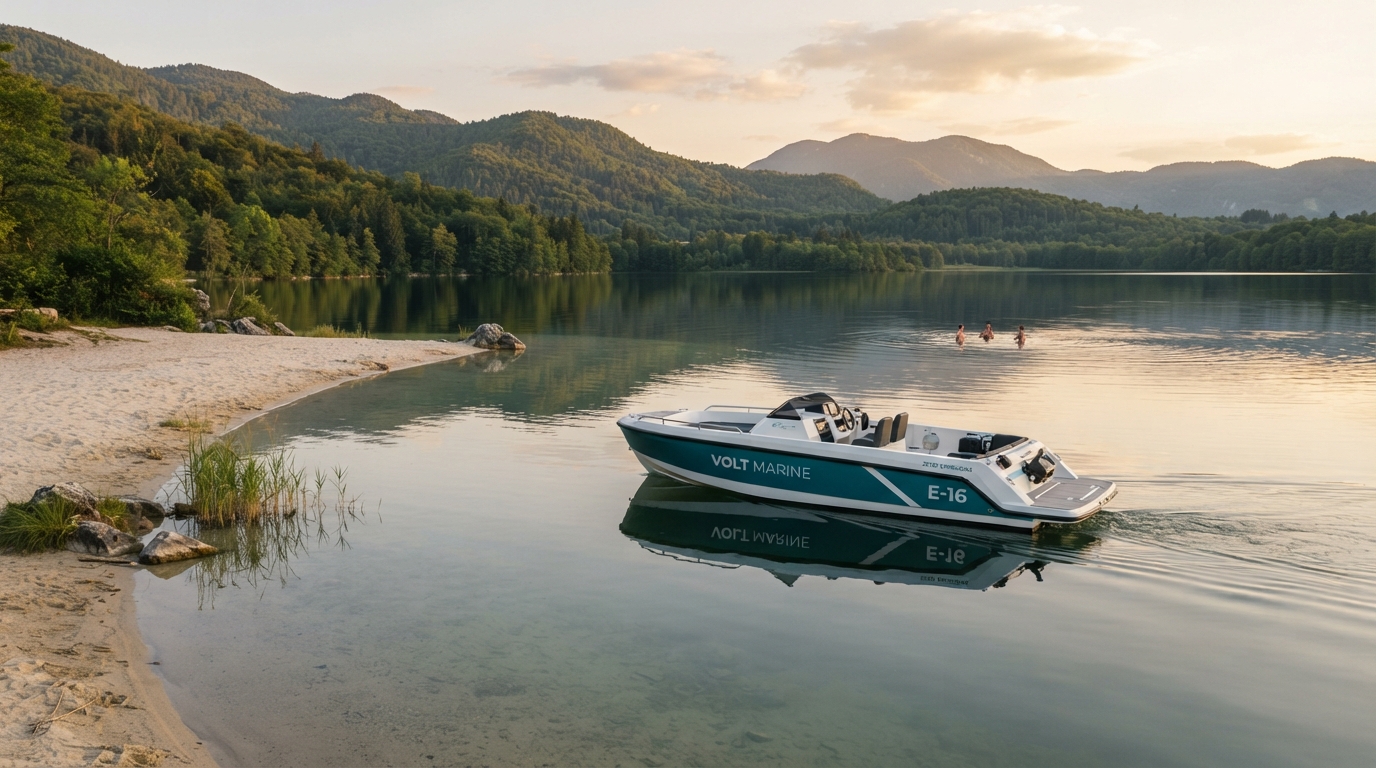
Lakes – Stable and Accessible
Lakes provide ideal conditions for recreational use.
Advantages
- Calm water
- Open space
- Predictable conditions
Why Mini Jet Boats Perform Well
- Stable handling
- Smooth operation
- Suitable speed
Family Use
Lakes are particularly suitable for:
- Families
- Beginners
- Relaxed outings
Estuaries – Mixed Conditions, Strong Performance
Estuaries combine:
- Fresh and saltwater
- Changing depths
- Variable conditions
Why Mini Jet Boats Work Here
- Shallow water capability
- Responsive handling
- Versatility
Practical Use
- Coastal exploration
- Leisure boating
- Access to waterways
Remote Waterways – A Major Advantage
Many Australian waterways are not easily accessible.
Traditional Limitation
Larger boats require:
- Boat ramps
- Infrastructure
- Trailer access
Mini Jet Boat Advantage
Portable designs allow:
- Access to remote areas
- Launch from non-traditional points
- Exploration beyond standard locations
Residential Waterways
Electric mini jet boats are ideal for:
- Canal systems
- Waterfront homes
- Residential areas
Why
- Quiet operation
- Low disturbance
- Easy access
Shallow Water Environments
Shallow water is one of the biggest limitations for traditional boats.
Mini Jet Boat Advantage
- No exposed propeller
- Reduced draft
- Greater flexibility
Result
More usable water.
Where Mini Jet Boats Are Less Suitable
It is important to be realistic.
Not Ideal For:
- Offshore ocean conditions
- Rough, open water
- Heavy-duty commercial use
Why
- Size limitations
- Design focus on recreation
Matching Boat to Environment
Buyers should consider:
- Primary usage location
- Water conditions
- Access points
Key Question
Real-World Ownership Scenarios
Scenario 1 – River Use
- Frequent outings
- Easy access
- High usability
Scenario 2 – Lake Use
- Family recreation
- Calm conditions
- Relaxed operation
Scenario 3 – Mixed Use
- Rivers + estuaries
- Exploration
- Versatility
Positioning vs Alternatives
Compared to Traditional Boats
- Greater access
- More flexibility
- Easier transport
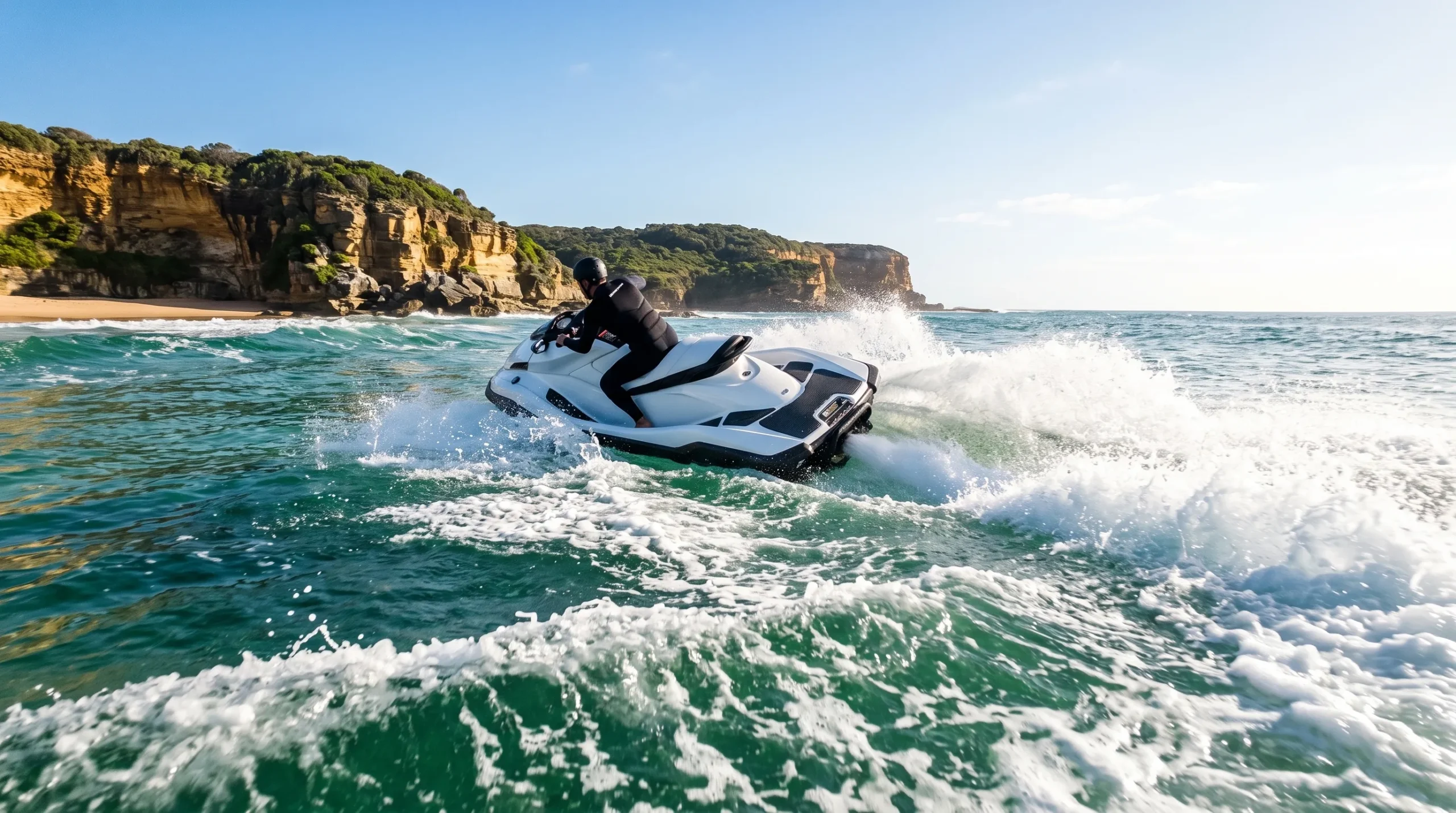
Compared to Jet Skis
- Broader usability
- Better adaptability
- More controlled operation
Buyer Guidance
Focus on:
- Intended environment
- Ease of access
- Practical usability
Avoid
- Overestimating capability
- Ignoring limitations
- Choosing based on appearance