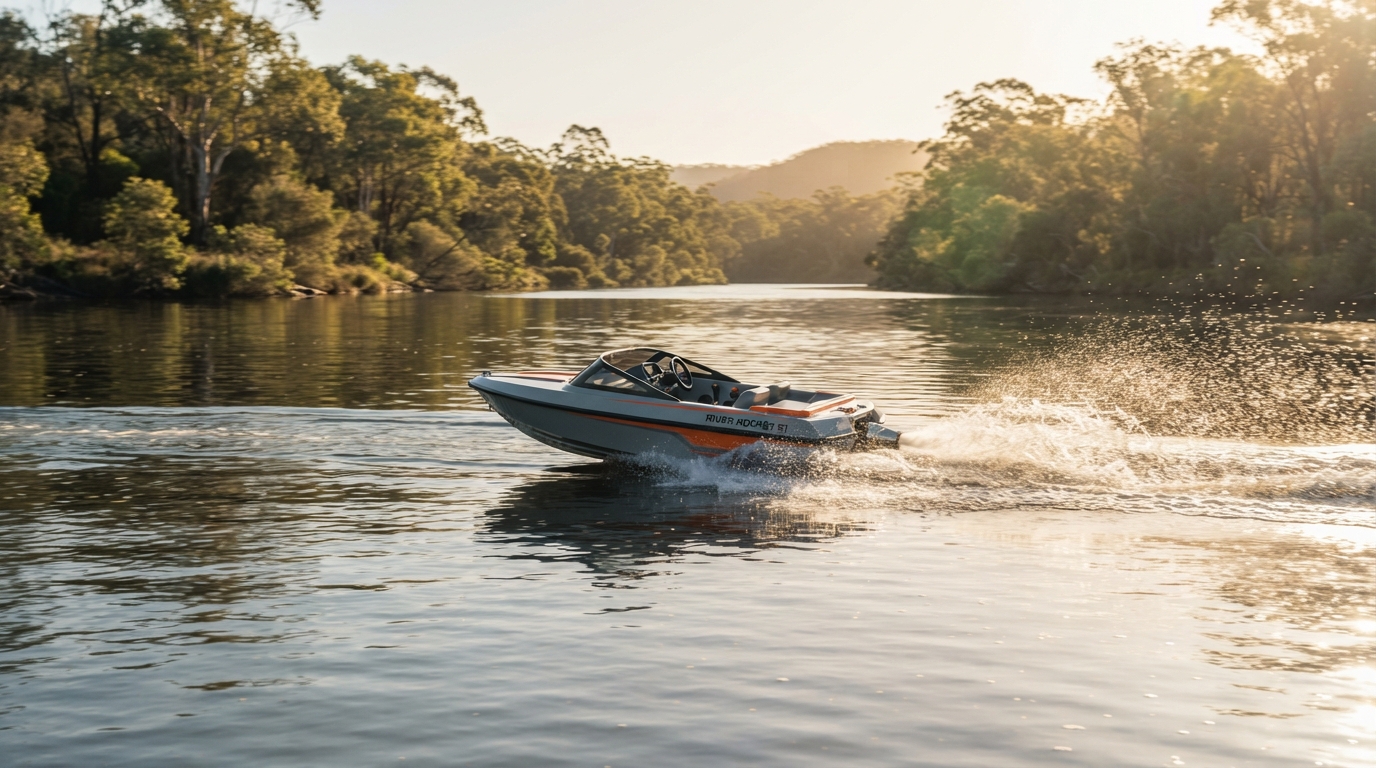
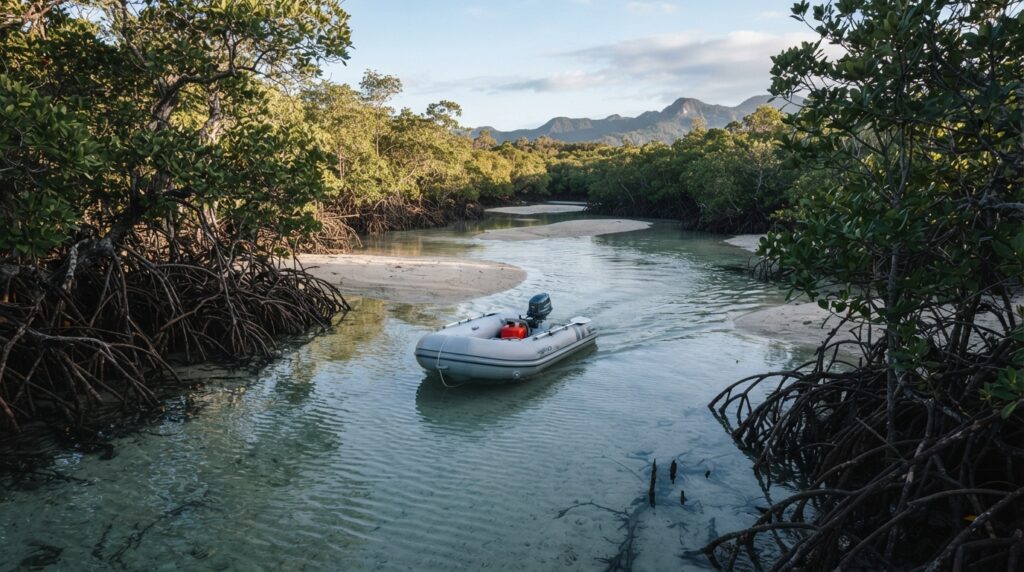

Inflatable boats are often described as versatile, but that word is frequently used without proper explanation. True versatility is not simply about being able to operate in many environments—it is about performing effectively, safely, and efficiently within those environments. Modern inflatable boats, particularly well-constructed models using advanced materials, are capable of operating across a wide range of Australian waterways. However, like any vessel, they perform best in specific conditions where their inherent advantages can be fully utilised.
Australia presents one of the most diverse boating environments in the world. From inland rivers and freshwater lakes to sheltered estuaries and exposed coastal zones, each setting places different demands on a vessel. Understanding where inflatable boats excel—and where their limitations begin—is essential for both recreational users and commercial operators.
This article provides a detailed, practical analysis of how inflatable boats perform across Australia’s major water environments, offering real-world insight into their strengths, limitations, and optimal use cases.
Understanding Why Environment Matters
Before examining specific environments, it is important to understand why inflatable boats behave differently depending on conditions.
Key Factors That Influence Performance
- water movement (calm vs turbulent)
- wind exposure
- wave height and frequency
- depth and obstacles
- launch accessibility
Inflatable Boat Characteristics That Influence Performance
Inflatable boats are defined by:
- high buoyancy
- lightweight structure
- flexible tube design
- wide beam relative to size
What This Means in Practice
These characteristics result in:
- ease of launch
- forgiving handling
But also:
- reduced ability in heavy offshore conditions compared to large rigid hulls
Freshwater Lakes – One of the Best Use Cases
Typical Conditions
- calm water
- minimal current
- predictable surface conditions
Why Inflatable Boats Excel Here
Inflatable boats perform exceptionally well on lakes due to:
- stability at low and moderate speeds
- ease of transport and launch
- minimal setup requirements
Practical Advantages
Users benefit from:
- simple access without ramps (in many cases)
- safe environment for beginners
- low operating stress on equipment
Australian Context
Australia has numerous freshwater lakes and reservoirs where inflatable boats provide:
- ideal recreational platforms
- fishing access
- family-friendly boating
Rivers – Controlled and Selective Use
River Characteristics
Rivers vary widely:
- slow-moving inland rivers
- fast-flowing systems
- narrow or wide channels
Where Inflatable Boats Perform Well
- slow to moderate current rivers
- wide channels with clear navigation
Advantages in River Use
- shallow draft allows access to areas rigid boats cannot reach
- lightweight design improves manoeuvrability
- easy entry and exit points
Limitations
- strong currents reduce control
- debris and obstacles require caution
Best Practice
- use in predictable sections
- maintain awareness of current strength
- avoid confined, high-flow areas
Estuaries and Inshore Coastal Waters
Typical Conditions
- partially sheltered
- influenced by tides
- moderate chop possible
Why Inflatable Boats Work Well
Estuaries are one of the strongest environments for inflatable boats because:
- moderate conditions suit their design
- stability improves safety
- easy launch from varied locations
Practical Applications
- fishing
- short-distance transport
- recreational boating
Australian Relevance
Australia’s coastline is heavily defined by estuarine systems, making inflatable boats highly suitable for:
- accessible coastal boating
- low-cost entry into marine environments
Sheltered Coastal Areas
Conditions
- protected bays
- limited swell
- moderate wind exposure
Performance Characteristics
Inflatable boats in these areas offer:
- good handling
- stable ride
- efficient short-distance travel
Advantages
- safer for less experienced users
- suitable for day trips
- adaptable to varying conditions
Limitations
- not suited to heavy offshore swell
- performance reduces in rough water
Open Coastal Waters – Where Caution Is Required
Conditions
- waves
- swell
- wind exposure
Performance Considerations
While some inflatable boats (particularly RIBs) can operate offshore:
- performance depends heavily on design and size
- smaller inflatables are not suited to rough conditions
Limitations
- reduced control in heavy swell
- potential for discomfort in chop
Best Practice
- remain within sheltered areas
- avoid offshore use in poor conditions
Accessibility – A Major Advantage Across All Environments
One of the most overlooked benefits of inflatable boats is their ability to access areas where traditional boats cannot.
Examples
- launching from beaches
- accessing shallow waterways
- transporting without trailers
Impact
This increases usability across:
- remote areas
- urban waterways
- recreational zones
Safety Considerations Across Environments
Key Safety Strengths
- high buoyancy
- multi-chamber construction
- stability
Environmental Awareness
Users must consider:
- weather conditions
- water movement
- load capacity
Matching Boat Type to Environment
Soft Inflatable Boats
Best for:
- lakes
- calm rivers
- sheltered waters
RIBs (Rigid Inflatable Boats)
Best for:
- estuaries
- coastal waters
- moderate conditions
Australian Perspective – Why Inflatable Boats Are So Relevant
Australia’s geography makes inflatable boats particularly practical because:
- waterways are widespread
- access points vary
- conditions change rapidly
Key Advantage
Inflatable boats provide:
- flexibility
- accessibility
- adaptability
Conclusion
Inflatable boats perform best in environments where stability, portability, and ease of use are prioritised. Lakes, rivers, estuaries, and sheltered coastal waters highlight their strengths, making them highly suitable for Australian conditions. While they are not designed for heavy offshore use, their versatility across most everyday environments makes them one of the most practical watercraft options available.