
What Australia Requires — and Why the Water Environment Changes Everything
Introduction: Marine Electrical Safety Is Not the Same as Land-Based Safety
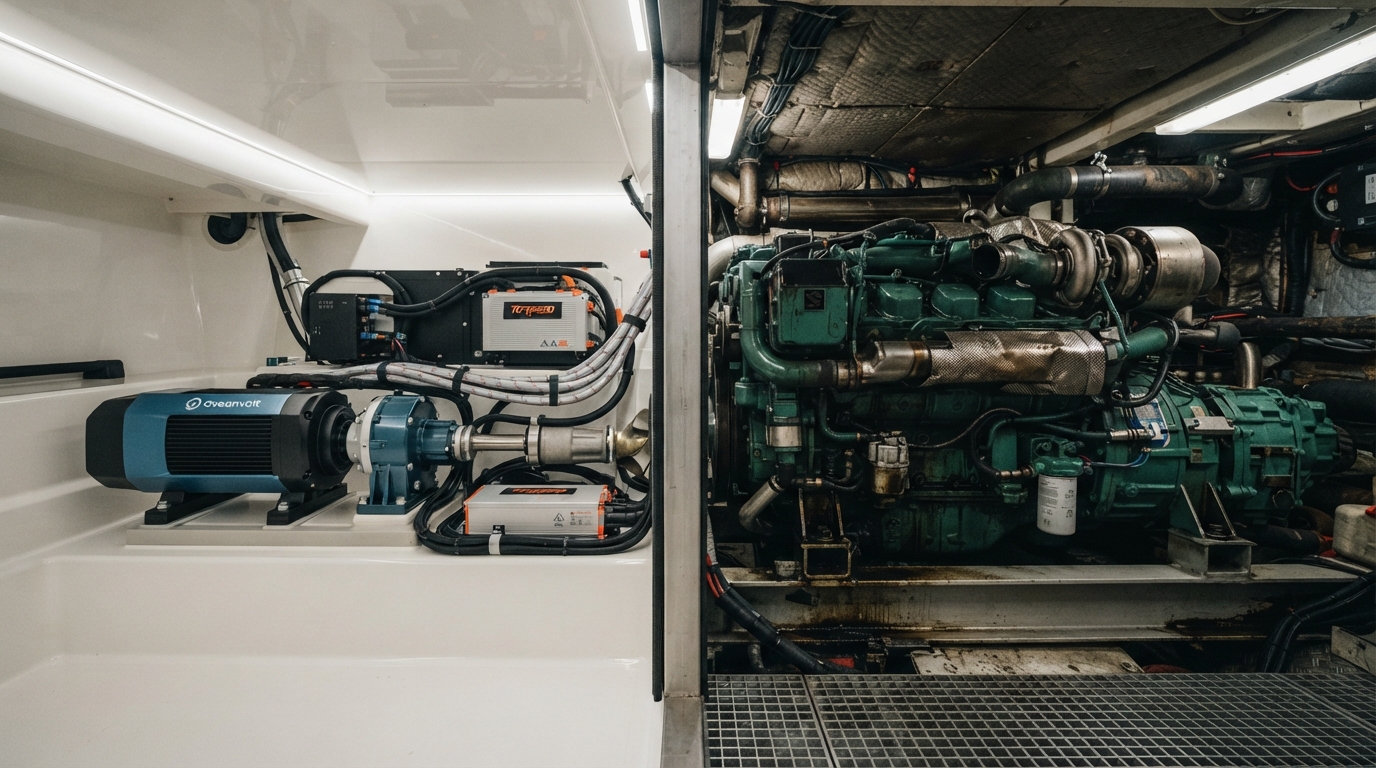
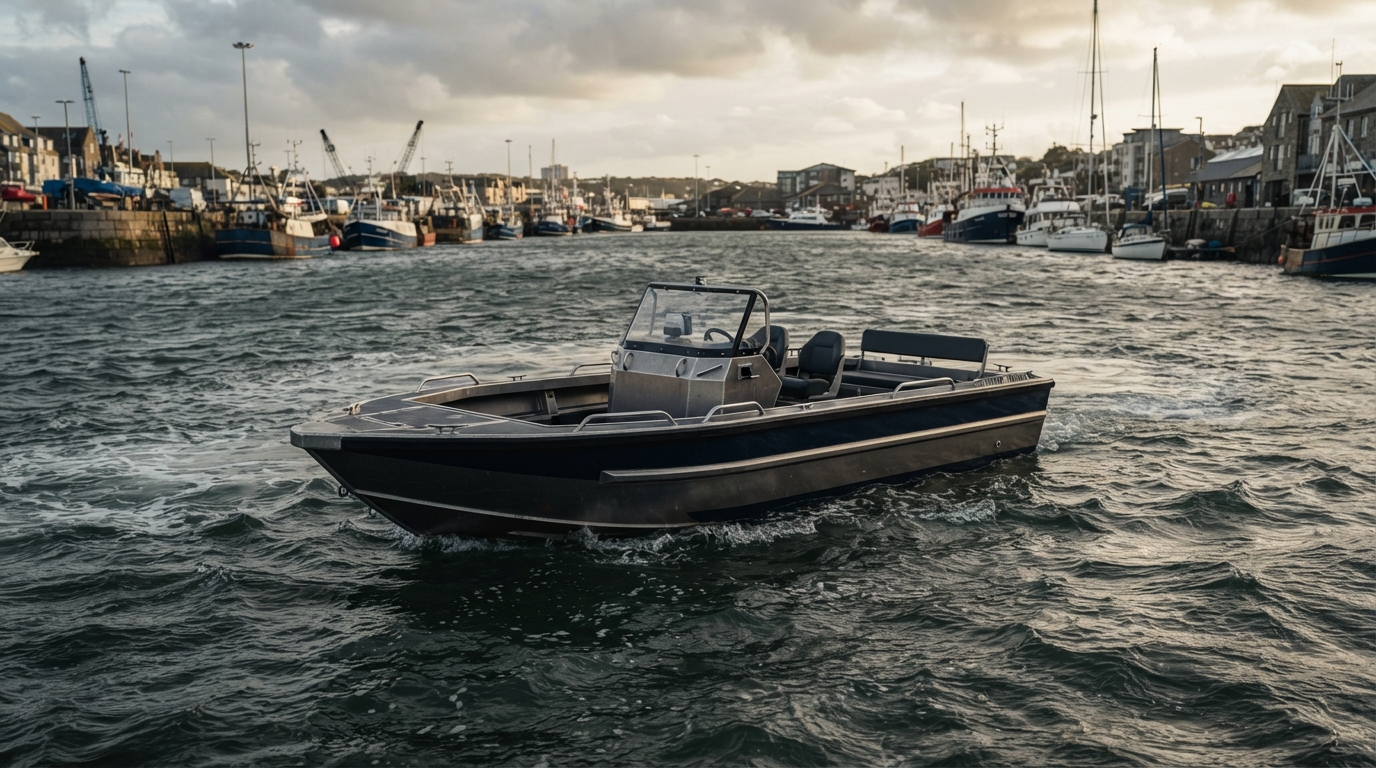
Lithium batteries used in marine environments operate under fundamentally different risk conditions compared to land-based systems. Saltwater, vibration, impact, confined spaces, limited escape routes, and rescue dependency mean that electrical failures on the water carry far greater consequences.
For this reason, Australia treats marine electrical systems — particularly those involving lithium batteries — with heightened scrutiny. Standards are not theoretical. They are written in response to fires, vessel losses, injuries, and fatalities.
This article explains marine electrical standards for lithium batteries in the Australian context, why general electrical compliance is not sufficient, how marine-specific risks are addressed, and what responsible manufacturers, importers, councils, and operators must insist upon.
Why Marine Lithium Battery Standards Are Stricter
Marine environments introduce risks that do not exist on land:
- Saltwater is conductive and corrosive
- Vessels vibrate continuously
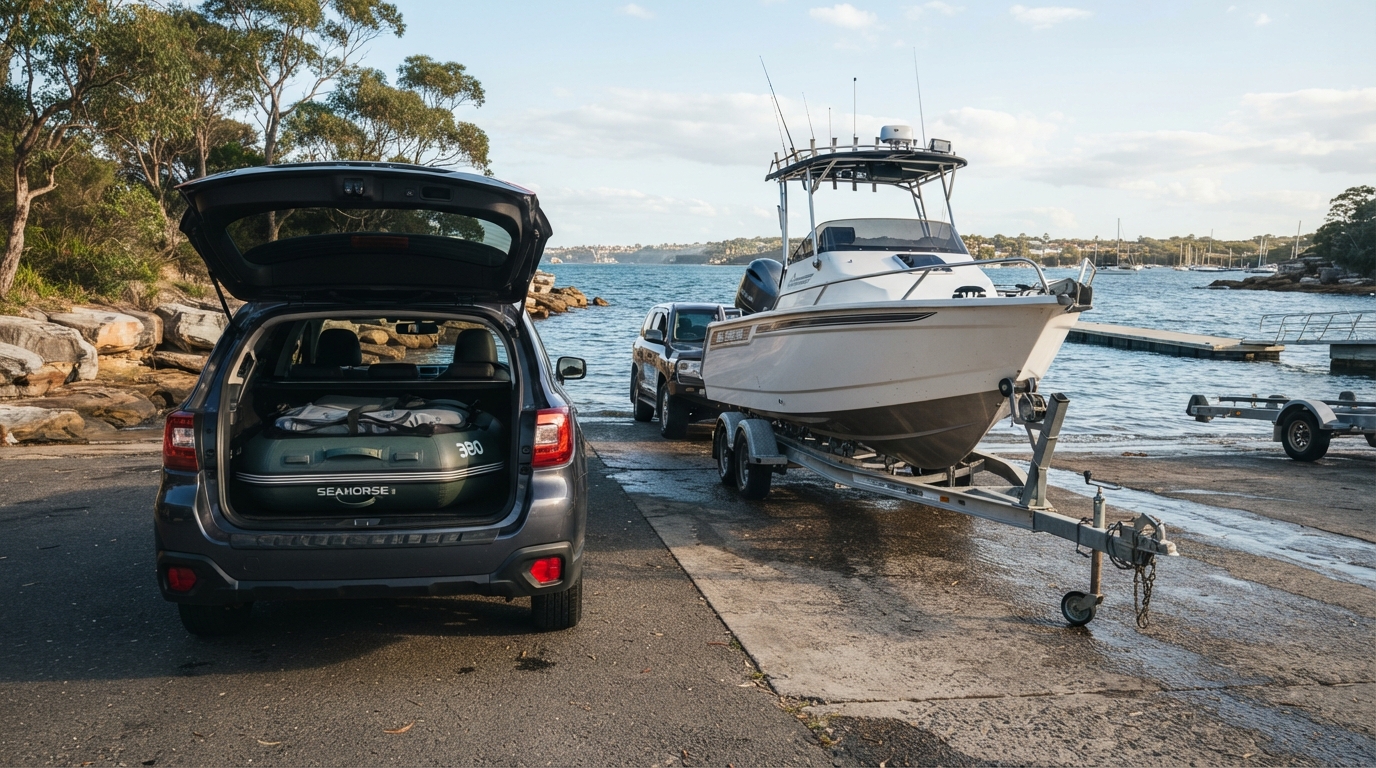
- Impact loads occur during waves, docking, and trailering
- Electrical faults can spread rapidly in confined hulls
- Fire at sea limits evacuation and firefighting options
Australian standards recognise that what is acceptable in a garage may be unacceptable on a vessel.
The Core Principle of Marine Electrical Standards
The guiding principle is simple: Electrical systems must fail safely, remain isolated from water, and prevent ignition under foreseeable marine conditions.
This principle informs every relevant Australian marine electrical requirement.
AS/NZS 3004 – Electrical Installations on Boats
AS/NZS 3004 is the cornerstone standard governing electrical installations on recreational and small commercial vessels in Australia. It addresses:
- DC electrical systems
- Battery installation and restraint
- Cable sizing and protection
- Isolation and switching
- Earthing and bonding
- Fire risk mitigation
Lithium battery systems must be installed in a way that complies fully with this standard, not adapted loosely from land-based practices.
Battery Location and Fire Risk Management
Marine standards place strong emphasis on battery location. Requirements and best practice include:
- Separation from fuel systems
- Distance from heat sources
- Protection from physical damage
- Accessibility for isolation and maintenance
- Adequate ventilation
Lithium batteries must never be installed where heat, vapour accumulation, or mechanical damage could trigger thermal runaway.
Battery Restraint and Structural Security
Unlike land installations, marine batteries must withstand:
- Vessel motion
- Slamming forces
- Capsize scenarios
- Impact loads
Australian standards require batteries to be:
- Mechanically restrained
- Secured against movement in all directions
- Protected from crushing and puncture
Unsecured lithium batteries are a recognised fire and explosion hazard at sea.
Enclosure Requirements in Marine Environments
Marine electrical standards strongly favour sealed, robust enclosures. Proper enclosures should provide:
- Water ingress protection (IP-rated where applicable)
- Flame-retardant materials
- Pressure relief paths
- Corrosion resistance
In marine lithium systems, the enclosure is a critical safety component — not cosmetic housing.
Cable Selection and Routing for Lithium Systems
Cabling failures are a leading cause of marine electrical fires. Australian standards require:
- Marine-grade, tinned copper cabling
- Correct conductor sizing for lithium discharge rates
- Secure routing away from sharp edges and heat
- Chafe protection
- Overcurrent protection at the source
Lithium batteries can deliver extremely high fault currents, making correct cable protection essential.
Overcurrent Protection and Isolation
Marine lithium systems must include:
- Properly rated fuses or circuit breakers
- Battery-adjacent overcurrent protection
- Clearly labelled isolation switches
- Emergency shutdown capability
Isolation is particularly important in public or rescue-related marine equipment, where non-technical users may need to disconnect systems quickly.
Battery Management Systems (BMS) in Marine Use
In marine applications, the BMS performs a life-safety function. A compliant marine-grade BMS should:
- Monitor individual cell temperatures
- Control charge and discharge limits
- Detect water-related faults
- Isolate the battery under unsafe conditions
- Prevent charging outside safe temperature ranges
Marine standards assume the presence of a robust BMS — not optional electronics.
Charging Systems and Shore Power Risks
Charging lithium batteries on vessels introduces additional hazards. Australian marine standards address:
- Isolation between shore power and DC systems
- Charger compatibility with lithium chemistry
- Protection against reverse polarity
- Overvoltage and overheating prevention
Improper chargers are a major contributor to lithium battery fires, particularly in marinas and storage facilities.
Saltwater Corrosion and Electrical Integrity
Saltwater accelerates corrosion at electrical connections. Standards require:
- Corrosion-resistant terminals
- Proper sealing of connections
- Regular inspection access
- Protective coatings where appropriate
Corrosion increases resistance, heat generation, and fire risk — particularly under high lithium battery currents.
Fire Containment and Flame Propagation Control
Marine electrical standards focus on limiting the consequences of failure. This includes:
- Preventing flame spread to surrounding materials
- Allowing time for evacuation or response
- Minimising toxic gas exposure
Lithium battery installations must be designed so that one failed component does not result in vessel loss.
Ventilation and Gas Management
Lithium batteries can emit gases under fault conditions. Marine standards require:
- Adequate ventilation pathways
- Avoidance of enclosed gas traps
- Separation from ignition sources
Poor ventilation in confined marine compartments dramatically increases explosion risk.
Public-Access and Rescue Equipment Considerations
When lithium-powered marine equipment is accessible to the public or used in rescue scenarios, expectations rise further. Authorities expect:
- Conservative electrical design margins
- Clear labelling and instructions
- Fail-safe operation
- Minimal reliance on user intervention
Marine electrical standards exist to protect non-experts in high-risk environments.
Import Compliance Still Applies at Sea
Marine use does not exempt products from import compliance. Lithium batteries must still meet:
- Australian-adopted battery safety standards
- Transport regulations
- Electrical safety requirements
Marine deployment increases scrutiny — it does not reduce obligations.
Insurance and Marine Electrical Compliance
Marine insurers routinely investigate electrical compliance after incidents. Non-compliant lithium installations may result in:
- Denied claims
- Vessel write-offs
- Liability exposure for operators or councils
Compliance with marine electrical standards is often a condition of coverage.
Why Marine Electrical Failures Are Treated Seriously in Australia
Australia’s waterways are vast, remote, and heavily used. Failures at sea:
- Are harder to respond to
- Put rescuers at risk
- Can escalate rapidly
- Often involve bystanders
This reality drives Australia’s conservative stance on marine electrical safety.
Grey Market Marine Electrical Systems: A Serious Risk
Grey market lithium marine systems often:
- Ignore marine standards entirely
- Use land-rated components
- Lack proper sealing and restraint
- Omit marine-grade cabling
These systems are disproportionately represented in incidents.
The Cost of Doing It Properly
Marine-compliant lithium systems cost more because they:
- Use higher-grade materials
- Undergo stricter testing
- Require careful integration
- Carry greater liability
This cost reflects risk reduction, not inefficiency.
What Responsible Buyers and Authorities Should Demand
In Australia, responsible stakeholders should insist on:
- Evidence of marine electrical compliance
- Installation guidance aligned with AS/NZS 3004
- Battery and BMS documentation
- Fire risk mitigation details
- Traceable supplier accountability
If these cannot be supplied clearly, the product should not be deployed.
Final Perspective: Marine Standards Exist Because the Water Is Unforgiving
The marine environment does not allow second chances. Australian marine electrical standards for lithium batteries exist because:
- Fires at sea are catastrophic
- Electrical faults escalate quickly
- Rescue is never guaranteed
Compliance is not bureaucracy — it is survival engineering. Responsible suppliers design for the worst day, not the best one. That is the difference between equipment that merely works and equipment that can be trusted when lives depend on it.