
What the Labels Really Mean — and Why the Difference Matters More Than Price
Introduction: Two Craft, Two Very Different Intentions
“Professional-grade” and “consumer” are phrases used freely in electric watercraft marketing, often without definition. To the untrained eye, two craft may look similar, claim comparable power, and even share superficial specifications. Yet beneath the surface, they are designed for fundamentally different purposes.
The difference is not cosmetic.
It is not merely about price.
And it is not something that can be added later.
Professional-grade electric watercraft are engineered to operate consistently, predictably, and safely under sustained load, variable conditions, and long service lives. Consumer equipment is designed to be accessible, appealing, and affordable for intermittent recreational use.
Confusing one for the other leads to disappointment, unexpected costs, and in some cases, safety risk.
This article explains — in practical terms — what separates professional-grade electric watercraft from consumer models, and how buyers can recognise the difference without relying on marketing language.
Design Philosophy: Outcome-Driven vs Experience-Driven
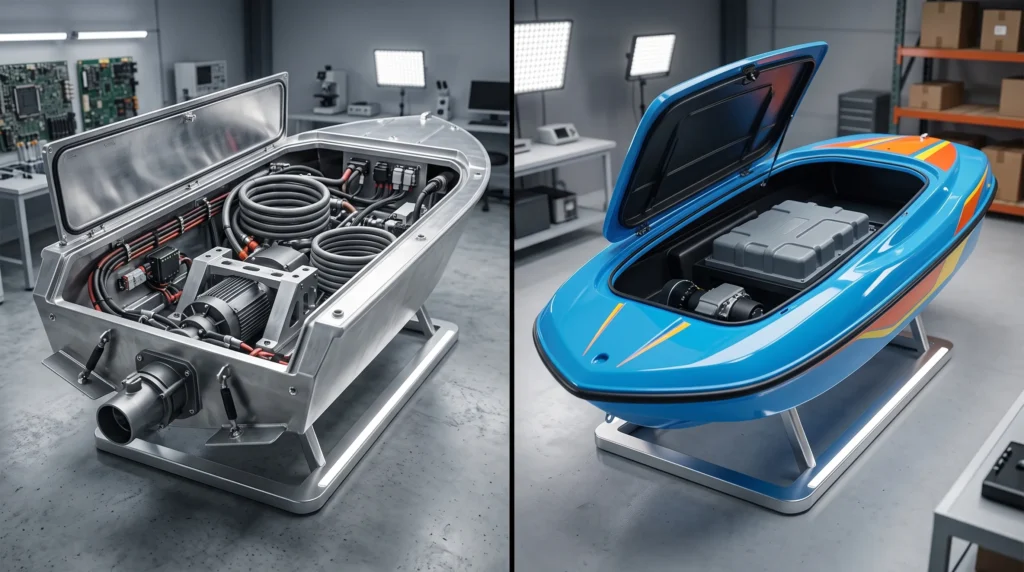
Professional-Grade Design
Professional equipment is designed backwards from its required outcome. Engineers begin by asking:
- What conditions will this craft face repeatedly?
- What loads must it sustain without degradation?
- What failures are unacceptable?
- How will it be maintained over time?
From there, components are selected conservatively, margins are built in, and performance is prioritised after reliability is assured.
Consumer Design
Consumer equipment is designed around the user experience at point of sale.
Design decisions focus on:
- Immediate performance feel
- Visual appeal
- Price competitiveness
- Ease of use
Longevity is expected, but not critical. Short bursts of impressive performance are acceptable, even if sustained operation is not.
This philosophical difference influences every engineering decision that follows.
Duty Cycle: The Defining Divider
The most important distinction between professional and consumer electric watercraft is duty cycle — how long and how hard the craft is expected to operate.
Professional Duty Cycle
Professional-grade craft are built for:
- Sustained operation
- Repeated daily use
- Extended run times
- High ambient temperatures
- Variable loads
They are designed to deliver rated performance continuously, not just briefly.
Consumer Duty Cycle
Consumer craft are designed for:
- Short sessions
- Intermittent use
- Cool-down periods between runs
- Controlled recreational conditions
They may deliver impressive peak output, but only within limited windows.
If duty cycle expectations are mismatched, premature wear and failure are inevitable.
Power Ratings: Continuous vs Promotional Numbers
Professional Power Ratings
Professional equipment specifies:
- Continuous power output
- Thermally sustainable limits
- Controller-limited safety margins
These numbers may appear conservative, but they reflect real, repeatable performance.
Consumer Power Ratings
Consumer equipment often advertises:
- Peak power bursts
- Short-duration output
- Laboratory or bench figures
These numbers feel impressive but are rarely sustainable in real conditions.
The practical result is that a professional craft with a lower advertised figure often outperforms a consumer craft over time and under load.
Battery Systems: Engineered Systems vs Energy Packs
Professional Battery Architecture
Professional-grade electric watercraft treat the battery as a structural and operational system.
Key characteristics include:
- Conservative depth-of-discharge limits
- Advanced battery management systems
- Thermal protection and monitoring
- Mechanical isolation from vibration
- Integrated enclosure design
Battery life, stability, and safety are prioritised over maximum headline capacity.
Consumer Battery Architecture
Consumer systems often prioritise:
- Maximum capacity for price
- Compact packaging
- Simplified management systems
Protection systems exist, but are often less layered and less conservative.
This difference becomes critical under heat, load, and repeated use — common realities in Australia.
Control Systems and Software Stability
Professional Control Systems
Professional equipment relies on control systems designed for:
- Predictable throttle response
- Fail-safe operation
- Redundant protection logic
- Controlled power ramping
Software updates are tested for stability before release.
Consumer Control Systems
Consumer systems often focus on:
- Aggressive throttle feel
- Fast response for excitement
- Simplified logic
While enjoyable, these systems may prioritise sensation over long-term component protection.
In professional contexts — rescue, patrol, hire fleets, councils — predictability matters more than excitement.
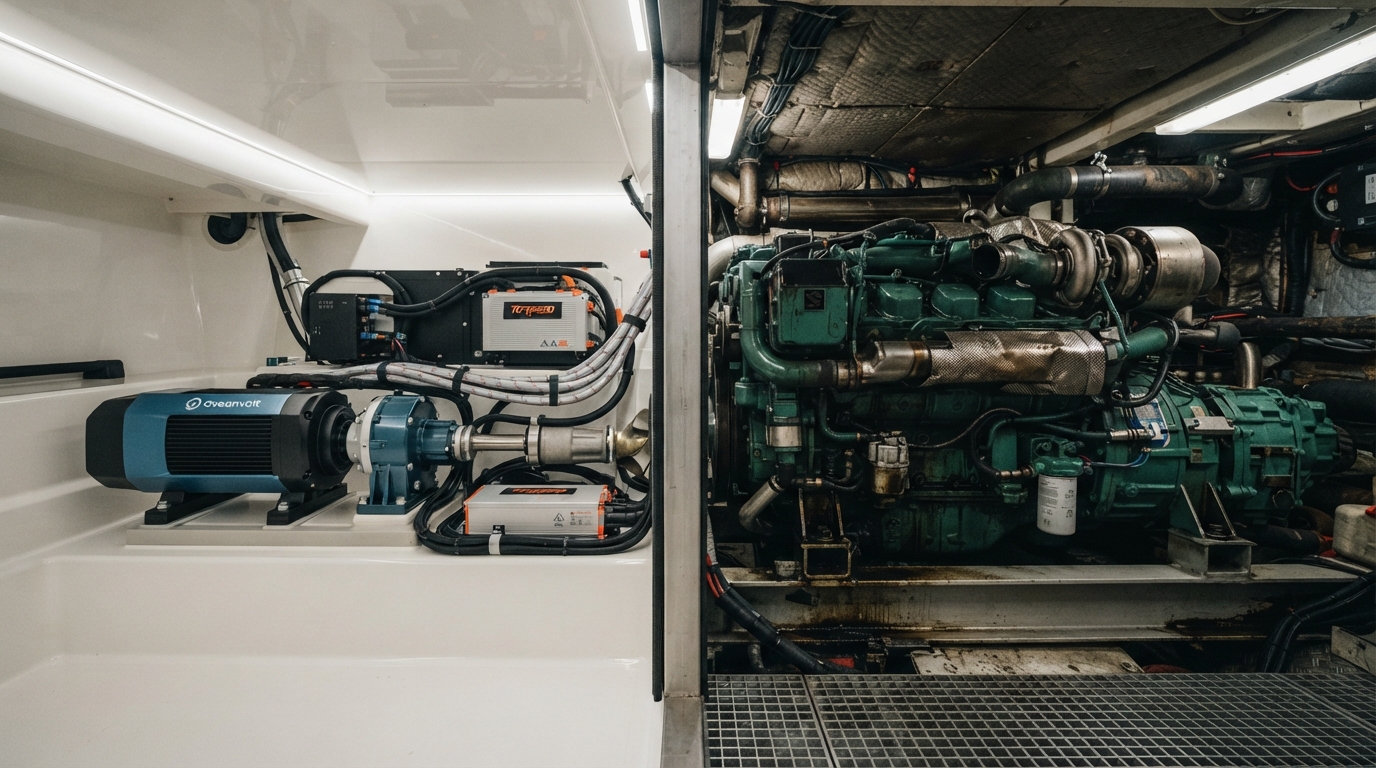
Thermal Management: Designed vs Assumed
Heat is unavoidable in electric propulsion.
Professional Strategy
Professional-grade watercraft incorporate:
- Active cooling pathways
- Defined heat dissipation routes
- Thermal isolation of sensitive components
- Real-time temperature monitoring
Thermal limits are respected automatically, preventing damage.
Consumer Thermal Strategy
Consumer equipment often assumes:
- Short run times
- Natural cooling between sessions
As a result, thermal stress accumulates unnoticed — reducing battery life and reliability.
Heat damage is slow, silent, and expensive.
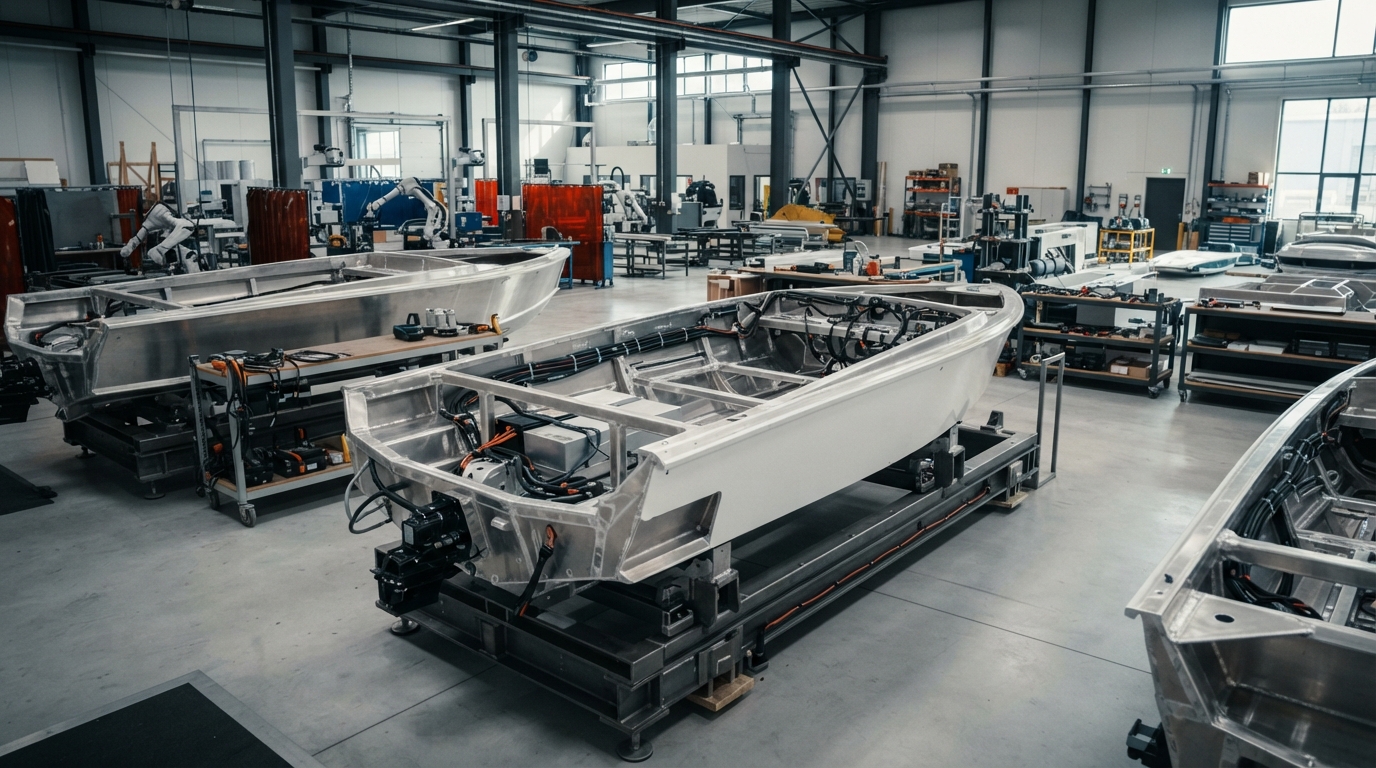
Structural Engineering and Load Paths
Professional Structures
Professional craft are designed with:
- Defined load paths
- Reinforced motor mounts
- Battery mass integrated into hull architecture
- Resistance to fatigue under repetition
Structures are designed to survive years of vibration and stress, not just initial use.
Consumer Structures
Consumer designs often rely on:
- Thicker skins
- Simplified internal framing
- Add-on component mounting
These approaches can feel solid initially but degrade faster over time.
Electrical Standards and Component Selection
Professional Electrical Standards
Professional equipment uses:
- Marine-grade wiring
- Overspecified connectors
- Corrosion-resistant materials
- Proper strain relief
Electrical systems are designed assuming exposure to salt, heat, and vibration.
Consumer Electrical Standards
Consumer craft may use:
- Automotive-grade components
- Minimal sealing
- Compact routing
These systems function well initially but are less forgiving over time.
Electrical faults are among the hardest and most expensive issues to diagnose in watercraft.
Maintenance Philosophy: Designed for Access vs Designed for Assembly
Professional Serviceability
Professional-grade craft assume maintenance will occur.
They provide:
- Logical internal layout
- Clear access points
- Modular components
- Documented procedures
Downtime is minimised.
Consumer Serviceability
Consumer designs often prioritise:
- Compactness
- Assembly efficiency
Access is possible, but inconvenient. Over time, this discourages maintenance — accelerating failure.
Certification, Testing, and Documentation
Professional Validation
Professional equipment is typically supported by:
- Documented testing protocols
- Compliance with international standards
- Quality control records
- Traceable components
These processes add cost, but they also add confidence.
Consumer Validation
Consumer equipment may rely on:
- Basic compliance
- Limited batch testing
- Visual inspection
Adequate for recreation — insufficient for mission-critical use.
Expected Lifespan: Designed Years vs Expected Seasons
Professional-grade electric watercraft are engineered for measured service life. Consumer craft are engineered for expected enjoyment periods.
Both have their place. Problems arise only when expectations are misaligned.
Who Actually Needs Professional-Grade Equipment?
Professional-grade electric watercraft are most appropriate for:
- Councils and local government
- Surf lifesaving and rescue operations
- Hire fleets
- Commercial operators
- Serious long-term private owners
- Remote or high-duty environments
Consumer equipment is perfectly suitable for:
- Casual recreational users
- Occasional weekend use
- Controlled environments
- Buyers prioritising affordability
Choosing correctly is about honesty, not status.
The Cost Myth: Expensive vs Economical
Professional equipment costs more upfront because:
- Components are overspecified
- Design margins are larger
- Testing is extensive
However, over time, professional equipment is often cheaper to own due to:
- Lower failure rates
- Longer service life
- Reduced downtime
- Higher resale value
Consumer equipment costs less initially but often costs more long-term if used beyond its design intent.
Final Thoughts: Labels Are Easy — Engineering Is Not
Anyone can call a product “professional-grade.”
Very few actually engineer it that way.
The difference is revealed not in brochures, but in:
- How systems behave under stress
- How components age
- How failures are prevented, not explained
Electric watercraft reward honest comparisons and punish assumptions.
Understanding the true distinction between professional and consumer equipment allows buyers to choose confidently — and to own with fewer surprises.