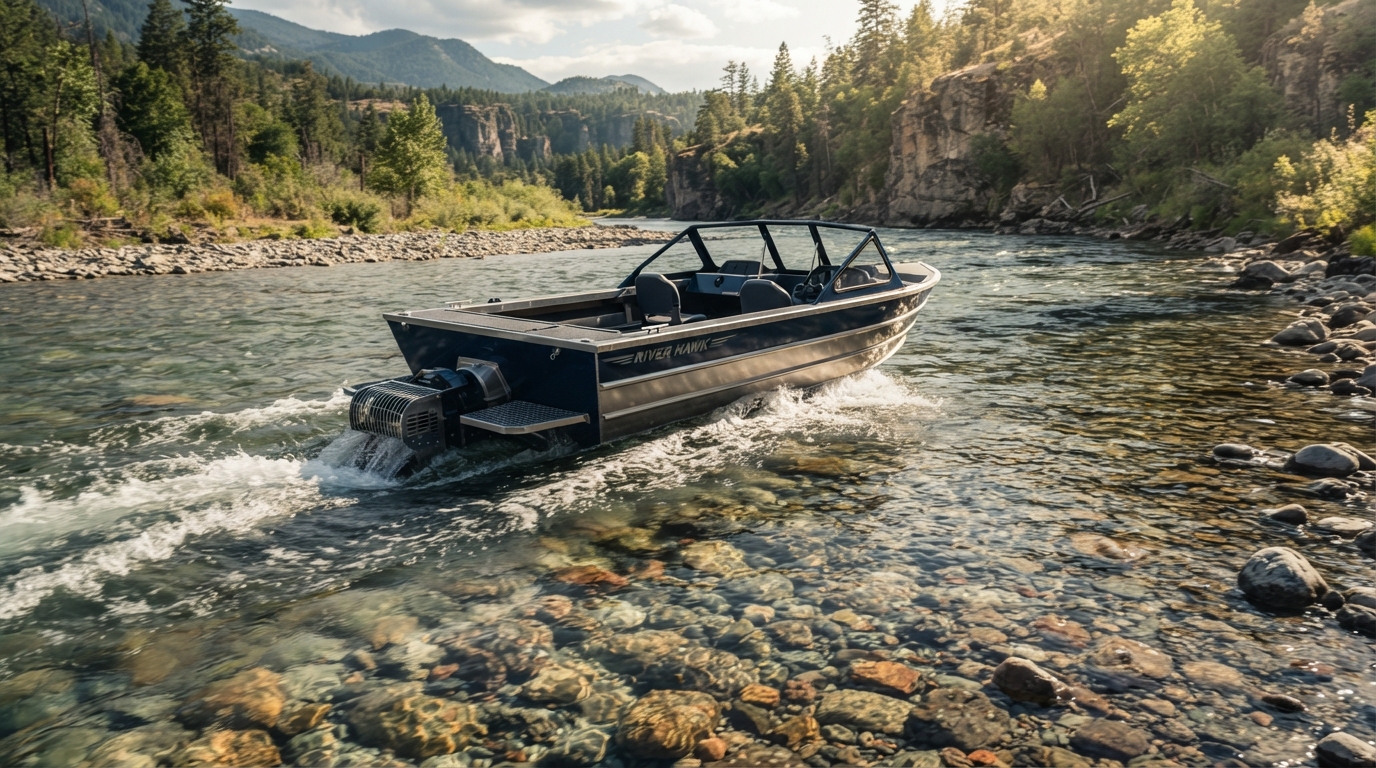
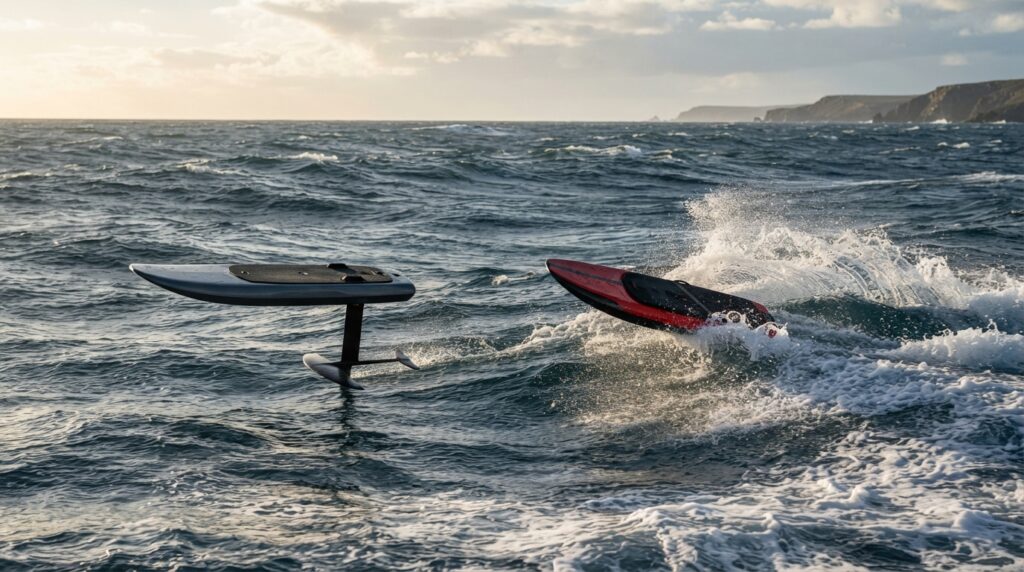

The rapid development of electric watercraft has introduced several new categories, with electric surfboards and e-foil boards emerging as two of the most prominent. While both are powered, board-based watercraft that operate independently of waves, they offer distinctly different experiences.
For many users, particularly those entering the market for the first time, the distinction is not immediately clear. Both devices use electric propulsion, both allow riding in calm water, and both are positioned as premium water sports equipment. However, their design, handling, and performance characteristics differ significantly.
Understanding these differences is essential for making informed decisions about which technology is more suitable for specific applications, environments, and user preferences—especially within the Australian context.
Fundamental Design Difference
The most important distinction lies in how each craft interacts with the water.
Electric Surfboards
- remain on the water surface
- rely on planing across the surface
- experience direct water resistance
E-Foil Boards
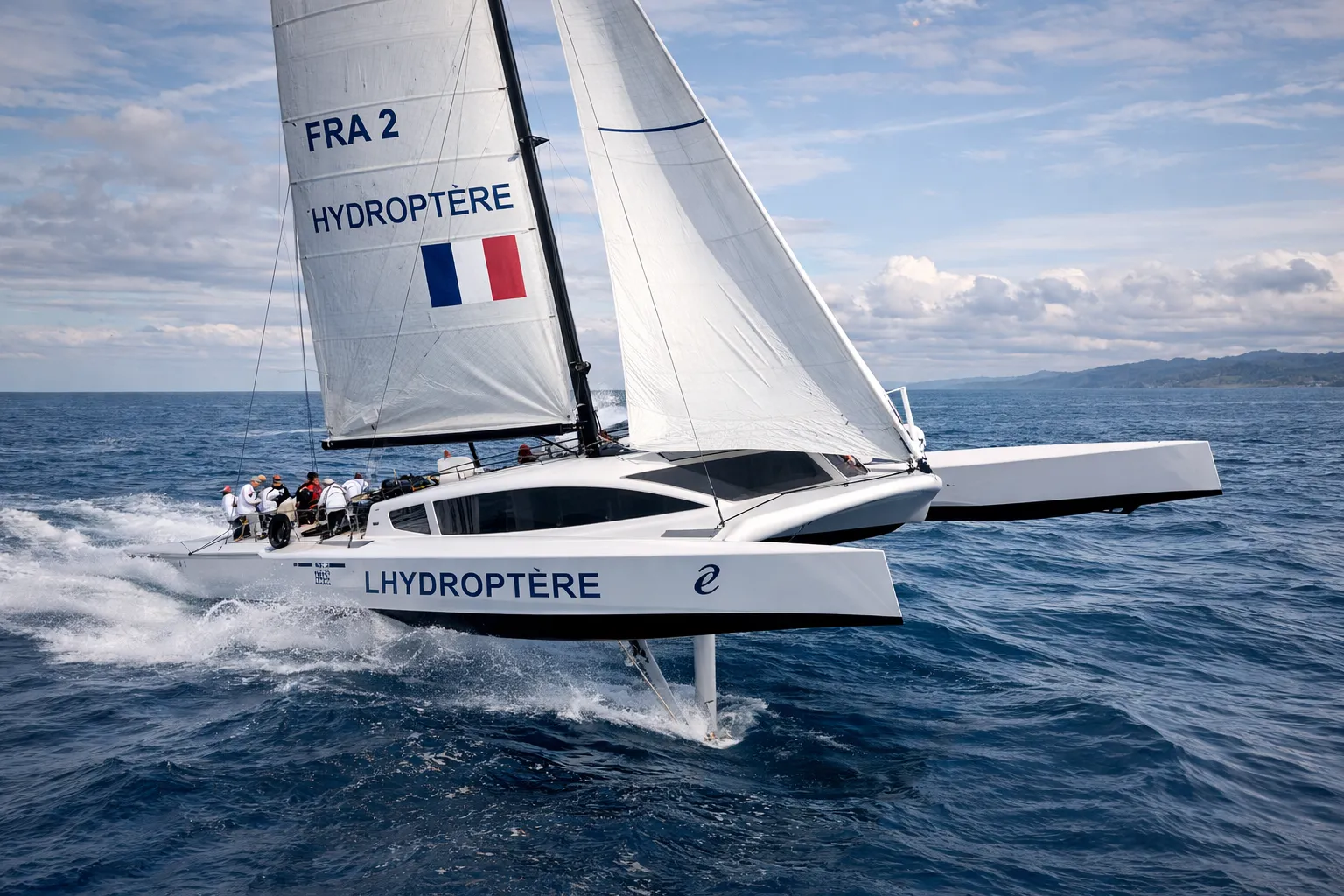
- lift above the water using a hydrofoil
- reduce drag significantly
- operate in a near-frictionless glide once elevated
Practical Implication
This difference changes:
- speed perception
- handling characteristics
- user experience
Performance Comparison
Speed and Acceleration
Electric surfboards:
- provide immediate acceleration
- feel fast due to surface contact
E-foils:
- accelerate smoothly
- feel faster once lifted due to reduced drag
Efficiency
E-foils:
- more efficient once airborne
- require less power to maintain speed
Electric surfboards:
- consume more energy due to surface resistance
Handling and Control
Electric Surfboards
Control is achieved through:
- body positioning
- throttle input
They are generally:
- more stable at low speeds
- easier for beginners initially
E-Foils
Control requires:
- balance
- weight distribution
- understanding of lift
Once mastered:
- offer highly responsive control
- enable smooth, precise movement
Learning Curve
Electric Surfboards
- shorter learning curve
- easier initial use
- suitable for beginners
E-Foils
- steeper learning curve
- requires practice
- more technical
Outcome
Electric surfboards are:
- more accessible initially
E-foils offer:
- greater long-term performance potential
User Experience
Electric Surfboards
Experience is:
- dynamic
- engaging
- closer to traditional surfing
E-Foils
Experience is:
- smooth
- quiet
- often described as “flying”
Environmental Suitability
Electric Surfboards
Perform best in:
- calm to moderate water
- areas with space for surface riding
E-Foils
Perform best in:
- calm water
- environments with minimal obstacles
Australian Context
Australia’s waterways support both technologies:
- lakes and bays → ideal for both
- rivers → suitable depending on conditions
- coastal areas → require consideration of swell
Safety Considerations
Electric Surfboards
- surface operation
- easier to manage at low speed
E-Foils
- elevated riding
- requires greater awareness
Commercial Use Comparison
Electric Surfboards
- easier for customers
- lower training requirement
E-Foils
- premium experience
- higher perceived value
- require instruction
Cost Considerations
Both categories are:
- premium-priced
- influenced by battery and motor systems
Which Should You Choose?
Choose Electric Surfboards If:
- ease of use is priority
- quick learning is important
- broader user base needed
Choose E-Foils If:
- performance and efficiency matter
- smooth ride is preferred
- user is willing to learn
Conclusion
Electric surfboards and e-foil boards offer distinct experiences within the same broader category of powered watercraft. While electric surfboards prioritise accessibility and immediate engagement, e-foils deliver efficiency, smoothness, and a unique elevated ride.
Understanding these differences ensures that users select the right technology for their needs, environment, and expectations.