
The Appeal of Access—And the Responsibility That Comes With It
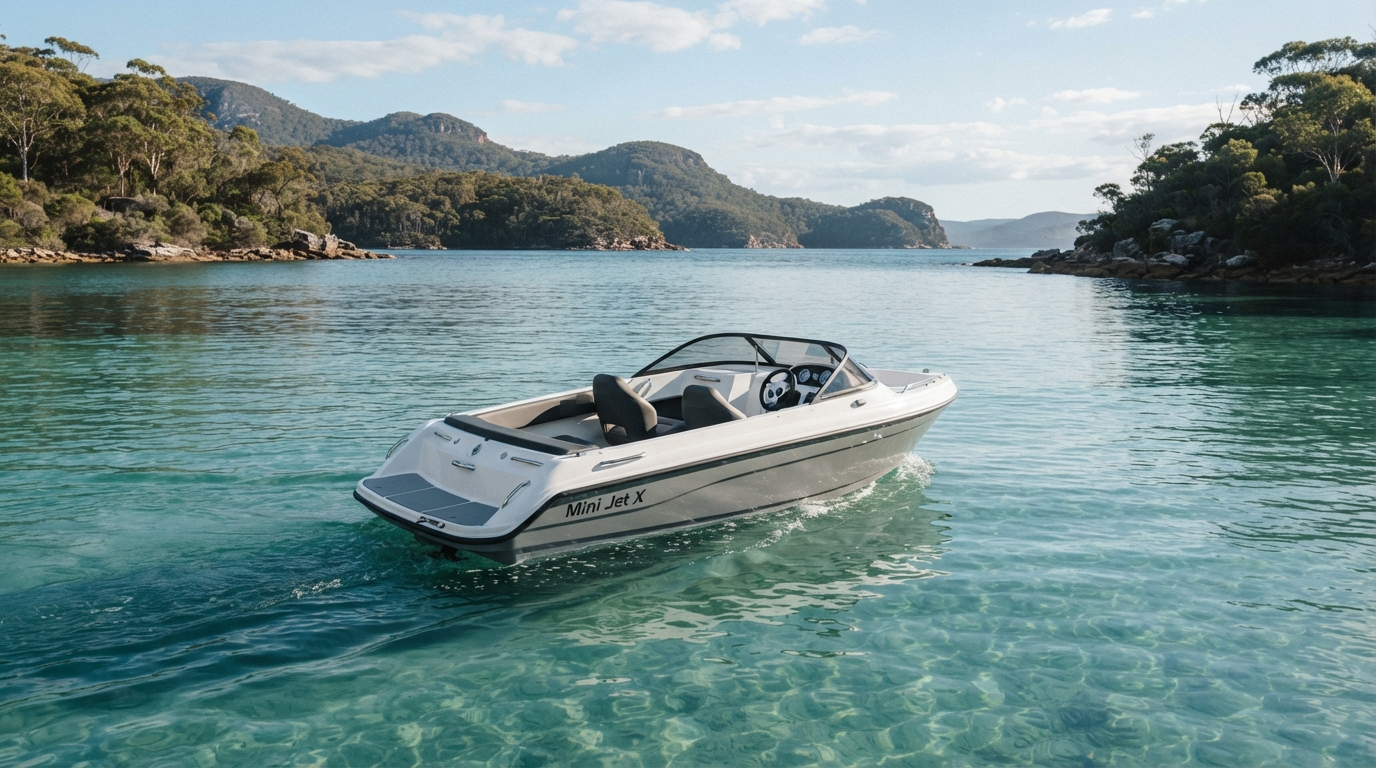
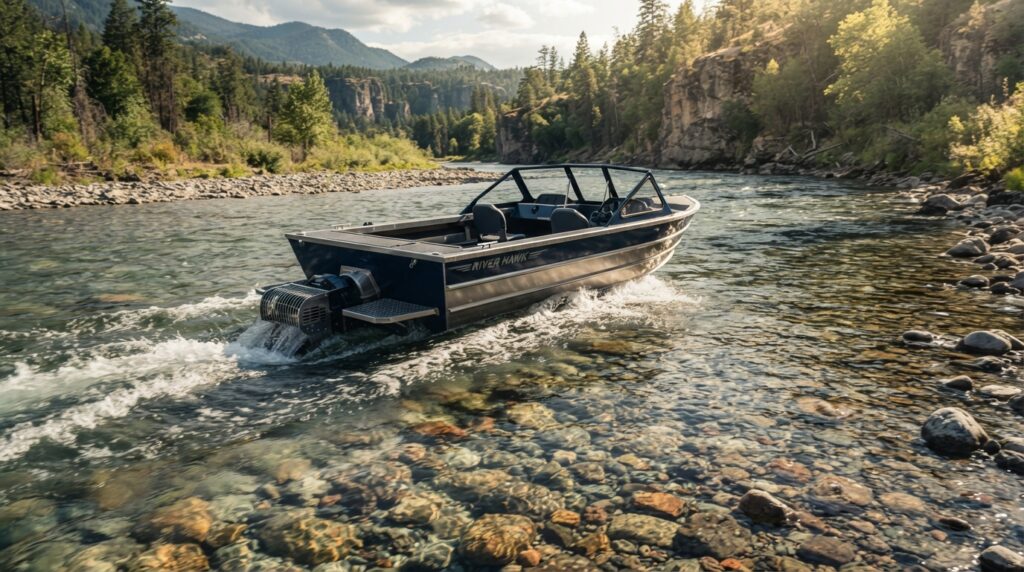
One of the most compelling advantages of mini jet boats is their ability to operate in shallow water. This capability opens up areas that are inaccessible to traditional propeller-driven vessels, offering a new level of freedom for recreational users across Australia.
Rivers, estuaries, inland waterways, and even certain coastal zones become far more accessible with jet propulsion. For many buyers, this is the defining feature that sets mini jet boats apart.
However, with this capability comes responsibility. While mini jet boats can operate in shallower water than conventional boats, they are not immune to risk. Misunderstanding their limits—or overestimating their capabilities—can lead to damage, loss of control, or unsafe situations.
This article explores where mini jet boats perform best in shallow water, the conditions that suit them, and the situations where caution is essential.
Why Mini Jet Boats Excel in Shallow Water
The Advantage of Jet Propulsion
Unlike traditional boats that rely on external propellers, mini jet boats use an internal jet propulsion system. Water is drawn into an intake, accelerated through an impeller, and expelled to generate thrust.
This design provides several key advantages:
- No exposed propeller below the hull
- Reduced draft compared to propeller-driven boats
- Lower risk of striking submerged objects
As a result, mini jet boats can operate in water depths that would be unsuitable for many other vessels.
Reduced Draft and Flat Running
Mini jet boats are typically designed with relatively flat hull sections that allow them to plane quickly and ride higher on the water surface.
When on plane:
- The effective draft is reduced further
- Less of the hull is in contact with the water
- The boat can traverse shallower areas with greater ease
This combination of jet propulsion and hull design is what gives mini jet boats their distinctive shallow-water capability.
Ideal Environments for Mini Jet Boats
Inland Rivers
Many Australian rivers feature:
- Variable depths
- Sandbanks and gravel beds
- Narrow channels
Mini jet boats are well suited to these environments because they can:
- Navigate around shallow sections
- Access areas beyond the reach of larger vessels
- Operate safely without risk of propeller damage
Lakes and Dams
Inland lakes and dams often include:
- Gradual shorelines
- Shallow entry points
- Areas with submerged debris
Mini jet boats allow users to:
- Launch in less formal locations
- Explore shoreline areas
- Operate in varying water levels
Estuaries and Protected Coastal Waters
In estuarine environments, water depth can change with tides, creating shallow zones that challenge conventional boats.
Mini jet boats provide:
- Flexibility across tidal conditions
- Access to otherwise restricted areas
- Reduced risk in sandy or muddy bottoms
Understanding the Limits of Shallow Water Operation
There Is Always a Minimum Depth
Despite their advantages, mini jet boats are not capable of operating in extremely shallow or dry conditions.
Key limitations include:
- The need for sufficient water flow into the jet intake
- Avoidance of air being drawn into the system
- Protection of the intake from contact with the bottom
Operating below safe depth can result in:
- Loss of propulsion
- Increased wear on components
- Potential damage to the intake system
The Importance of Continuous Water Flow
Jet propulsion relies on a consistent flow of water. In shallow or turbulent conditions:
- Water intake may be disrupted
- Air can enter the system
- Thrust may become inconsistent
This can lead to:
- Reduced control
- Sudden loss of power
- Difficulty maintaining direction
Hazards in Shallow Water
Submerged Objects
Shallow water often contains:
- Rocks
- Logs
- Sandbars
- Debris
While mini jet boats reduce the risk of propeller damage, they are not immune to impact.
Striking submerged objects can result in:
- Hull damage
- Disruption to the jet intake
- Sudden deceleration or loss of control
Changing Depth Conditions
Water levels in rivers and estuaries can change rapidly due to:
- Rainfall
- Tidal movement
- Seasonal variations
Areas that appear safe may become shallow without warning.
Operators must remain vigilant and avoid assuming consistent depth.
Sediment and Debris Intake
Operating in shallow water increases the likelihood of drawing:
- Sand
- Mud
- Organic material
into the jet system.
Over time, this can lead to:
- Reduced efficiency
- Increased wear
- Potential blockage of the intake
Speed and Shallow Water: A Critical Relationship
Why Speed Matters
Mini jet boats often perform best in shallow water when on plane. At speed:
- The hull rides higher
- Draft is reduced
- Contact with the bottom is minimised
The Risk of Excessive Speed
However, speed must be carefully managed.
At high speed in shallow water:
- Reaction time is reduced
- Obstacles are harder to detect
- Impacts become more severe
Operators must balance the need for planing with safe, controlled speeds.
Manoeuvring in Shallow Conditions
Reduced Steering Authority at Low Speed
Jet propulsion relies on water flow for steering. At low speeds:
- Steering response may be reduced
- Manoeuvrability can be limited
This is particularly relevant in shallow areas where slow navigation may be required.
Tight Turns and Stability
In shallow water, tight turns can:
- Increase lateral forces
- Disrupt water flow into the jet
- Affect stability
Smooth, controlled manoeuvres are essential to maintain safe operation.
Best Practices for Safe Shallow Water Use
Maintain Situational Awareness
Operators should:
- Continuously observe water conditions
- Look for changes in colour or surface texture
- Be alert to potential hazards
Avoid Unknown Areas at Speed
In unfamiliar environments:
- Reduce speed
- Proceed cautiously
- Allow time to assess conditions
Respect Depth Limitations
Even with jet propulsion:
- Do not attempt to operate in extremely shallow water
- Avoid areas where the bottom is visible and close
- Understand the limitations of the specific vessel
Regular Inspection
After operating in shallow or debris-prone areas:
- Check the intake for blockages
- Inspect the hull for damage
- Ensure all systems are functioning correctly
The Role of Properly Engineered Systems
Designed for Real Conditions
Professionally engineered mini jet boats are designed with shallow water use in mind. This includes:
- Optimised intake design
- Appropriate power-to-weight balance
- Tested performance in varying conditions
The Advantage Over Improvised Builds
In kit or custom builds:
- Intake positioning may be suboptimal
- Power delivery may not suit shallow conditions
- Testing may be limited or absent
This can increase the risk of:
- Poor performance
- Reduced control
- Component damage
Australian Context: Why This Matters
Australia’s waterways are uniquely suited to mini jet boats, but they also present challenges:
- Remote locations with limited support
- Variable conditions across regions
- Diverse environments requiring adaptability
A clear understanding of where mini jet boats perform best—and where caution is needed—is essential for safe and enjoyable use.
Conclusion: Capability with Responsibility
Mini jet boats offer a significant advantage in shallow water, opening up opportunities that are not available to traditional vessels. Their design allows for greater access, flexibility, and exploration.
However, this capability must be matched with responsible operation. Shallow water is inherently unpredictable, and the risks associated with it cannot be ignored.
By understanding:
- The strengths of jet propulsion
- The limitations of shallow water operation
- The importance of controlled speed and awareness
operators can make the most of what mini jet boats offer while maintaining safety.
In the end, the true value of a mini jet boat is not just where it can go—but how safely it gets there.
See More at www.vectorwatercraft.com.au