
When evaluating any form of watercraft, one of the most important considerations is the total cost of ownership. Water bikes are often positioned as an affordable and accessible option, but as with any equipment, the true cost extends beyond the initial purchase. To properly assess their value, it is necessary to examine not only upfront cost, but also operating expenses, maintenance requirements, storage considerations, and long-term usability.
For Australian users, these factors take on added importance due to environmental conditions, lifestyle patterns, and access to waterways. Many buyers are attracted to water bikes because they promise simplicity, but without a clear understanding of costs, expectations can be misaligned.
This article provides a comprehensive breakdown of the real cost of water bikes, focusing on practical, real-world considerations rather than theoretical pricing alone.
Understanding Total Cost of Ownership
Total cost of ownership includes:
- purchase price
- operating costs
- maintenance
- storage and transport
- lifespan and depreciation
Why This Matters
A product with a low upfront cost can still become expensive if:
- maintenance is high
- lifespan is short
- usage is limited
Initial Purchase Cost
Price Range Factors
Water bike pricing varies depending on:
- type (pedal vs electric)
- materials used
- build quality
- design complexity
Pedal Water Bikes
Typically:
- lower cost
- simpler construction
Electric Water Bikes
- higher upfront cost
- include battery systems
- more complex design
Australian Market Context
Prices may be influenced by:
- import costs
- demand
- product positioning
Operating Costs
Pedal Water Bikes
- virtually no operating cost
- no fuel or electricity required
Electric Water Bikes
- electricity cost for charging
- still relatively low compared to fuel
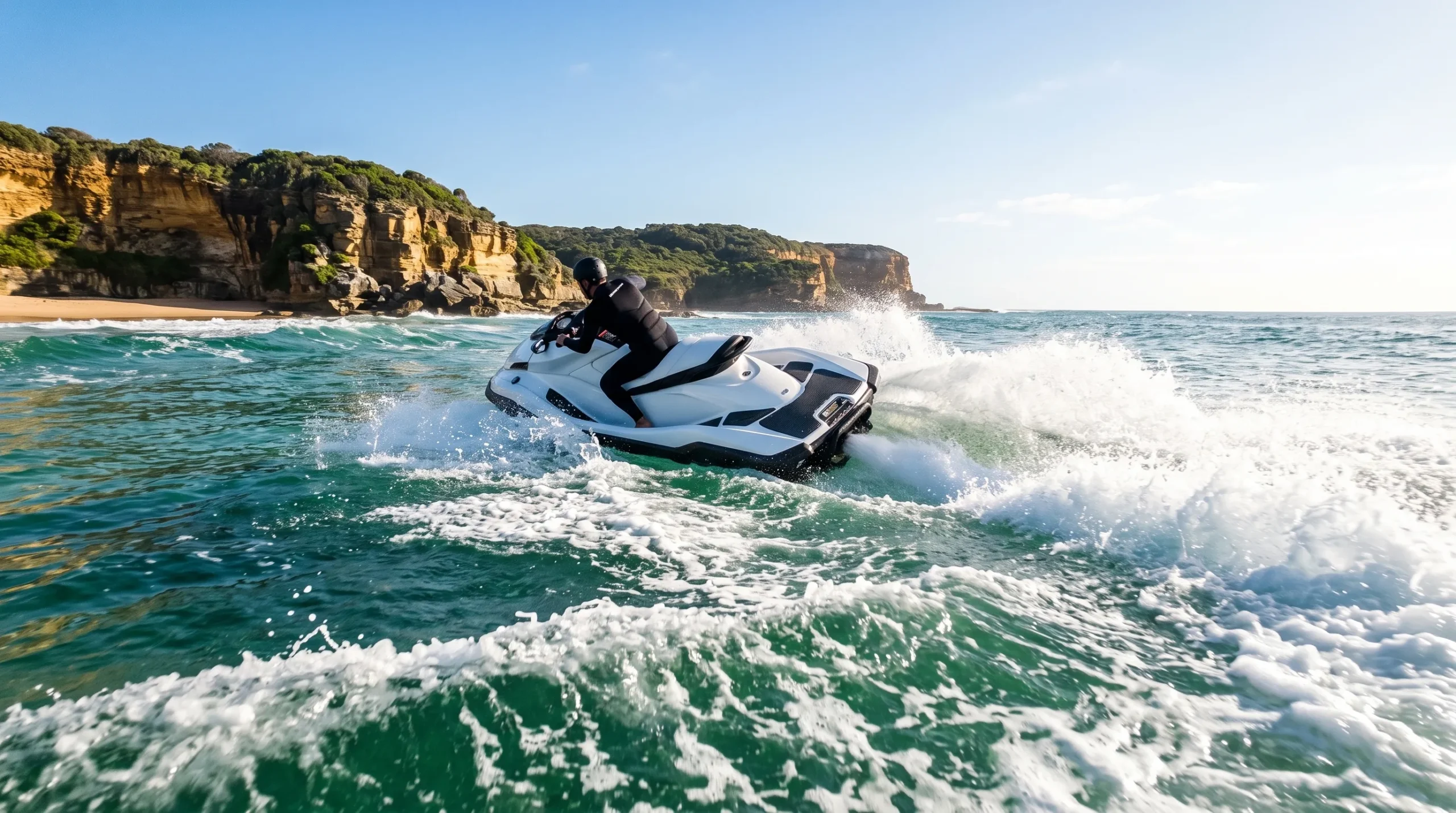
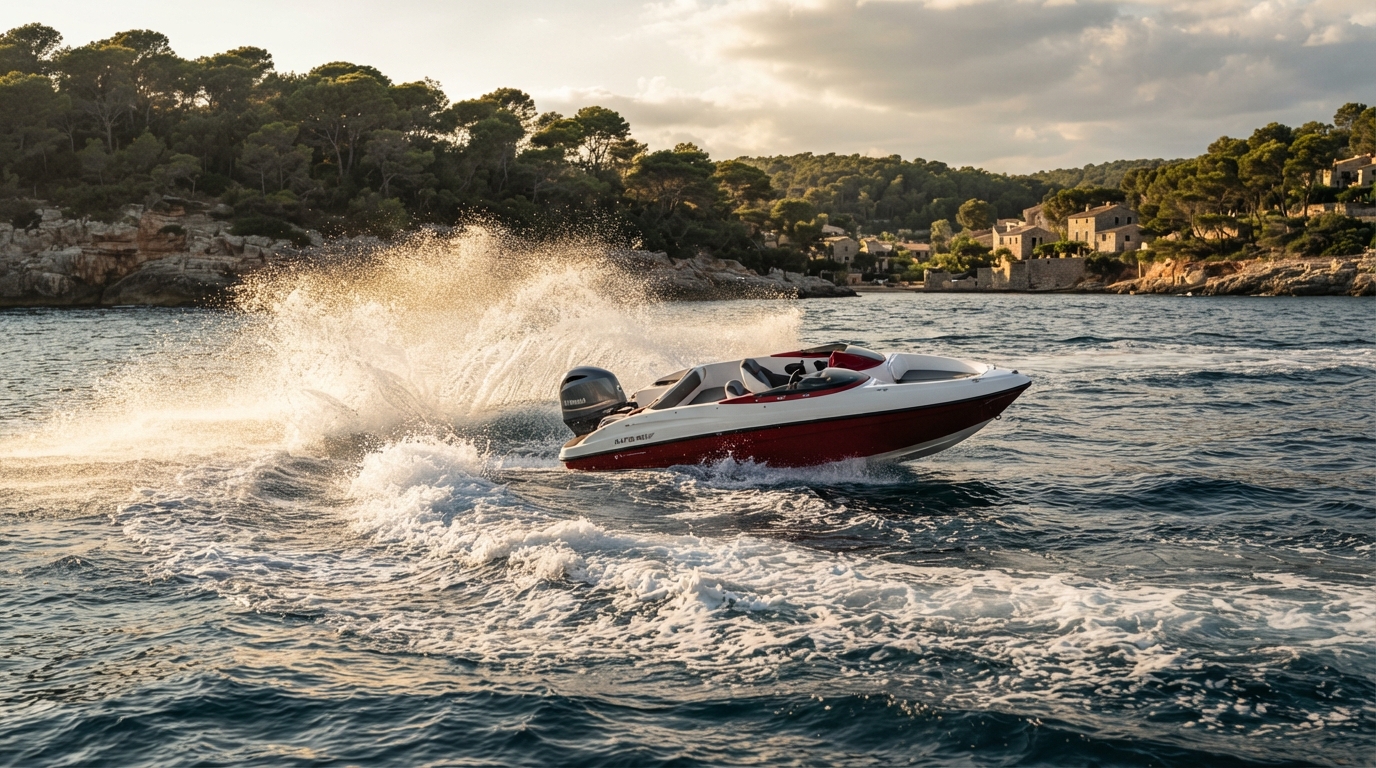
Comparison to Other Watercraft
Compared to boats or jet skis:
- significantly lower ongoing costs
Maintenance Requirements
Routine Maintenance
Includes:
- cleaning after use
- checking structural components
- inspecting drive systems
Pedal Systems
- minimal maintenance
- occasional adjustments
Electric Systems
- battery care required
- electrical system checks
Environmental Impact
Australian conditions (sun and salt) require:
- regular cleaning
- UV protection where applicable
Battery Costs (Electric Models)
Battery Lifecycle
- gradual degradation over time
- eventual replacement required
Cost Consideration
Battery replacement is:
- the largest long-term cost component
Mitigation
Proper charging and storage:
- extend battery life
- reduce replacement frequency
Storage and Transport
Storage Requirements
Water bikes:
- require minimal storage space
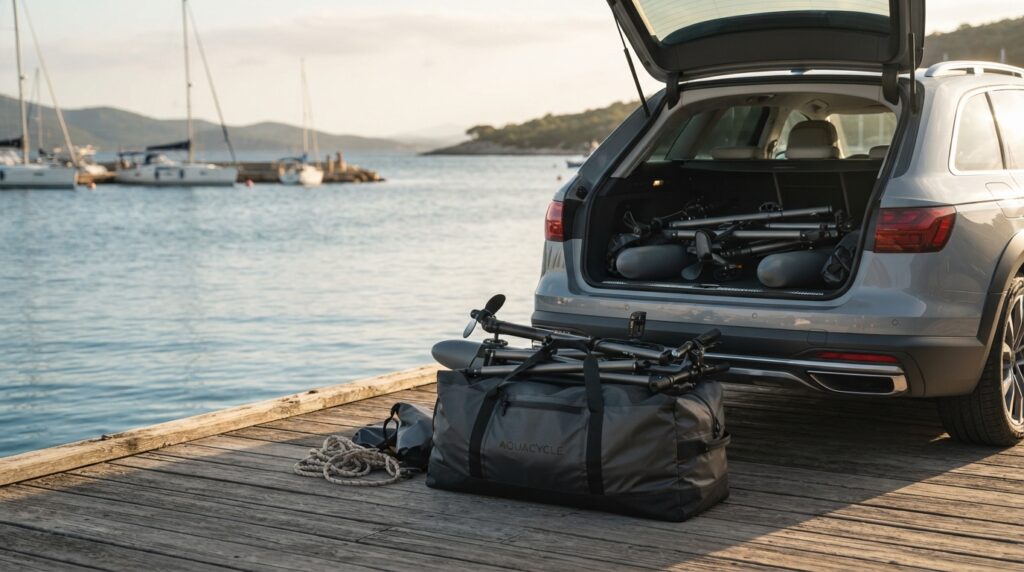
- can often be disassembled
Transport
- lightweight
- can be transported without trailers
Cost Advantage
- no storage fees
- no trailer costs
Depreciation and Resale Value
Factors Affecting Value
- condition
- usage
- build quality
Market Outlook
Growing popularity may:
- support resale value
- maintain demand
Usage Frequency and Value
Key Insight
Value is strongly linked to:
- how often the water bike is used
High Usage
- lowers cost per session
- improves return on investment
Low Usage
- reduces perceived value
- increases effective cost
Commercial Use Considerations
Tourism Operators
Water bikes offer:
- low operating cost
- high customer appeal
Rental Businesses
- easy to maintain
- low overhead
Australian Context
Australia provides:
- strong opportunities for regular use
- wide availability of suitable waterways
Implication
Water bikes can deliver:
Common Cost Misconceptions
- assuming all water bikes are cheap
- underestimating battery replacement (electric models)
- ignoring maintenance needs
Maximising Value
To achieve best results:
- choose quality construction
- maintain regularly
- use frequently
Conclusion
Water bikes offer a highly cost-effective way to enjoy waterways, particularly in Australia where their portability and low operating costs provide significant advantages. When total cost of ownership is considered, they represent strong value for both recreational users and commercial operators.