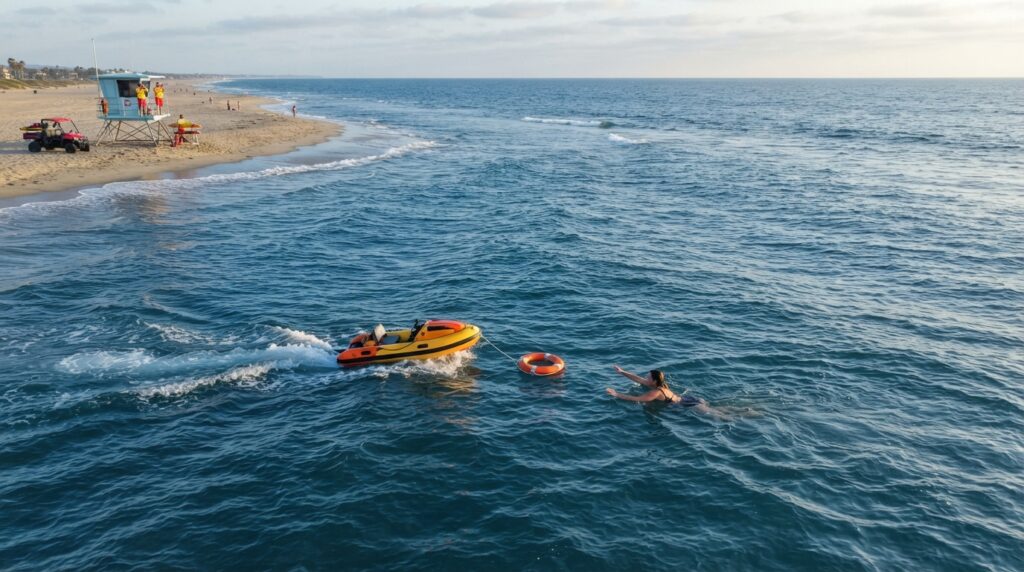

Water safety has traditionally relied on a combination of human skill, physical equipment, and situational awareness. Lifeguards, rescue boards, flotation devices, and emergency protocols have formed the foundation of water rescue operations for decades. While these methods remain essential, the increasing complexity of water environments and the growing number of participants in water-based activities have created a need for more efficient, scalable solutions.
Remote Control Rescue Buoys (RCRBs) represent a key development in this evolution. However, their true value is not as standalone devices, but as part of an integrated water safety system. Understanding how RCRBs fit into broader safety frameworks—alongside lifeguards, emergency services, and commercial operations—is essential for maximising their effectiveness.
This article explores how RCRBs are integrated into modern water safety systems, focusing on operational structure, real-world application, and long-term impact.
The Shift from Individual Rescue to System-Based Safety
Traditional Model
Historically, water rescue has been:
- reactive
- dependent on individual rescuers
- limited by physical capability
Modern Approach
Today’s safety systems are:
- layered
- technology-assisted
- designed for rapid response
Role of RCRBs
RCRBs enhance this system by:
- reducing response time
- improving reach
- minimising rescuer risk
Integration with Lifeguard Operations
Primary Function
RCRBs act as:
- first-response tools
- rapid deployment devices
Operational Workflow
- Incident identified
- RCRB deployed immediately
- Lifeguard prepares secondary response
- Victim stabilised using buoy
Benefits
- faster initial contact
- reduced urgency for physical entry
- improved control of situation
Enhancing Safety in Surf Lifesaving
Traditional Challenges
Surf environments involve:
- waves
- rip currents
- unpredictable conditions
RCRB Contribution
- rapid deployment from shore
- ability to navigate toward victim
- reduced exposure for rescuers
Outcome
- improved safety outcomes
- more efficient operations
Use in Emergency Services
Applications
- flood rescue
- inland water incidents
- rapid response scenarios
Advantages
- access to difficult areas
- reduced risk in hazardous conditions
- ability to assist multiple victims
Commercial and Industrial Integration
Typical Environments
- marinas
- ports
- offshore facilities
Role of RCRBs
- immediate response tool
- safety compliance support
- risk mitigation
Operational Benefits
- reduced liability
- improved safety standards
- enhanced reputation
Integration into Recreational Safety Systems
Public Waterways
RCRBs can support:
- councils
- community safety programmes
Tourism and Hire Operations
Provide:
- added safety assurance
- improved customer confidence
Training and Standardisation
Importance of Training
Effective use requires:
- understanding controls
- situational awareness
Standard Procedures
Organisations should establish:
- deployment protocols
- maintenance routines
- operator training programmes
Technology Supporting Integration
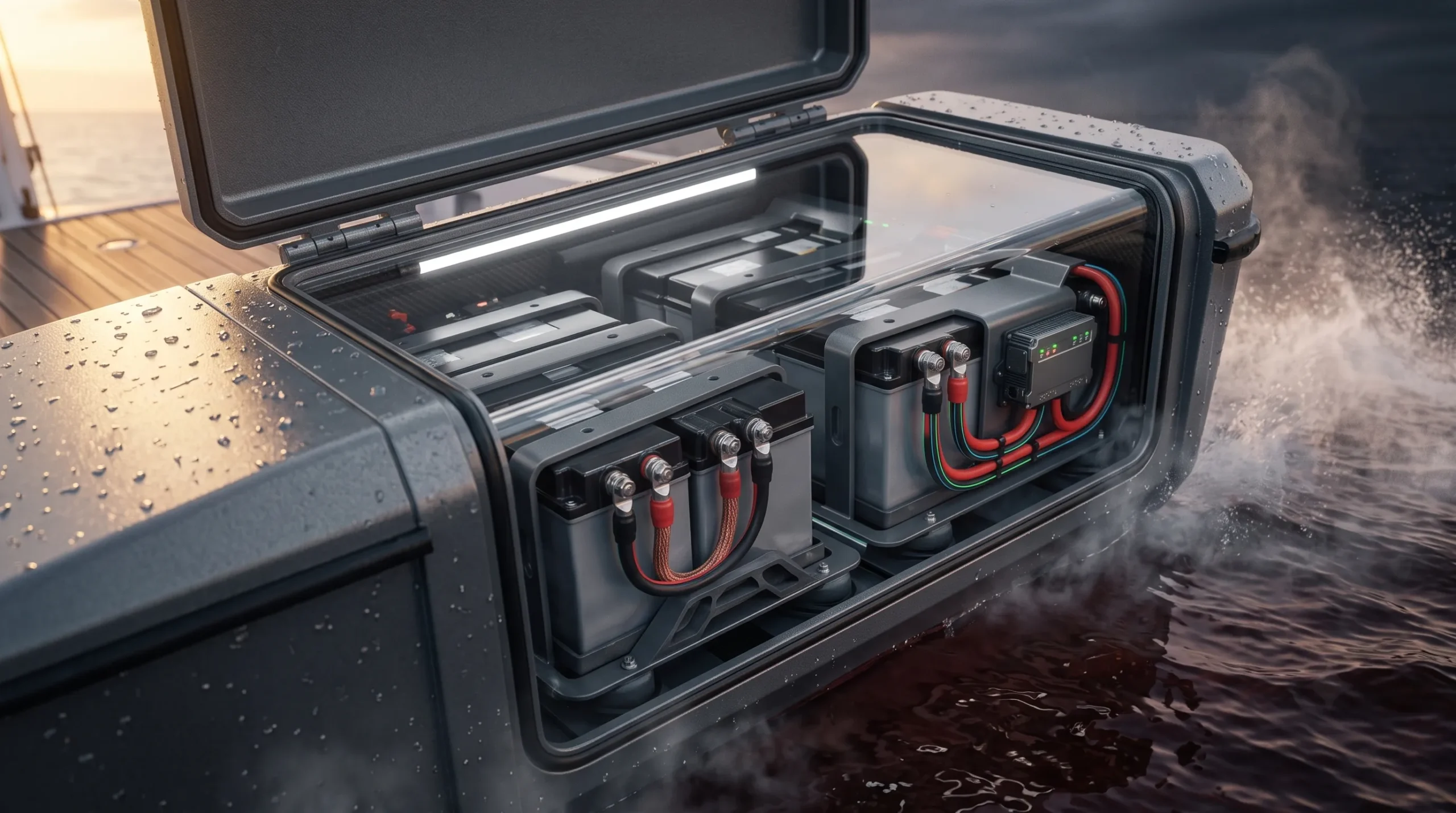
Battery Systems
Reliable power ensures:
- consistent performance
- readiness
Control Systems
Modern systems provide:
- intuitive operation
- precise navigation
Limitations in System Integration
Factors to Consider
- range limitations
- environmental conditions
- operator skill
Mitigation
- training
- strategic placement
- integration with other tools
Australian Context – System-Level Importance
Australia’s water safety landscape includes:
- high participation rates
- diverse environments
- strong emphasis on safety
Implication
RCRBs are particularly valuable as:
- part of structured safety systems
- scalable across locations
Future of Integrated Water Safety
Trends
- increased use of technology
- improved coordination
- enhanced response systems
Role of RCRBs
- central component of modern systems
- bridge between human and technology
Conclusion
RCRBs are not a replacement for traditional rescue methods—they are a powerful addition to them. When integrated into broader safety systems, they significantly improve response speed, reduce risk, and enhance overall effectiveness. For Australian water safety operations, they represent a practical step forward in modernising rescue capabilities.