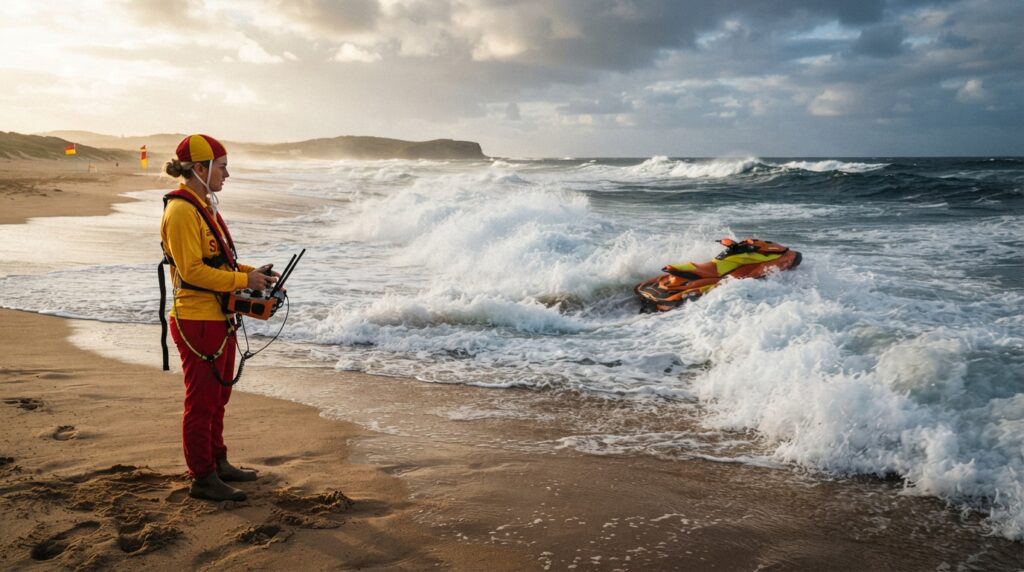

Water rescue has traditionally relied on human intervention supported by basic flotation devices and rescue boards. While these methods have proven effective over time, they are inherently limited by physical capability, environmental conditions, and response time.
The introduction of Remote Control Rescue Buoys (RCRBs) is changing this dynamic. By integrating propulsion, remote operation, and flotation into a single device, RCRBs are redefining how rescues are performed—particularly in environments where speed and safety are critical.
This article examines how RCRBs improve rescue operations compared to traditional methods, focusing on speed, safety, and operational efficiency.
The Traditional Rescue Model
Human-Centred Approach
Traditional rescues involve:
- lifeguards entering the water
- swimming or paddling to the victim
- physical retrieval
Limitations
- time to reach victim
- physical strain
- exposure to risk
The RCRB Approach
Technology-Assisted Rescue
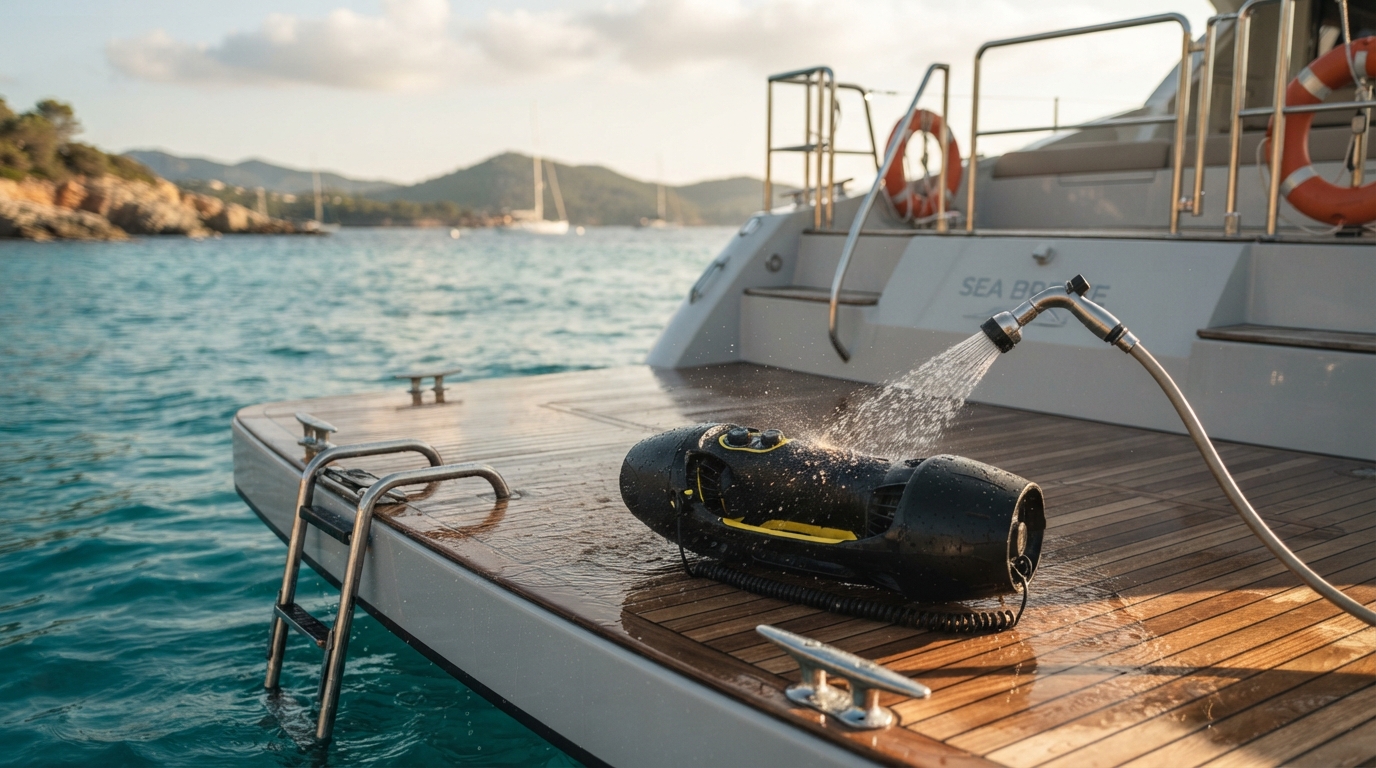
RCRBs introduce:
- remote operation
- powered propulsion
- rapid deployment
Key Difference
The rescuer:
- remains out of the water
- controls device remotely
Speed of Response
Traditional Methods
Time depends on:
- distance
- swimmer capability
- conditions
RCRBs
- rapid acceleration
- direct path to victim
- consistent speed
Outcome
Reduced response time can be critical in emergencies.
Safety Improvements
Rescuer Safety
Traditional rescues expose rescuers to:
- waves
- currents
- fatigue
RCRBs
- eliminate direct exposure
- reduce physical strain
Victim Safety
Faster response:
- reduces time in distress
- improves outcomes
Operational Efficiency
Traditional Model
- requires trained personnel
- physically demanding
RCRBs
- easier to operate
- less physically intensive
- scalable across teams
Consistency of Performance
Human Factors
Traditional rescues depend on:
- physical fitness
- skill level
RCRBs
- deliver consistent performance
- less variation between operators
Applications in Different Scenarios
Surf Conditions
- faster deployment
- reduced risk
Rivers
- controlled navigation
Commercial Settings
- reliable safety tool
Australian Context
High water activity levels require:
- efficient rescue systems
- reliable equipment
RCRBs meet these requirements.
Limitations and Considerations
- battery range
- operator training
- environmental conditions
Integration with Traditional Methods
RCRBs do not replace traditional methods but:
- enhance them
- improve overall capability
Future Outlook
Increasing adoption is expected due to:
- proven effectiveness
- technological advancement
Conclusion
RCRBs are transforming water rescue by improving speed, safety, and operational efficiency. While traditional methods remain important, the integration of RCRBs represents a significant step forward in reducing risk and improving outcomes.