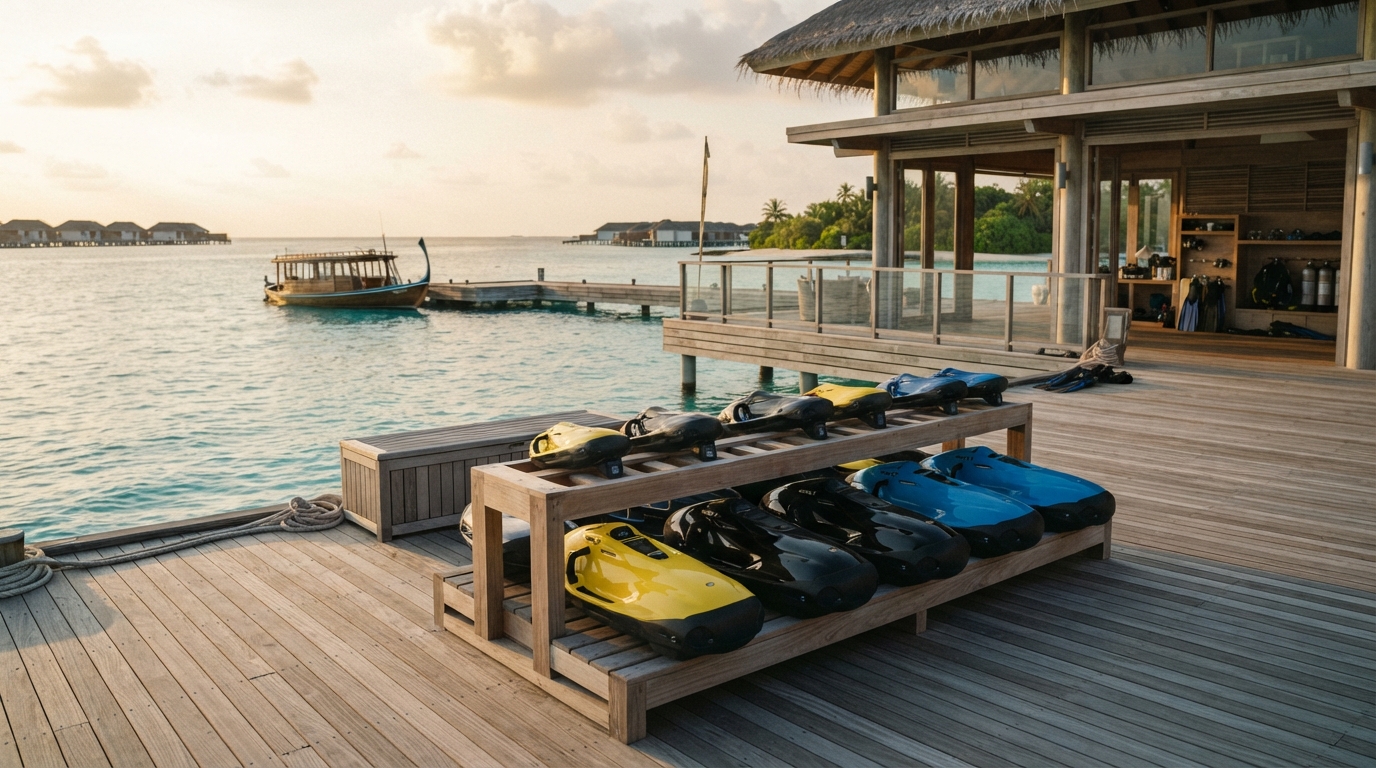
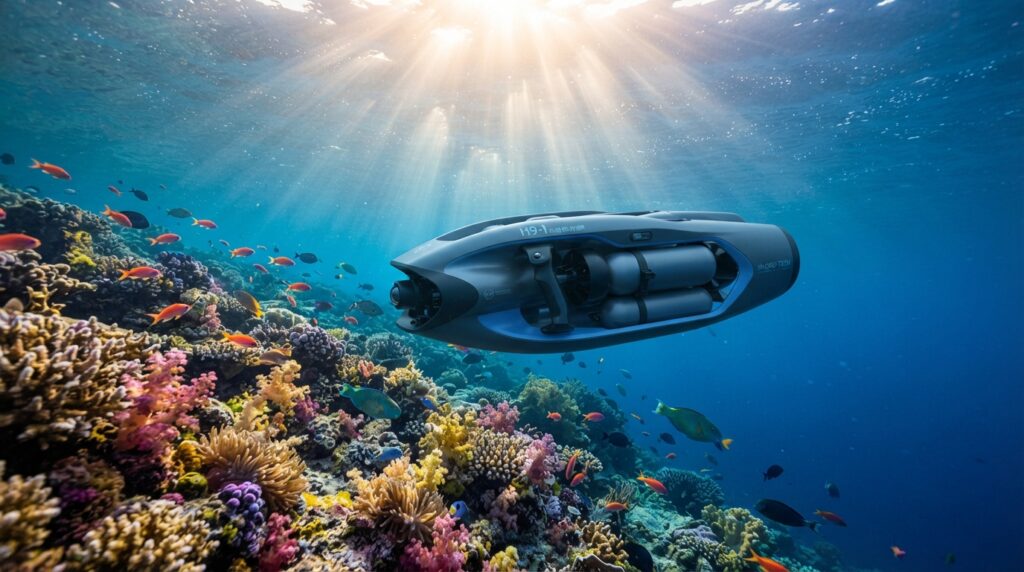

The development of underwater mobility devices has accelerated significantly in recent years. What was once limited to basic propulsion tools for divers has evolved into a sophisticated category of personal underwater vehicles designed for both recreational and commercial use. Among these emerging technologies is the H9-1 Sub Runner, representing a new approach to underwater exploration.
Unlike traditional underwater scooters, which are often handheld devices, the H9-1 Sub Runner introduces a more integrated and immersive experience. It combines propulsion, control, and user positioning into a single platform designed to enhance underwater movement.
This article provides an in-depth examination of what the H9-1 Sub Runner is, how it works, and where it fits within the broader landscape of underwater mobility.
Understanding the Category
Traditional Underwater Scooters
Typically:
- handheld
- limited in power
- used for short-range assistance
H9-1 Sub Runner Approach
Designed as:
- a more immersive device
- enhanced propulsion system
- integrated user experience
Core Design Features
Integrated Structure
- user interacts directly with device
- improved control
Electric Propulsion
- efficient
- reliable
- consistent performance
Battery System
- rechargeable
- supports extended use
Performance Characteristics
Speed
- moderate underwater speed
- controlled movement
Handling
- intuitive
- responsive
Efficiency
- optimised for underwater conditions
Where It Is Used
Recreational Diving
- exploration
- extended range
Snorkelling
- enhanced movement
- reduced effort
Commercial Applications
- tourism
- guided experiences
Advantages
- enhanced mobility
- reduced physical effort
- improved underwater experience
Limitations
- battery dependency
- requires user familiarity
Australian Context
Australia offers:
- strong diving culture
- suitable environments
Conclusion
The H9-1 Sub Runner represents a new direction in underwater mobility, offering a more integrated and accessible experience compared to traditional devices. As technology continues to evolve, it is likely to play an increasingly important role in underwater exploration.