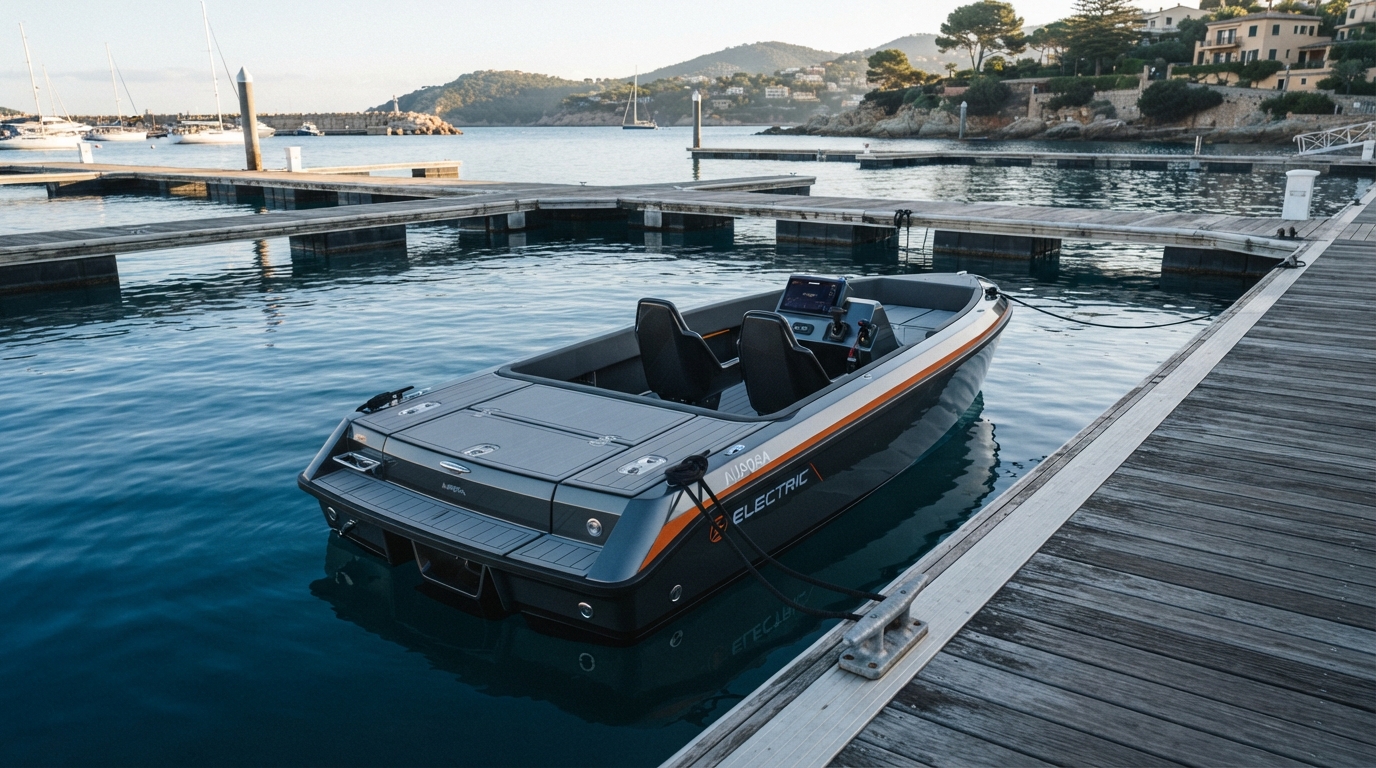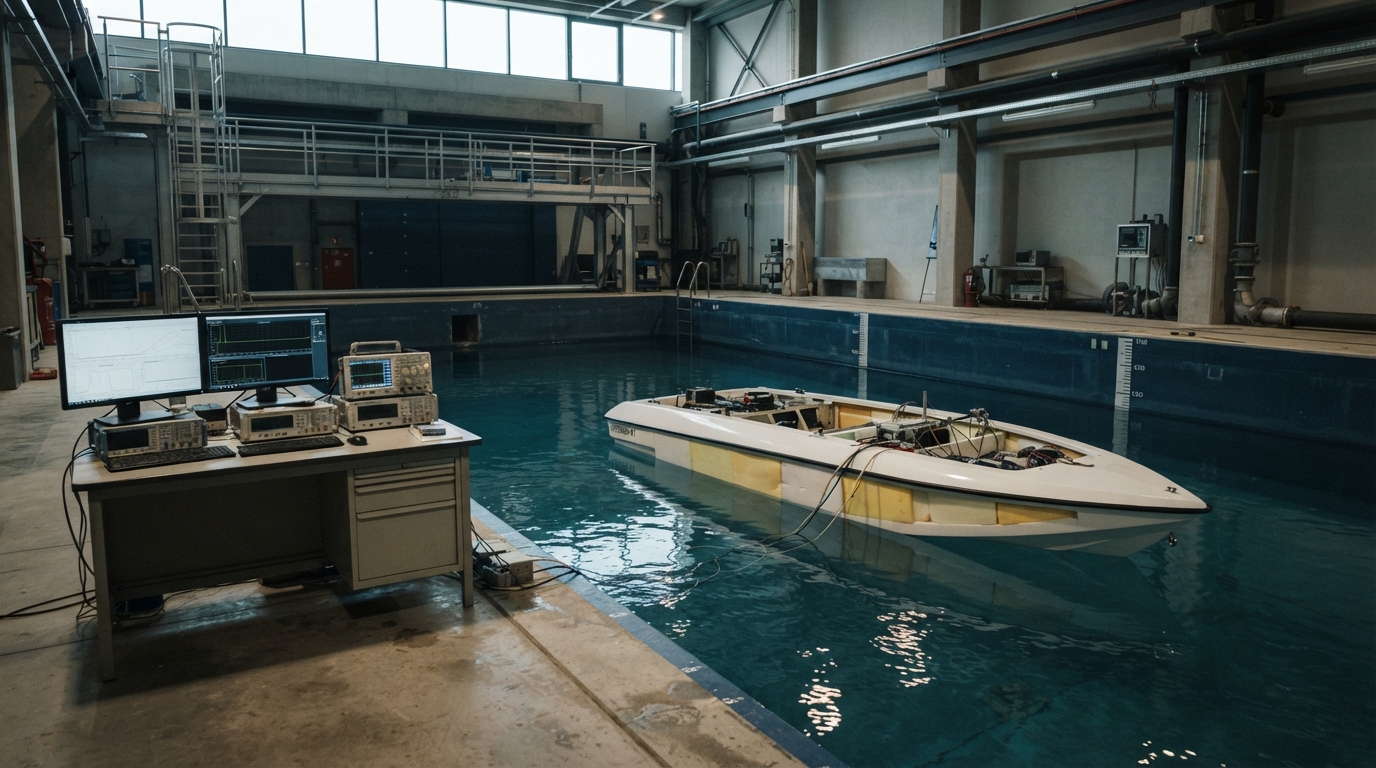

Artificial intelligence is no longer a distant concept reserved for laboratories and autonomous cars. In water sports, AI has begun to quietly reshape how craft are controlled, stabilised, monitored, and made safer for everyday users. Unlike the brute-force mechanical solutions of the past, AI-driven control systems focus on anticipation, correction, and optimisation in real time. This shift represents one of the most important structural changes in marine recreation since the move from two-stroke to four-stroke engines—and now, from petrol to electric propulsion.
In traditional watercraft, control has always been reactive. The rider inputs throttle or steering, the craft responds, and any instability is corrected manually. AI changes this relationship entirely. Modern control systems now observe conditions continuously, predict outcomes milliseconds ahead, and adjust multiple parameters simultaneously. The result is craft that feel calmer, safer, and more intuitive—particularly for inexperienced riders—while also unlocking performance that was previously only accessible to experts.
What makes AI especially powerful in water sports is the complexity of the environment. Water is dynamic, non-uniform, and constantly changing. Waves, chop, wind, current, rider weight, and speed all interact in ways that are difficult for a human to process instantly. AI excels in precisely this type of multi-variable environment.
From Mechanical Control to Intelligent Assistance
Historically, marine control systems were almost entirely mechanical. Steering cables, throttle linkages, and fixed trim angles dominated design for decades. Even as electronics entered the picture, early systems were rule-based rather than intelligent. A sensor would trigger a response only when a threshold was crossed.
AI-driven systems differ fundamentally. Instead of waiting for a problem to occur, they learn from patterns. Using data from gyroscopes, accelerometers, GPS, motor controllers, battery systems, and water sensors, AI builds a real-time model of the craft and its environment. Control inputs are no longer isolated actions; they are interpreted within a broader behavioural context.
This evolution mirrors what occurred in aviation. Modern aircraft are flown through fly-by-wire systems where computers constantly interpret pilot input, aircraft state, and external conditions. Watercraft are now beginning to follow the same path—albeit adapted for recreational use.
Core Components of AI Control Systems in Watercraft
At the heart of any AI-enabled control system is sensor fusion. No single sensor provides enough information to manage a watercraft intelligently. Instead, AI combines multiple streams of data into a coherent understanding of what the craft is doing and what it is about to do.
Key inputs typically include:
- Inertial measurement units measuring pitch, roll, and yaw
- Motor RPM and torque output data
- Battery temperature, voltage, and discharge rates
- GPS position, speed, and heading
- Rider input behaviour over time
- Environmental feedback such as wave impact patterns
AI models use this combined data to make micro-adjustments hundreds of times per second. These adjustments are usually invisible to the rider, yet they profoundly change how the craft behaves.
Stability Control and Self-Correction
One of the most immediate benefits of AI in water sports is stability. Traditional craft rely heavily on hull shape and rider skill to remain balanced. AI introduces active stability management.
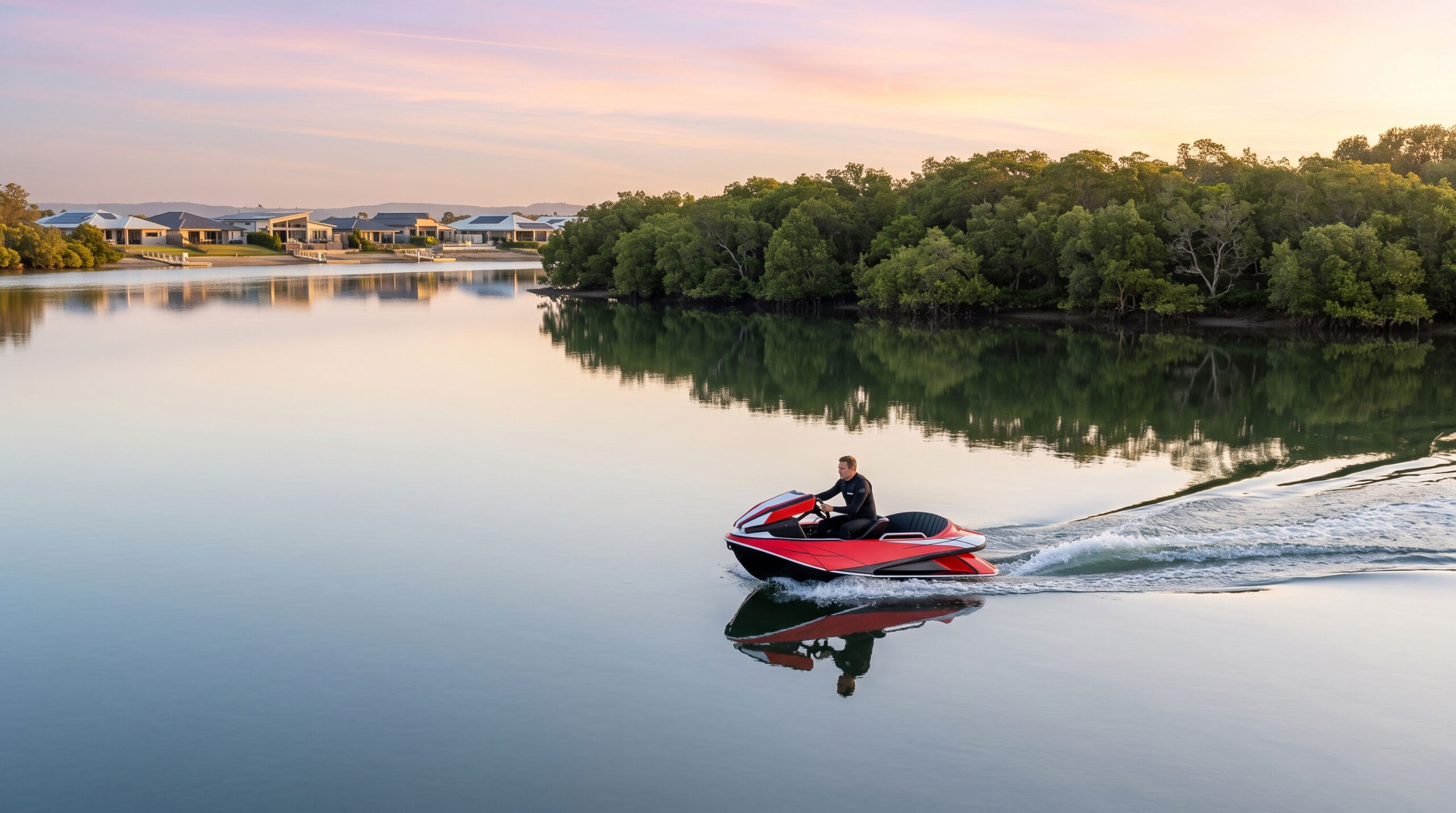
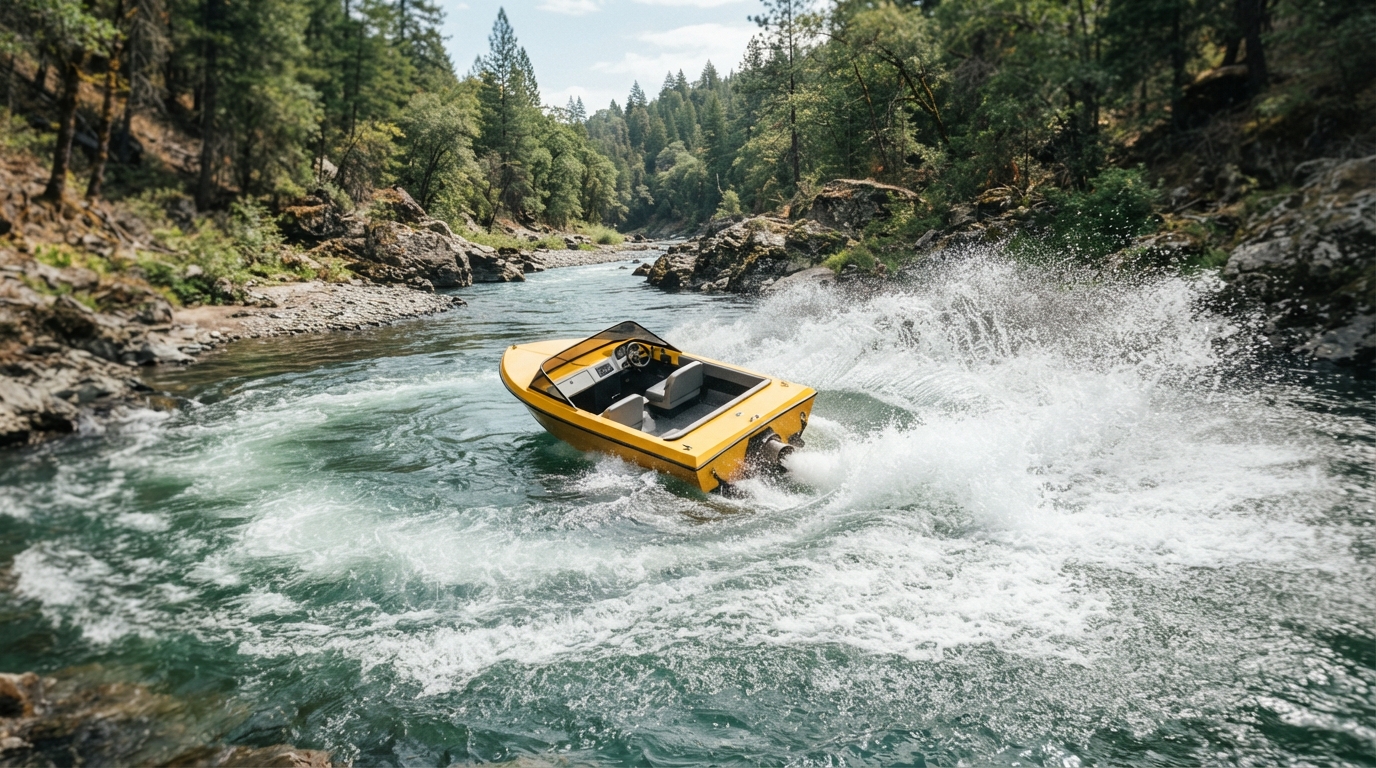
In electric PWCs, mini jet boats, foil boards, and jet-surf platforms, AI can detect the onset of instability before it becomes noticeable. For example, if the system senses a developing roll due to uneven rider weight or a cross wave, it can subtly alter motor output, thrust vectoring, or foil angle to counteract the movement.
This does not remove control from the rider. Instead, it creates a safety envelope. The rider remains in charge, but the craft prevents extreme or dangerous states from developing. This approach dramatically reduces falls, rollovers, and loss of control events—particularly in novice users.
Adaptive Throttle and Torque Management
Electric propulsion introduced a new challenge: instant torque. While this is one of the great advantages of electric watercraft, it can also make them difficult to manage without intelligent control.
AI systems analyse rider behaviour and environmental resistance to smooth torque delivery dynamically. Instead of a fixed throttle curve, the system adapts in real time. On flat water, torque may be delivered more aggressively. In choppy conditions or during tight manoeuvres, the system softens delivery to maintain grip and stability.
This adaptive approach also protects drivetrains and batteries. By preventing sudden spikes in load, AI extends component life and improves long-term reliability—an often overlooked but commercially critical benefit.
Learning the Rider
One of the most powerful features of AI control systems is their ability to learn. Over time, the system builds a profile of how a particular rider uses the craft. It learns preferred acceleration patterns, typical speeds, cornering habits, and risk tolerance.
This learning does not require complex setup or user input. It happens passively. As a result, the craft gradually begins to “feel” more natural to the rider. Throttle response, stability intervention, and even energy management subtly adapt to individual behaviour.
For shared or rental craft, AI can reset or maintain multiple rider profiles, ensuring consistent behaviour across users while still offering personalisation.
Energy Optimisation and Range Intelligence
Battery range anxiety is one of the remaining psychological barriers to electric watercraft adoption. AI plays a crucial role in addressing this concern.
Modern AI systems continuously evaluate energy consumption against route, conditions, and rider behaviour. Instead of providing a simple percentage remaining, AI can predict usable range in real time. More importantly, it can actively manage power delivery to extend range when needed.
If the system detects that remaining energy may not safely return the rider to shore, it can automatically enter a range-preservation mode. Throttle response is adjusted, top speed may be limited, and energy-hungry behaviours are gently discouraged—often without the rider even noticing.
This type of intelligence turns battery management from a static limitation into a dynamic asset.
AI and Foil Control Systems
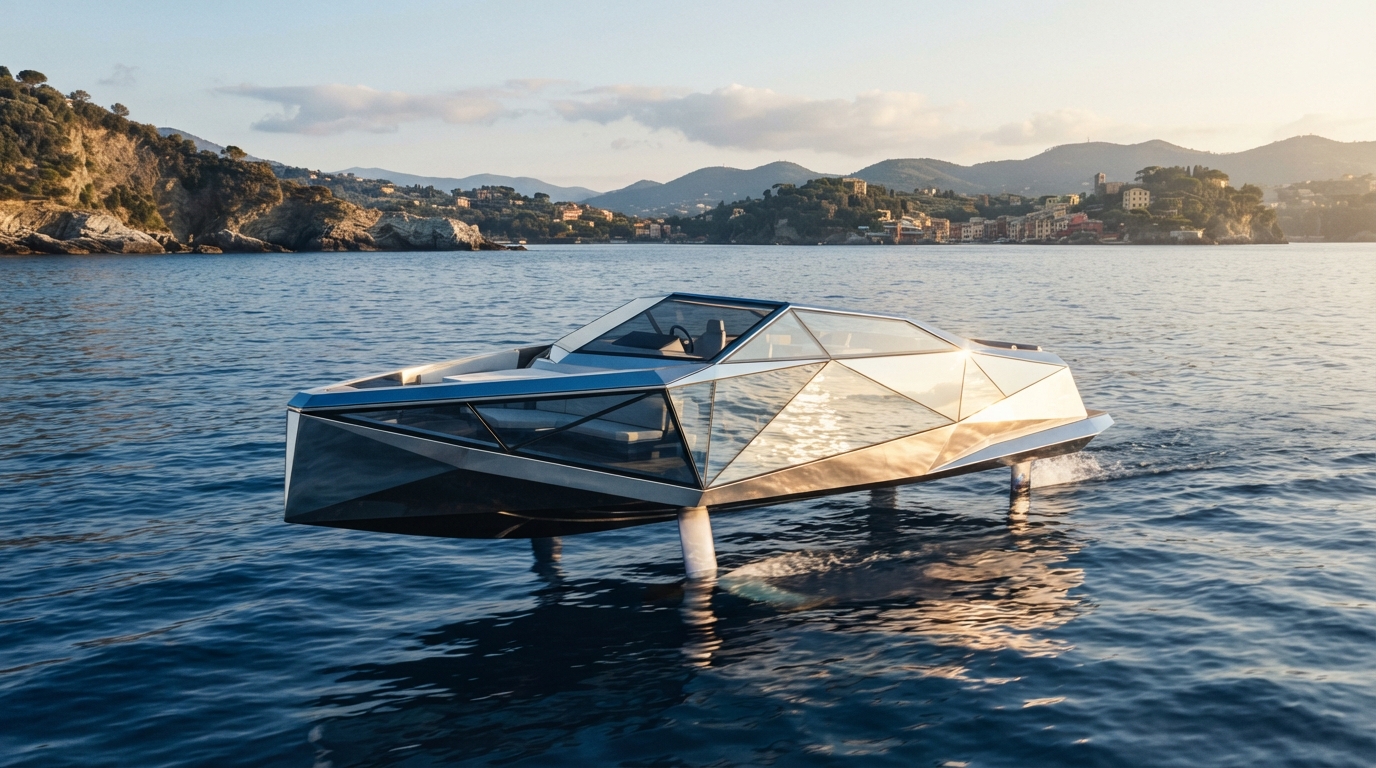
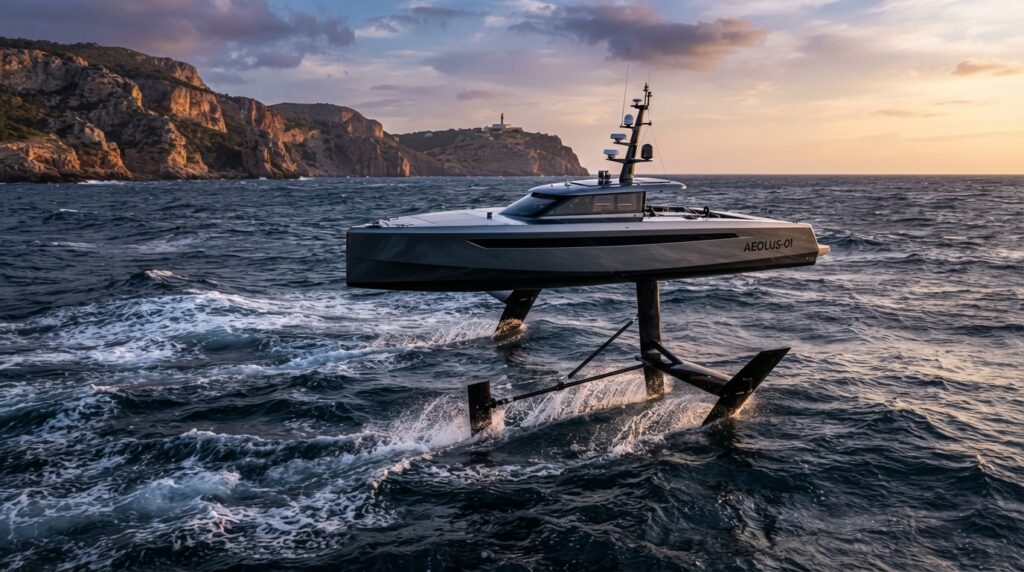
Foil-based watercraft represent one of the most technically demanding applications of AI in water sports. Maintaining stable flight above water requires constant adjustment of lift, pitch, and roll—tasks that are extremely difficult for human riders alone.
AI-driven foil control systems continuously adjust foil angle and lift characteristics to maintain smooth, efficient flight. These systems analyse wave patterns, speed changes, and rider movement in real time.
Without AI, foiling would remain a niche activity limited to highly skilled riders. With AI assistance, it becomes accessible, predictable, and far safer. This democratisation effect is one of the key reasons foil-based craft are expected to grow rapidly over the next decade.
Safety Systems and Autonomous Intervention
AI also introduces a new class of safety features that go beyond traditional kill switches. Intelligent systems can recognise dangerous patterns before an accident occurs.
Examples include:
- Detecting rider fatigue or erratic input
- Recognising collision risk based on trajectory and speed
- Identifying abnormal battery or motor behaviour
- Automatically reducing power in hazardous conditions
In extreme cases, AI systems can initiate controlled shutdowns or safe-mode operation, ensuring the craft remains upright and controllable rather than simply cutting power abruptly.
For rescue craft and safety equipment, AI control systems are even more critical. Autonomous stabilisation, precise navigation, and consistent performance under stress can mean the difference between success and failure in real emergencies.
Why Traditional Manufacturers Are Struggling With AI
Many legacy manufacturers find AI integration challenging, not because the technology is unavailable, but because their design philosophy is rooted in mechanical thinking. AI requires a systems-level approach where software, hardware, and user experience are developed together.
Retrofitting AI onto existing platforms often produces compromised results. True AI integration must be designed into the craft from the outset. This reality is creating a divide in the market between forward-looking manufacturers and those attempting incremental updates to outdated architectures.
Consumers are already sensing this difference. Craft with genuine AI control feel calmer, more predictable, and more refined—even if riders cannot articulate exactly why.
Regulation, Trust, and Transparency
As AI becomes more involved in control decisions, questions naturally arise around trust and regulation. In water sports, acceptance depends on transparency. Riders must understand that AI assists rather than replaces them.
The most successful systems clearly communicate what the AI is doing and why. Visual feedback, intuitive alerts, and predictable behaviour are essential. When riders trust the system, they ride more confidently and safely.
Regulators are also beginning to recognise the safety benefits of AI-assisted control, particularly in electric and low-speed craft. Over time, intelligent control systems may become not just a competitive advantage but an expected standard.
The Long-Term Impact on Water Sports Design
AI is not merely an add-on feature. It is reshaping how watercraft are conceived. Hull shapes, propulsion systems, and user interfaces are increasingly designed with AI in mind. This integration allows designers to prioritise efficiency, safety, and usability over brute stability or oversized components.
As AI systems improve, watercraft will become lighter, quieter, and more responsive. Performance will be defined less by raw speed and more by control quality, adaptability, and confidence-inspiring behaviour.
In many ways, AI marks the transition of water sports from mechanical recreation to intelligent recreation. The craft of the future will not simply respond—they will collaborate with the rider.
Conclusion
The role of AI in water sports control systems is foundational, not optional. It underpins stability, safety, efficiency, and accessibility across the next generation of electric and hybrid watercraft. By transforming how control inputs are interpreted and executed, AI allows watercraft to operate closer to their physical limits while remaining calm and predictable for the user.
This quiet revolution is already underway. As riders experience the benefits firsthand, expectations will change permanently. In the coming decade, intelligent control will not be a premium feature—it will be the baseline for serious water sports innovation.
See More at www.vectorwatercraft.com.au.