
The Traditional Meaning of a Personal Watercraft
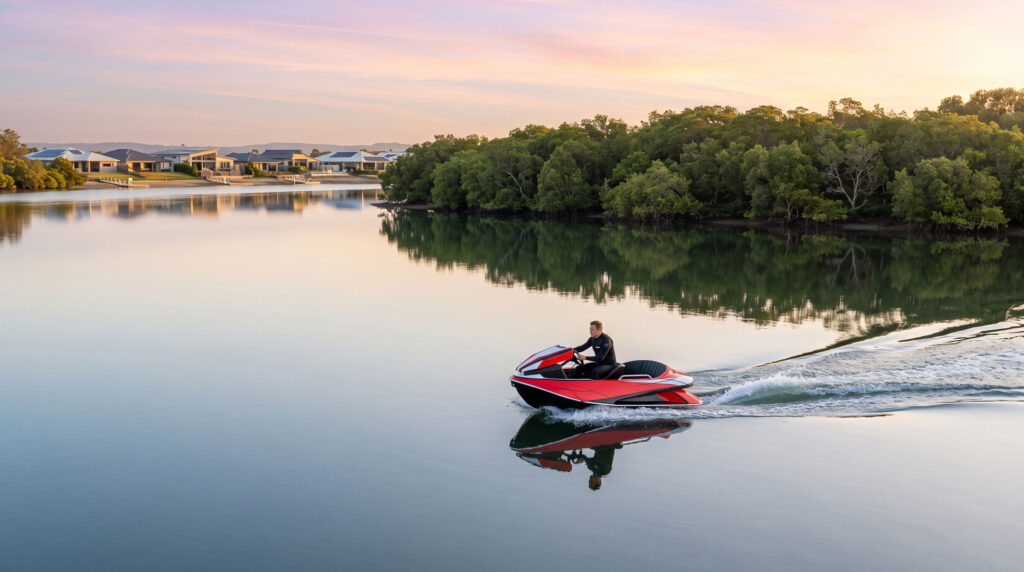
The term personal watercraft has a precise meaning that long predates the current shift toward electric propulsion. In Australia and globally, a personal watercraft (PWC) has always been defined by how it is used, how it is controlled, and how it interacts with the water—not by what fuel it consumes. A PWC is a compact, rider-operated vessel designed for direct engagement, typically ridden rather than sat inside, and propelled by an internal jet system rather than an exposed propeller.
Historically, personal watercraft have been built for agility, acceleration, and short-range use. They are not transport boats, cruising vessels, or displacement craft. They are high-response machines designed for recreation, patrol, rescue support, or rapid point-to-point movement close to shore. This definition has remained remarkably consistent for decades and is embedded in Australian maritime classifications, licensing requirements, and safety regulations.
Why Fuel Type Has Never Defined a Personal Watercraft
A common misconception is that petrol engines somehow define the personal watercraft category. In reality, propulsion technology has changed repeatedly without altering the definition of a personal watercraft. Early PWCs were almost exclusively two-stroke machines—lightweight, loud, mechanically simple, and relatively high-emission. As environmental pressure and user expectations evolved, four-stroke engines replaced two-strokes. Despite this major mechanical shift, the craft remained personal watercrafts because their purpose, form, and operation did not change.
Electric propulsion represents the next step in that same evolutionary line. It replaces the combustion engine with an electric motor and battery system, but the craft remains compact, rider-controlled, jet-propelled, and designed for high engagement. From a definitional standpoint, the category does not change; the delivery of performance does.
Jet Propulsion as the Core Identifier
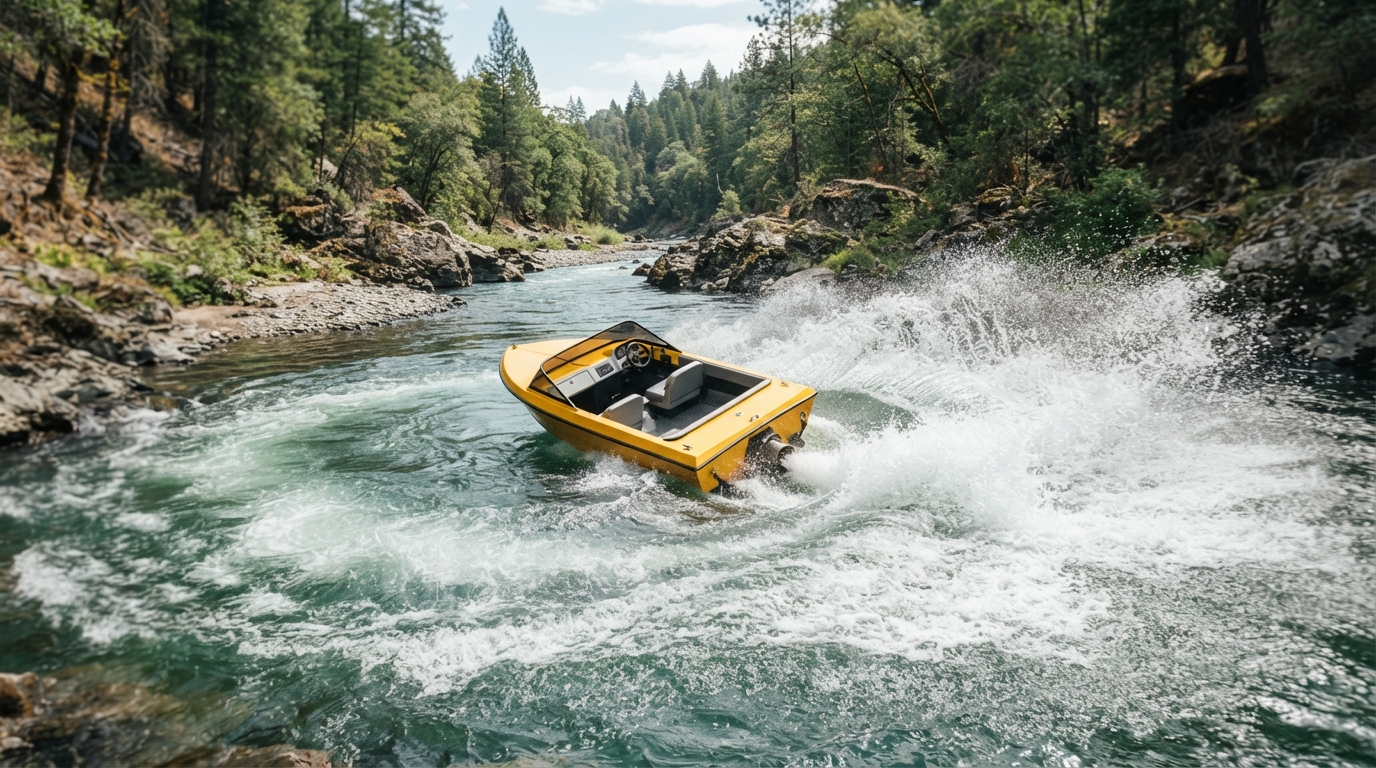
One of the most important characteristics that defines a personal watercraft is jet propulsion. Unlike propeller-driven boats, personal watercraft draw water into an enclosed pump and expel it at speed to create thrust. This design allows safe operation near swimmers, reduces the risk of strike injuries, and enables shallow-water capability.
Electric propulsion integrates naturally with jet systems. Electric motors deliver smooth, controllable torque across a wide operating range, which improves low-speed manoeuvring, mid-range thrust, and throttle precision. In many respects, electric motors are better suited to jet propulsion than combustion engines, particularly in variable Australian conditions where chop, current, and mixed water use are common.
Rider Engagement and Control
A defining feature of a personal watercraft is the degree of rider involvement. A PWC is not passively steered; it is actively ridden. Steering input, throttle modulation, body positioning, and balance all influence how the craft behaves. This rider-machine relationship is central to the category.
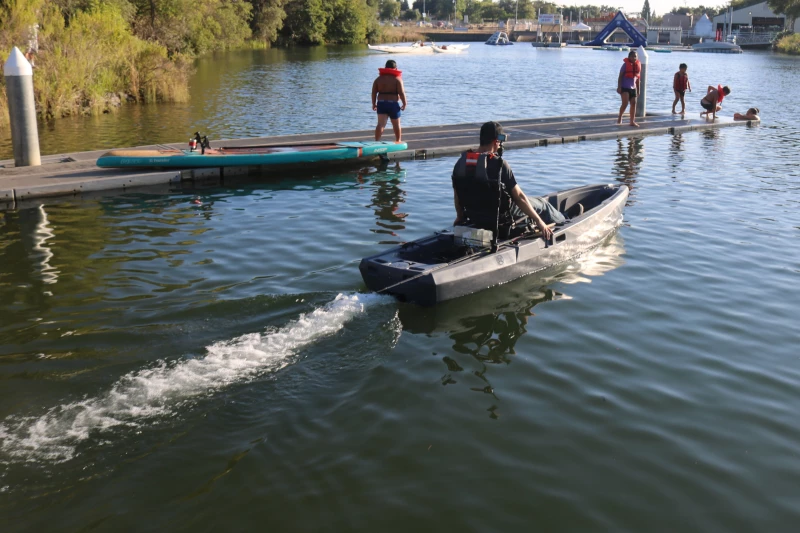
Electric PWCs enhance this relationship by removing many of the mechanical limitations of petrol engines. There is no throttle lag, no gear change delay, and no vibration. Power delivery is immediate and linear, allowing finer control in tight spaces such as marinas, river mouths, and crowded coastal zones. For experienced riders, this increases precision. For new riders, it increases confidence and safety.
Size, Weight, and Portability
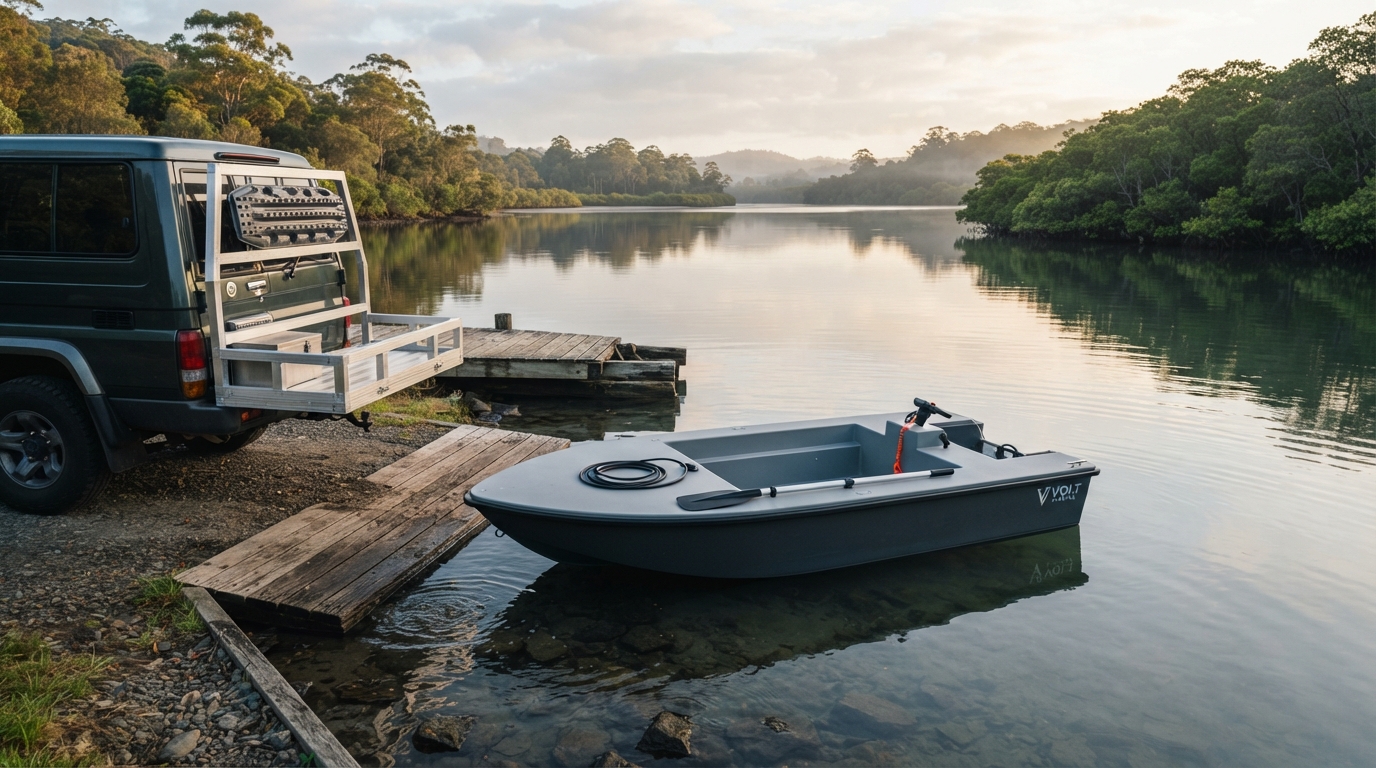
Compact size and relative portability are fundamental to PWCs. They are designed to be launched easily, stored without specialised infrastructure, and transported on standard trailers. Electric PWCs meet these criteria through advances in battery energy density and integrated structural design.
Modern electric PWCs often benefit from improved weight distribution. Batteries are typically placed low and centrally, lowering the centre of gravity and improving stability. This can result in more predictable handling than traditional petrol PWCs, particularly in cross-chop or side swell—conditions frequently encountered around Australia’s coastline.
Australian Regulatory Context
In Australia, maritime authorities classify PWCs based on vessel configuration and operational characteristics, not fuel source. Electric PWCs fall under the same broad regulatory frameworks as petrol PWCs in terms of licensing, safety equipment, and operational conduct.
Where electric PWCs differ is in access. Noise restrictions, environmental controls, and community pressure increasingly affect where petrol PWCs can operate. Electric PWCs, with dramatically reduced noise and zero local emissions, are often permitted in waterways where petrol craft face limitations. This does not redefine the category; it expands where the category can responsibly exist.
Noise as a Defining Modern Consideration
Noise has become one of the most significant factors influencing PWC acceptance in Australia. Petrol PWCs produce high-frequency noise that travels long distances over water, often generating complaints from waterfront residents and users of quiet waterways.
Electric PWCs operate with minimal acoustic output. This fundamentally changes how they are perceived by communities, councils, and environmental bodies. Quiet operation allows PWCs to be used in lakes, rivers, estuaries, and near residential zones where petrol PWCs are increasingly unwelcome.
Emissions and Environmental Impact
Traditional PWCs discharge exhaust gases directly into the atmosphere and, in some cases, into the water. Fuel spills during refuelling and oil contamination are long-standing environmental concerns. As scrutiny of marine environmental impact increases, these issues weigh more heavily on regulatory decisions.
Electric PWCs produce zero exhaust emissions at the point of use. There is no fuel handling, no oil, and no exhaust discharge. While electricity generation has upstream impacts, the local environmental footprint of electric PWCs is dramatically lower—an increasingly important consideration in Australia’s protected waterways.
Design Philosophy in the Electric Era
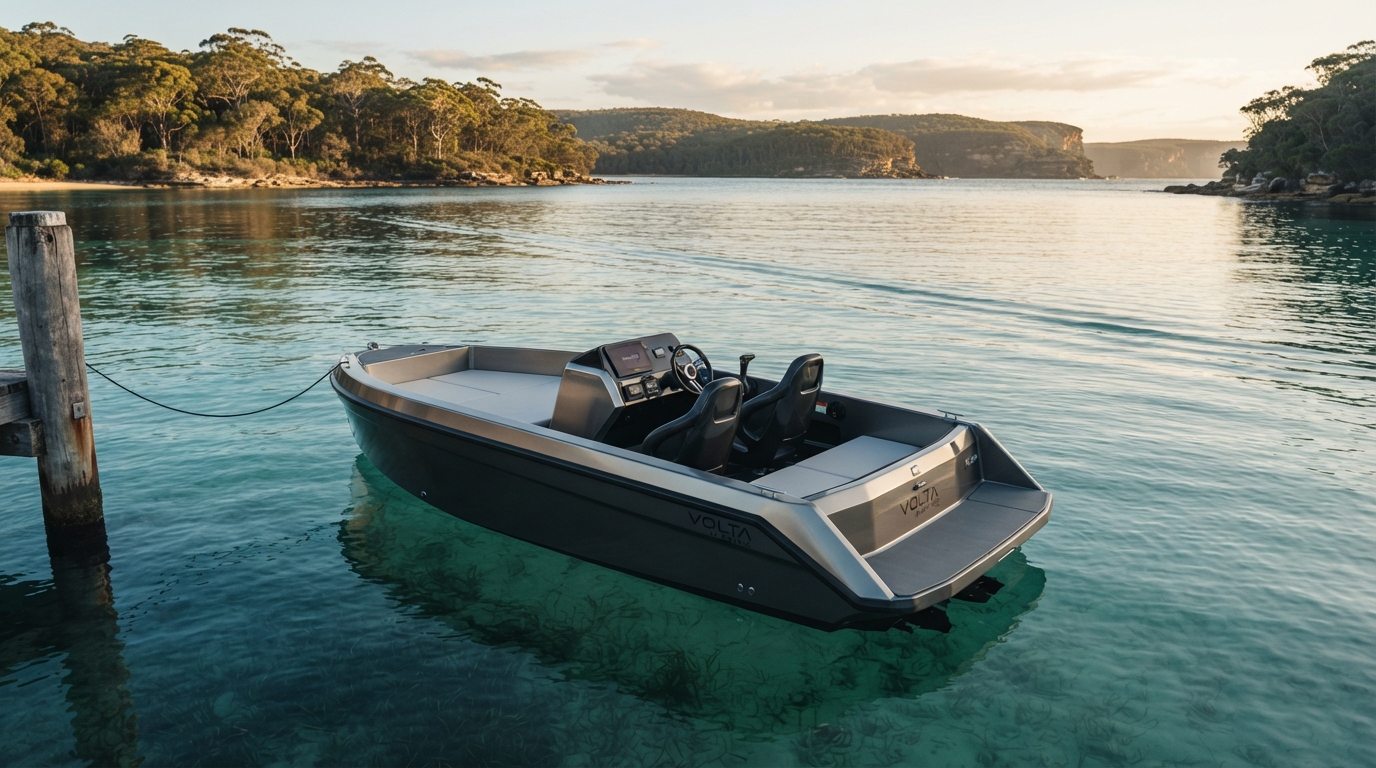
Electric PWCs are designed with a different philosophy from many petrol models. Rather than chasing extreme top-speed figures, electric designs prioritise usable performance, efficiency, and thermal stability. Hull shapes are optimised for real-world conditions rather than flat-water speed runs. Power delivery is digitally controlled rather than mechanically limited.
This shift reflects a broader maturation of the PWC category. The emphasis moves from spectacle to capability, from aggression to refinement. Importantly, this does not reduce performance; it makes performance more accessible and more relevant to everyday use.
Safety Systems and Predictability
Electric propulsion enables sophisticated safety management systems. Battery management systems continuously monitor temperature, voltage, current, and state of charge. Motor controllers can limit output automatically to prevent damage or unsafe operation. Fault conditions are detected early and communicated clearly to the rider.
Predictability is a major safety advantage. Electric PWCs behave consistently across their operating range. There is no sudden power surge, no stalling, and no mechanical overheating in the traditional sense. In marine environments, predictability reduces risk.
Reliability and Reduced Mechanical Stress
Internal combustion engines operate through thousands of explosions per minute. This creates heat, vibration, and mechanical wear. Electric motors, by contrast, operate through electromagnetic force with far fewer moving parts. The result is reduced mechanical stress and longer service life.
For Australian owners who may use PWCs seasonally, this reliability is significant. Electric systems are less affected by long periods of inactivity, fuel degradation, or corrosion associated with traditional engines.
Expanding Use Cases Without Changing Identity
Electric PWCs are increasingly used in applications beyond traditional recreation. Resorts use them for guest transport and supervision. Waterfront estates use them for quiet access. Marine patrols and rescue teams use them where noise and fumes are undesirable.
These expanding use cases do not redefine what a PWC is. They demonstrate how electric propulsion allows the category to operate responsibly in environments where petrol propulsion is no longer appropriate.
The Cultural Shift in Expectations
Australian buyers are becoming more informed and more selective. Expectations around noise, maintenance, environmental responsibility, and long-term ownership are changing. Electric PWCs align with these evolving expectations without abandoning the core appeal of personal watercraft: freedom, responsiveness, and engagement with the water.
This cultural shift reinforces, rather than undermines, the relevance of the PWC category.
Addressing the “Is It Still a PWC?” Question
The question of whether an electric PWC is “really” a PWC is ultimately a matter of understanding history. Every major technological transition has prompted similar questions. Two-stroke to four-stroke. Carburettor to fuel injection. Analogue gauges to digital displays.
In each case, the category endured because its essence remained unchanged. Electric propulsion is no different. The craft is still personal, still rider-controlled, still jet-propelled, and still designed for high-engagement use.
The Definition Reaffirmed for the Electric Era
In the electric era, a personal watercraft is defined by compact design, rider engagement, jet propulsion, agile handling, and short-range performance. Electric propulsion refines how these characteristics are delivered. It improves control, reduces environmental impact, enhances reliability, and broadens access to Australian waterways.
Electric PWCs do not replace the personal watercraft category. They represent its logical, responsible, and technologically mature evolution.