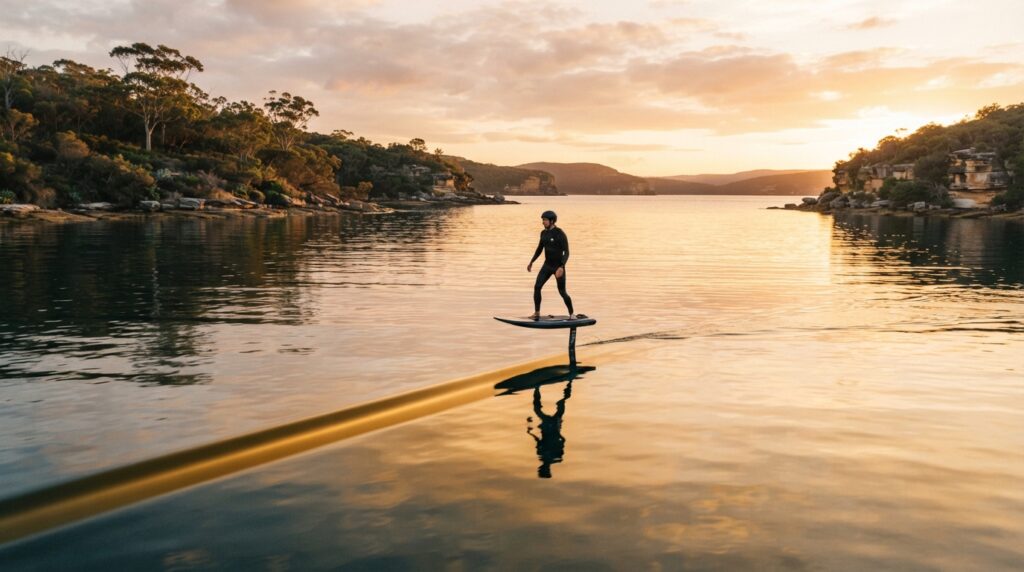

E-foil boards are often introduced as high-performance, technologically advanced watercraft, but their true value is best understood through their performance in specific environments. Unlike traditional boards or even electric surfboards, e-foils rely on hydrofoil lift, which changes how they interact with water conditions.
This means that while they can operate in a variety of locations, they perform best in particular environments that support their unique characteristics.
For Australian users, understanding these environments is essential. The country offers a wide range of waterways, but not all are equally suited to e-foiling. Choosing the right location significantly affects safety, learning progression, and overall experience.
The Importance of Environment in E-Foiling
Why Environment Matters More for E-Foils
Because e-foils:
- lift above the water
- rely on smooth flow around the foil
- require stable conditions
they are more sensitive to:
- turbulence
- obstacles
- sudden changes in water movement
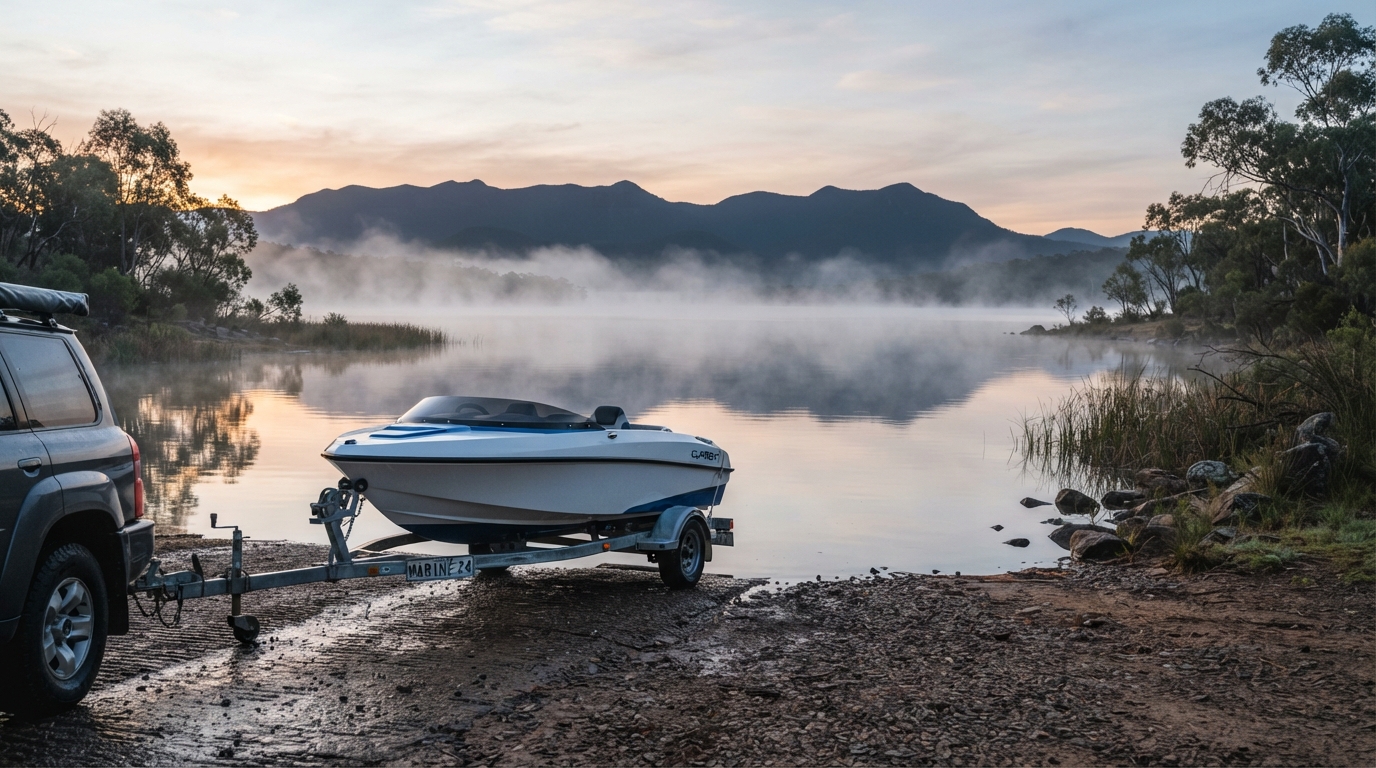
Lakes – The Ideal Starting Point
Why Lakes Are Perfect
Lakes offer:
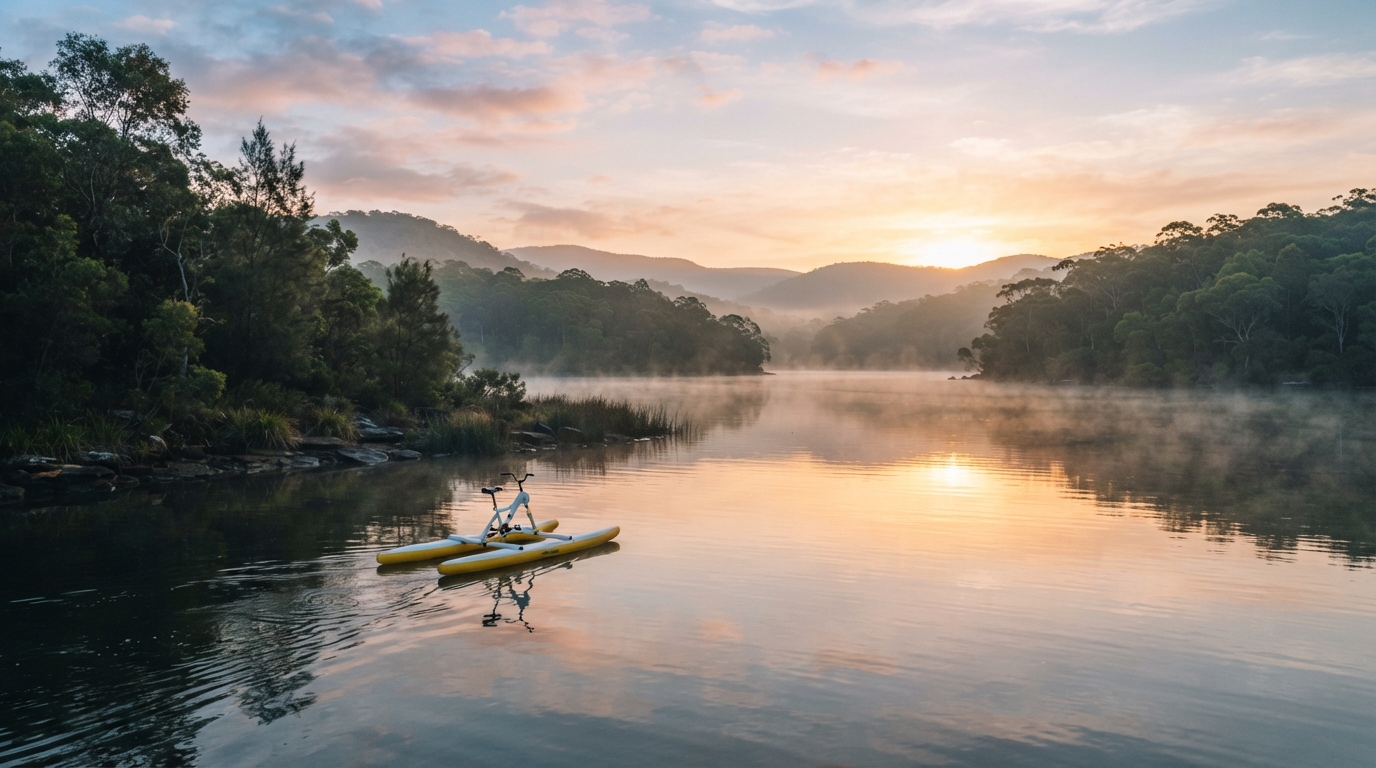
- flat water
- minimal current
- predictable conditions
Benefits for E-Foiling
- easier learning
- stable lift
- consistent control
Best Use
Ideal for:
- beginners
- training
- recreational use
Bays and Sheltered Coastal Areas
Characteristics
- moderate water movement
- some chop
- open space
Performance
E-foils perform well when:
- conditions are controlled
- swell is minimal
User Experience
- extended riding sessions
- smooth gliding
Rivers – Selective Use
Where They Work
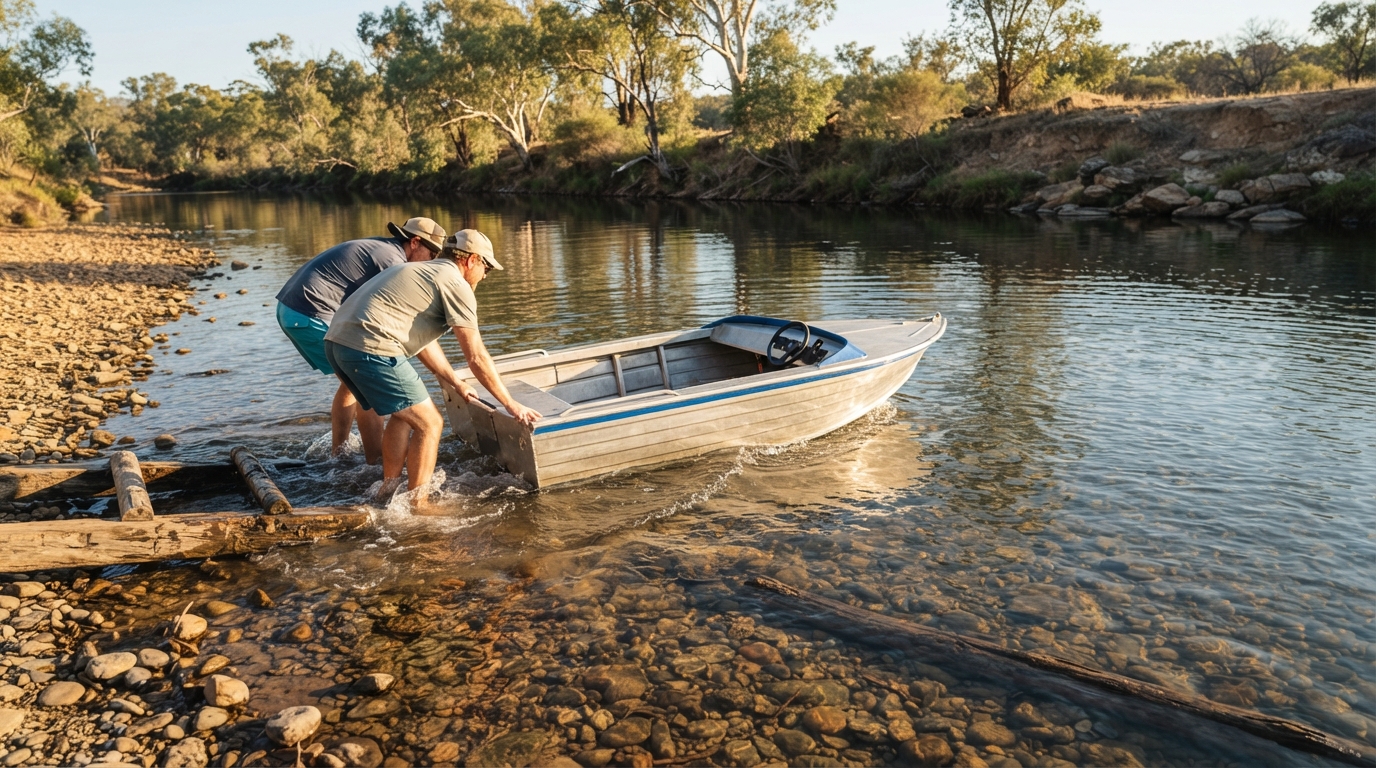
- wide, slow-moving rivers
Challenges
- current
- obstacles
- depth variation
Recommendation
Suitable for:
- experienced users
- controlled sections
Open Ocean – Advanced Use Only
Challenges
- swell
- wind
- unpredictable conditions
Impact
- reduced stability
- increased difficulty
Use Case
Only for:
- experienced riders
- calm offshore conditions
Australian Context – A Strong Advantage
Australia provides:
- ideal lakes
- protected bays
- diverse waterways
Implication
E-foils are highly compatible with:
- Australian geography
- lifestyle
Safety Considerations
Key Factors
- depth awareness
- obstacle avoidance
- controlled speed
Choosing the Right Environment
Beginners
→ lakes
Intermediate Users
→ bays
Advanced Users
→ controlled coastal areas
Conclusion
E-foil boards perform best in calm, controlled environments where their hydrofoil technology can operate efficiently. Lakes and sheltered bays offer ideal conditions, while more challenging environments require experience and caution. Understanding these factors ensures safe and enjoyable use.