
When considering the purchase of an underwater scooter, many buyers initially focus on the upfront cost. While this is understandable, it provides only a partial picture of the true financial commitment involved. Like most specialised equipment, the real cost of ownership is determined over time, influenced by usage, maintenance, battery performance, and long-term reliability.
For Australian users—whether recreational snorkellers, divers, or commercial operators—these factors are particularly relevant. Environmental conditions such as saltwater exposure, temperature variations, and frequency of use all play a role in determining how an underwater scooter performs and how much it ultimately costs.
This article provides a comprehensive analysis of the true cost of underwater scooters, helping users understand both the immediate and long-term financial implications.
Understanding Total Cost of Ownership
The total cost of owning an underwater scooter includes:
- initial purchase price
- operating costs
- maintenance and servicing
- battery lifecycle
- depreciation and resale value
Each of these elements must be considered together.
Initial Purchase Price
What Influences Cost
Underwater scooters vary widely in price based on:
- motor power
- battery capacity
- build quality
- materials and design
Market Segmentation
- entry-level models → lower cost, limited capability
- mid-range models → balanced performance
- advanced models → higher cost, greater capability
Australian Market Factors
Prices may be influenced by:
- import costs
- availability
- demand
Operating Costs
Electric Propulsion Advantage
Underwater scooters are electric:
- no fuel costs
- minimal consumables
Per-Use Cost
- relatively low
- predictable
Long-Term Impact
Frequent use reduces:
- effective cost per session
Battery Lifecycle and Replacement
The Most Critical Cost Factor
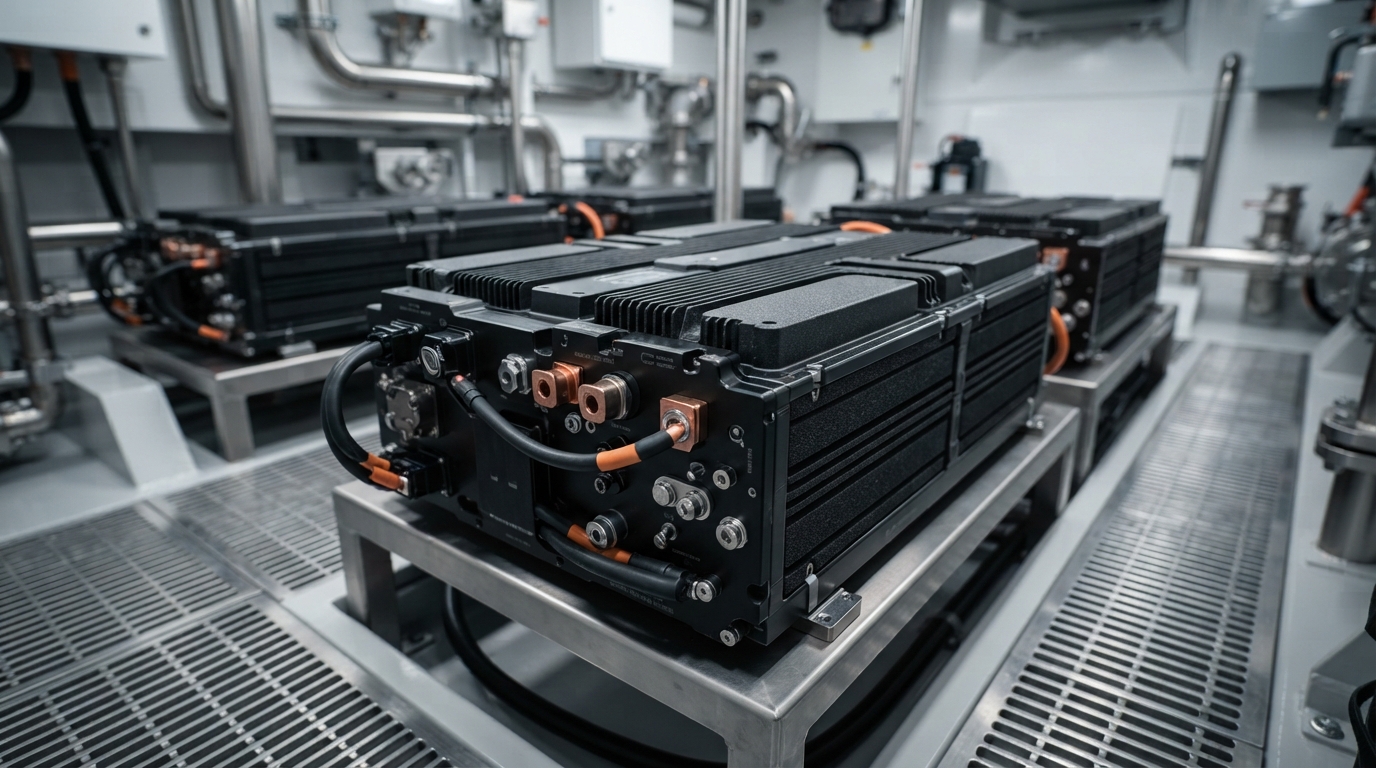
Battery systems:
- determine performance
- represent a major long-term cost
Degradation Over Time
All batteries:
- lose capacity gradually
- require eventual replacement
Factors Affecting Battery Life
- charging habits
- storage conditions
- temperature exposure
- usage frequency
Replacement Considerations
- significant cost event
- infrequent with proper care
Extending Battery Life
Best practices include:
- proper charging cycles
- avoiding extreme temperatures
- regular use
Maintenance Requirements
Routine Maintenance
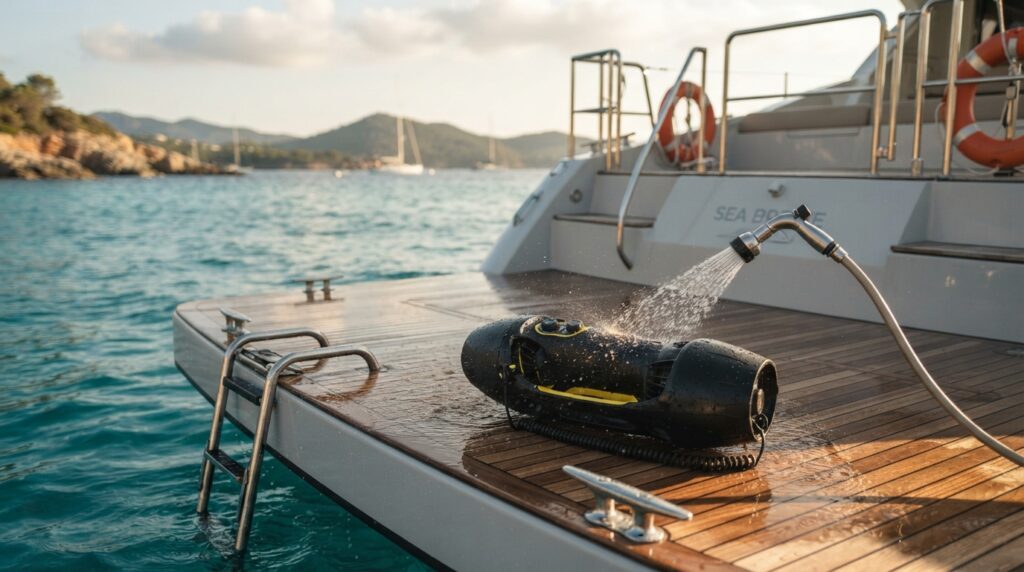
- cleaning after saltwater use
- inspecting seals and components
- checking propulsion system
Mechanical Simplicity
Electric systems:
- reduce complexity
- lower maintenance needs
Cost Impact
- reduced servicing costs
- less downtime
Storage and Handling
Environmental Sensitivity
Proper storage requires:
- dry conditions
- temperature control
Transport Considerations
- protection from impact
- careful handling
Depreciation and Resale Value
Factors Influencing Value
- condition
- usage
- brand and quality
Market Trends
Growing interest in underwater mobility may:
- support resale demand
- improve value retention
Cost vs Value Perspective
Usage Frequency
Higher usage results in:
- greater value
- lower cost per use
Experience Value
Underwater scooters provide:
- extended exploration
- reduced fatigue
- improved enjoyment
Commercial Use Perspective
Tourism Operators
- enhanced customer experience
- premium activity offering
Operational Efficiency
- low running cost
- minimal maintenance
Australian Context
Environmental Considerations
Saltwater exposure requires:
- disciplined maintenance
- proper cleaning
Usage Opportunities
Australia’s waterways allow:
- frequent use
- strong return on investment
Common Cost Mistakes
- focusing only on purchase price
- neglecting battery care
- underestimating long-term value
Maximising Value
To achieve best outcomes:
- maintain equipment regularly
- manage battery correctly
- use consistently
Conclusion
The true cost of owning an underwater scooter extends beyond the initial purchase. When operating costs, maintenance, and long-term value are considered, these devices often represent a practical and worthwhile investment. For Australian users, frequent access to suitable environments further enhances their value.