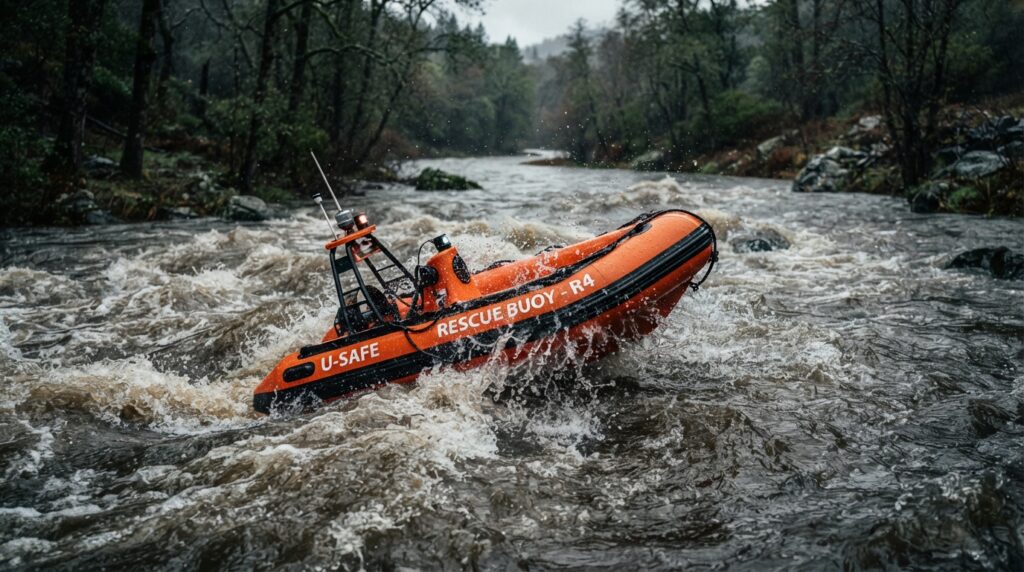

Remote Control Rescue Buoys (RCRBs) are often described as versatile rescue tools, but their true value is best understood by examining how they perform across different environments. Unlike traditional rescue equipment, which may be optimised for a specific setting, RCRBs are designed to operate across a wide range of conditions. However, their effectiveness varies depending on factors such as water movement, visibility, accessibility, and operator control.
In Australia, where water environments range from surf beaches and rivers to pools and industrial marine facilities, understanding where RCRBs perform best is essential. This knowledge allows operators to deploy them effectively, maximise safety outcomes, and integrate them into broader rescue strategies.
This article provides a detailed analysis of how RCRBs perform in different environments, highlighting their strengths, limitations, and best-use scenarios.
The Importance of Environment in Rescue Operations
Why Environment Matters
Rescue outcomes depend heavily on:
- water conditions
- accessibility
- response time
- visibility
Role of RCRBs
RCRBs are designed to:
- improve response speed
- reduce physical risk
- provide controlled assistance
However, their performance is influenced by environmental factors.
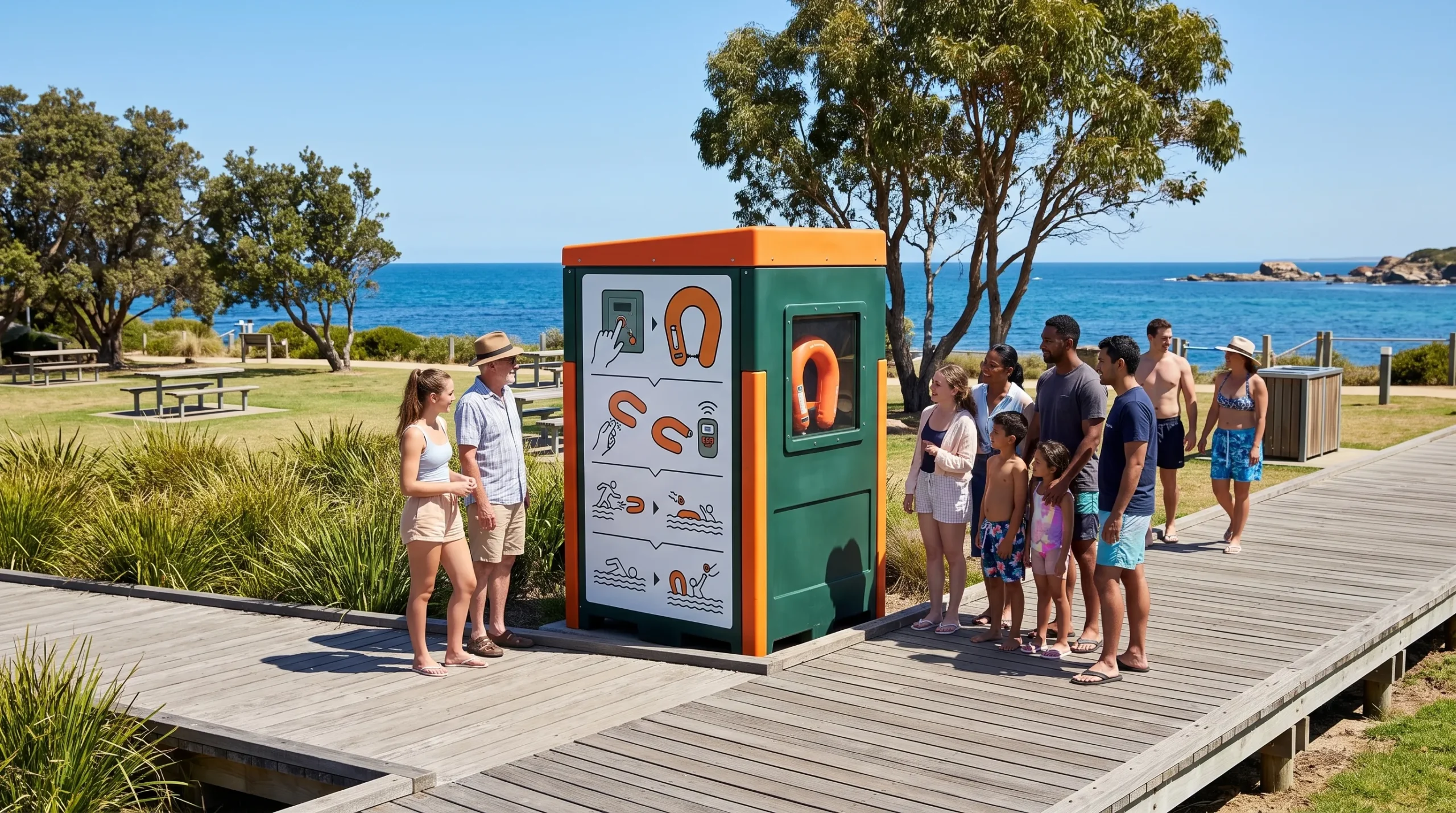
Surf Beaches – High-Impact Application
Characteristics of Surf Environments
Surf beaches present:
- waves
- currents
- unpredictable conditions
Traditional Challenges
- rescuers must enter surf
- high physical demand
- risk of secondary incidents
RCRB Performance
In surf environments:
- rapid deployment from shore
- direct path to victim
- reduced need for rescuer entry
Advantages
- faster initial response
- improved rescuer safety
- effective in moderate surf
Limitations
- extreme surf may affect control
- requires skilled operation
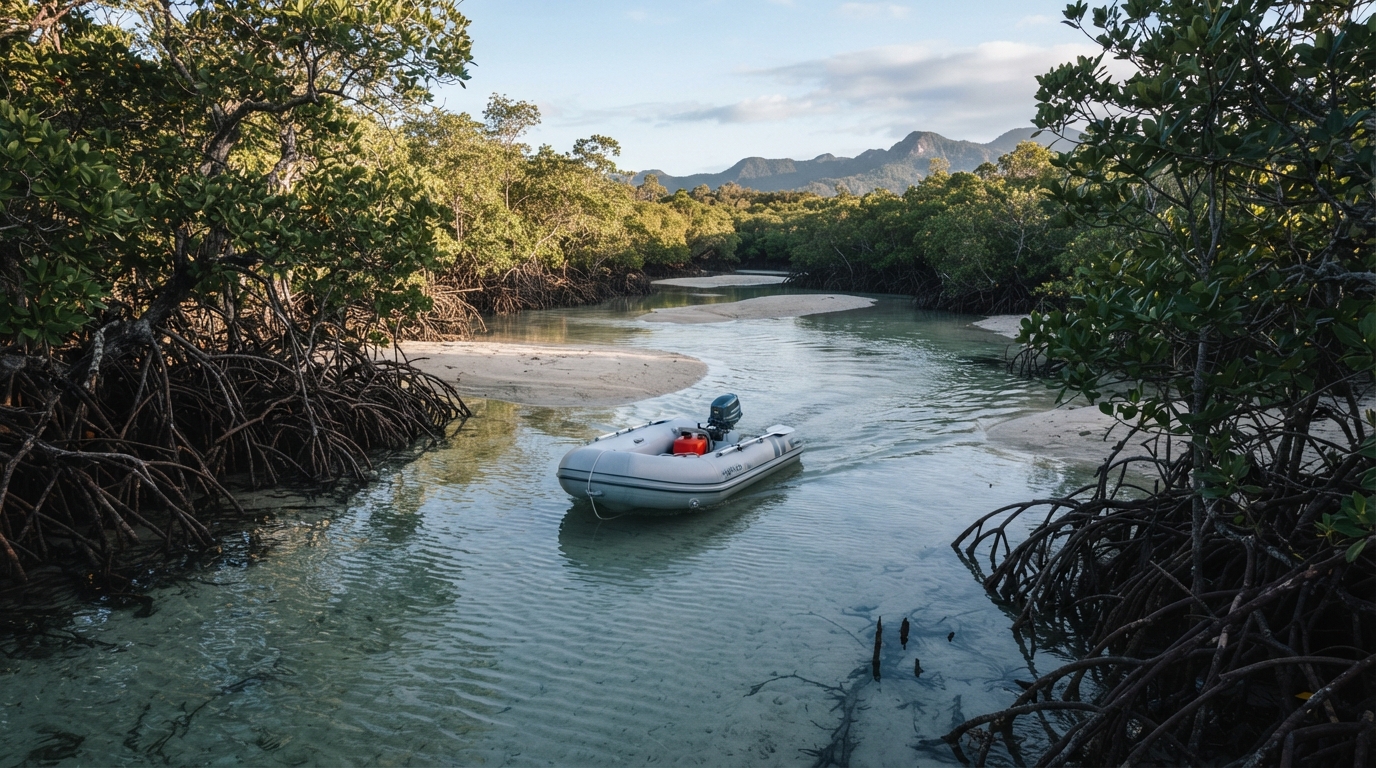
Rivers and Inland Waterways
Characteristics
- varying currents
- obstacles
- confined spaces
Challenges
- limited access points
- unpredictable flow
RCRB Advantages
- precise navigation
- ability to operate in confined areas
- reduced need for physical entry
Best Use Cases
- slow to moderate current
- accessible deployment points
Lakes and Calm Water Environments
Characteristics
- stable conditions
- minimal current
Performance
RCRBs perform exceptionally well in:
- calm water
- controlled environments
Advantages
- easy operation
- high accuracy
- consistent performance
Applications
- recreational areas
- training
- safety support
Swimming Pools and Controlled Facilities
Role of RCRBs
In pools:
- training tool
- emergency backup
Advantages
- controlled conditions
- easy deployment
- safe training environment
Commercial and Industrial Marine Environments
Typical Locations
- marinas
- ports
- offshore facilities
Challenges
- restricted access
- safety requirements
- operational risk
RCRB Advantages
- quick response
- minimal disruption
- improved safety compliance
Australian Context – Why Versatility Matters
Australia’s diversity of waterways requires:
- adaptable rescue solutions
- consistent performance
RCRBs meet this requirement effectively.
Environmental Limitations
Factors Affecting Performance
- extreme weather
- heavy surf
- strong currents
Mitigation
- operator training
- appropriate deployment
Integration Across Environments
RCRBs can be integrated into:
- lifeguard operations
- commercial safety systems
- recreational safety protocols
Conclusion
Remote Control Rescue Buoys demonstrate strong performance across a wide range of environments, from surf beaches and rivers to pools and commercial facilities. Their versatility makes them a valuable addition to modern rescue systems, particularly in Australia where environmental diversity demands adaptable solutions.