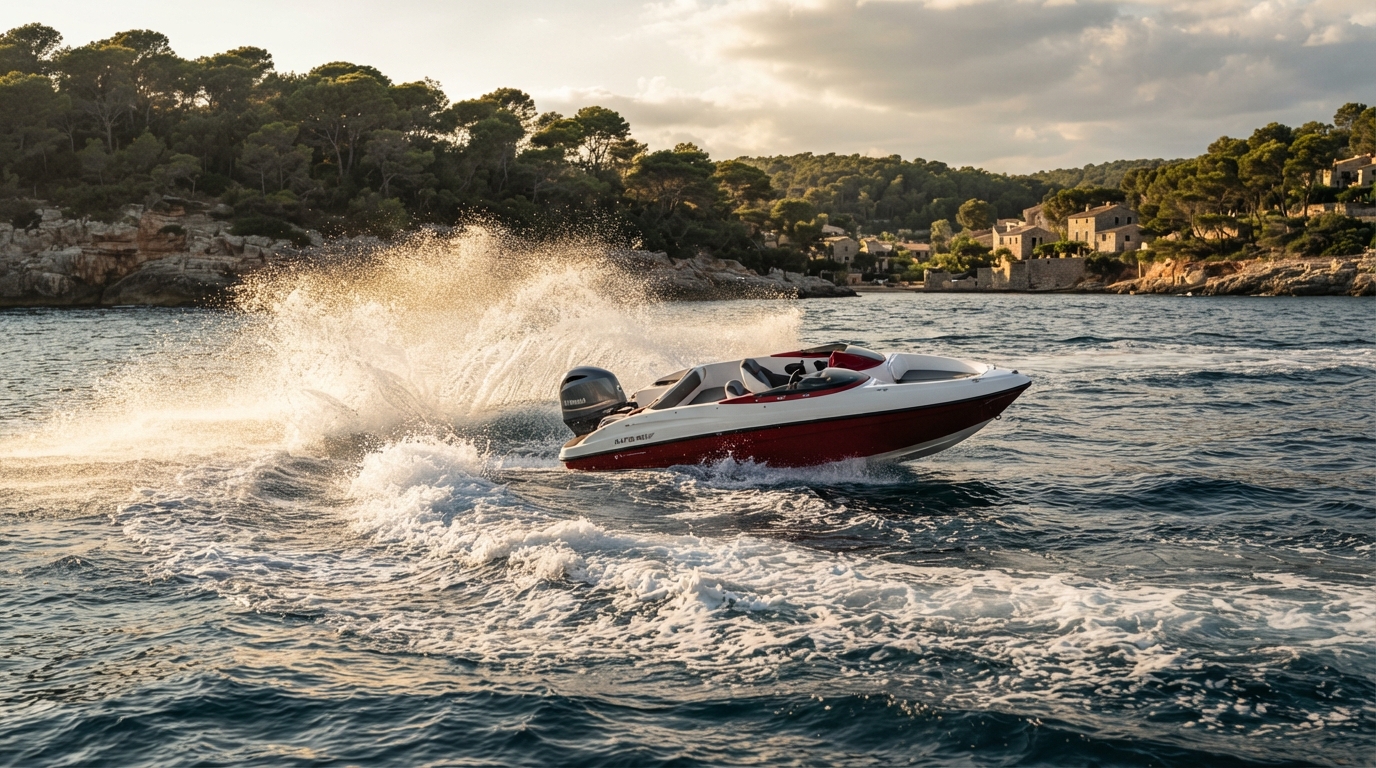
The evolution of water sports has always followed a clear pattern: advancements in technology gradually reduce barriers to entry, improve performance, and expand the environments in which activities can take place. From traditional surfing through to powered watercraft, each development has opened new possibilities. E-foil boards sit at the intersection of several major trends—electric propulsion, hydrofoil engineering, and the growing demand for accessible, experience-driven recreation.
The question is no longer whether e-foil boards are viable. That has already been established. The more relevant question is whether they represent a meaningful part of the future of water sports, both globally and within Australia.
To answer this properly, it is necessary to examine multiple dimensions: technological progression, consumer behaviour, commercial application, environmental considerations, and long-term market direction.
The Shift Toward Technology-Driven Water Sports
Historical Context
Water sports have traditionally been dependent on natural forces:
- surfing relies on waves
- sailing depends on wind
- paddling requires physical effort
While these activities remain popular, they also impose limitations on when and where they can be practised.
The Role of Technology
Technological innovation has gradually reduced these limitations:
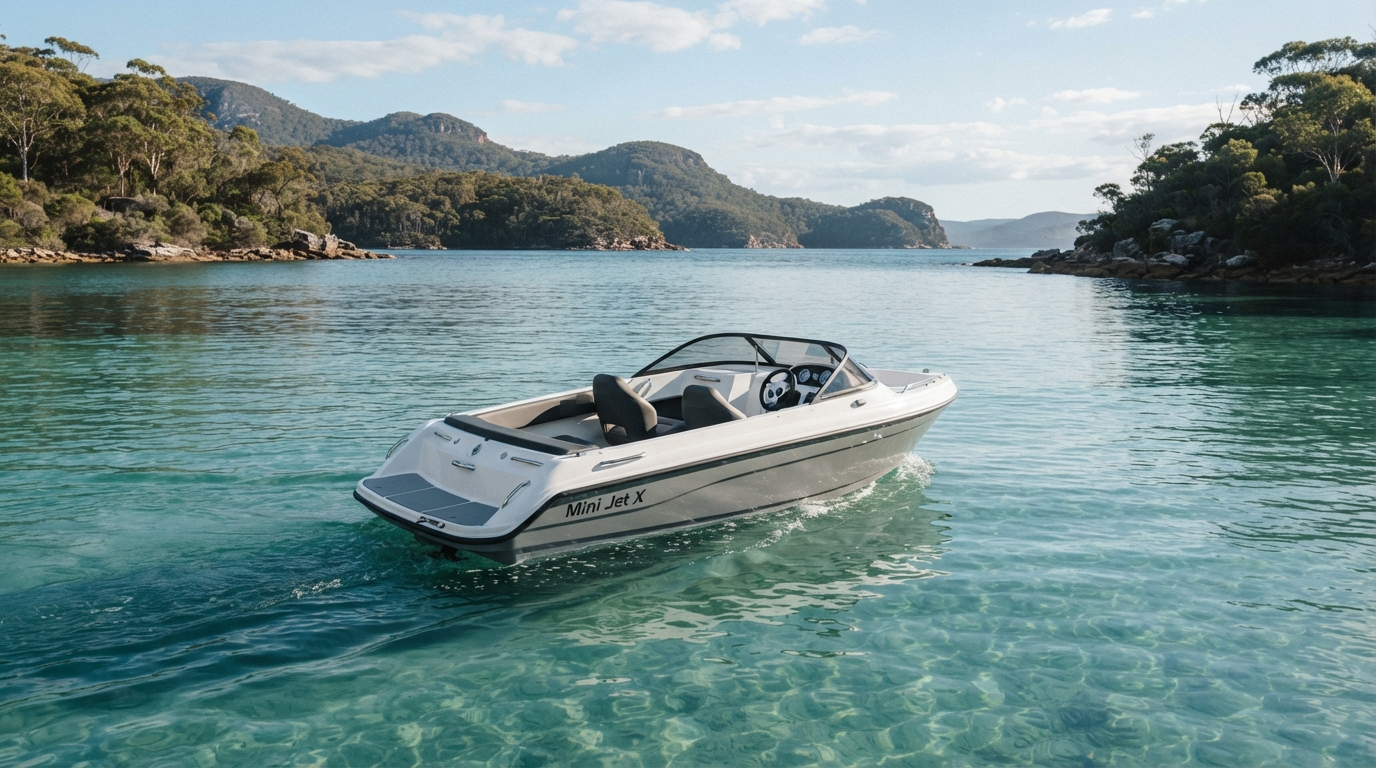
- jet propulsion enabled powered personal watercraft
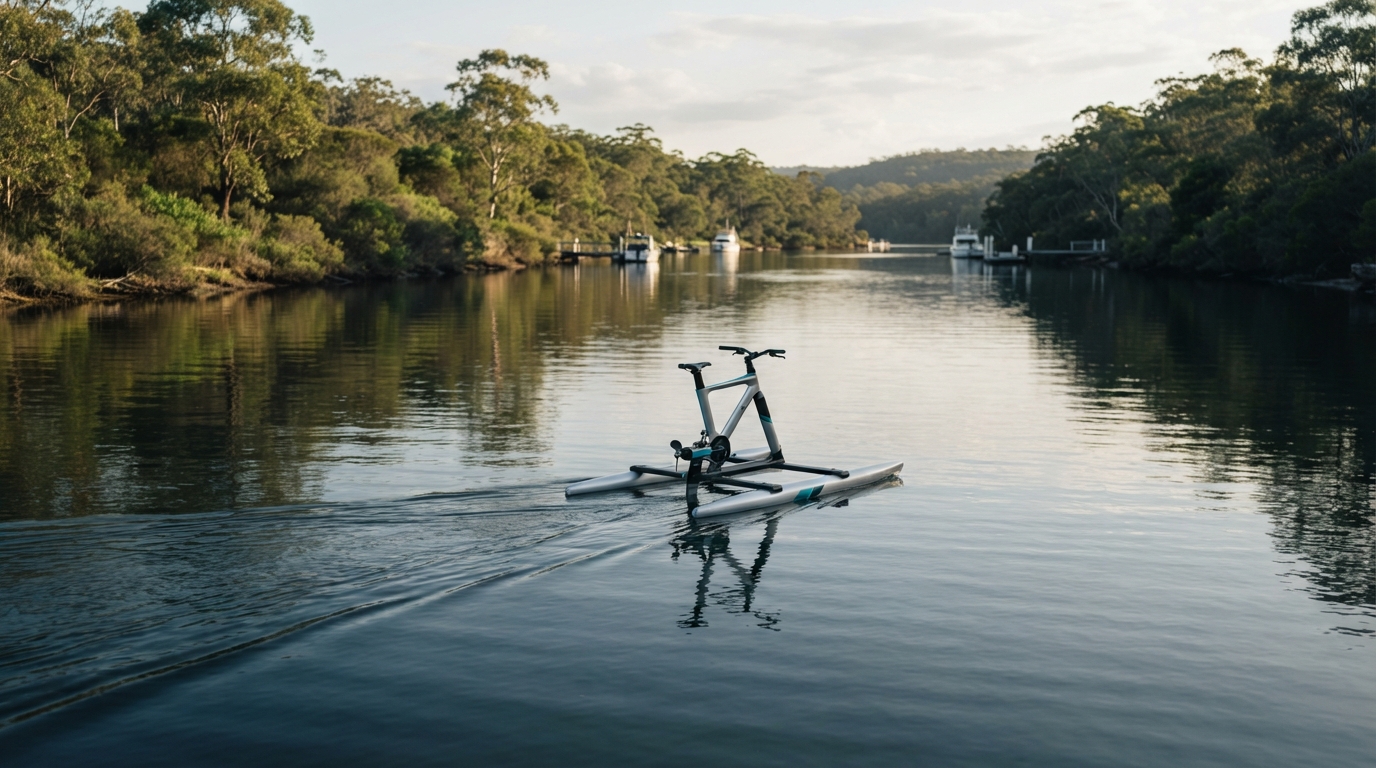
- inflatable technology improved accessibility
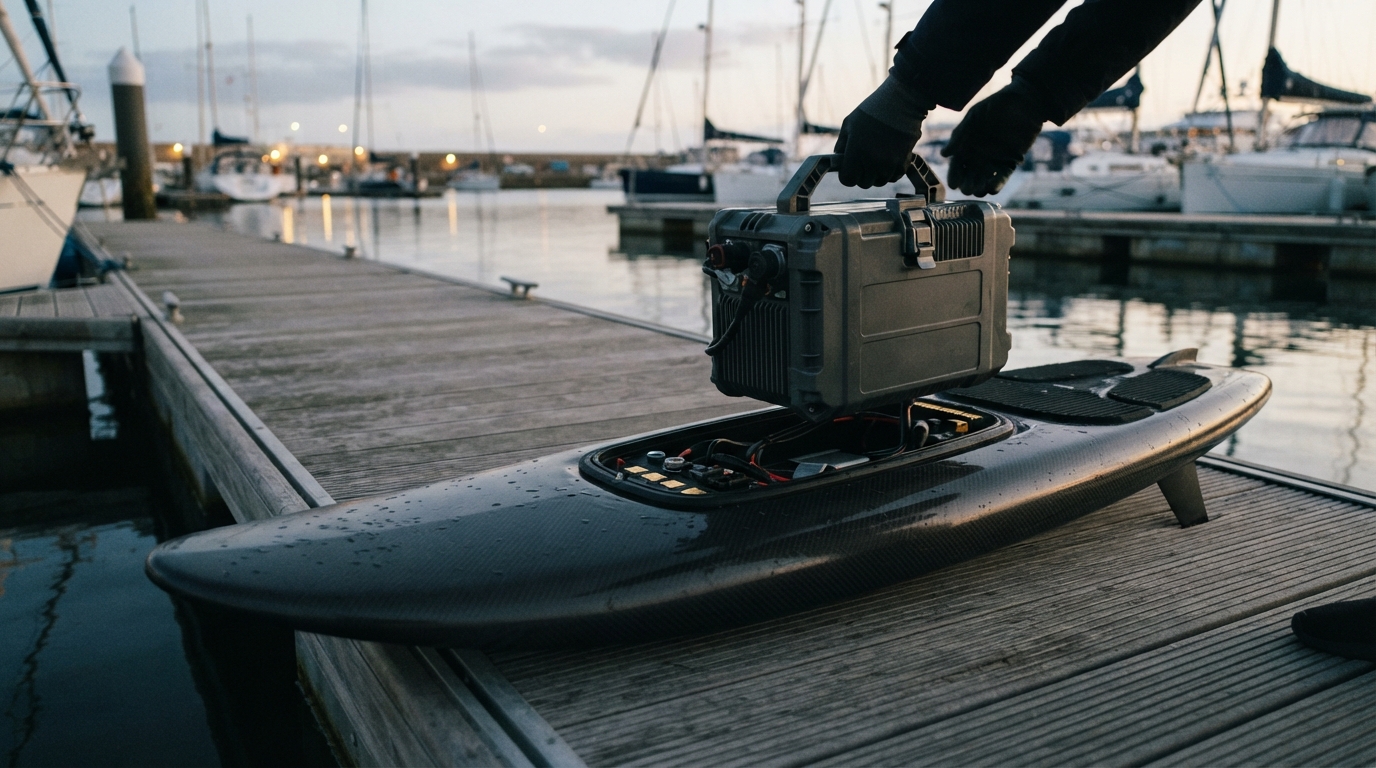
- electric propulsion introduced quieter, more efficient systems
E-foils represent the next step in this progression.
What Makes E-Foils Unique in This Evolution
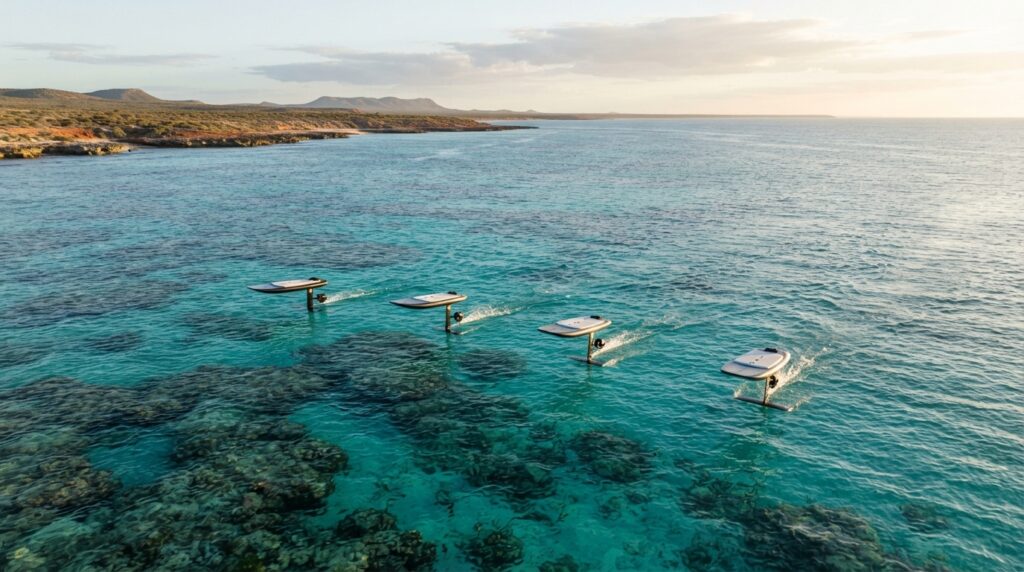
Hydrofoil Lift – A Fundamental Change
Unlike surface-based watercraft, e-foils:
- rise above the water
- reduce drag significantly
- operate with minimal resistance
This changes not only performance but also the overall experience.
Electric Propulsion – Controlled Independence
Electric systems provide:
- consistent power delivery
- independence from external conditions
- simplified operation
Combined Effect
Together, these elements create:
- a smooth, quiet ride
- efficient movement
- a unique “floating” sensation
Consumer Trends Supporting Growth
Experience Over Skill
Modern consumers increasingly value:
- accessibility
- immediate engagement
- reduced learning barriers
E-foils align with this by:
- enabling participation without waves
- providing controlled performance
Premium Experience Demand
There is growing demand for:
- high-end recreational products
- distinctive experiences
E-foils fit this category due to:
- advanced technology
- unique riding experience
Expansion of User Demographics
E-foils attract:
- traditional water sports enthusiasts
- technology-focused users
- new entrants to water recreation
Commercial Opportunities and Market Expansion
Tourism and Hospitality
E-foils are well suited to:
- resorts
- waterfront tourism
- premium experiences
They offer:
- strong visual appeal
- high perceived value
Hire and Rental Operations
While requiring training, they provide:
- differentiated offerings
- premium pricing potential
Events and Demonstrations
E-foils attract attention due to:
- unique movement
- visual impact
Australian Market – A Strong Alignment
Geographic Suitability
Australia offers:
- extensive coastline
- numerous lakes and rivers
- ideal environments for e-foiling
Climate Advantage
- long usable seasons
- consistent conditions
Cultural Fit
Water-based recreation is deeply embedded in Australian lifestyle.
Technology Trends That Will Shape the Future
Battery Development
Future improvements include:
- longer run times
- faster charging
- improved durability
Motor Efficiency
Advancements will deliver:
- better performance
- reduced energy consumption
Material Innovation
Lighter, stronger materials will:
- improve handling
- increase durability
System Integration
More refined systems will:
- simplify operation
- enhance reliability
Barriers to Widespread Adoption
Cost
E-foils are currently:
- premium products
- not accessible to all buyers
However, costs are likely to reduce over time.
Learning Curve
While more accessible than traditional foiling:
- still requires skill development
Environmental Awareness
Users must consider:
- water conditions
- safety
- local regulations
Comparison to Other Emerging Watercraft
E-foils are part of a broader shift toward:
- electrification
- efficiency
- simplified operation
This includes:
- electric surfboards
- underwater scooters
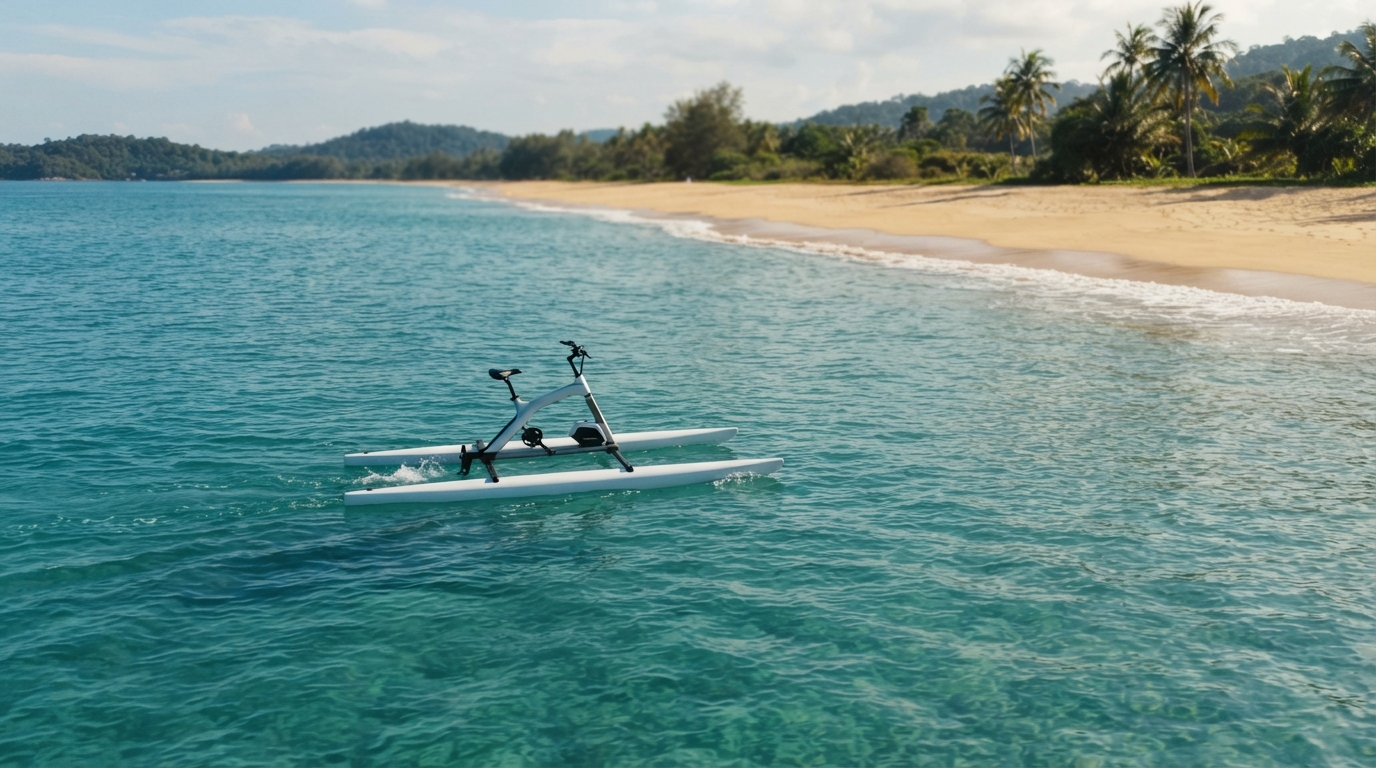
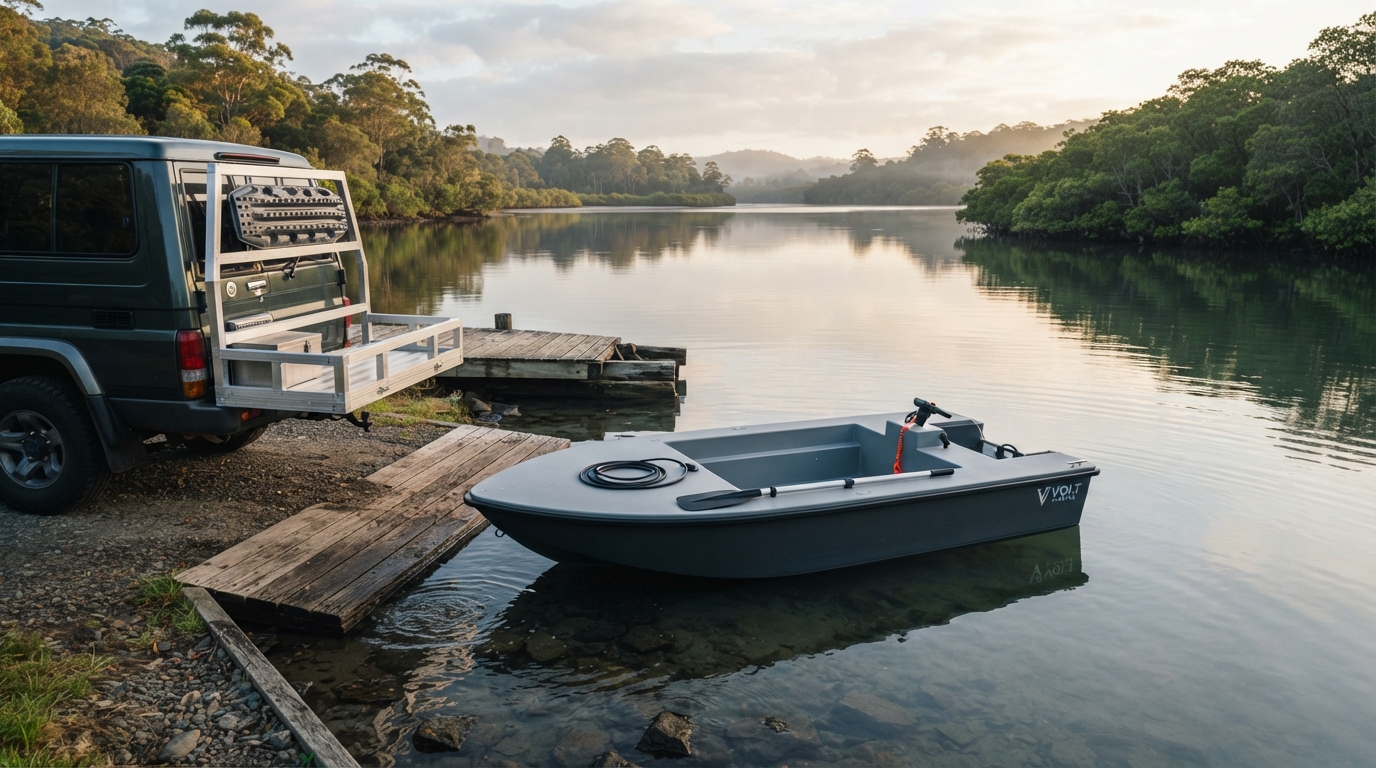
- electric boats
Long-Term Adoption Outlook
Short-Term (1–3 Years)
- continued growth among enthusiasts
- increased visibility
- expansion in tourism
Medium-Term (3–7 Years)
- broader adoption
- improved affordability
- increased commercial use
Long-Term (7+ Years)
- established category
- integration into mainstream water sports
Will E-Foils Replace Traditional Water Sports?
No.
Instead, they will:
- complement existing activities
- expand participation
- create new categories
Key Factors That Will Determine Success
- technological advancement
- cost reduction
- market awareness
- infrastructure development
Strategic Perspective for Australia
Australia is positioned to be:
- a strong adoption market
- a leader in commercial use
- a testing ground for new applications
Final Analysis
E-foil boards represent a convergence of multiple trends:
- electrification
- innovation
- experience-driven recreation
They address limitations of traditional water sports while introducing new possibilities.
Conclusion
E-foil boards are not a passing trend—they are a meaningful evolution in water sports. As technology continues to advance and accessibility improves, they are likely to become an increasingly important part of both recreational and commercial water-based activities, particularly in Australia where conditions and lifestyle strongly support their adoption.