
Water sports have always evolved alongside advances in design and engineering. From the earliest surfboards through to modern electric propulsion systems, each step forward has expanded what is possible on the water. Among the most significant recent developments is the rise of e-foil boards—a category that combines hydrofoil technology with electric propulsion to create a completely new riding experience.
Unlike traditional boards that remain in contact with the water’s surface, e-foil boards lift above it. This creates a sensation often described as “flying over water,” fundamentally changing how movement, control, and performance are experienced.
In Australia, where water-based recreation is a central part of lifestyle and culture, e-foil boards are gaining attention from both recreational users and commercial operators. However, understanding how they work, where they perform best, and what makes them different is essential before considering their use.
This article provides a comprehensive, experience-based explanation of e-foil boards, focusing on technology, performance, and their broader impact on water sports.
Understanding the Core Concept of E-Foiling
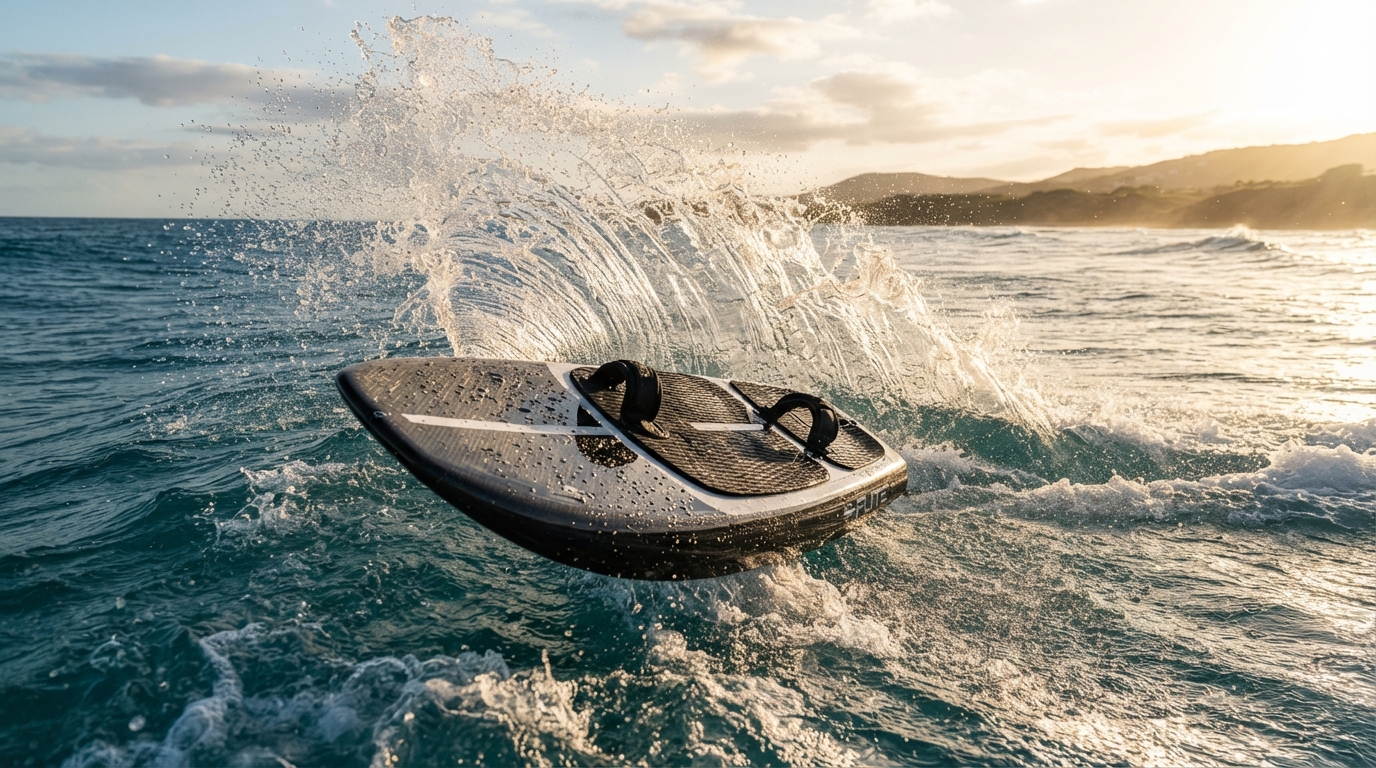
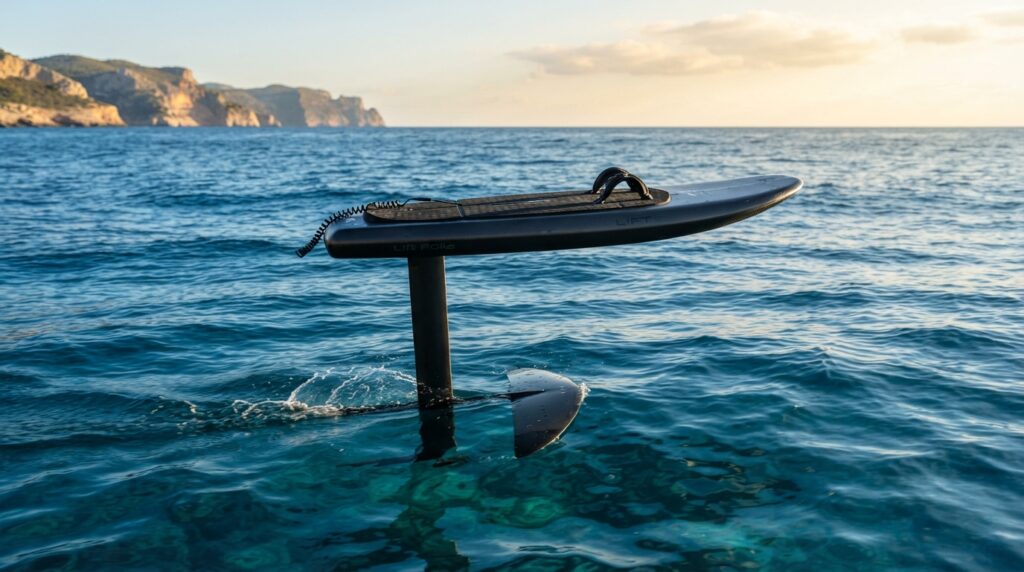
At its simplest, an e-foil board is a surfboard equipped with:
- a hydrofoil
- an electric motor
- a battery system
- a handheld control
The defining feature is the hydrofoil, which sits beneath the board and lifts it above the water once sufficient speed is achieved.
What Is a Hydrofoil?
A hydrofoil is an underwater wing structure.
How It Works
As the board gains speed:
- water flows over the foil
- lift is generated
- the board rises above the surface
Resulting Effect
Once elevated:
- drag is reduced
- movement becomes smoother
- efficiency increases
Electric Propulsion – Enabling Independent Movement
Unlike traditional foiling, which requires waves or towing, e-foil boards use electric propulsion.
Key Components
- electric motor (usually integrated into the mast)
- lithium battery
- control system
What This Enables
- independent riding
- consistent speed
- use in varied environments
The Riding Experience – How It Feels
Initial Phase
- board begins on water surface
- rider accelerates gradually
Lift-Off
- hydrofoil generates lift
- board rises above water
Gliding Phase
- minimal resistance
- smooth, quiet movement
- sensation of floating
Performance Characteristics
Speed
E-foil boards offer:
- moderate to high speeds
- depending on model and power
Efficiency
Once lifted:
- energy use becomes more efficient
- reduced drag improves performance
Handling
Handling requires:
- balance
- subtle weight shifts
- control via remote
Where E-Foils Perform Best
Calm Waters
- lakes
- bays
- sheltered coastal areas
Moderate Conditions
- light chop
- stable environments
Limitations
Not ideal for:
- heavy surf
- extreme conditions
Why E-Foils Are Different from Other Watercraft
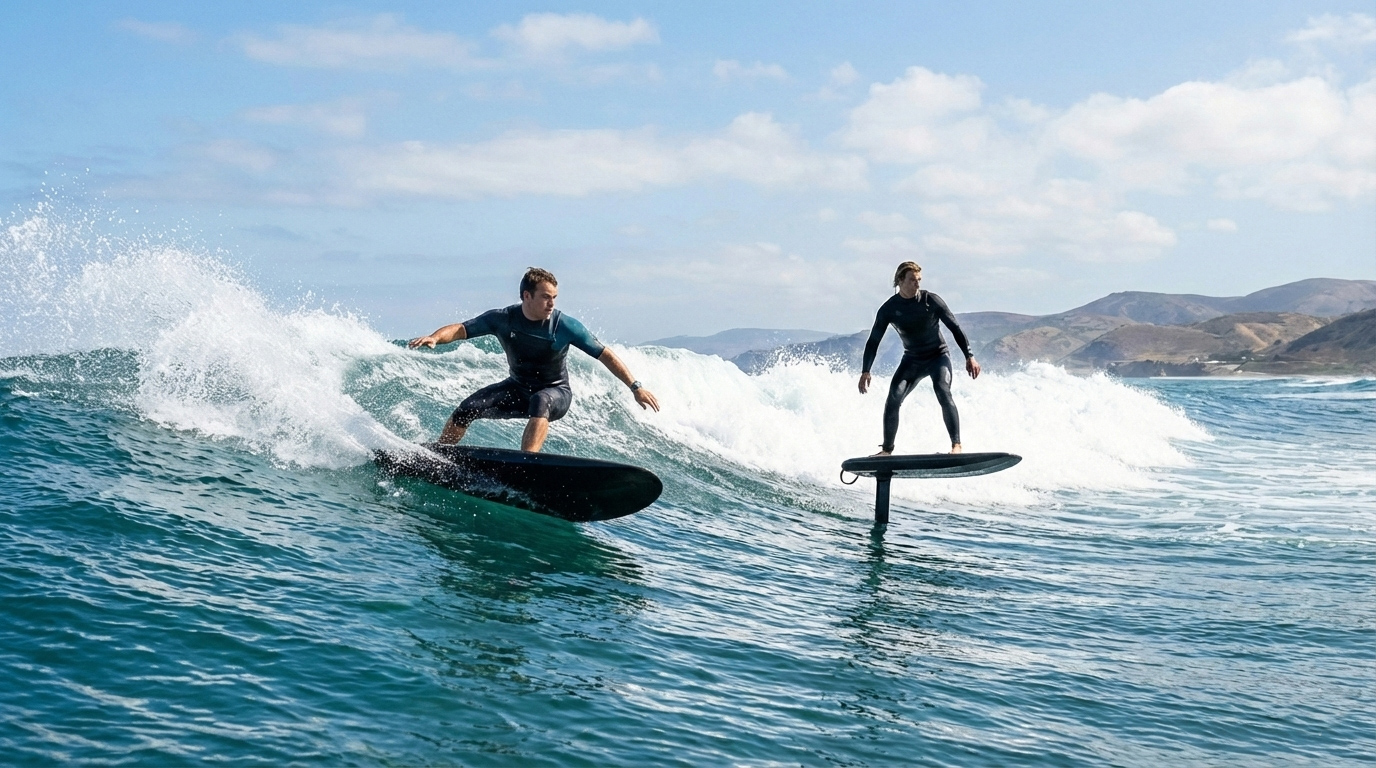
Compared to Surfboards
- no reliance on waves
- consistent performance
Compared to Electric Surfboards
- elevated above water
- smoother ride
- reduced drag
Compared to Boats
- personal, individual experience
- more dynamic interaction
Australian Context – Strong Suitability
Geographic Diversity
Australia offers:
- lakes
- rivers
- coastal areas
Climate
- long usable seasons
- favourable conditions
Market Interest
Growing demand for:
- innovative water sports
- premium experiences
Learning Curve and Accessibility
Initial Learning
Requires:
- balance
- understanding of lift
Progression
With practice:
- control improves
- confidence increases
Accessibility
More accessible than traditional foiling, but:
- still requires learning
Commercial Applications
Tourism
- high visual appeal
- premium activity
Resorts
- unique guest experience
Hire Operations
- possible with training
Advantages of E-Foils
- smooth, elevated ride
- efficient movement
- independence from waves
Limitations to Consider
- learning curve
- cost
- battery management
Future of E-Foil Technology
Developments include:
- improved battery capacity
- lighter materials
- enhanced control systems
Conclusion
E-foil boards represent a major advancement in water sports, combining hydrofoil technology with electric propulsion to create a unique and highly efficient riding experience. Their ability to operate independently of waves and provide smooth, elevated movement positions them as a key part of the future of water-based recreation.