
The history of water sports has always been shaped by innovation. From the early development of surfboards through to the introduction of jet skis and stand-up paddleboards, each advancement has expanded accessibility and redefined how people interact with water. Electric surfboards represent the latest—and arguably one of the most significant—developments in this progression.
Unlike traditional surfing, which is entirely dependent on environmental conditions, electric surfboards introduce controlled propulsion. This single change removes one of the largest barriers to participation and fundamentally alters the dynamics of the sport. However, the question remains: are electric surfboards simply an emerging niche, or do they represent a meaningful shift in the future of water sports?
To answer this, it is necessary to examine not only the technology itself but also broader market trends, user behaviour, environmental considerations, and long-term adoption patterns—particularly within the Australian context.
The Evolution of Water Sports – A Pattern of Accessibility
To understand the future of electric surfboards, it is useful to consider how water sports have evolved historically.
From Skill-Based to Accessible Activities
Traditional water sports often required:
- high levels of skill
- favourable environmental conditions
- significant time investment
Surfing, for example, depends on:
- wave availability
- timing
- physical endurance
As a result, participation has historically been limited to those willing to invest time and effort into mastering these variables.
The Shift Toward Accessibility
Over time, new categories have emerged that reduce these barriers:
- stand-up paddleboards simplified entry
- personal watercraft increased accessibility
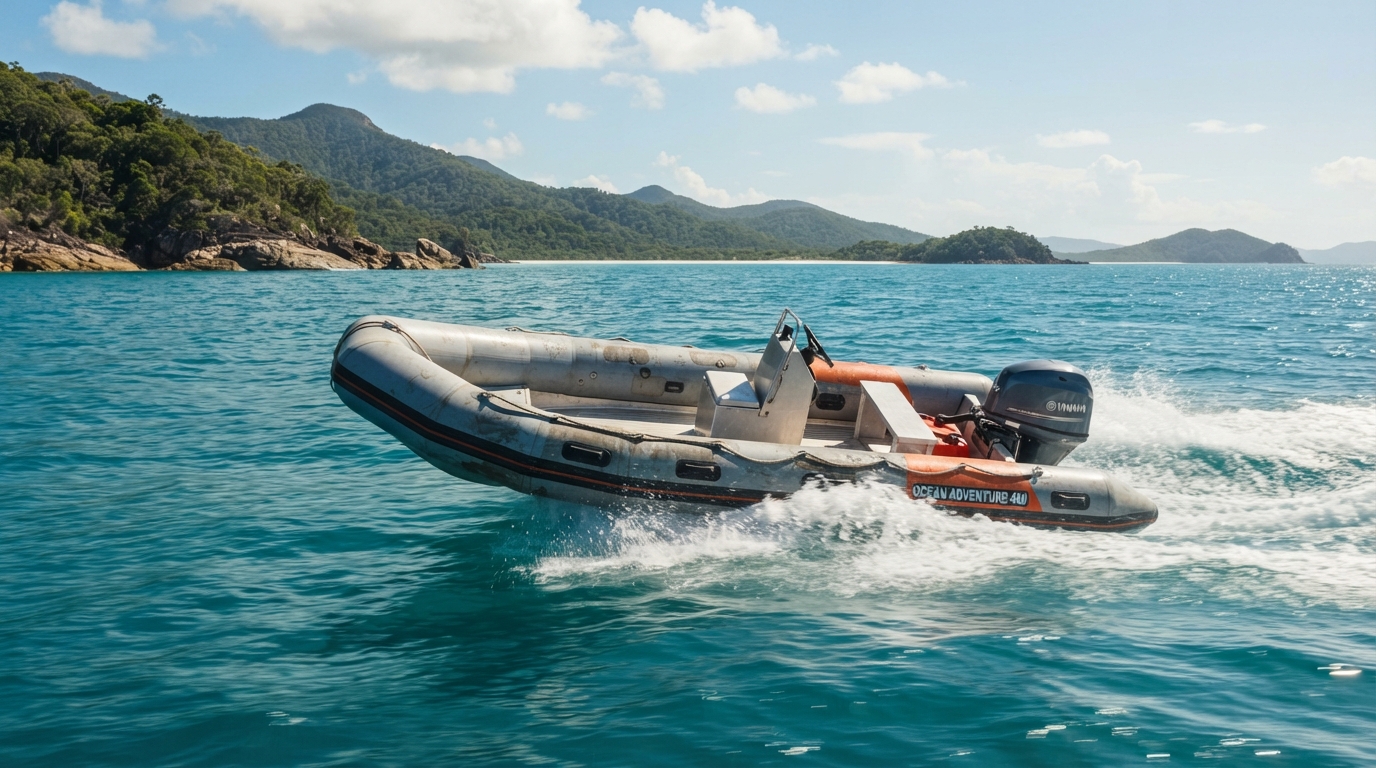
- inflatable watercraft reduced cost and complexity
Electric surfboards continue this trend by removing dependence on natural forces.
What Makes Electric Surfboards Different
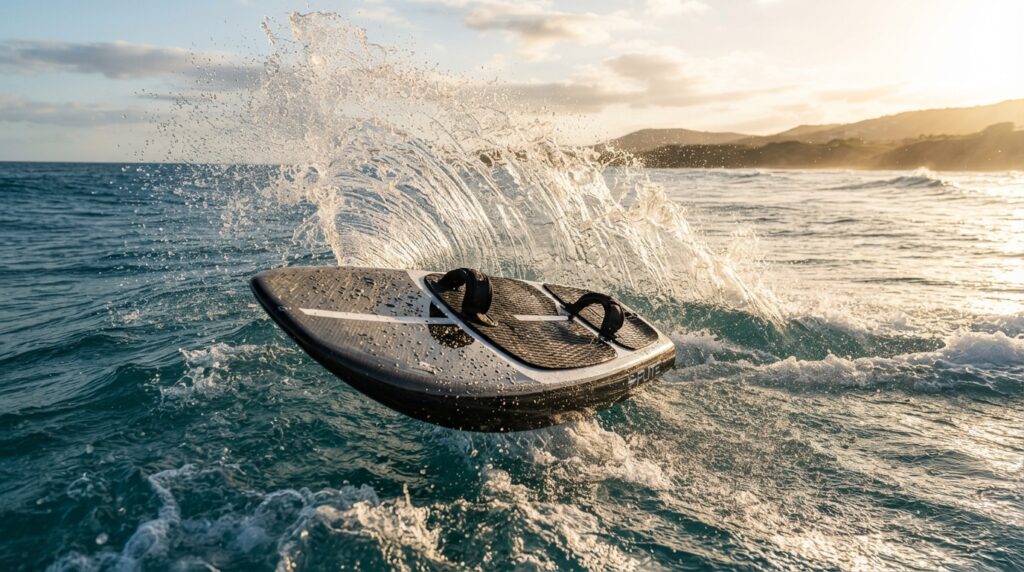
Electric surfboards are not simply a variation of traditional boards—they represent a fundamentally different approach.
Independence from Natural Conditions
The most significant difference is:
- no reliance on waves
- no dependence on wind
- no requirement for towing
This allows:
- consistent use
- broader geographic application
- greater flexibility
Controlled Performance
Electric propulsion provides:
- predictable acceleration
- adjustable speed
- consistent handling
This creates a more controlled and repeatable experience.
Expanded User Base
By reducing the learning curve, electric surfboards:
- attract beginners
- appeal to older users
- broaden participation
Technology Driving the Category Forward
The future of electric surfboards is closely tied to technological advancement.
Battery Systems
Modern lithium battery systems provide:
- high energy density
- consistent power output
- reliable performance
However, ongoing development is focused on:
- longer run times
- faster charging
- improved durability
Motor Efficiency
Electric motors have become:
- more compact
- more efficient
- more reliable
This allows:
- better performance
- smoother operation
Board Design
Advancements in materials and design have led to:
- improved stability
- reduced weight
- enhanced durability
Integration of Systems
Modern electric surfboards integrate:
- propulsion
- battery
- control systems
into a cohesive unit that is easier to use and maintain.
Market Trends Supporting Growth
Experience-Based Consumption
Consumers increasingly prioritise:
- experiences over possessions
- activities that are engaging and memorable
Electric surfboards align with this trend by offering:
- unique experiences
- high engagement
Growth of Water-Based Tourism
Tourism operators are seeking:
- differentiated offerings
- premium experiences
Electric surfboards provide:
- visual appeal
- strong customer interest
Expansion Beyond Coastal Areas
Traditional surfing is limited to coastal regions. Electric surfboards expand into:
- lakes
- rivers
- inland waterways
This significantly increases the potential market.
Australian Market – A Strong Growth Environment
Australia is particularly well suited to electric surfboard adoption.
Geographic Advantage
- extensive coastline
- numerous inland waterways
- favourable climate
Cultural Alignment
Water sports are deeply embedded in Australian lifestyle.
Market Demand
There is growing interest in:
- new recreational activities
- premium water experiences
Commercial Implications
Hire and Rental Businesses
Electric surfboards are well suited to:
- short-term hire
- tourist locations
- waterfront businesses
Resort and Hospitality Sector
They provide:
- premium guest experiences
- high perceived value
Event and Promotional Use
Their visual appeal makes them:
- effective for marketing
- attractive for demonstrations
Challenges to Widespread Adoption
While the outlook is positive, several factors influence adoption.
Cost Barrier
Electric surfboards are:
- relatively expensive
- positioned as premium products
However, as technology advances, costs are expected to decrease.
Battery Limitations
Current limitations include:
- finite run time
- charging requirements
Ongoing development is addressing these issues.
Environmental Considerations
Usage must account for:
- water conditions
- safety
- local regulations
Comparison to Other Watercraft Trends
Electric surfboards are part of a broader movement toward:
- electrification
- reduced environmental impact
- simplified operation
This includes:
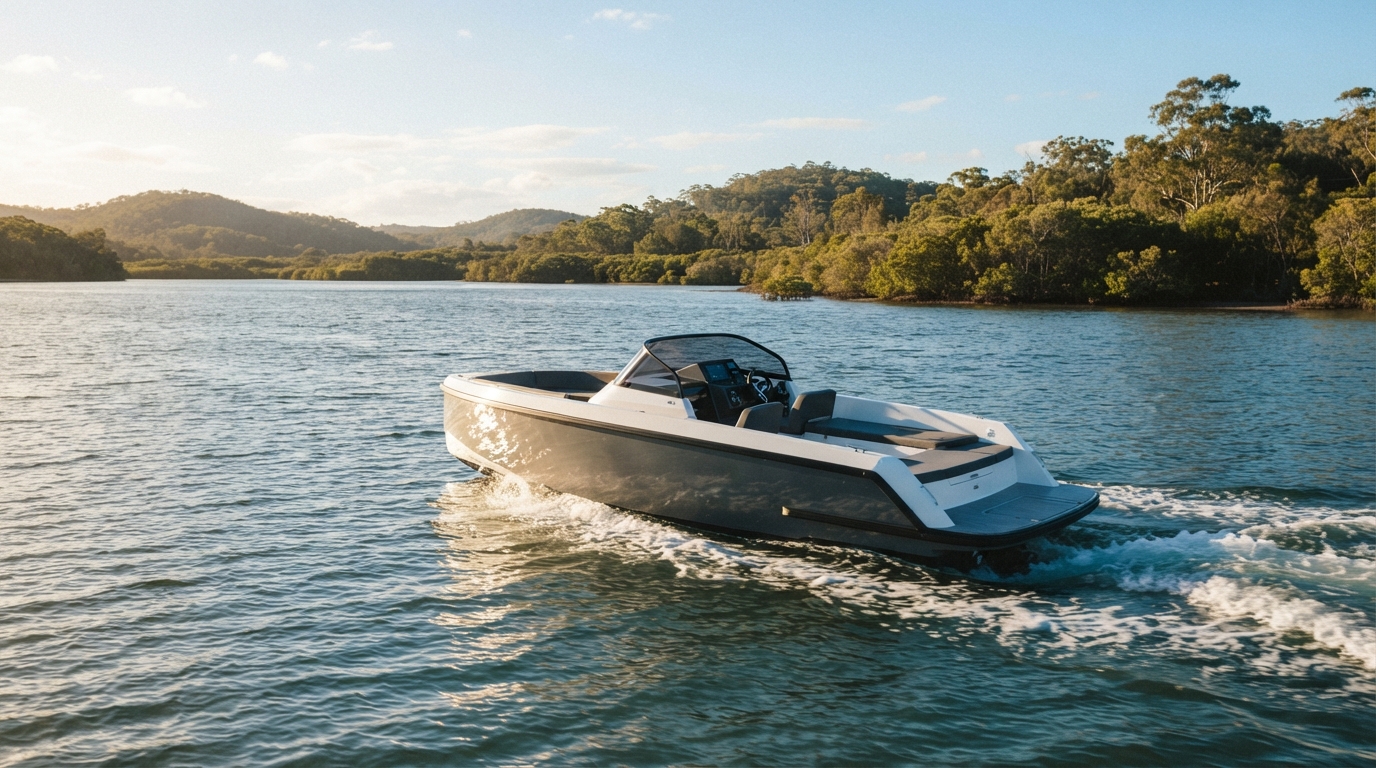
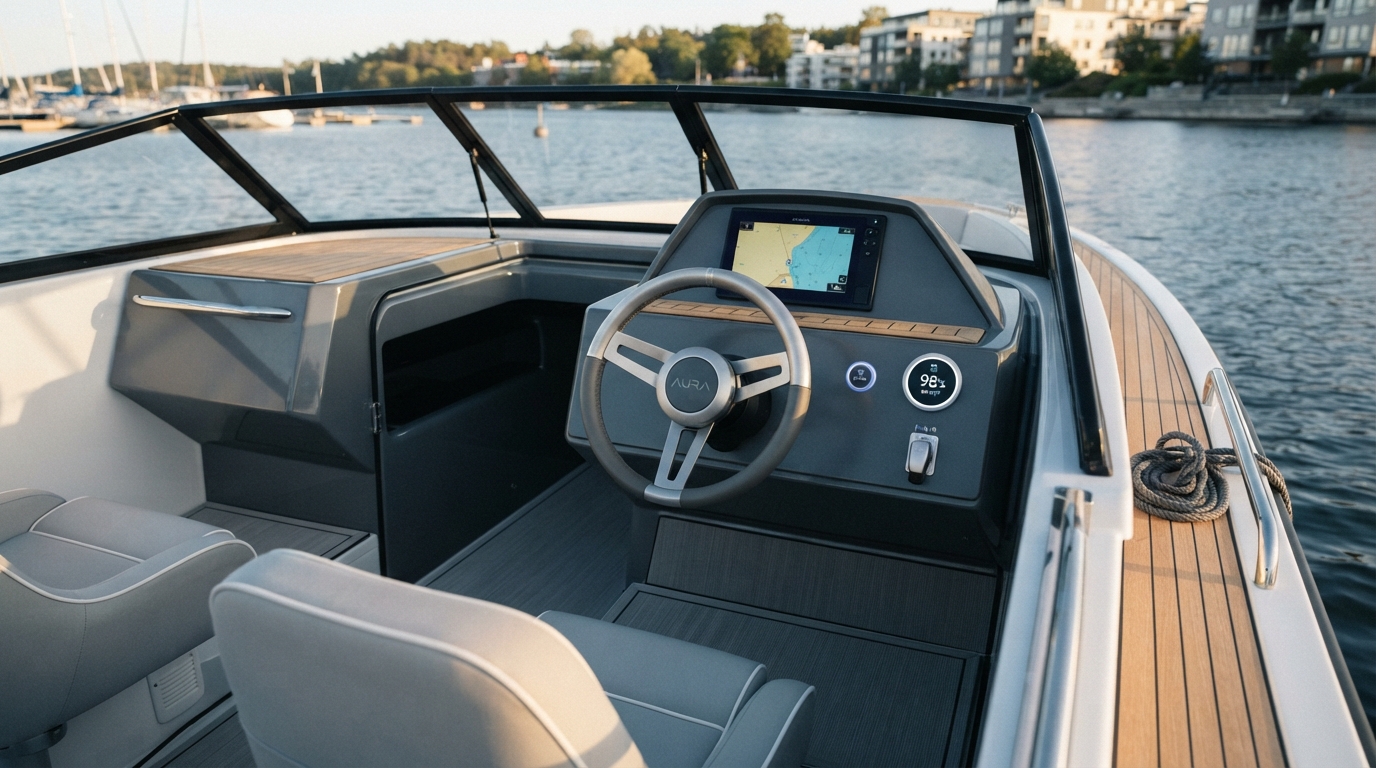
- electric boats
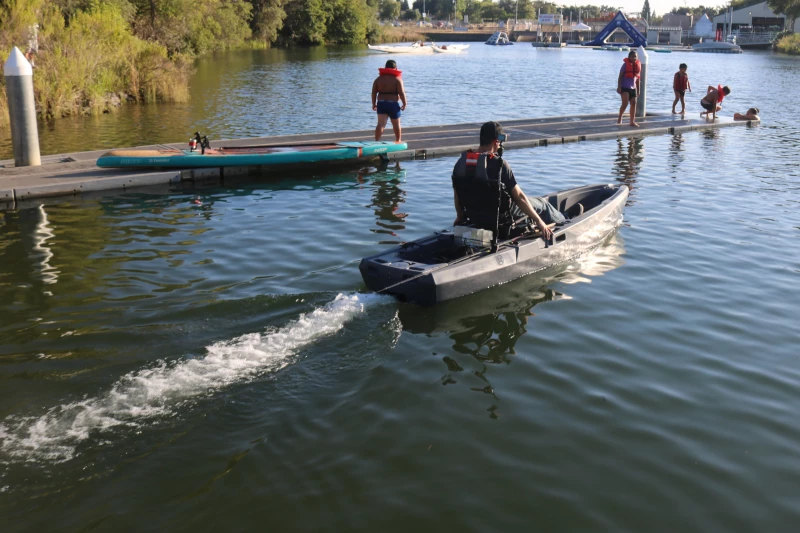
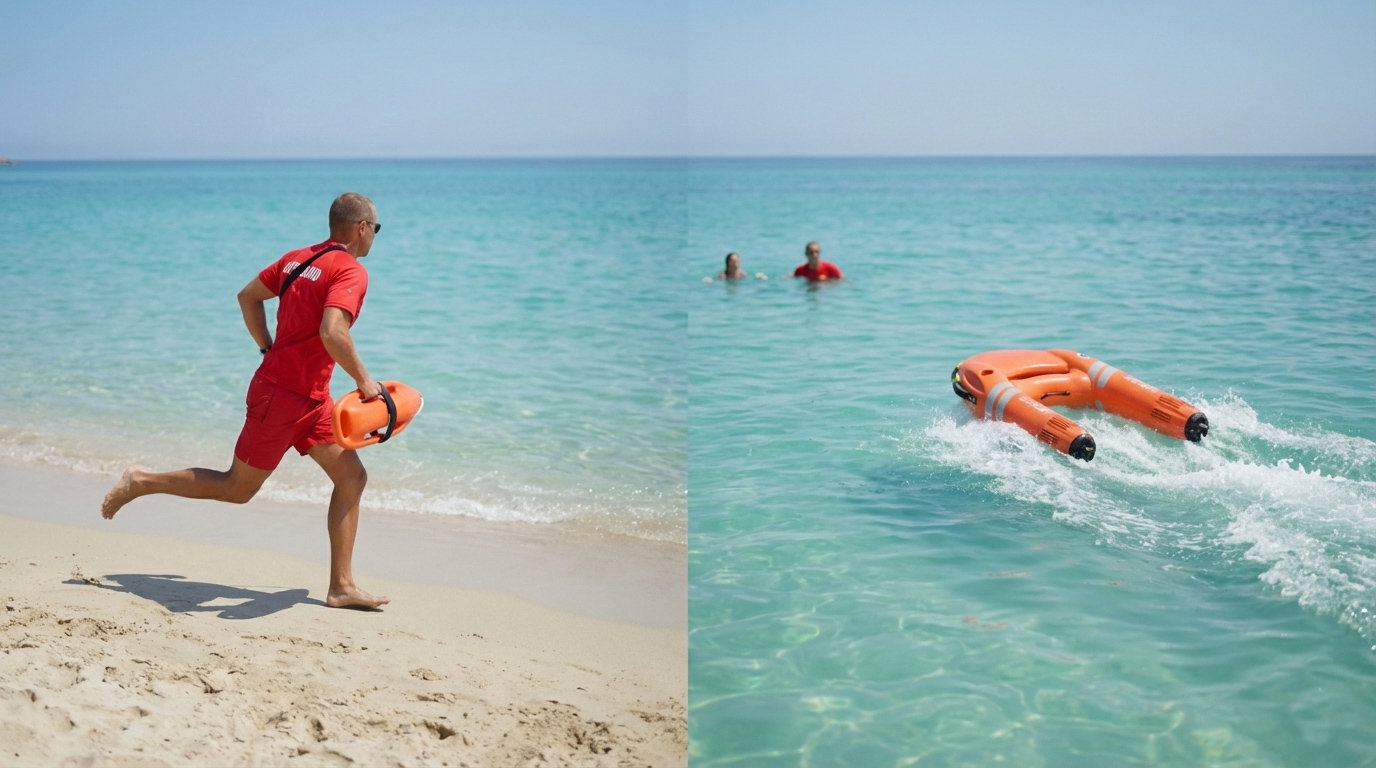
- underwater scooters
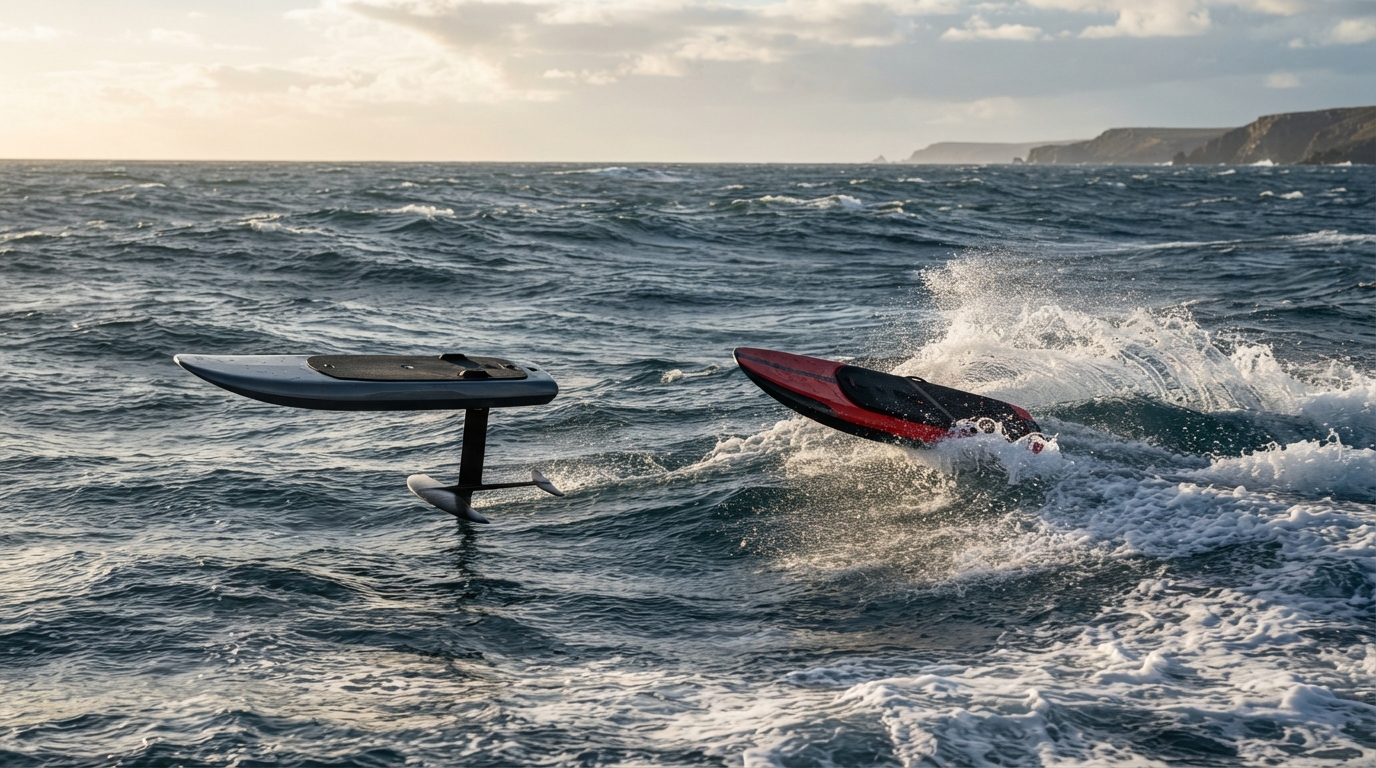
- e-foils
Long-Term Outlook
Short to Medium Term
Electric surfboards will:
- continue to grow in popularity
- expand into new markets
- become more accessible
Long-Term
They are likely to:
- become a standard category
- integrate further technological improvements
- complement traditional water sports
Who Will Adopt Electric Surfboards
Early Adopters
- enthusiasts
- technology-focused users
Mainstream Users
As accessibility improves:
- recreational users
- families
- tourists
Commercial Operators
- hire businesses
- resorts
- tourism providers
Are Electric Surfboards Replacing Traditional Surfing?
The answer is no.
Instead, they:
- complement traditional surfing
- expand participation
- offer alternative experiences
Key Factors That Will Shape the Future
- battery advancements
- cost reduction
- increased awareness
- improved infrastructure
Final Perspective
Electric surfboards represent a significant evolution in water sports, driven by technology, accessibility, and changing consumer preferences. They are not a passing trend but a growing category with strong long-term potential.
For Australia, the combination of suitable environments, cultural alignment, and market demand positions electric surfboards as an important part of the future recreational landscape.
Conclusion
Electric surfboards are reshaping how water sports are experienced by removing traditional barriers and introducing consistent, controlled performance. While challenges remain, ongoing technological advancement and strong market trends indicate that they will play a major role in the future of water-based recreation.