
Why Long-Term Ownership Matters More Than the Purchase Decision
When Australians compare electric personal watercraft with traditional petrol Personal Watercrafts, the discussion almost always starts with the purchase price. This is understandable, but it is also where many buyers make their first mistake. A Personal Watercraft (PWC) is not a disposable item or a short-term novelty. It is a mechanical asset that is owned, maintained, stored, insured, and operated over many years. The real comparison between electric and petrol PWCs only becomes clear when ownership is viewed over five, ten, or even fifteen years.
Long-term ownership reality is shaped by reliability, maintenance requirements, operating costs, regulatory exposure, resale value, and how often the craft is actually used. These factors, taken together, determine whether a PWC becomes a pleasure or a burden.
Upfront Cost Versus Total Cost of Ownership
Petrol PWCs often appear cheaper at the point of sale. Electric PWCs, particularly those built to high standards, usually carry a higher initial price. This price difference is frequently used to dismiss electric PWCs without further analysis.
However, total cost of ownership tells a different story. The upfront purchase price is only one component of long-term cost. Fuel, servicing, parts replacement, downtime, and depreciation often exceed the original purchase price over the life of a petrol PWC. Electric PWCs shift much of that cost away from ongoing expenses and into a more predictable upfront investment.
Mechanical Complexity of Petrol Personal Watercrafts
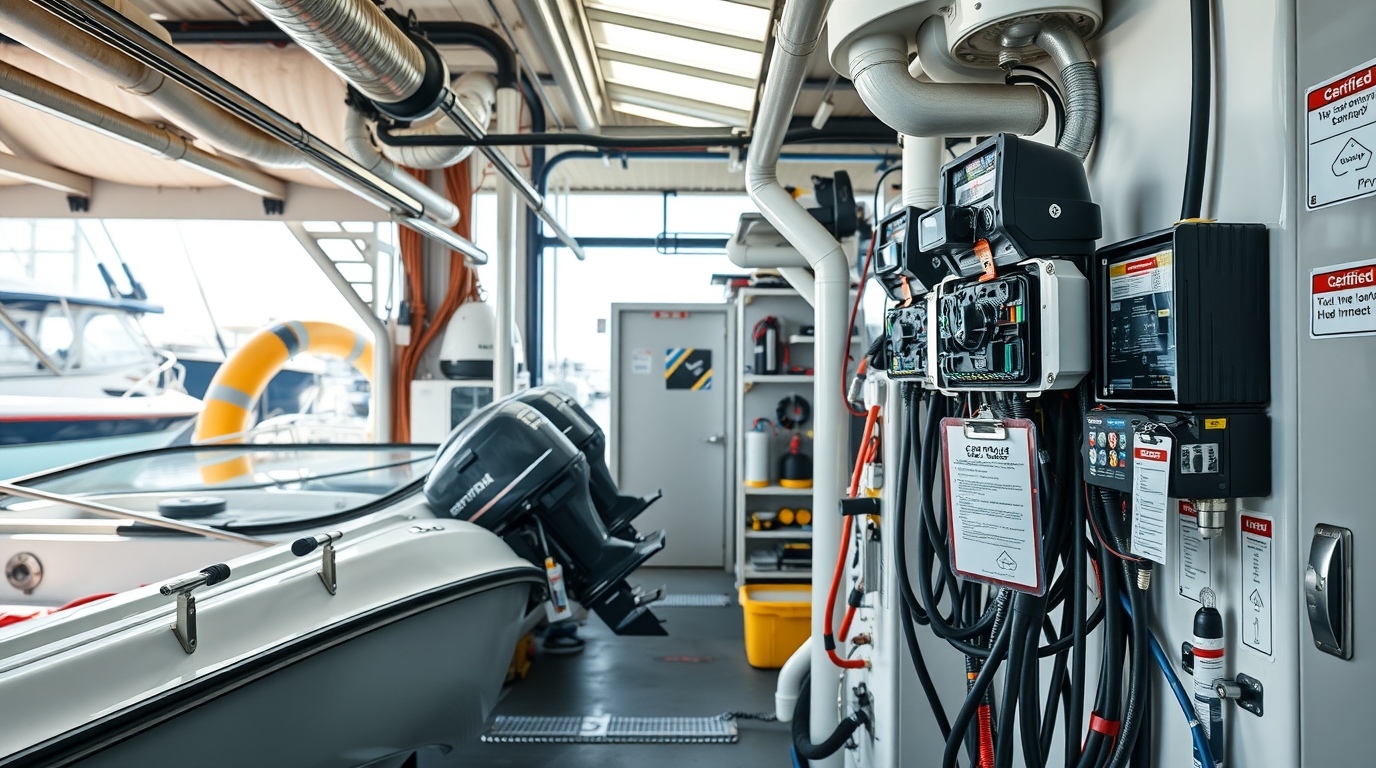
Petrol PWCs rely on internal combustion engines operating in harsh marine environments. These engines include pistons, valves, crankshafts, camshafts, injectors, fuel pumps, oil pumps, exhaust systems, belts, and cooling circuits. Each component is a potential failure point, particularly when exposed to saltwater, humidity, and seasonal inactivity.
Routine maintenance is unavoidable. Oil changes, filter replacements, spark plugs, belts, and scheduled servicing are ongoing requirements. Over time, corrosion, injector fouling, exhaust degradation, and cooling blockages become increasingly likely. None of these issues are unusual; they are expected aspects of petrol PWC ownership.
Electrical Simplicity of Electric Personal Watercrafts
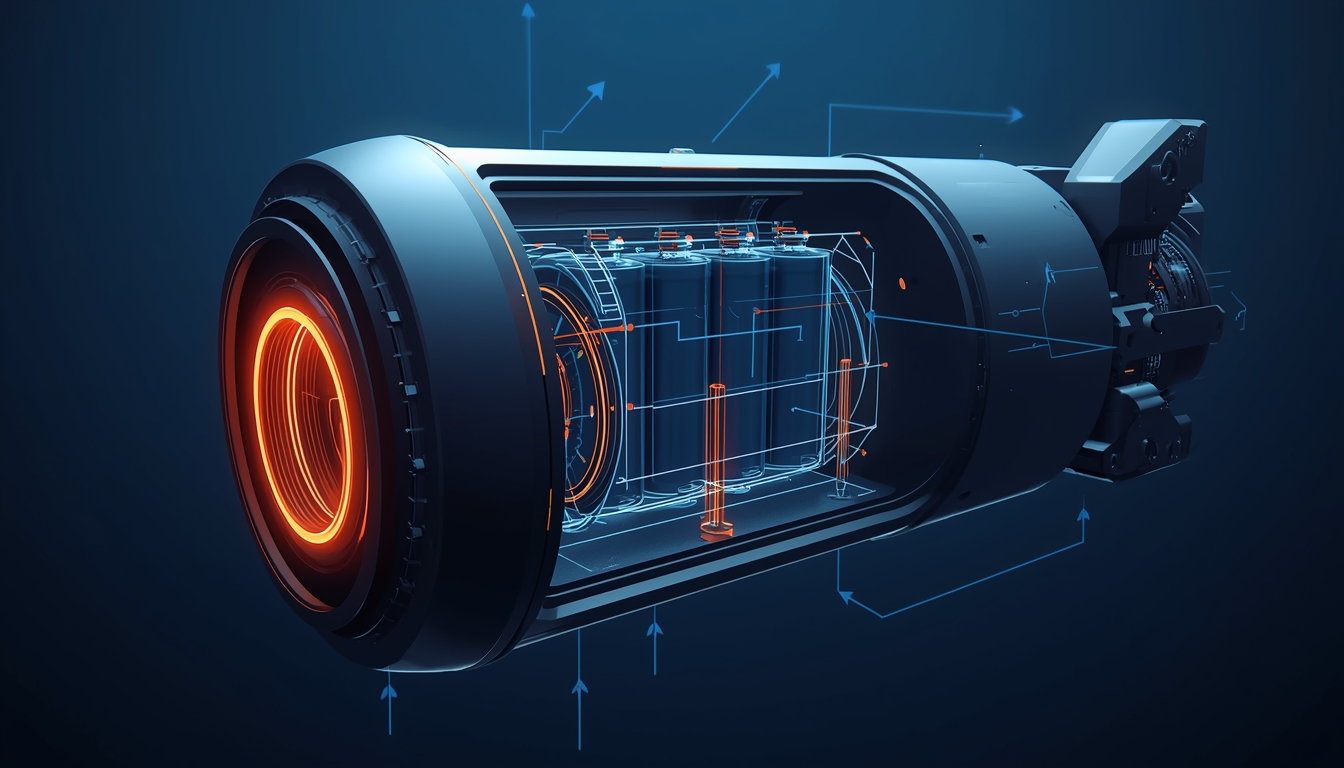
Electric PWCs remove most of this mechanical complexity. An electric motor has very few moving parts and does not rely on combustion, lubrication, or exhaust systems. There are no oil changes, no spark plugs, no fuel injectors, and no exhaust corrosion.
Maintenance focuses on inspections rather than replacements. Cooling systems still require attention, but overall service requirements are significantly reduced. For owners, this means lower servicing costs, fewer unexpected failures, and far less time spent organising repairs.
Fuel Costs Versus Electricity Costs
Fuel is one of the most significant ongoing expenses for petrol PWC owners in Australia. High-performance PWCs consume fuel rapidly, particularly when ridden aggressively or under load. Rising fuel prices amplify this cost, and storage or transport of fuel adds inconvenience and safety concerns.
Electric PWCs are charged using electricity, which is considerably cheaper per operating hour. Most owners charge at home, often overnight. Electricity costs are predictable, and there is no equivalent to fuel spoilage, evaporation, or spillage. Over years of ownership, the difference in operating costs becomes substantial.
Seasonal Use and Inactivity
Many Australian PWC owners use their craft seasonally. Petrol engines do not respond well to long periods of inactivity. Fuel degrades, injectors gum up, seals dry out, and corrosion can develop internally. Seasonal recommissioning is often required before use resumes.
Electric PWCs are far more tolerant of inactivity. Battery management systems maintain cell health, and there are no fuel systems to degrade. This makes electric PWCs particularly appealing to owners who do not use their craft year-round.
Reliability and Predictability
Petrol PWCs tend to fail unpredictably. An engine may run perfectly one outing and develop a fault the next. Cooling failures, sensor issues, or fuel delivery problems can appear without warning, often during peak season when service availability is limited.
Electric PWCs are inherently more predictable. Battery health is continuously monitored, motor performance remains consistent, and faults are often detected early. This predictability reduces the likelihood of sudden breakdowns and increases confidence in the craft.
Noise and the Ownership Experience
Noise is not merely an environmental issue; it directly affects how often and where a PWC is used. Petrol PWCs are loud, particularly under acceleration. Noise complaints have led to restrictions in many Australian waterways, reducing where owners feel comfortable riding.
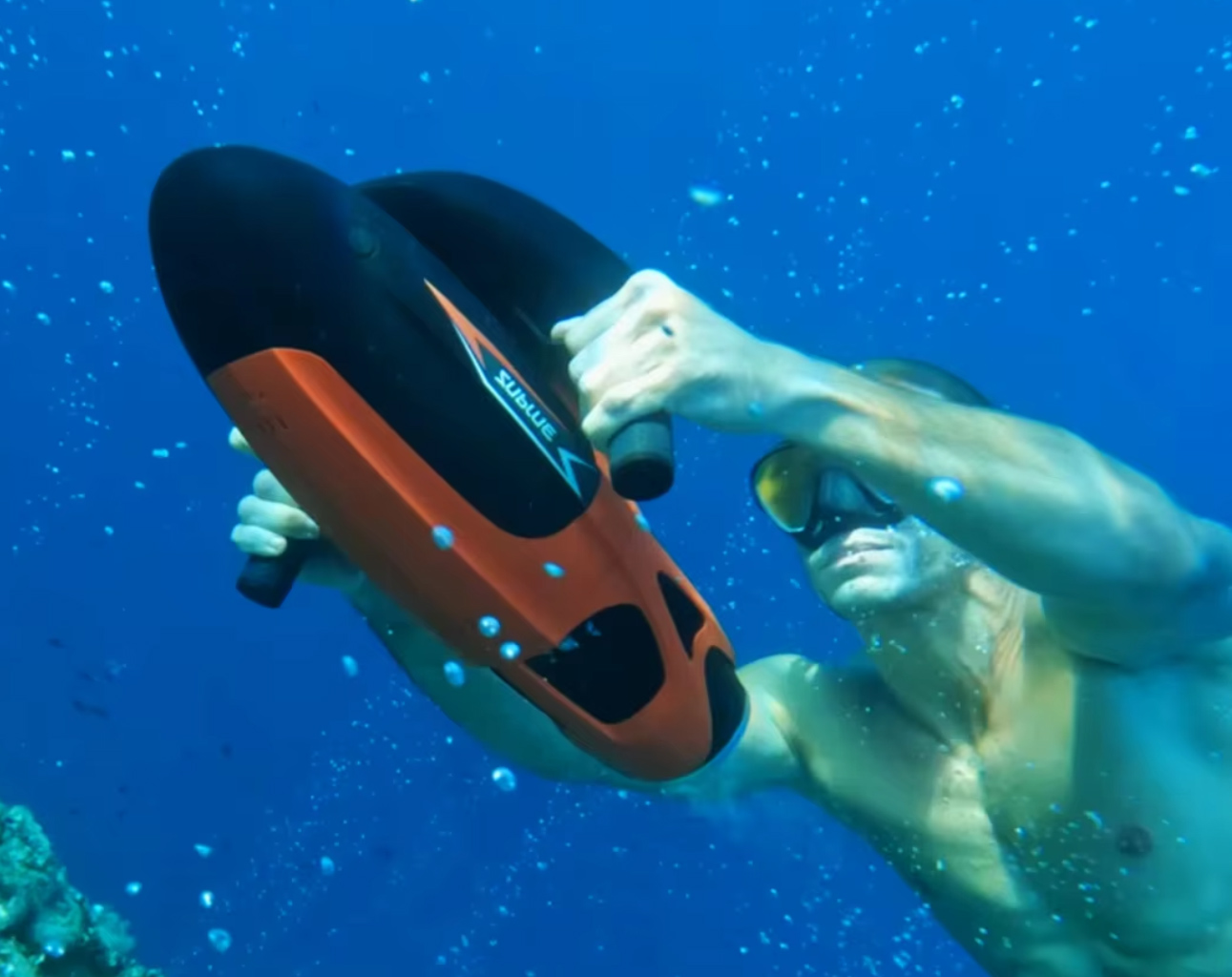
Electric PWCs operate quietly. This changes the ownership experience dramatically. Owners are more likely to use their craft in rivers, lakes, estuaries, and near residential areas without attracting unwanted attention. Quiet operation encourages more frequent and relaxed use.
Environmental Pressure and Regulatory Risk
Environmental regulation is tightening across Australia. Emissions, noise, and waterway access are increasingly scrutinised. Petrol PWCs face the risk of further restrictions as councils and authorities respond to community and environmental concerns.
Electric PWCs are far more resilient to these pressures. With zero local emissions and minimal noise, they align with regulatory trends rather than opposing them. Long-term ownership must consider not just how a craft performs today, but how acceptable it will be in the future.
Insurance and Perceived Risk
Insurance premiums reflect perceived risk. Petrol PWCs, with combustible fuel and high mechanical complexity, present certain risks that insurers account for. Electric PWCs, while newer to the market, benefit from simplified drivetrains and reduced fire risk during operation.
As electric PWC adoption increases, insurance models are likely to reflect their reliability and lower operational risk, improving ownership economics further.
Usage Frequency and Real Value
A PWC delivers value only when it is used. Many petrol PWC owners ride less than expected due to noise concerns, maintenance hassles, or fear of breakdowns. Electric PWCs remove many of these psychological barriers.
Owners often report increased usage because the craft is easy to operate, quiet, and reliable. Over time, increased usage translates into better value from the original investment.
Performance Consistency Over Time
Petrol engines gradually lose efficiency and output due to wear. Even well-maintained engines rarely perform at their original level after years of use. Electric motors maintain consistent performance over their operational life, delivering the same responsiveness year after year.
Consistency matters, particularly for owners who value predictable behaviour and reliability.
Resale Value and Market Perception
Resale markets are beginning to recognise the long-term advantages of electric PWCs. Buyers are increasingly aware of maintenance costs and reliability issues associated with high-hour petrol engines. Electric PWCs with documented battery health and low maintenance histories are becoming attractive alternatives.
As familiarity increases, resale values for electric PWCs are expected to stabilise and strengthen relative to petrol models.
Commercial and Semi-Commercial Ownership
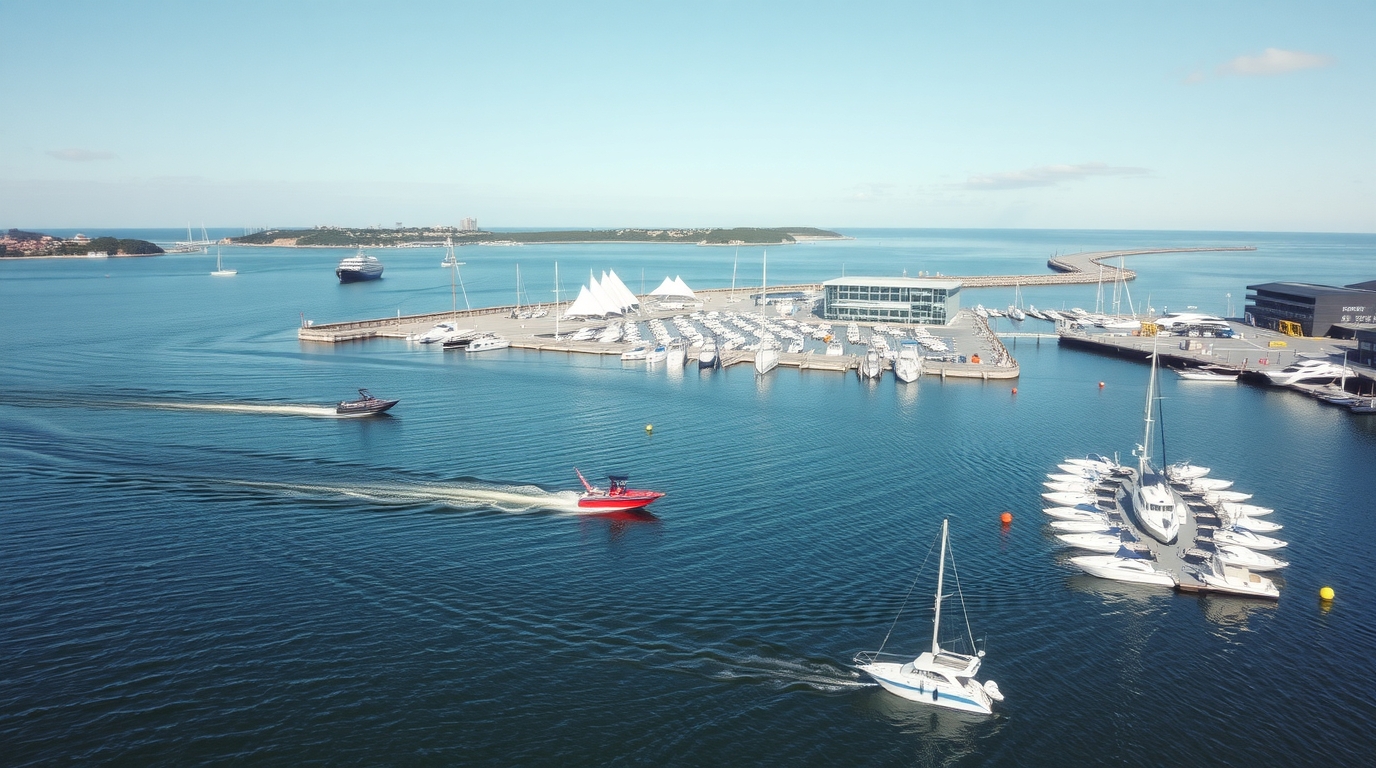
For resorts, marinas, and waterfront operations, downtime and maintenance directly affect revenue. Electric PWCs offer predictable costs, reduced servicing, and quiet operation that aligns with guest expectations. These factors make them increasingly viable for professional use.
Petrol PWCs, while still common, impose higher operational costs and environmental considerations that can limit their suitability in such settings.
Long-Term Financial Reality
When fuel, servicing, repairs, downtime, and depreciation are considered together, electric PWCs often cost less to own over the long term despite higher upfront prices. The financial difference becomes more pronounced as ownership duration increases.
This reality is frequently overlooked in favour of short-term comparisons that do not reflect actual ownership experience.
The Psychological Aspect of Ownership
Ownership satisfaction is influenced by confidence. Electric PWC owners tend to feel more confident in their craft’s reliability, quieter operation, and regulatory acceptance. This confidence reduces stress and enhances enjoyment.
Petrol PWC ownership often involves managing noise concerns, maintenance schedules, and the risk of mechanical failure.
The Long-Term Verdict
When assessed through the lens of long-term ownership rather than initial purchase price, electric PWCs present a compelling case. They offer lower operating costs, reduced maintenance, greater reliability, quieter operation, and improved regulatory resilience in Australia.
Petrol PWCs remain familiar and widely available, but familiarity should not be mistaken for superiority. For buyers thinking beyond the short term, electric PWCs increasingly represent the more rational, predictable, and future-aligned ownership choice.
See more at vectorwatercraft.com.au