Introduction: When Categories Stop Making Sense
For most of modern recreational history, watercraft fitted neatly into well-defined categories. Boats were boats, boards were boards, and powered craft followed predictable design rules. Length, hull form, propulsion type, and operating posture made classification straightforward for users, manufacturers, and regulators alike.
That clarity is now dissolving.
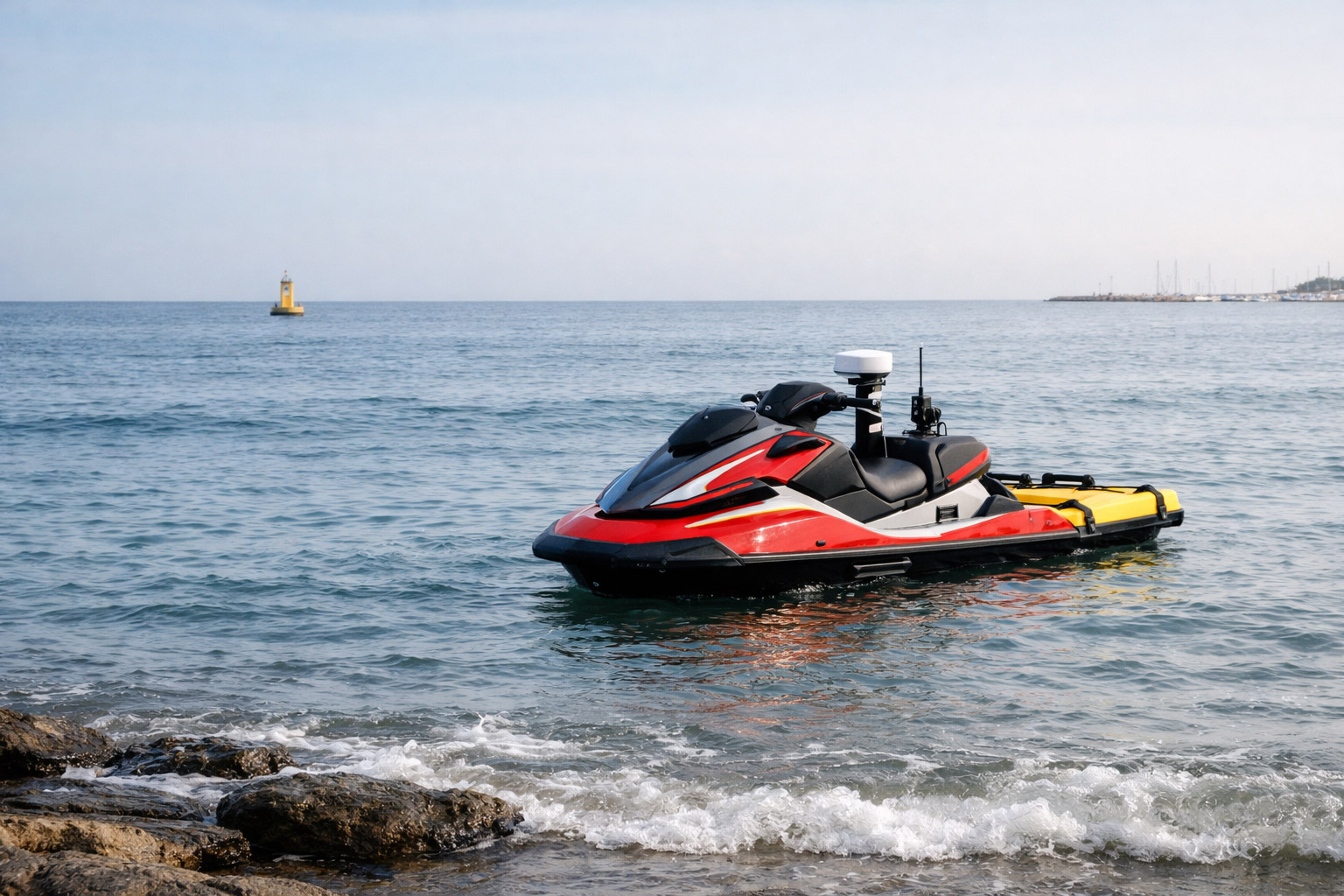
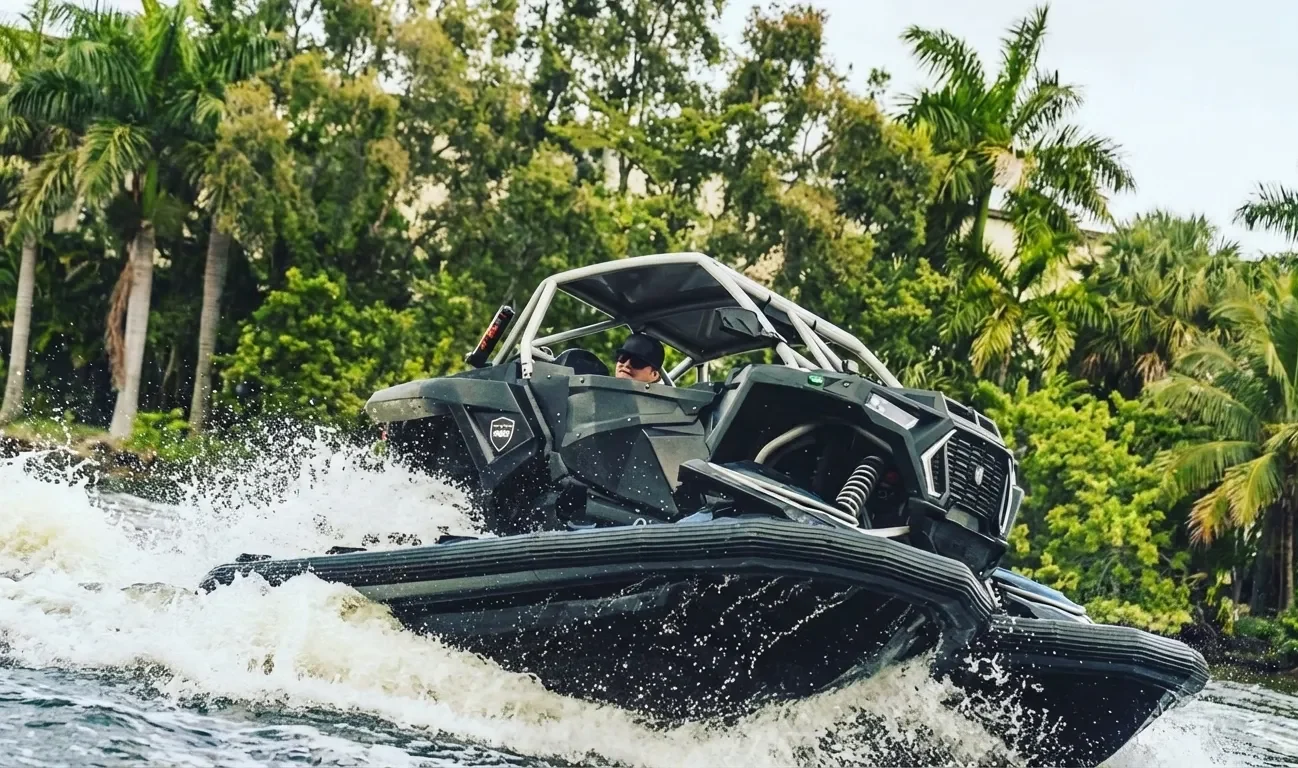
Advances in electric propulsion, lightweight materials, electronic control systems, and hydrodynamic modelling have produced a new class of experimental watercraft that no longer sit comfortably within any single definition. These designs blur the line between boat, board, and craft, challenging long-held assumptions about what a watercraft is supposed to be and how it should behave.
This article examines why these boundary-blurring watercraft are emerging now, what technically distinguishes them from traditional designs, and which concepts are most likely to evolve from experimental ideas into credible, long-term categories.
Why Traditional Watercraft Categories Are Breaking Down
Historically, watercraft categories were dictated by mechanical necessity rather than creative choice. Internal combustion engines required significant space, rigid mounting points, cooling systems, exhaust routing, and fuel storage. These constraints forced hulls to grow in size and complexity.
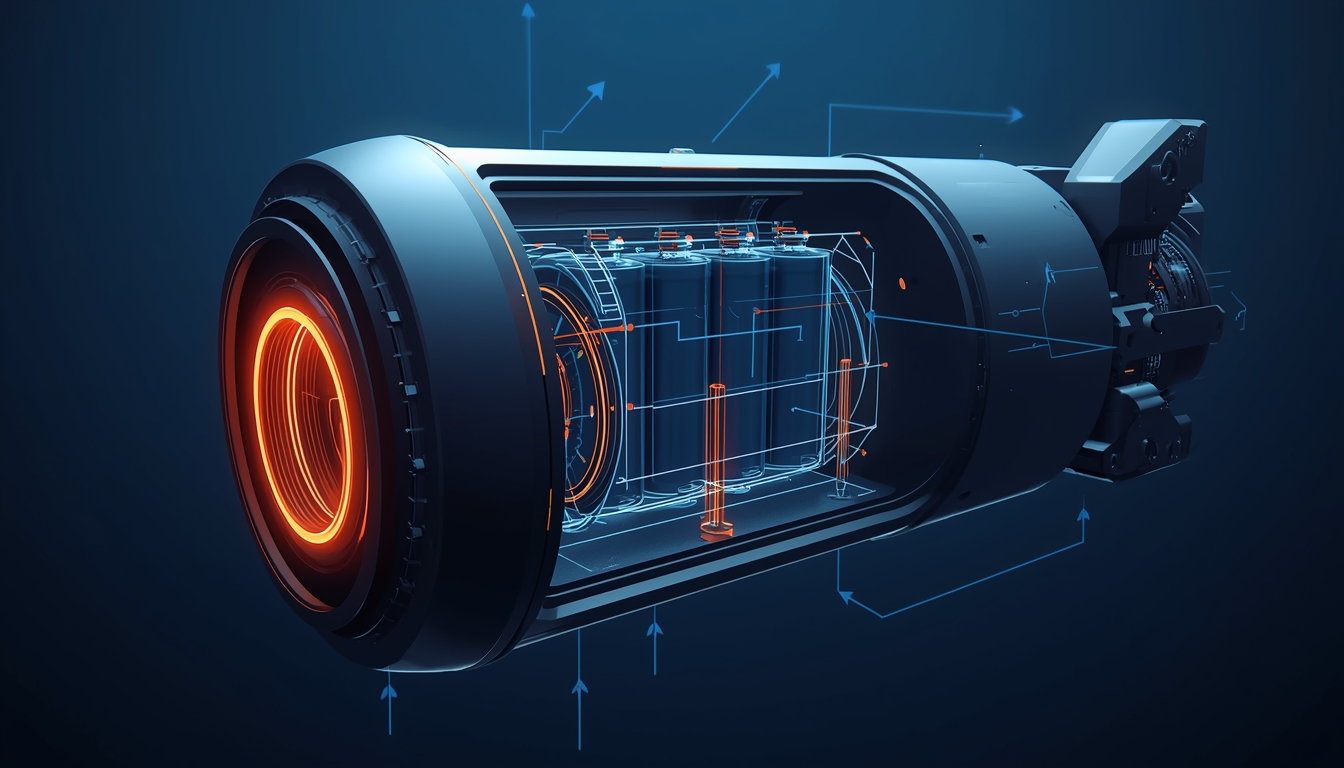
Electric propulsion removes many of these limitations. Electric motors are compact, torque is instantaneous, and power delivery is software-controlled rather than mechanically governed. Batteries, while heavy, can be positioned strategically rather than clustered around a single engine block.
Once these constraints are lifted, designers are free to rethink hull form, rider position, and operational modes. The result is watercraft that borrow characteristics from multiple categories at once.
The Rise of Hybrid Craft
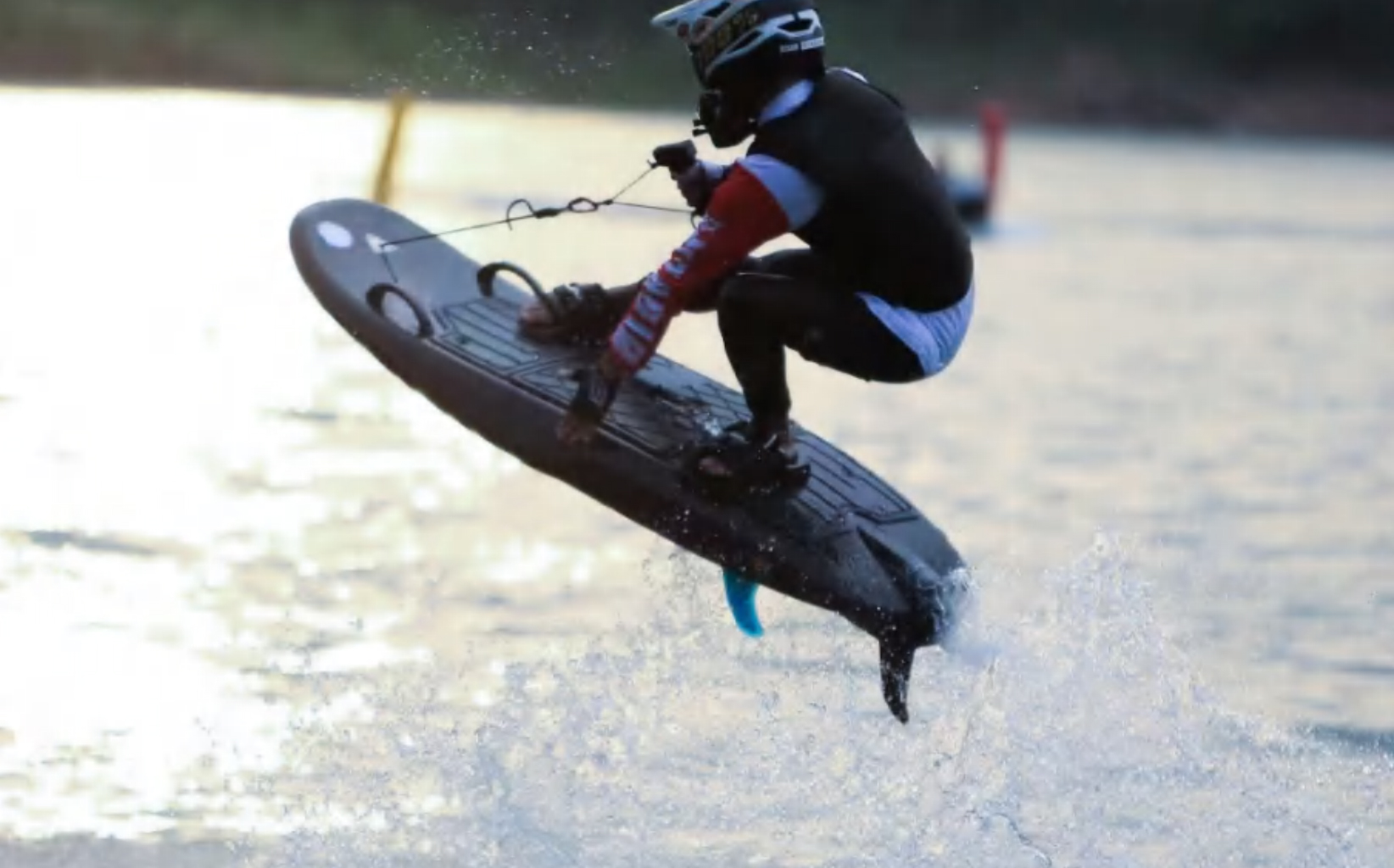
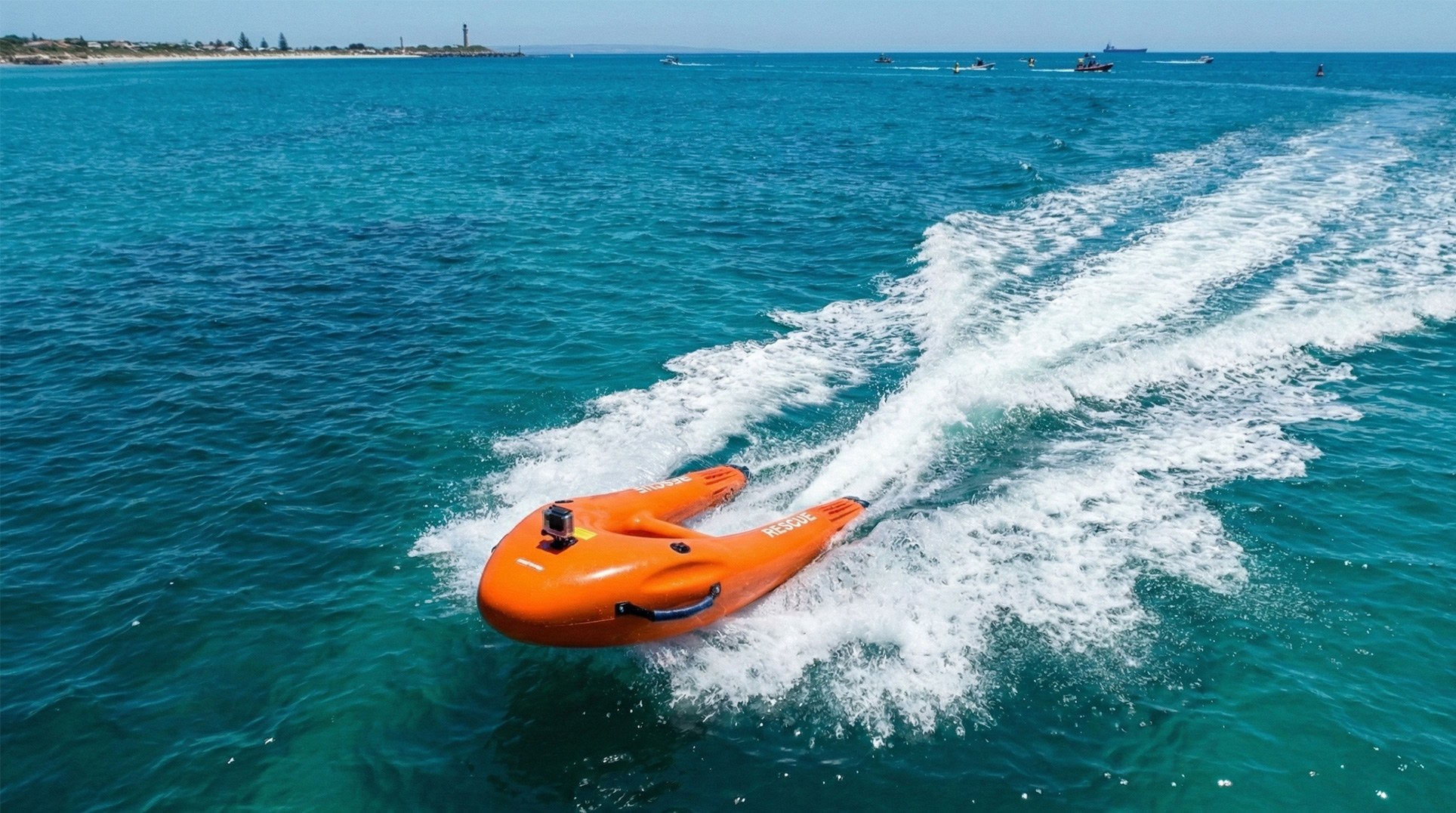
The most visible outcome of this shift is the emergence of hybrid watercraft that function partly as boats and partly as boards. Some designs allow riders to stand at low speeds and sit at higher speeds. Others transition between displacement mode and partial lift. Some behave like boards in calm water but offer boat-like stability when conditions deteriorate.
What unites these designs is intent rather than form. They aim to combine the stability, safety, and load-carrying ability of a boat with the immediacy, agility, and minimalism of a board. This reflects changing user expectations toward versatility and ease of use rather than raw power.
Technical Foundations of the Hybrid Era
Electric Propulsion as the Key Enabler
Electric propulsion is the fundamental enabler of these experimental forms. Instant torque allows small craft to accelerate without the mass and momentum traditionally required. Fine electronic control enables smooth, predictable power delivery. Quiet operation removes social and regulatory barriers that previously constrained experimentation.
Control Systems Replace Mechanical Complexity
Traditional watercraft rely on physical systems: rudders, linkages, throttles, and gearboxes. Experimental craft increasingly replace these with electronic control layers. Throttle response, power limiting, thrust direction, and even stability characteristics can be shaped through software. This allows a single craft to behave differently across speed ranges without physical reconfiguration.
Hull Forms That Defy Classification
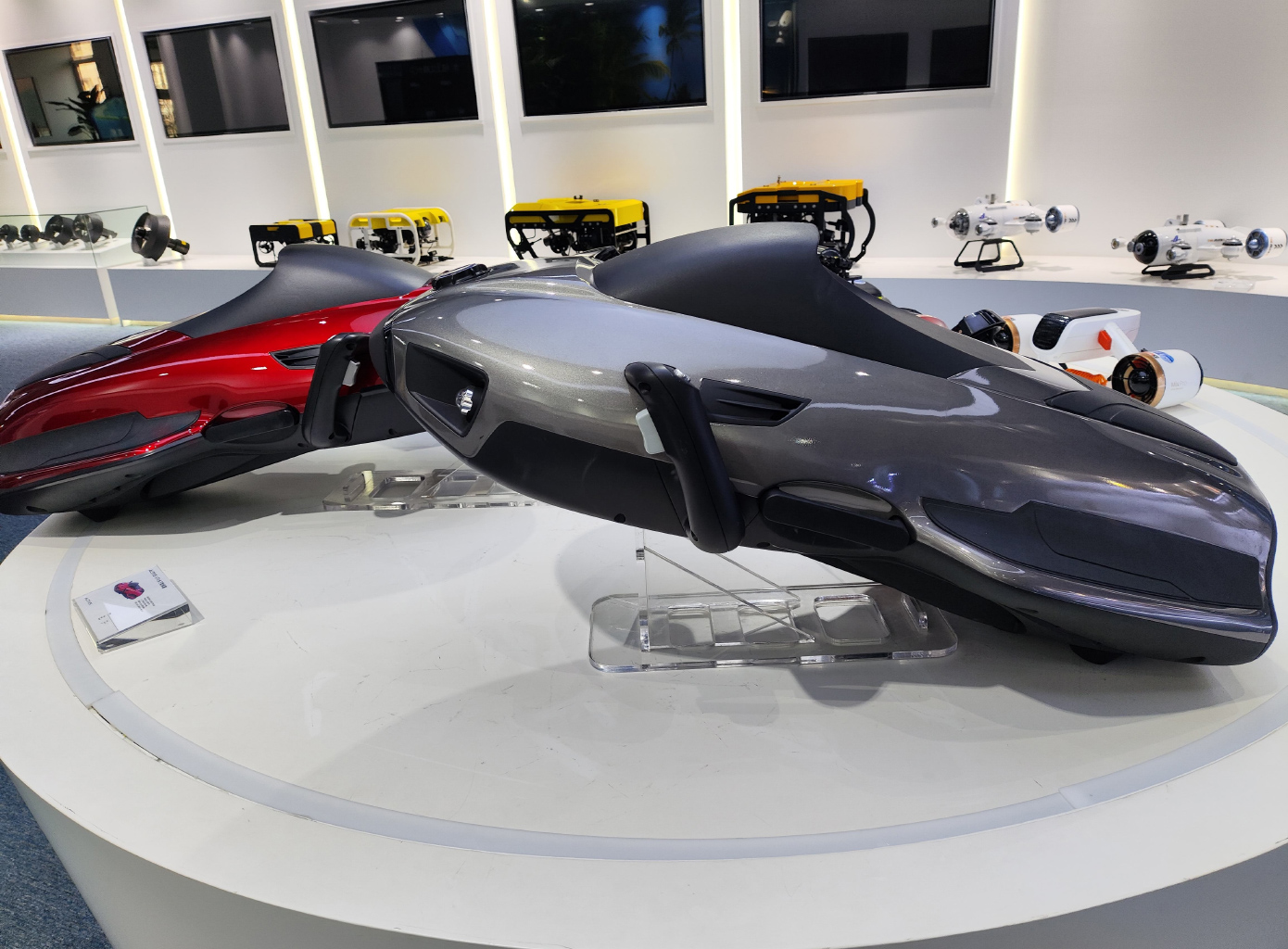
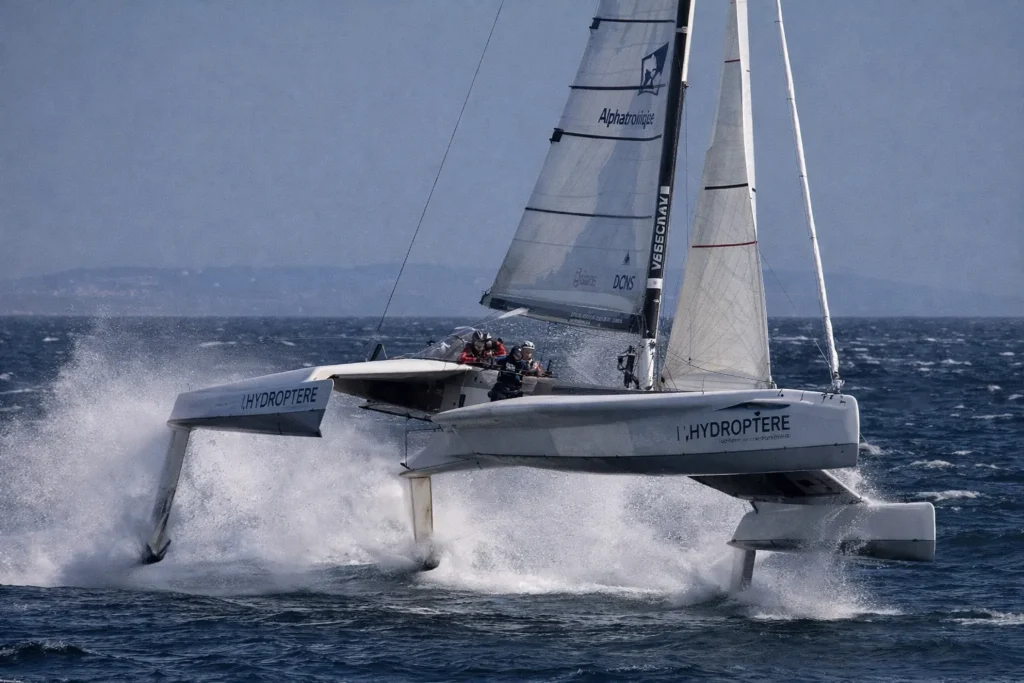
Hull design is where category boundaries blur most visibly. Experimental watercraft often combine displacement sections, planing surfaces, tunnels, ducts, and foil-assisted lift within a single platform. These hulls are not optimised for top speed alone; they are optimised for controllability across varied conditions.
Design Challenges: Weight and Human Factors
Weight Distribution and Mass Centralisation
In petrol-powered craft, engines and fuel tanks dominate weight placement. In boards, rider weight is the primary variable. Hybrid experimental craft must manage both. Battery placement becomes critical. Centralised, low-mounted mass improves stability and reduces pitch sensitivity, while designers borrow concepts from aviation to treat mass as a dynamic variable.
Human Interaction and Operating Posture
One of the most radical aspects of boundary-blurring craft is how humans interact with them. Some designs allow standing, kneeling, and seated operation within a single session. Others rely on body movement as an input rather than traditional steering controls. This approach shifts responsibility from mechanical systems to human-machine interaction.
Safety and Regulation in a Label-Less World
Safety Implications of Hybrid Design
When craft no longer fit established categories, safety assumptions must be reconsidered. A craft that behaves like a board at low speed and like a boat at higher speed raises questions about flotation requirements and acceptable operating zones. Electronic safety systems—controlled acceleration curves and automated cut-offs—become essential to reduce risk without undermining usability.
Regulatory Challenges and Opportunities
Regulatory frameworks traditionally rely on classification by form. Hybrid craft challenge this model, but they also enable more intelligent regulation. Authorities can focus on behaviour—speed capability, noise output, and stability—rather than rigid labels. Australia’s state-based marine regulation system is particularly well suited to this adaptive approach.
The Path to Commercial Success
Most experimental watercraft do not succeed commercially. Common failure points include over-engineering, instability at low speed, and designs driven by novelty rather than usability. The experimental craft most likely to reach sustained adoption share clear traits: they prioritise control over speed, usability over spectacle, and reliability over radical appearance.
Conclusion: When Design Follows Behaviour
The emergence of watercraft that blur the line between boat, board, and craft is the natural outcome of technology aligning with human behaviour. As propulsion, control, and materials evolve, rigid classifications become less relevant. What matters is accessibility, safety, and enjoyment.
The experimental watercraft that endure will be those that quietly make water access easier, safer, and more intuitive—and in doing so, redefine what a watercraft can be.
See More at vectorwatercraft.com.au.