
Introduction: Why Lithium Battery Fire Standards Matter More Than Ever
Lithium batteries have transformed modern life. They power everything from laptops and electric vehicles to marine craft, rescue equipment, personal watercraft, and remote safety devices. Yet alongside their advantages comes a serious responsibility: lithium batteries, if poorly designed, manufactured, transported, charged, or protected, can pose a real fire risk.
In Australia, this risk is taken seriously. Over recent years, battery-related fires—particularly those involving lithium-ion cells—have increased, leading to house fires, marine incidents, and safety recalls. As a result, fire standards governing lithium batteries are no longer optional considerations; they are central to product legality, insurance acceptance, public safety, and long-term reliability.
This article provides a comprehensive, Australian-focused examination of lithium battery fire standards: what they are, why they exist, how they differ from overseas norms, and what responsible suppliers and buyers must insist upon. It is written to inform councils, marine operators, safety organisations, procurement managers, and informed consumers who want clarity—not marketing spin.
Understanding Why Lithium Batteries Can Catch Fire
To understand fire standards, one must first understand the risk profile. Lithium batteries store large amounts of energy in a compact space. When everything works as designed, they are stable and efficient. Problems arise when:
- Cells are damaged, overcharged, short-circuited, or poorly balanced
- Inferior separators or electrolytes are used
- Battery management systems (BMS) are absent or inadequate
- Heat cannot dissipate correctly
- Water ingress causes internal short circuits
- Charging equipment is incompatible or poorly regulated
The most serious failure mode is thermal runaway—a chain reaction where a single cell overheats, triggering neighbouring cells, resulting in intense heat, flame, toxic gas release, and in some cases explosion.
Australian fire standards exist specifically to prevent these scenarios through rigorous testing, design requirements, and certification.
The Australian Fire Safety Framework for Lithium Batteries
Australia does not rely on a single standard. Instead, lithium battery fire safety is governed by a layered framework that includes:
- Electrical safety standards
- Fire resistance and flame propagation testing
- Transport and storage regulations
- Installation and enclosure requirements
- Product certification and compliance verification
Critically, Australia aligns many requirements with international standards but applies stricter enforcement and contextual expectations, particularly for marine, public safety, and residential environments.
Core Fire-Related Standards Affecting Lithium Batteries in Australia
AS IEC 62133 – Battery Safety for Portable and Industrial Cells
AS IEC 62133 is one of the most important safety standards for lithium cells and battery packs. It addresses fire risk by requiring testing for:
- Overcharge conditions
- External short circuits
- Thermal abuse
- Mechanical shock and vibration
- Crush and impact resistance
Cells must demonstrate that they will not explode or catch fire under defined fault conditions. While this standard is mandatory for many battery-powered devices, it is often missing or falsified in grey-market imports.
UN 38.3 – Transport Safety and Fire Risk Mitigation
UN 38.3 testing is required for the transport of lithium batteries into and within Australia. It includes fire-related stress tests such as:
- Thermal cycling
- Low-pressure simulation
- External short-circuit testing
- Impact and crush testing
A battery that has not passed UN 38.3 is legally non-compliant for importation and shipment, regardless of how it is marketed. Importantly, UN 38.3 does not certify long-term operational safety—it only confirms that the battery can be transported without presenting unacceptable fire risk.
AS/NZS 3000 (Wiring Rules) – Fire Prevention Through Installation
In stationary and integrated systems, fire safety is closely tied to installation quality. AS/NZS 3000 governs:
- Cable sizing to prevent overheating
- Overcurrent protection
- Isolation requirements
- Earthing and bonding
- Physical separation from ignition sources
Poor installation is a leading contributor to battery-related fires, even when the battery itself is compliant.
AS/NZS 5139 – Battery Energy Storage Systems (BESS)
Although primarily focused on larger battery systems, AS/NZS 5139 introduces important fire concepts relevant to all lithium systems:
- Location restrictions near habitable spaces
- Fire-resistant enclosures
- Ventilation requirements to prevent gas accumulation
- Emergency isolation and signage
Many of these principles are now being applied voluntarily to marine and portable systems by responsible manufacturers.
Fire Resistance Is Not the Same as Fire Prevention
A critical misunderstanding in the market is the belief that “fireproof” batteries exist. They do not. Fire standards focus on fire prevention, containment, and mitigation, including:
- Preventing ignition in foreseeable fault conditions
- Slowing flame propagation between cells
- Containing heat and gases long enough for evacuation
- Preventing secondary fires in surrounding materials
High-quality lithium battery systems are designed so that one failure does not become a catastrophe.
The Role of the Battery Management System (BMS) in Fire Safety
From a fire safety perspective, the BMS is not optional—it is the primary defence mechanism. A compliant BMS must:
- Monitor individual cell voltage and temperature
- Balance cells to prevent overcharge
- Disconnect the pack under fault conditions
- Control charge and discharge rates
- Log fault events
Fire standards assume the presence of a functioning BMS. Batteries without one, or with poorly programmed systems, dramatically increase fire risk and would not pass Australian scrutiny if properly assessed.
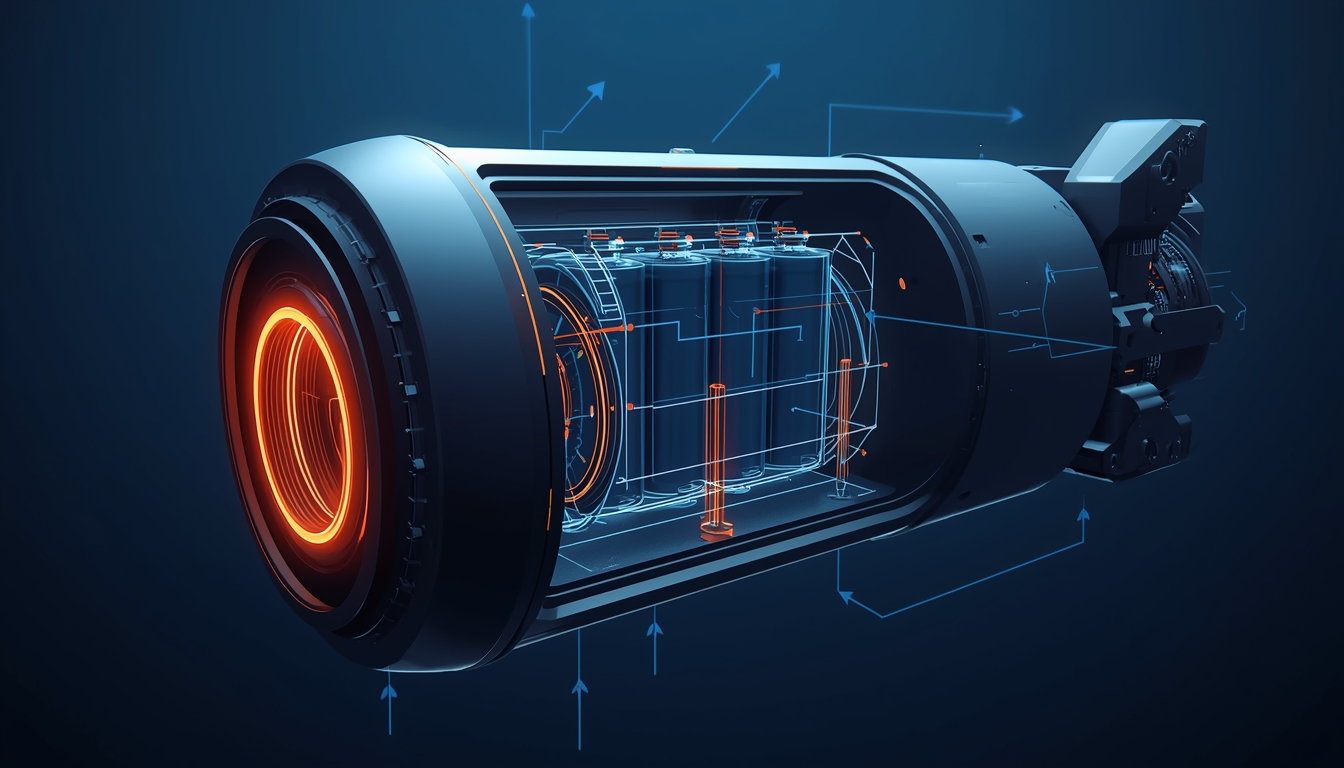
Enclosures, Casings, and Fire Containment
Fire standards extend beyond the cells themselves. High-quality battery systems use:
- Flame-retardant casings (often UL94 V-0 rated materials)
- Pressure relief mechanisms to vent gases safely
- Internal barriers between cell groups
- Sealed housings to prevent water ingress
In marine and outdoor environments, enclosure integrity becomes even more critical due to moisture, salt exposure, and vibration.
Why Australian Fire Authorities Are Especially Concerned
Australian fire services have publicly raised concerns about lithium battery fires because:
- Lithium fires burn hotter than conventional fires
- Water alone is often insufficient to extinguish them
- Toxic gases are released during combustion
- Re-ignition can occur hours later
As a result, Australian regulators increasingly expect higher safety margins, clearer documentation, and proven testing—not just declarations.
The Problem with “Self-Certified” Battery Claims
One of the most dangerous trends in the market is the rise of self-declared compliance. These claims often include phrases like:
- “Designed to international standards”
- “Tested to equivalent requirements”
- “Meets safety guidelines”
Without third-party testing, these statements are meaningless. Fire standards rely on independent verification, not manufacturer assurances.
Fire Standards in Marine and Water-Based Applications
Marine environments add layers of complexity:
- Saltwater corrosion increases electrical fault risk
- Motion and impact stress cells and wiring
- Confined spaces amplify fire danger
- Rescue access may be limited
For this reason, marine lithium batteries must meet both electrical and fire-related requirements at a higher threshold than many land-based systems. Responsible suppliers design marine systems with conservative current limits, enhanced sealing, and robust thermal monitoring.
Fire Safety and Insurance Implications
Insurers increasingly scrutinise lithium battery installations. Non-compliant batteries can result in:
- Policy exclusions
- Denied claims after fire incidents
- Increased premiums
- Commercial liability exposure
For councils, operators, and businesses, using uncertified batteries is not merely a technical risk—it is a legal and financial one.
Why Fire Standards Are Tightening, Not Loosening
Australia’s approach is becoming stricter because:
- Battery energy densities are increasing
- Products are being deployed in public spaces
- Poor-quality imports continue to enter the market
- Fire incidents have real human consequences
Expect future regulations to demand even more transparency, traceability, and testing—particularly for marine and rescue applications.
What Buyers and Authorities Should Demand
Anyone responsible for approving, purchasing, or deploying lithium battery-powered equipment in Australia should insist on:
- Documented compliance with AS IEC 62133
- Valid UN 38.3 transport test summaries
- Clear BMS specifications
- Fire-resistant enclosure details
- Installation guidance aligned with Australian standards
- Traceable manufacturer credentials
If this information cannot be supplied clearly and promptly, that is a warning sign.
Final Perspective: Fire Standards Are a Marker of Serious Manufacturers
Fire standards are not obstacles—they are indicators of professionalism. Manufacturers who invest in proper testing, documentation, and design do so because they understand the stakes: human safety, asset protection, regulatory compliance, and long-term trust. In Australia, lithium battery fire standards exist for a reason. Ignoring them is not innovation—it is negligence.
See more at www.vectorwatercraft.com.au