

Why Speed Control Is the Foundation of Rider Safety
In electric jet surfboards and e-foil boards, speed control is not merely about performance or excitement. It is the single most important factor governing rider safety, learning progression, fatigue management, collision avoidance, and equipment longevity. Unlike petrol craft—where throttle response is often coarse and mechanically delayed—electric propulsion delivers instant torque. This characteristic, while advantageous for efficiency and responsiveness, demands highly refined control systems to ensure that power is delivered progressively, predictably, and safely.
The most advanced electric watercraft do not rely on raw speed limits alone. Instead, they use layered control architectures that combine software logic, electronic motor controllers, sensor feedback, and human-centred interface design. Together, these systems protect riders from sudden acceleration, unintended surges, loss of balance, and dangerous oscillations—particularly during take-off, turning, or emergency situations.
Understanding the Difference Between Speed and Thrust
One of the most misunderstood aspects of electric watercraft safety is the distinction between speed and thrust. Speed is the result; thrust is the cause. Rider safety depends far more on how thrust is applied than on the final top speed figure.
Electric motors generate peak torque from zero RPM. Without intelligent modulation, this can result in abrupt acceleration that destabilises riders, especially beginners or lighter users. High-quality speed control systems therefore focus on thrust ramping, not speed ceilings. This allows the board to accelerate smoothly through the water or rise gently onto foil, maintaining stability and rider confidence.
Throttle Interfaces: The Human–Machine Connection
Hand-Held Wireless Remotes
Most electric surfboards and e-foils use hand-held wireless remotes. These vary greatly in quality, and the difference has a direct safety impact. Advanced remotes incorporate:
- Progressive trigger resistance
- Fine-resolution throttle mapping
- Dead-zone calibration to prevent accidental engagement
- Ergonomic shaping to reduce hand fatigue
Inferior remotes often behave like on/off switches, offering little modulation between low and high power. This creates instability during starts and turns and increases the risk of falls or collisions.
Variable Throttle Curves
High-end systems allow different throttle curves to be programmed. A beginner curve spreads power across a longer trigger range, enabling fine control at low speeds. Advanced curves compress the range for quicker response. Importantly, safety-focused systems lock certain curves to rider skill levels, preventing inexperienced users from accessing aggressive profiles prematurely.
Software-Based Speed Governors
Intelligent Speed Limiting
Rather than applying a hard speed cap, modern electric watercraft use adaptive speed governors. These systems monitor board attitude, rider input, battery state, and motor load in real time. Power is adjusted dynamically to maintain stability.
For example:
- During sharp turns, power may be reduced automatically
- When the board pitches upward too aggressively, thrust is softened
- At low battery levels, acceleration is progressively limited to prevent voltage sag or sudden cut-outs
This approach prevents many accidents that occur when riders attempt manoeuvres at inappropriate speeds.
Sensor Systems That Protect the Rider
Gyroscopes and Accelerometers
Inertial Measurement Units (IMUs) continuously measure pitch, roll, and yaw. These sensors allow the control system to recognise unsafe riding conditions before the rider consciously reacts. If the system detects an excessive nose-up angle during take-off, rapid roll instability, or sudden deceleration due to water contact or chop, it can instantly adjust motor output to stabilise the board. This is especially critical for foil boards, where a minor angle change can result in breaching or ventilation.
Water Contact and Load Sensors
Some systems monitor propeller load and water resistance. A sudden loss of load—such as when the propeller exits the water—can cause dangerous overspeeding. Advanced controllers detect this and reduce power immediately, preventing uncontrolled surges when the propeller re-enters the water.
Fail-Safe Systems and Redundancy
Dead-Man Switches
A critical safety feature is the dead-man function, which immediately cuts power if the rider releases the remote or falls. High-quality systems perform this cut-off within milliseconds, reducing the risk of the board continuing under power. Some advanced designs include dual-channel wireless communication, redundant signal verification, and automatic motor braking after cut-off. This ensures the craft slows rapidly without creating reverse thrust instability.
Signal Integrity and Interference Protection
Wireless control introduces potential risks from signal loss or interference. Premium systems use encrypted communication, frequency hopping, and signal validation to prevent unintended acceleration or delayed response. If signal integrity drops below a safe threshold, the system defaults to power-down mode automatically.
Speed Control During Take-Off: The Most Critical Phase
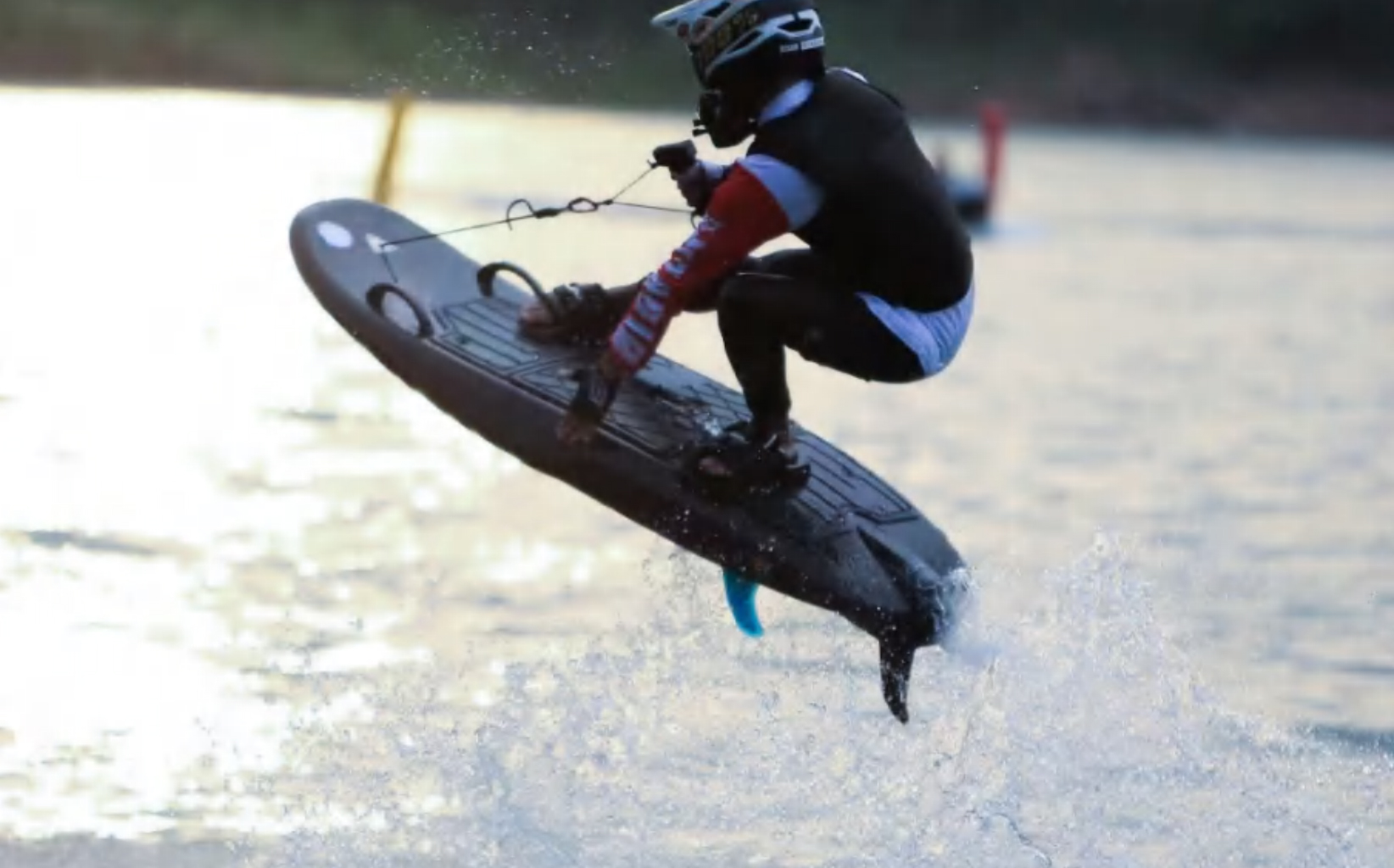
For e-foils and high-power jet boards, take-off is where most accidents occur. This is the moment when hydrodynamic forces change rapidly, and rider balance is most vulnerable. Modern control systems manage this phase through gradual thrust ramps, pitch-sensitive power reduction, and take-off-specific throttle mapping. These measures prevent the board from “launching” unexpectedly and reduce the risk of rider ejection.
Rider Weight, Skill Level, and Adaptive Control
Weight-Based Power Management
Advanced systems allow rider weight to be input into the controller. This enables the software to adjust thrust delivery and acceleration limits accordingly. Without this, lighter riders may experience excessive acceleration, while heavier riders may struggle with delayed response.
Skill-Locked Safety Profiles
Some platforms restrict maximum acceleration, top speed, and manoeuvrability until the rider completes a defined number of operating hours. This approach mirrors aviation and motorsport safety logic and significantly reduces early-stage accidents.
Emergency Speed Reduction and Collision Avoidance
Rapid Deceleration Algorithms
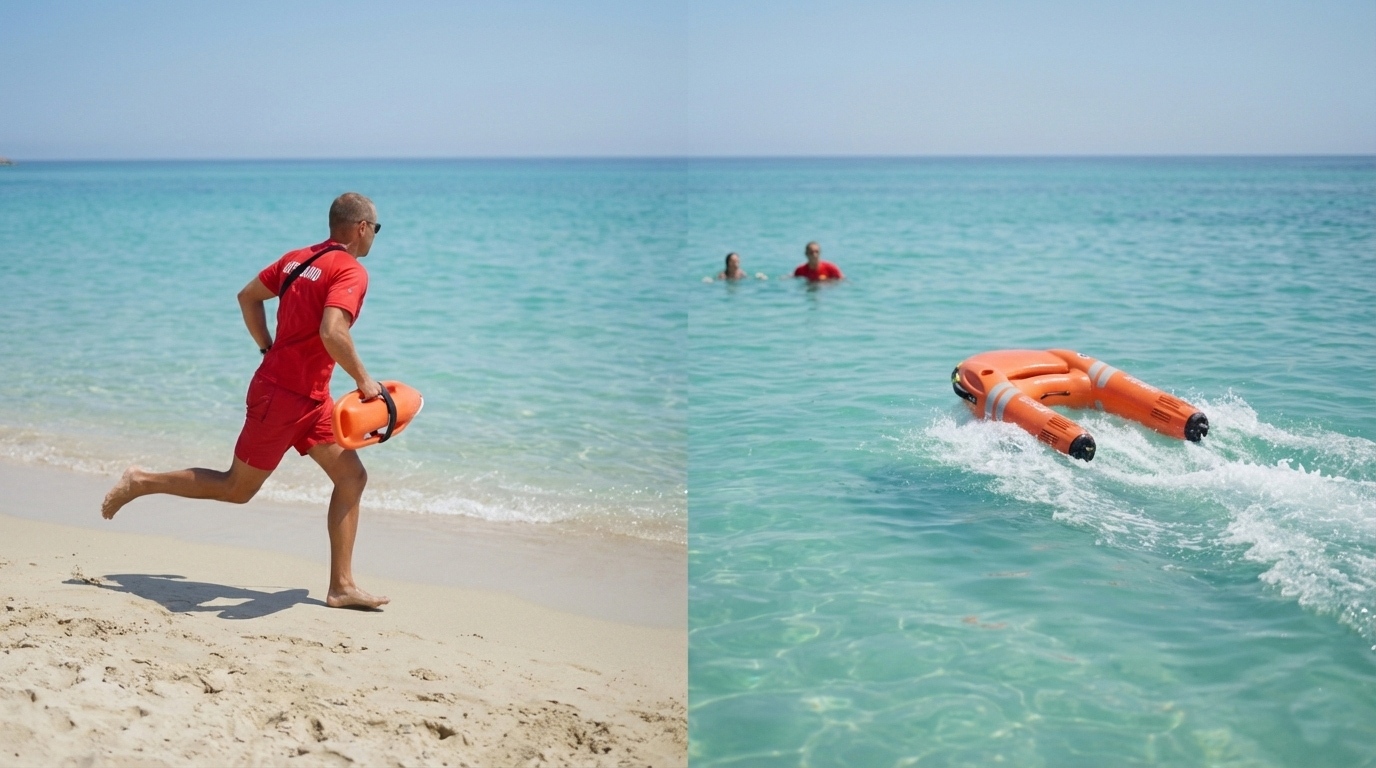
In emergency scenarios—such as approaching swimmers, obstacles, or shallow water—riders often instinctively release the throttle. Intelligent systems support this action by actively decelerating the motor rather than relying on passive drag alone. This reduces stopping distance and enhances situational safety, particularly in crowded or rescue environments.
Low-Speed Precision Modes
Precision low-speed modes are essential near shorelines, docks, or during rescues. These modes limit thrust to ensure fine manoeuvring without sudden surges. They are especially valuable for professional and safety-oriented use cases.
Battery Safety and Speed Control Interdependency
Speed control systems also protect riders by safeguarding the battery and electrical system. Excessive current draw at high speeds can overheat cells or cause voltage collapse. Intelligent controllers limit peak current dynamically, balancing performance with thermal and electrical safety. This prevents sudden power loss at speed, thermal runaway risks, and electrical component failure.
The Role of Training and System Transparency
No speed control system can replace proper training. However, the best systems support learning by providing transparent feedback through LED indicators, haptic signals, or on-screen data (where applicable). Riders gain awareness of safe operating limits and learn to anticipate board behaviour. Systems that obscure feedback or behave unpredictably undermine rider trust and increase risk.
Comparing Premium Systems to Budget Alternatives
Lower-cost electric boards often advertise high top speeds but lack sophisticated control logic. Common shortcomings include abrupt throttle response, no adaptive speed limiting, delayed cut-off on signal loss, and minimal sensor integration. These deficiencies significantly increase accident risk, particularly for inexperienced users. Premium systems prioritise controlled performance over headline speed figures, delivering a safer and more enjoyable riding experience.
Why Speed Control Defines Long-Term Rider Confidence
Riders do not judge a board by its maximum speed alone. Confidence, predictability, and control are what keep riders returning to the water. Speed control systems that inspire trust reduce fatigue, shorten learning curves, and minimise injury risk. In professional, rescue, or family-oriented contexts, these factors are non-negotiable.
The Future of Speed Control and Rider Safety
The next generation of electric watercraft will integrate AI-assisted control logic, predictive motion modelling, and enhanced rider profiling. These systems will anticipate instability before it occurs, adjusting thrust proactively rather than reactively. As regulations evolve and adoption increases, safety-driven speed control will become a defining benchmark separating serious manufacturers from opportunistic entrants.
Final Perspective: Speed With Responsibility
Speed without control is liability. In electric jet surfboards and e-foil boards, true performance is measured by how safely and consistently power is delivered. Advanced speed control systems protect riders, equipment, and bystanders while enhancing enjoyment and confidence. For anyone evaluating electric watercraft—whether for personal use, professional deployment, or long-term ownership—speed control architecture should be scrutinised as closely as motor power or battery capacity. It is the quiet guardian beneath every successful ride.
More about electric watercraft: www.vectorwatercraft.com.au