
Water rescue has always occupied a unique place in public safety. Unlike many other emergency scenarios, water incidents are unforgiving, fast-moving, and often occur in uncontrolled environments where conditions can deteriorate within seconds. For centuries, survival depended almost entirely on human strength, judgement, and courage. Today, water rescue sits at the intersection of human decision-making and advanced technology, with modern equipment designed to reduce response times, extend reach, and most importantly, prevent secondary rescuer fatalities.
Understanding how water rescue equipment has evolved is critical for councils, surf life saving organisations, emergency services, and procurement professionals assessing modern rescue solutions. This evolution has not been driven by convenience or novelty, but by hard lessons learned from lives lost, rescues delayed, and systems that placed rescuers at unacceptable risk.
Early Water Rescue: Strength, Skill, and Extreme Risk
For most of recorded history, water rescue relied almost exclusively on physical intervention. Rescuers swam out to victims using nothing more than their own ability, sometimes with a rope or basic flotation aid. These rescues demanded exceptional fitness and training, yet even the most capable swimmer was vulnerable to exhaustion, panic-driven victims, currents, and unseen hazards.
Traditional rescue tools during this era were simple and passive. Throw ropes, life rings, wooden planks, and later cork or kapok life buoys were used primarily to extend flotation rather than mobility. These devices required the victim to be conscious, coordinated, and able to grasp the aid—conditions often absent during real emergencies.
Rescuer fatality rates were high. Historical records from lifesaving organisations consistently show that many drownings involved well-intentioned bystanders or trained rescuers who underestimated water conditions or overestimated their own endurance. The core limitation was clear: human reach and strength were finite.
The Introduction of Structured Lifesaving Organisations
The late nineteenth and early twentieth centuries marked a turning point. Formal lifesaving bodies began to emerge, particularly in coastal nations such as Australia, the United Kingdom, and the United States. These organisations introduced structured training, patrol systems, and standardised rescue equipment.
This era saw the introduction of rescue reels, patrol flags, and early rescue boards. Rope-and-reel systems allowed rescuers to maintain a physical link to shore, providing both support and retrieval capability. Rescue boards increased surface area and flotation, enabling rescuers to transport victims more efficiently.
While these innovations improved outcomes, they still relied on a fundamental assumption: the rescuer must enter the water. This remained a critical vulnerability, particularly in rough surf, flood conditions, or cold water environments.
Motorised Rescue Craft: Extending Speed and Reach
The next major leap came with motorised rescue craft. Inflatable rescue boats, jet skis, and rigid hull inflatables transformed open-water rescue operations. Speed increased dramatically, allowing responders to reach victims faster and cover larger patrol zones.
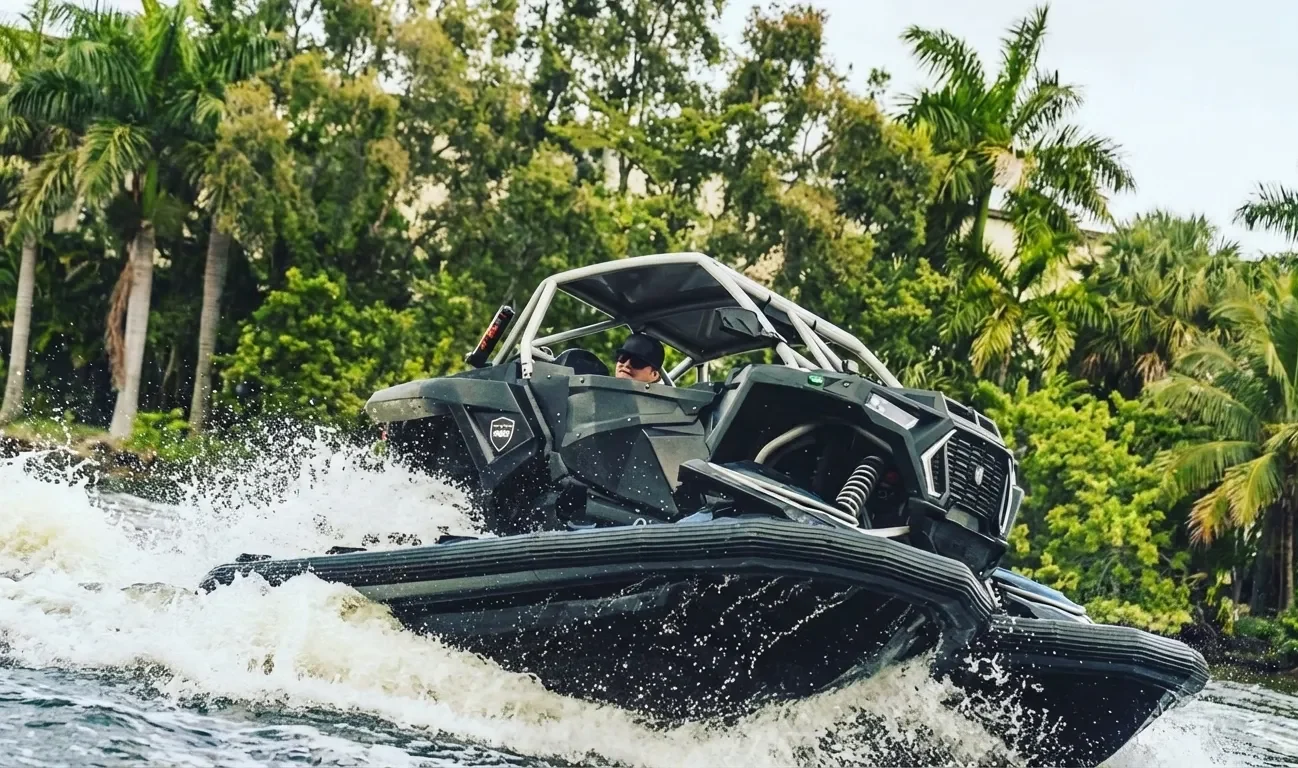
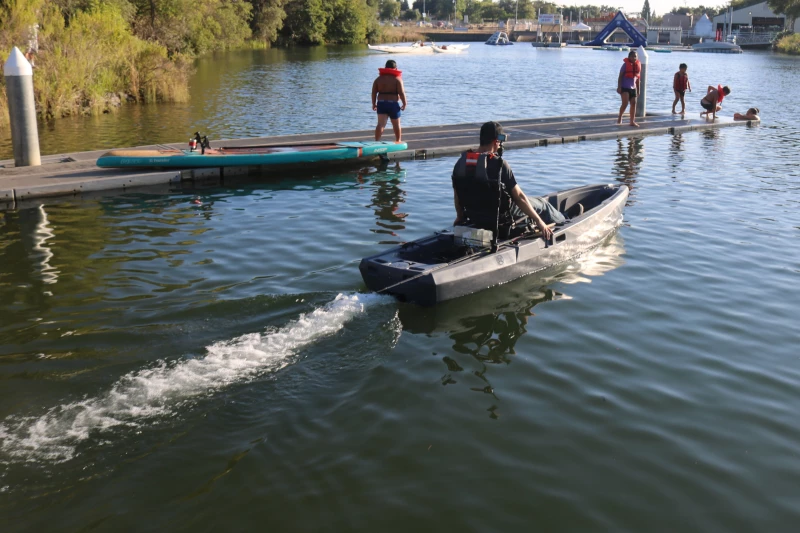
Personal watercraft equipped with rescue sleds became standard in many surf life saving operations. These platforms enabled rapid response beyond the breaking surf zone and improved victim extraction. Helicopters with winch systems extended rescue capability further offshore and into flood zones.
However, motorised rescue introduced new constraints. These systems required trained operators, fuel logistics, maintenance regimes, and safe launch conditions. They were also expensive and often unavailable outside staffed patrol hours. In remote locations, inland waterways, or after-hours scenarios, response gaps persisted.
The Persistent Problem: Time and Accessibility
Despite decades of innovation, one fundamental problem remained unsolved: the critical minutes before professional help arrives. Drowning is a time-dependent emergency. Brain injury can occur within minutes, and panic rapidly reduces a victim’s ability to self-rescue.
Most water incidents occur outside patrolled zones or outside operational hours. Rivers, lakes, dams, unguarded beaches, rock platforms, and remote coastal areas account for a disproportionate number of fatalities. Traditional rescue infrastructure struggled to address these locations effectively.
Signage, public education, and static flotation devices helped, but they still required the victim or a bystander to act correctly under stress. The need for equipment that could bridge the gap between incident and response became increasingly clear.
The Shift Toward Rescuer-Independent Solutions
The late twentieth and early twenty-first centuries saw a philosophical shift in rescue equipment design. Instead of asking “how do we get rescuers to victims faster?”, the question became “how do we get flotation and assistance to victims immediately, without endangering others?”
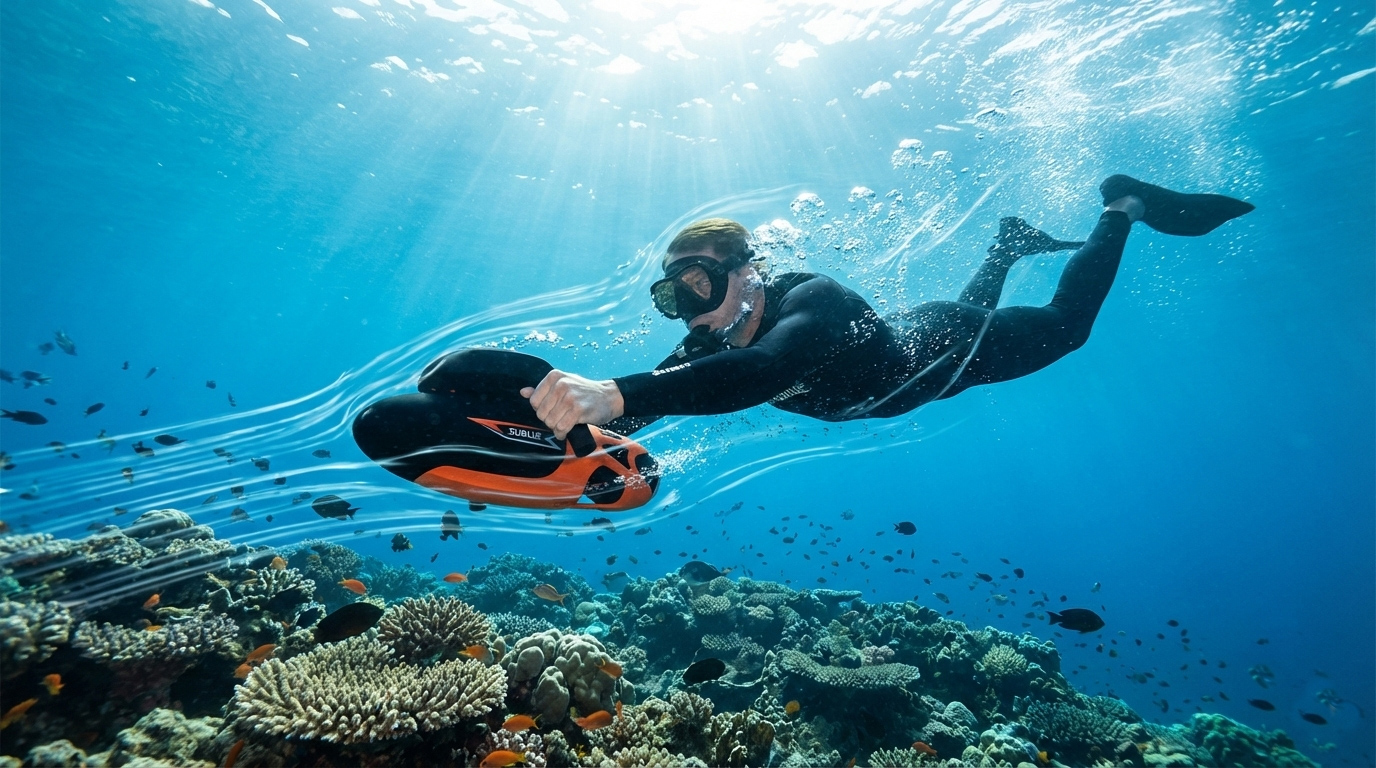
This shift gave rise to throw-based inflatable systems, automatic flotation devices, and later, propulsion-assisted rescue tools. The goal was no longer just flotation, but rapid delivery, controlled movement, and reduced reliance on human strength.
These developments were informed by data. Incident analysis consistently showed that rescuer entry into dangerous water accounted for a significant proportion of fatalities. Eliminating unnecessary water entry became a priority.
Remote-Controlled Rescue Devices: A Structural Breakthrough
One of the most significant milestones in modern water rescue has been the emergence of remote-controlled rescue devices. These systems represent a structural break from traditional rescue thinking.
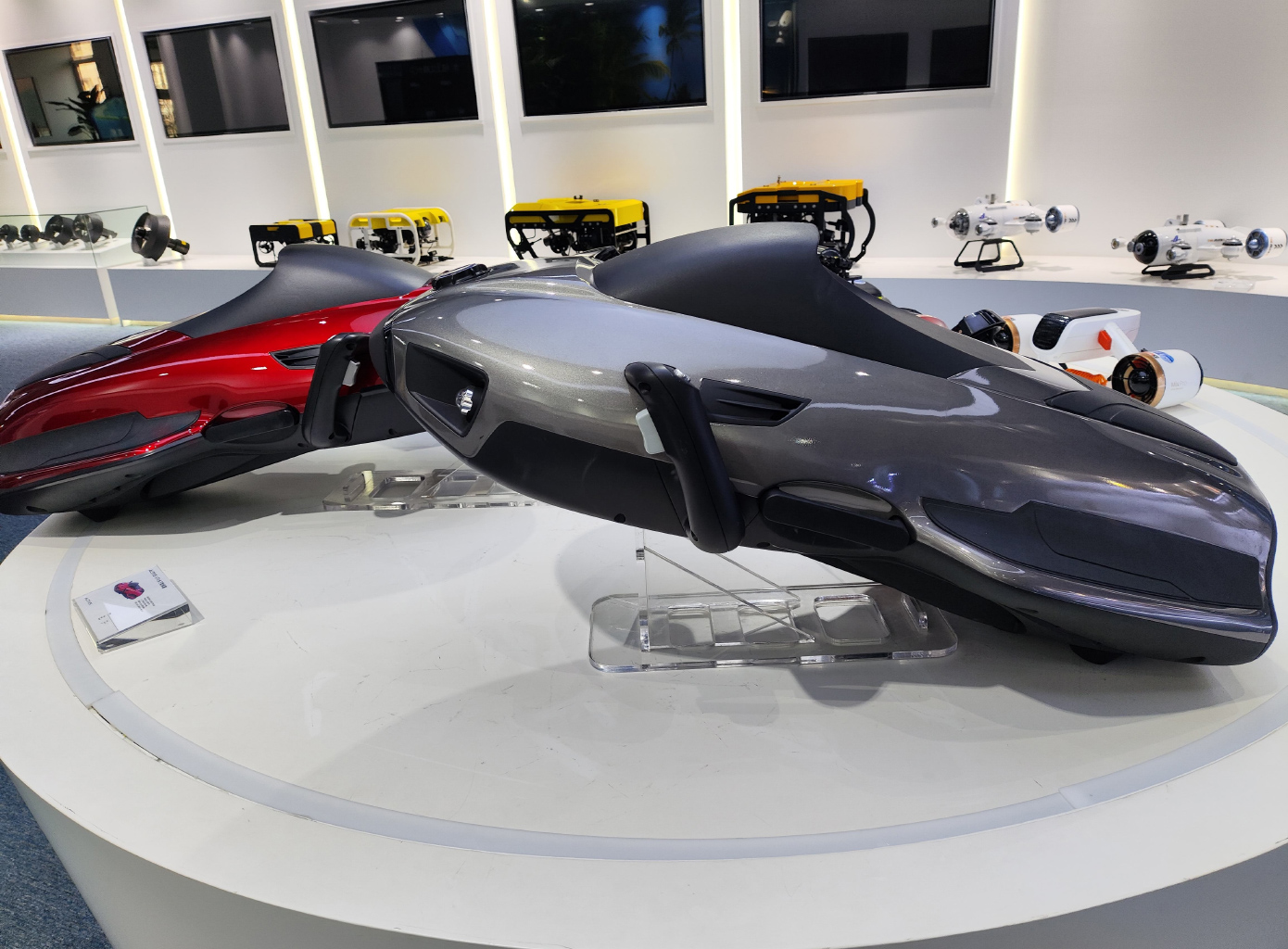
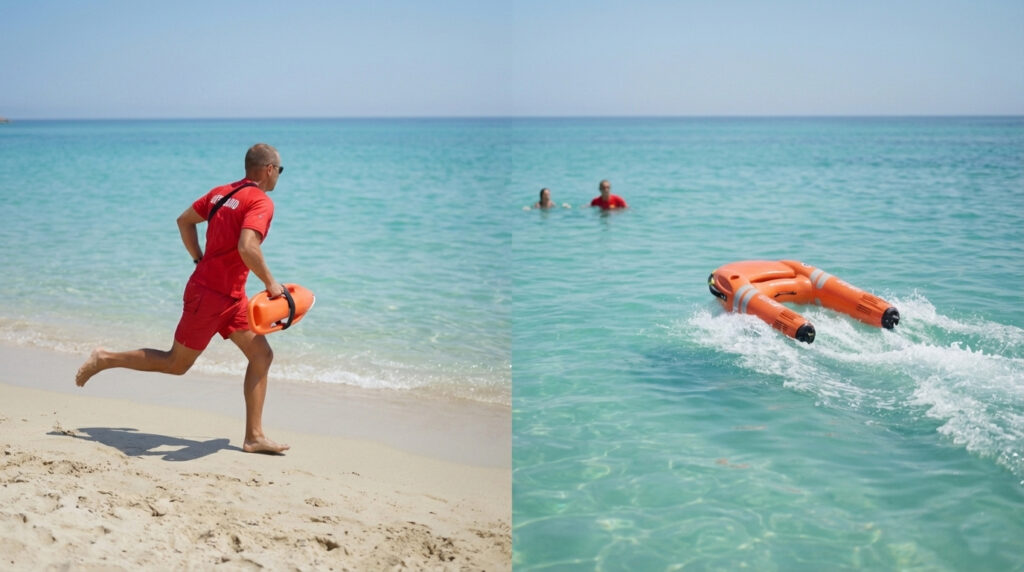
Rather than placing a rescuer in the water, a remote-controlled device is deployed from shore, boat, or structure. Using electric propulsion, it travels at speed directly to the victim, providing immediate flotation and the ability to tow the person back to safety.
This technology fundamentally changes the risk profile of water rescue. Rescuers remain on land or in a stable platform. Victims receive assistance faster. Secondary drownings are dramatically reduced.
Importantly, these devices are not limited to trained professionals. With intuitive controls and minimal instruction requirements, they are increasingly suitable for public-access installations.
Addressing Remote and High-Risk Locations
Remote-controlled rescue equipment has proven particularly valuable in locations where traditional rescue assets are impractical. Rock platforms, flood-prone rivers, harbours, inland lakes, and remote beaches present unique challenges.
In these environments, deploying boats may be impossible, helicopters may be unavailable, and swimming rescues may be suicidal. Remote rescue devices offer a solution that is independent of sea state, water temperature, or rescuer fitness.
For councils and land managers, this represents a new category of risk mitigation. Instead of relying solely on signage and public warnings, active rescue capability can be installed even in unpatrolled areas.
Integration with Modern Emergency Systems
Modern rescue equipment does not exist in isolation. It increasingly integrates with broader emergency response systems. GPS tracking, range extension, visual identification aids, and compatibility with emergency protocols allow rescue devices to function as part of a coordinated response.
This integration enables faster escalation. While a device is deployed to stabilise a victim, emergency services can be notified simultaneously. This parallel response significantly improves survival outcomes.
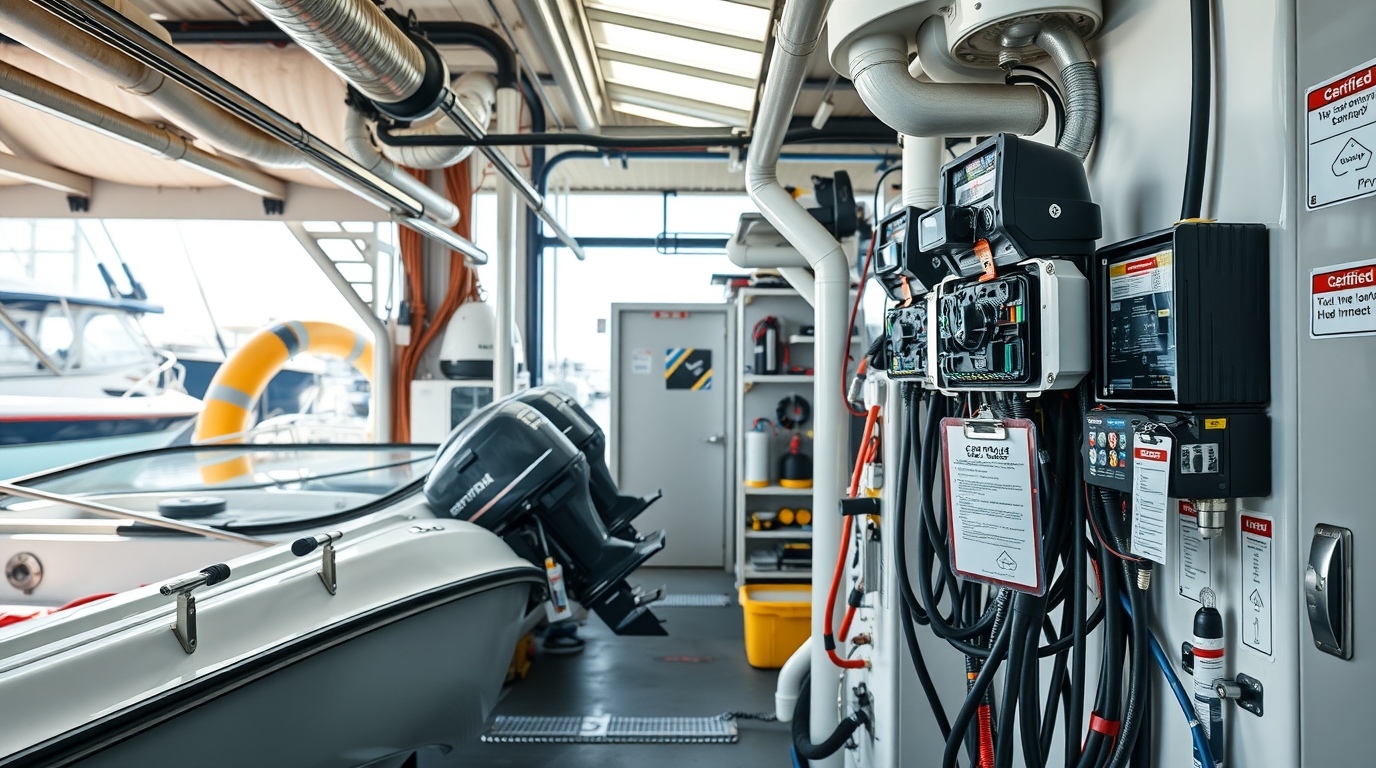
Technology has also improved reliability. Advances in battery chemistry, waterproofing, motor efficiency, and electronic sealing have made modern rescue equipment more dependable than earlier generations of electric marine devices.
Lessons Learned from Historical Failures
Every major advancement in water rescue equipment has been driven by failure analysis. Tragic incidents have consistently revealed the same weaknesses: delayed response, rescuer overexposure, lack of equipment at the point of need, and reliance on ideal conditions.
The evolution of rescue equipment reflects a growing recognition that bravery alone is not a strategy. Technology exists to remove unnecessary risk, compress response times, and make rescue possible where it previously was not.
This does not diminish the role of trained professionals. Instead, it allows them to operate more effectively, focusing their skills where human judgement is irreplaceable, rather than expending energy on tasks technology can perform faster and safer.
The Australian Context: Unique Challenges, Unique Needs
Australia presents a particularly demanding environment for water rescue. Long coastlines, remote communities, unpredictable weather, inland waterways, and a strong culture of recreational water use combine to create elevated risk. Many drowning incidents occur far from patrols.
Councils and emergency planners face pressure to improve safety without unlimited budgets or staffing. Technology-assisted rescue equipment offers a scalable, cost-effective way to extend protection beyond traditional limits. As expectations around public safety continue to rise, the adoption of modern rescue technology is increasingly seen not as optional, but as responsible governance.
Where Water Rescue Is Heading
The evolution of water rescue equipment is far from complete. Ongoing developments in autonomy, communications, and energy storage will continue to reshape how rescues are performed. What remains constant is the underlying objective: get help to the person in distress as fast as possible, without creating additional victims. Every step in the evolution of rescue equipment moves closer to this ideal.
The future of water rescue is not about replacing people, but about empowering them with tools that reflect what we have learned over generations of hard experience.
See more at www.vectorwatercraft.com.au