
Introduction: Why Most Buyers Look at the Wrong Things
When buyers compare electric watercraft, they are usually drawn to what is easiest to see:
- Speed claims
- Battery size
- Price
- Styling
- Brand imagery
Yet these visible factors rarely determine whether a craft will still perform safely and reliably five years from now.
The reality is that build quality is revealed in details that are not immediately obvious — details most buyers are never taught to look for, and which many suppliers prefer not to highlight.
In electric watercraft, these hidden indicators matter more than ever. Electrical systems are unforgiving. Water intrusion, vibration, heat, and corrosion expose weaknesses quickly. What looks impressive on day one can quietly deteriorate long before warranty issues appear.
This article focuses on the build quality indicators buyers consistently miss, yet which professionals, engineers, and long-term owners pay close attention to when assessing electric watercraft properly.
Indicator One: Structural Integration — Not Just Hull Thickness
Many buyers equate build quality with hull thickness or weight. While these factors matter, they are incomplete on their own.
Professional-grade electric watercraft are designed with structural integration, meaning:
- Hull, deck, battery housing, and motor mounts work as a single engineered system
- Load paths are deliberately managed
- Stress points are reinforced internally
- Electrical components are isolated from flex zones
Lower-grade craft often rely on:
- Thicker skins to compensate for poor internal structure
- Add-on battery boxes
- Flat mounting plates without stress dispersion
The result may feel solid initially, but over time flexing causes micro-cracks, seal fatigue, and electrical strain.
A well-built electric craft distributes forces predictably. A poorly built one absorbs stress randomly — and always fails sooner.
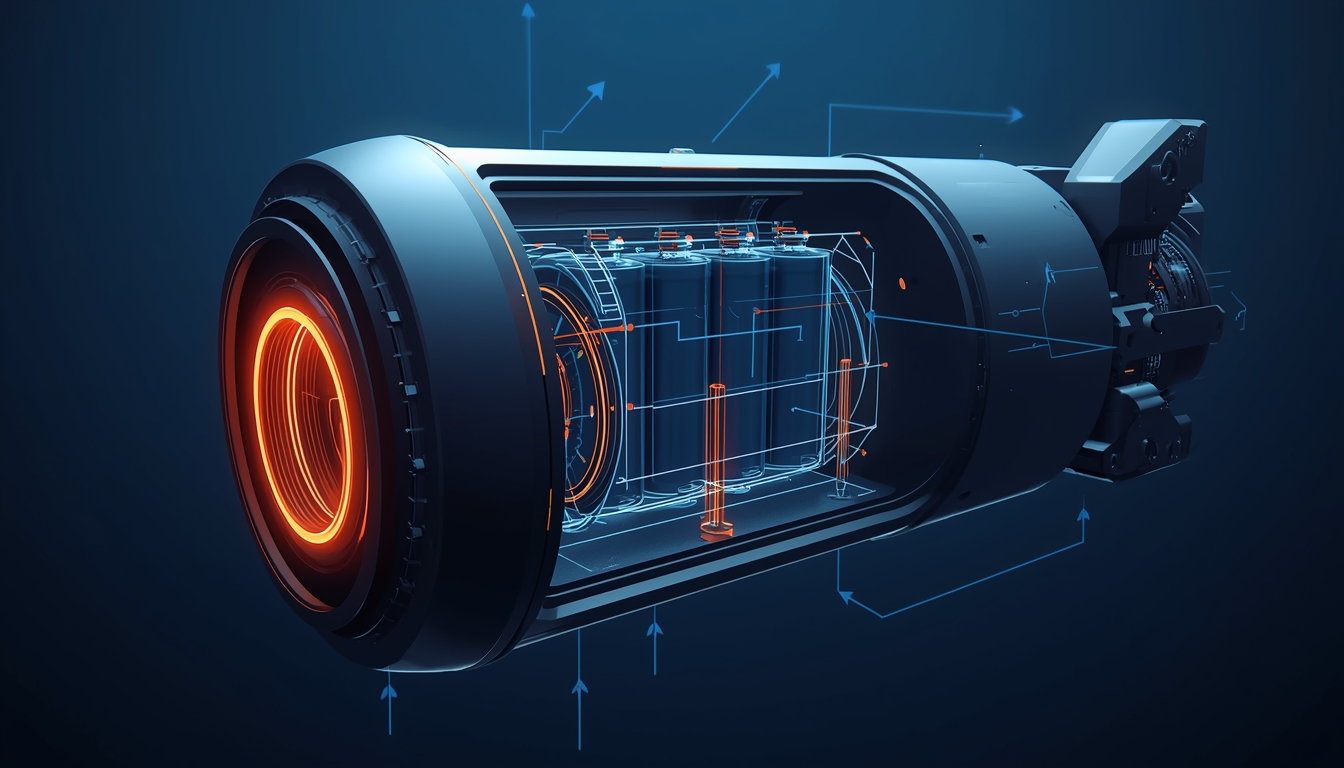
Indicator Two: Battery Enclosure Engineering — Not Just Waterproof Claims
“Waterproof battery” is one of the most misused phrases in electric watercraft marketing.
Professional builders understand that true waterproofing is a system, not a label.
What matters is:
- Multi-layer sealing design
- Pressure equalisation strategy
- Gasket material quality
- Redundant sealing points
- Controlled drainage pathways
Cheap designs rely on:
- Single O-ring seals
- Silicone bead sealing
- Snap-fit lids
- Assumed static conditions
In real Australian use — chop, vibration, heat cycling, and salt exposure — simplistic sealing fails.
A well-engineered battery enclosure anticipates movement, pressure change, and long-term material fatigue. Poor ones assume calm water and ideal use.
Indicator Three: Wiring Standards and Routing Discipline
One of the fastest ways to identify professional versus consumer electric watercraft is to examine wiring discipline.
Professional-grade craft demonstrate:
- Marine-grade tinned copper wiring
- Correct wire gauge selection
- Proper strain relief
- Routed away from sharp edges and heat sources
- Secured at regular intervals
Lower-grade craft often show:
- Automotive-grade wiring
- Marginal wire sizing
- Loose routing
- Tension at connectors
- Exposed junction points
Electrical faults in watercraft are rarely dramatic at first. They appear as intermittent issues, performance drops, unexplained shutdowns, or corrosion-related failures that are difficult to trace.
Build quality is not just about materials — it is about discipline in execution.
Indicator Four: Connector Quality and Environmental Sealing
Connectors are the most vulnerable points in any electric watercraft.
Professional systems use:
- IP-rated marine connectors
- Locking mechanisms
- Corrosion-resistant contacts
- Redundant sealing
- Clear service access
Consumer-grade systems often rely on:
- Generic push-fit connectors
- Minimal sealing
- Tight, inaccessible placement
- No allowance for maintenance
In saltwater environments, connector failure is not a question of “if” — only “when”.
High-quality connectors cost more, take more time to install correctly, and require better design planning. Their presence is one of the strongest indicators of overall build philosophy.
Indicator Five: Fasteners, Inserts, and Hidden Corrosion Points
Buyers rarely look at fasteners, yet fastener choice reveals enormous insight into build quality.
Professional electric watercraft use:
- Marine-grade stainless or treated alloys
- Isolated dissimilar metals
- Thread inserts rather than self-tapping screws
- Proper torque specification
Lower-grade craft often rely on:
- Generic screws
- Mixed metals without isolation
- Direct threading into composite
- Over-tightening to mask poor fit
Over time, poor fastener choices lead to:
- Galvanic corrosion
- Loosening under vibration
- Cracking around mount points
- Permanent structural damage
Once corrosion begins internally, it is rarely economical to repair.
Indicator Six: Internal Layout and Serviceability
Professional designers assume their craft will need to be serviced, inspected, and maintained.
As a result, professional-grade electric watercraft show:
- Logical component layout
- Clear access paths
- Labelled wiring
- Modular assemblies
Lower-grade designs often prioritise compactness or appearance, resulting in:
- Overlapping components
- Obstructed access
- Difficult battery removal
- Wiring that must be cut to service components
Poor serviceability does not just increase maintenance costs — it encourages neglect, which accelerates failure.
Build quality includes the assumption that humans will interact with the craft over its lifespan.
Indicator Seven: Vibration Management — A Silent Differentiator
Electric motors produce less vibration than petrol engines, but they are not vibration-free.
Poorly managed vibration leads to:
- Connector fatigue
- Wiring chafe
- Seal degradation
- Sensor malfunction
Professional-grade craft manage vibration through:
- Isolated motor mounts
- Damped battery enclosures
- Flexible coupling where required
- Controlled resonance zones
Consumer designs often bolt components directly to rigid structures, assuming electric propulsion eliminates vibration concerns. It does not.
Vibration damage accumulates quietly and reveals itself years later.
Indicator Eight: Tolerances and Fit — What You Can’t Measure Easily
Fit and finish are not about aesthetics alone.
Consistent panel gaps, clean alignment, and accurate mating surfaces indicate:
- Controlled manufacturing processes
- Repeatable quality
- Dimensional discipline
Inconsistent fit often signals:
- Manual assembly without jigs
- Variable tolerances
- Lack of quality control
Electric watercraft rely heavily on sealing and precise alignment. Poor tolerances compromise waterproofing, airflow, and structural integrity.
Professionals notice these details immediately — consumers often do not.
Indicator Nine: Heat Path Management in Structural Design
Heat management is not only about cooling systems. It is also about where heat is allowed to go.
Professional builders design:
- Defined heat paths
- Thermal isolation of sensitive components
- Strategic material selection
Lower-grade builds allow heat to accumulate wherever it happens to occur.
Over time, unmanaged heat causes:
- Battery degradation
- Seal hardening
- Electronic failure
- Structural fatigue
A craft that performs well for short test rides may degrade rapidly under extended real-world use if heat paths are poorly managed.
Indicator Ten: Quality Control Philosophy — Not Just Final Inspection
Build quality is not guaranteed by a final inspection alone.
Professional manufacturers implement:
- Process-based quality control
- Component traceability
- Assembly checklists
- Testing at multiple build stages
Lower-grade production relies on:
- Visual inspection at completion
- Random testing
- Minimal documentation
In electric watercraft, errors made early in assembly are difficult to detect later — until failure occurs.
Consistent quality requires systems, not hope.
Why These Indicators Matter More in Australia
Australian conditions are uniquely demanding:
- High UV exposure
- Saltwater prevalence
- Long usage sessions
- Heat extremes
- Remote operation environments
Build shortcuts that survive in controlled markets often fail quickly here.
This is why professional-grade electric watercraft designed for international and commercial use tend to outperform consumer-focused imports over time.
Final Thoughts: Build Quality Is Revealed, Not Claimed
True build quality is not found in brochures, slogans, or marketing videos.
It is revealed in:
- How components are integrated
- How systems are protected
- How failure is anticipated
- How maintenance is enabled
Buyers who learn to recognise these hidden indicators gain a decisive advantage. They select craft that last longer, perform more consistently, and retain value — even when initial purchase prices are higher.
In electric watercraft, what you don’t see matters most.
See More at www.vectorwatercraft.com.au