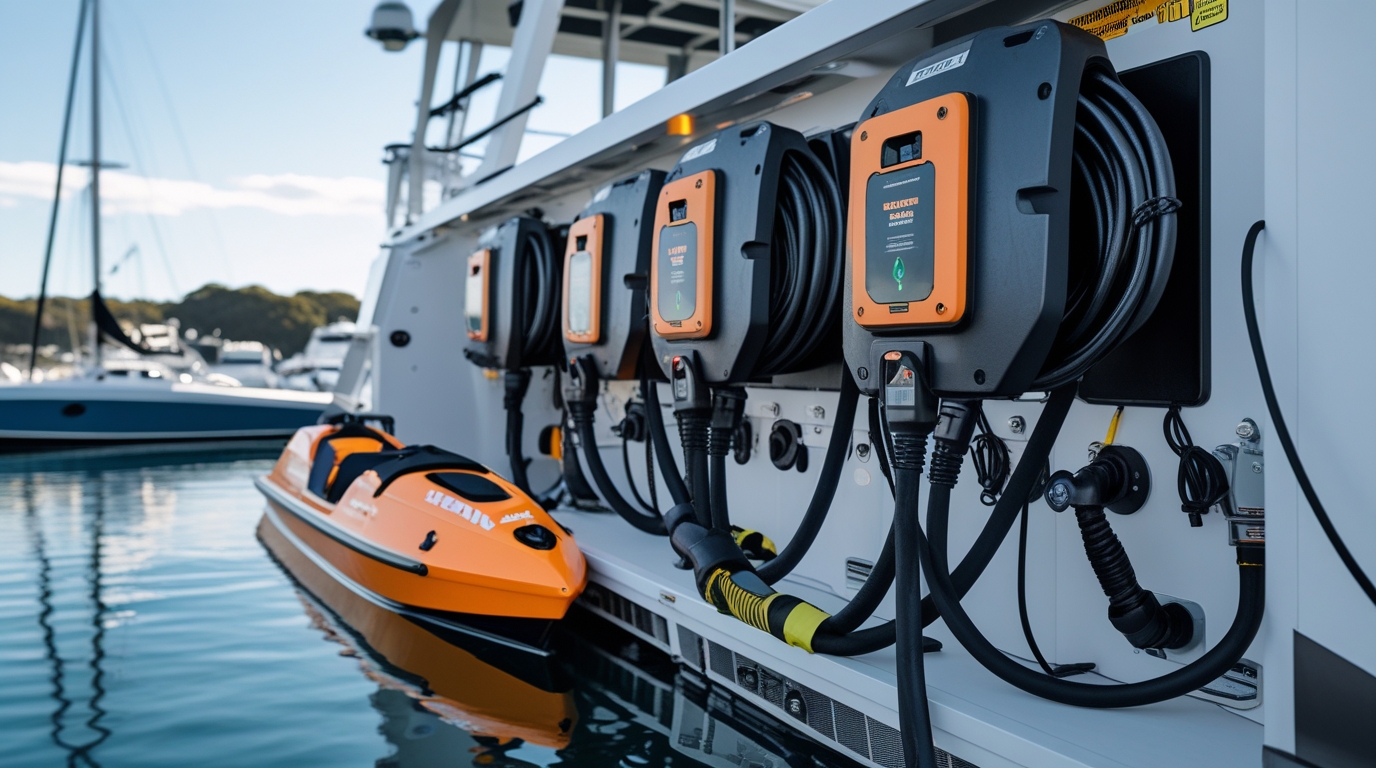
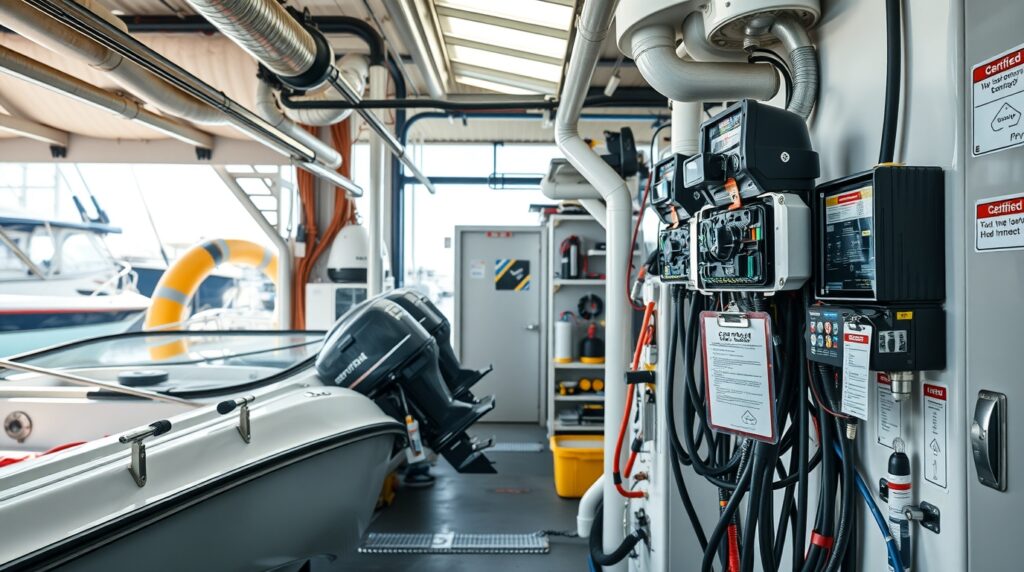

Introduction: Certification Is Not Optional in Australia
In Australia, certification is not a box-ticking exercise, a marketing embellishment, or something that only “big companies” need to worry about. It is a fundamental requirement that sits at the intersection of law, safety, liability, insurance, and public trust.
This is particularly true for products involving electricity, lithium batteries, marine use, public safety equipment, and anything deployed in homes, workplaces, waterways, or public spaces. Australia’s regulatory environment is deliberately conservative, shaped by hard-earned lessons from fires, electrocutions, marine incidents, building failures, and product recalls.
This article explains why certification genuinely matters in Australia, how it differs from other markets, what certification actually proves (and what it does not), and why uncertified or poorly certified products expose suppliers, buyers, councils, and operators to unacceptable risk.
Australia’s Regulatory Philosophy: Prevention Over Reaction
Australia’s approach to certification is grounded in one principle: prevent harm before it occurs. Unlike some jurisdictions that rely heavily on post-incident enforcement, Australia places strong emphasis on:
- Independent testing before sale
- Mandatory compliance documentation
- Traceability of manufacturers and importers
- Clear accountability when something goes wrong
Certification exists to ensure that unsafe products do not enter the market in the first place.
What “Certification” Actually Means in the Australian Context
In Australia, certification is evidence-based compliance with recognised standards, verified by independent bodies. Proper certification involves:
- Testing to an Australian or internationally adopted Australian standard
- Independent laboratories (not the manufacturer)
- Documented test reports
- Product traceability to specific models and components
- Ongoing conformity, not one-off testing
A statement like “built to international standards” is not certification. A logo copied onto a website is not certification. Certification is paperwork, process, and proof.
Australian Standards vs “International Standards”
A critical distinction often misunderstood in the market is the difference between International standards and Australian-adopted standards. Australia frequently adopts IEC, ISO, and EN standards — but with Australian context, enforcement, and interpretation. For example:
- AS IEC standards are not suggestions; they are enforceable benchmarks
- Australian regulators expect evidence that the exact product sold was tested
- Variations in voltage, climate, usage conditions, and consumer law matter
A product certified “somewhere overseas” does not automatically satisfy Australian requirements.
Certification and Australian Consumer Law (ACL)
Certification is closely linked to Australian Consumer Law. Under ACL, products must be safe, fit for purpose, as described, and of acceptable quality. If a product causes damage or injury and lacks proper certification, the supplier cannot rely on disclaimers or offshore manufacturing excuses. Liability follows the Australian importer or seller, not the overseas factory. Certification demonstrates that reasonable steps were taken to meet safety expectations — a critical factor in any legal assessment.
Why Regulators Care About Certification
Australian regulators care about certification because it provides objective proof of safety claims, consistency across suppliers, a basis for enforcement and recalls, and protection for end users and the public. Without certification, regulators are forced to rely on trust. History has shown that trust alone is insufficient.
The Role of Certification in Lithium Battery Safety
Lithium batteries are a prime example of why certification matters. Proper certification verifies fire and thermal runaway resistance, overcharge and short-circuit protection, cell quality and consistency, and battery management system performance. Uncertified batteries may look identical externally but behave very differently under fault conditions. Certification is the only reliable way to distinguish safe systems from dangerous ones.
Marine and Outdoor Environments Raise the Stakes
In marine and outdoor applications, certification becomes even more critical. Australian conditions include saltwater exposure, high UV levels, heat extremes, vibration and impact, and public and rescue use. Certification confirms that products can withstand these conditions without becoming electrical or fire hazards. This is why marine-grade certification is treated far more seriously than general consumer electronics testing.
Certification Is About Systems, Not Just Components
A common misconception is that certified components equal a certified product. This is incorrect. Certification must cover the complete battery pack (not just individual cells), the integrated electrical system, chargers and connectors, enclosures and ingress protection, and software/firmware where relevant. Mixing certified parts into an uncertified system does not create a compliant product.
Why “CE Only” Is Insufficient in Australia
CE marking is often misunderstood. It is largely self-declared, designed for the European market, does not automatically align with Australian requirements, and does not involve Australian enforcement. In Australia, CE alone is not a substitute for compliance with Australian-adopted standards or RCM requirements.
The RCM Mark and Electrical Safety
For electrical products sold in Australia, the Regulatory Compliance Mark (RCM) is central. RCM indicates electrical safety compliance, EMC compliance, and supplier registration/accountability. Without RCM where required, products may be seized at the border, recalled, or banned from sale.
Certification and Insurance Acceptance
Insurance providers increasingly require evidence of certification. Uncertified products can lead to policy exclusions, refused claims, increased premiums, and personal liability for directors or councils. For commercial operators and public bodies, certification is often a prerequisite for insurance approval.
Why Councils and Authorities Insist on Certification
Local councils, emergency services, and public agencies are risk-averse by necessity. Certification provides confidence in procurement decisions, protection against public liability claims, evidence of due diligence, and compliance with governance obligations. Using uncertified equipment exposes decision-makers personally, not just the organisation.
Certification vs “Testing”: A Critical Difference
Testing is an event. Certification is a process. Testing may show that a product passed once. Certification demonstrates that the design is compliant, the manufacturing process is controlled, and ongoing production remains consistent. This distinction matters when failures occur months or years later.
The Grey Market Problem in Australia
Grey market products often exploit confusion around certification through reused certificates, expired reports, omitting key pages, or claiming “equivalent” compliance. These practices undermine safety and distort competition against responsible suppliers.
Certification as a Marker of Serious Suppliers
Proper certification costs time and money. Suppliers who invest in certification demonstrate a long-term commitment to the market, willingness to be accountable, respect for Australian regulations, and a focus on safety over short-term margin. In contrast, uncertified sellers can disappear overnight.
Certification Protects Buyers as Much as Regulators
For buyers, certification provides confidence in safety claims, reduced legal exposure, better resale and insurance outcomes, and peace of mind. It is not bureaucracy — it is protection.
Why Certification Standards Are Tightening
Australian authorities are tightening certification expectations because energy densities are increasing, products are entering public spaces, fire and electrical incidents are rising, and consumers expect higher safety standards. Certification requirements will continue to expand, not relax.
What Responsible Buyers Should Ask For
In Australia, buyers should request Australian-recognised certification reports, clear model-specific documentation, supplier registration details, and evidence of ongoing compliance. If this information is not readily available, that is a warning sign.
Final Perspective: Certification Is the Cost of Doing Things Properly
In Australia, certification is not an inconvenience. It is the price of legitimacy. It separates serious manufacturers and suppliers from opportunistic sellers. It protects users, operators, councils, and insurers. And most importantly, it prevents incidents that should never have happened in the first place. Ignoring certification does not reduce risk — it transfers it, usually to the least informed party.
To learn more see www.vectorwatercraft.com.au