Modern water sports sit at the intersection of ambition and physics. Consumers expect watercraft that are faster, quieter, safer, cheaper, lighter, longer-ranged, more durable, environmentally responsible, and easier to use—often all at once. Engineering, meanwhile, operates within immutable constraints: energy density, hydrodynamics, materials limits, thermal management, safety margins, and regulatory compliance.
The tension between what people want and what engineering can reliably deliver has never been more visible than it is today.
This gap is not a failure of innovation. It is a consequence of rapid technological change colliding with rising expectations. Understanding this tension is essential to understanding where water sports technology is heading—and why the most successful platforms of the future will be those that manage expectations honestly while engineering intelligently.
How expectations escalated so quickly
Consumer expectations have been shaped by adjacent industries.
Electric cars normalised instant torque and silent operation. Smartphones conditioned people to expect seamless updates, intuitive interfaces, and continual improvement after purchase. Consumer electronics taught buyers that products should be powerful yet simple, premium yet reliable.
These expectations migrated to watercraft almost overnight.
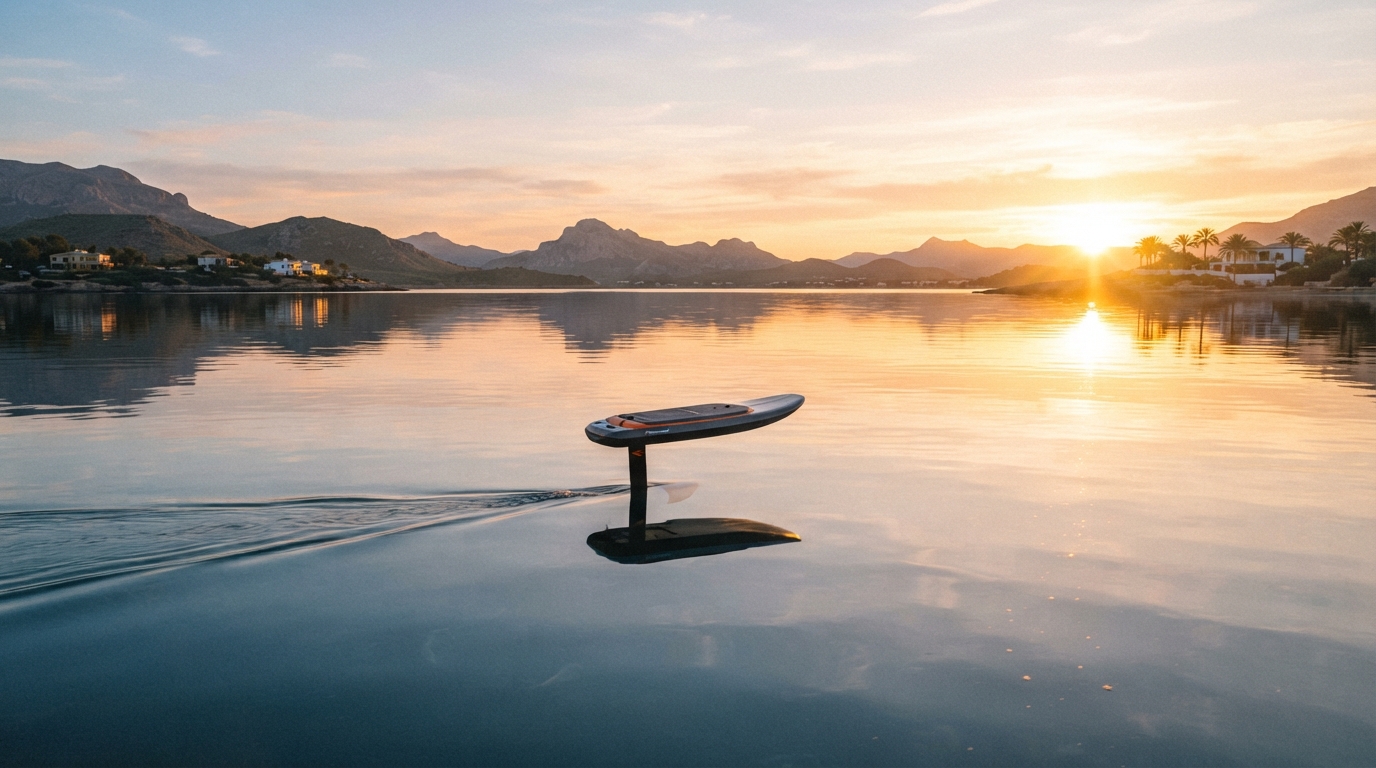
Buyers now expect electric watercraft to deliver petrol-like range, zero maintenance, rapid charging, silent operation, and premium durability—often without appreciating the trade-offs involved.
The result is a widening perception gap between promise and practicality.
The physics that never went away
No matter how advanced technology becomes, certain physical realities remain fixed.
Water is dense. Drag increases exponentially with speed. Range is inversely related to power demand. Batteries, while improving, still store far less energy per kilogram than liquid fuels. Lightweight structures must balance stiffness, impact resistance, and fatigue life.
Engineering is the art of managing these trade-offs—not eliminating them.
When consumers expect all benefits with none of the compromises, disappointment follows. When expectations are aligned with reality, satisfaction increases dramatically.
Range anxiety versus real-world use
One of the clearest examples of expectation versus reality is range.
Consumers often compare electric watercraft range to petrol equivalents on paper, without accounting for how different propulsion systems behave. Electric systems deliver consistent torque but draw significantly more power at high speeds. Range collapses quickly when operated aggressively.
Engineering reality is simple: efficient use delivers excellent range; sustained high output does not.
The solution is not to overpromise. It is to design platforms that make efficient operation intuitive and rewarding—through control profiles, feedback, and realistic specification.
When users understand how to extract range, the perceived limitation becomes a feature rather than a flaw.
Speed expectations and hydrodynamic truth
Speed is another area where expectations often exceed feasibility.
On water, small increases in top speed require disproportionately large increases in power. This relationship is non-linear and unforgiving. Achieving marginal gains demands heavier batteries, stronger structures, and increased thermal management—all of which introduce new compromises.
Engineering reality dictates that smart performance focuses on acceleration, control, and usable speed rather than peak numbers.
Modern electric watercraft excel where it matters most: instant response, predictable handling, and controllable power. When expectations shift from bragging rights to real-world performance, satisfaction rises.
The myth of “maintenance-free”
Electric watercraft are often expected to be maintenance-free.
While they eliminate many traditional maintenance items—oil changes, fuel systems, exhausts—they still require inspection, care, and responsible use. Batteries age. Seals wear. Software needs updates. Structures experience fatigue.
Engineering reality favours reduced maintenance, not zero maintenance.
Designing for accessibility, modular replacement, and clear diagnostics bridges this gap. Educating users completes it.
Weight, strength, and durability expectations
Consumers often expect electric watercraft to be lighter than petrol craft while also being stronger, tougher, and longer-lasting.
Materials science has advanced significantly, but it cannot defy physics. Lighter structures require precise engineering and appropriate use cases. Impact resistance, stiffness, and longevity must be balanced carefully.
Engineering reality demands honesty about intended use.
Craft designed for portability and efficiency will not tolerate the same abuse as heavy commercial vessels—and they are not meant to. Problems arise when expectations ignore design intent.
Clear positioning matters.
Battery expectations versus lifecycle reality
Battery technology is improving steadily, but expectations often leap ahead of reality.
Consumers expect fast charging without degradation, long lifespan under heavy use, and minimal cost over time. In practice, battery life depends on usage patterns, charging behaviour, thermal management, and depth of discharge.
Engineering reality offers solutions—intelligent management systems, conservative operating envelopes, modular replacement—but cannot remove degradation entirely.
The future belongs to platforms that treat batteries as managed assets rather than consumables to be abused.
Silent operation and safety assumptions
Quiet operation is widely celebrated, yet it introduces new expectations around safety.
Some consumers assume silence means stealth without consequence. Others worry about lack of audible presence. Engineering reality shows that safety is behavioural, not acoustic.
Predictable control, visibility, situational awareness, and intelligent alerts matter far more than noise.
Designing safety into systems—rather than relying on sound alone—resolves this apparent conflict.
The role of software in expectation management
Software has become the most powerful bridge between expectation and reality.
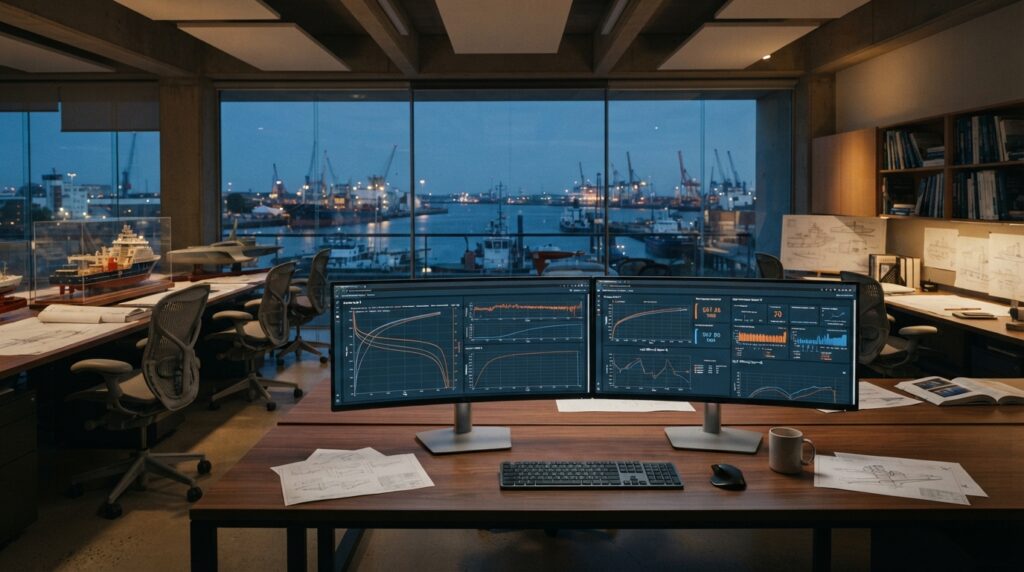
Through adaptive control, performance profiles, energy feedback, and contextual limits, software can align what users feel with what engineering can sustainably deliver.
When a craft communicates clearly—showing why behaviour changes, how range is affected, and what settings optimise outcomes—users learn quickly and trust increases.
Poor software hides reality. Good software teaches it.
Over-specification versus fit-for-purpose design
A common consumer tendency is to seek maximum specification “just in case.”
Engineering reality often punishes over-specification. Larger batteries add weight. Excess power reduces efficiency. Unused capability increases cost without benefit.
Fit-for-purpose design delivers better outcomes.
Platforms that offer configurability—rather than a single maximum—allow users to choose what they actually need, not what marketing suggests they might want.
Professional users as reality anchors
Professional and institutional users are less susceptible to expectation inflation.
They prioritise reliability, predictability, and outcomes. Their feedback anchors engineering decisions in reality.
As professional technologies flow into recreational markets, expectations recalibrate. What works in demanding environments becomes the benchmark.
This influence is healthy. It tempers hype with evidence.
Marketing pressure and engineering discipline
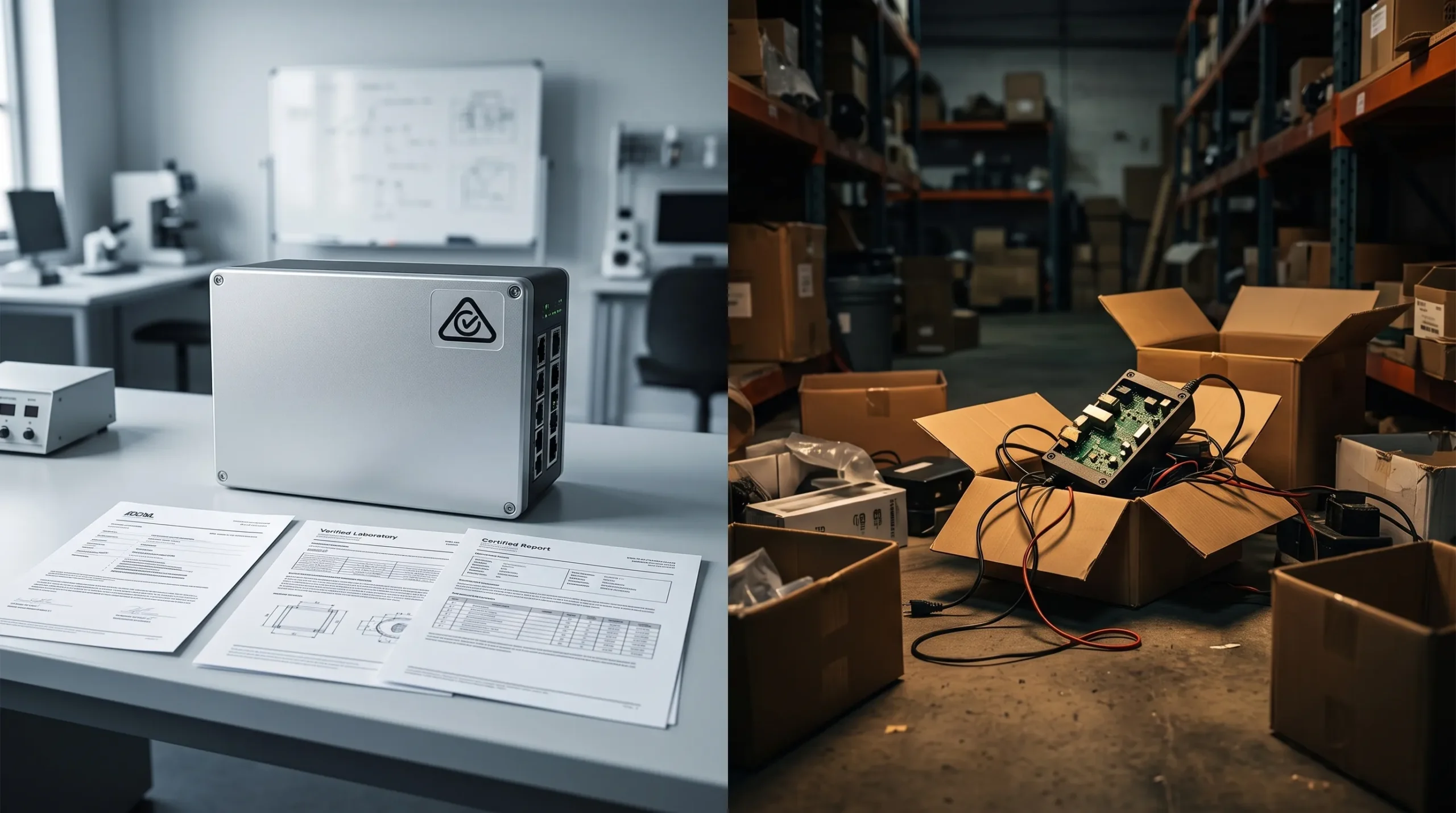
One of the greatest risks in modern water sports is marketing outpacing engineering.
Overstated claims create short-term interest but long-term distrust. Engineering teams are forced to chase numbers rather than deliver balanced systems.
The most successful brands resist this pressure. They educate rather than exaggerate.
Trust becomes the ultimate differentiator.
Educated consumers make better platforms possible
As consumers become more informed, the expectation-reality gap narrows.
Buyers who understand trade-offs value transparency. They reward brands that explain why choices were made rather than hiding limitations.
This allows engineering to focus on meaningful improvement rather than cosmetic escalation.
The future market will be shaped by informed demand.
Regulation as a reality check
Regulation often reflects engineering reality rather than consumer desire.
Speed limits, noise rules, safety requirements, and environmental constraints force platforms to behave responsibly.
While sometimes seen as obstacles, these frameworks often accelerate better design by preventing unrealistic optimisation.
Engineering that anticipates regulation avoids painful correction later.
The role of personalisation in resolving tension
Personalisation is one of the most effective ways to reconcile expectations with reality.
Rather than delivering a single compromise, platforms can adapt to user priorities. Efficiency-focused profiles, performance-focused profiles, training modes, and professional modes allow reality to match intent.
Expectation becomes a choice rather than a demand.
Why disappointment is often a design failure, not a technology failure
When users are disappointed, it is rarely because technology is inadequate.
More often, it is because expectations were misaligned with design intent.
Clear communication, thoughtful configuration, and honest specification prevent this outcome.
Engineering excellence is wasted if expectations are unmanaged.
Long-term implications for the industry
As water sports technology matures, hype will fade and discipline will prevail.
Platforms that balance ambition with reality will endure. Those that chase extremes will struggle.
The industry will reward clarity, adaptability, and trust.
The long-term outlook
The future of water sports technology will not be defined by who promises the most.
It will be defined by who delivers systems that behave as expected, age gracefully, and respect physical reality.
Consumer expectations will continue to rise—but so will understanding.
When expectation meets engineering reality, satisfaction follows.
That alignment will define the next generation of watercraft.
See More at www.vectorwatercraft.com.au