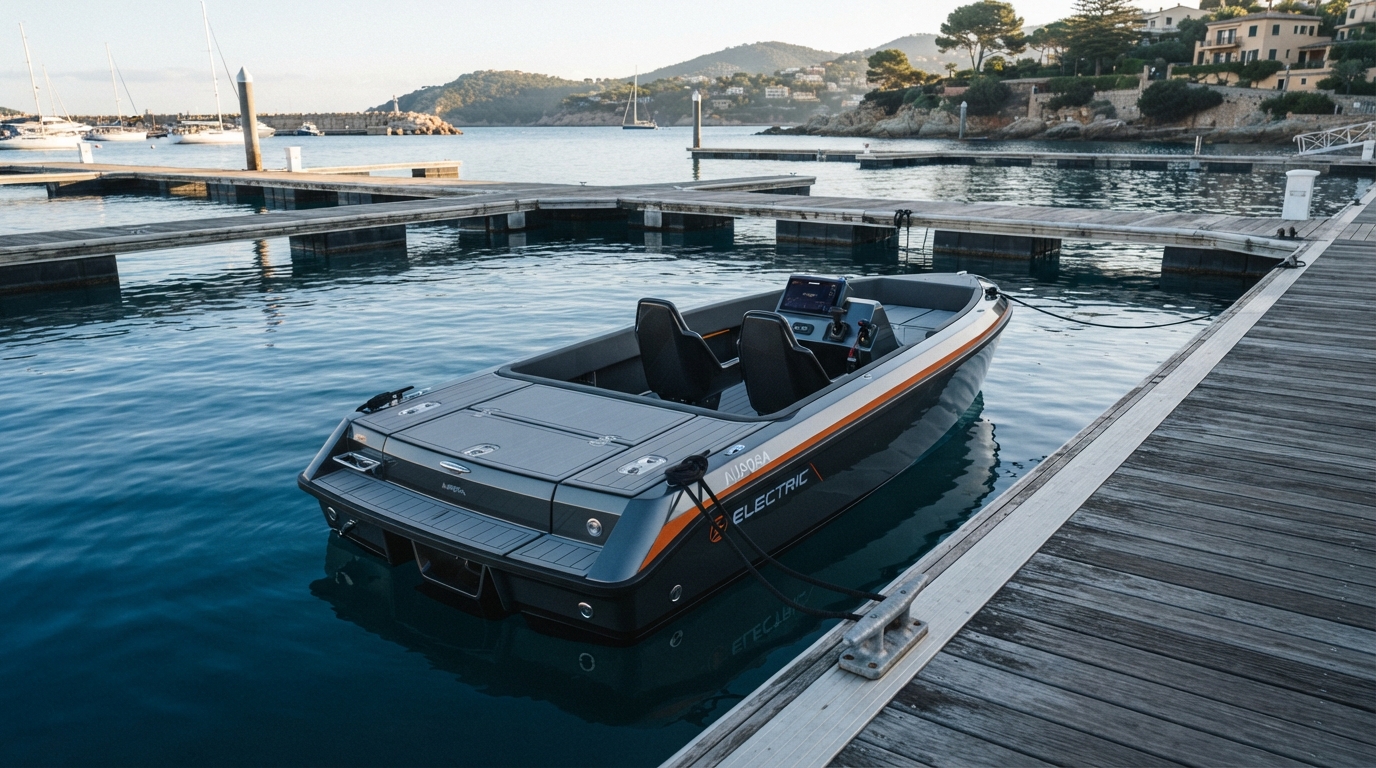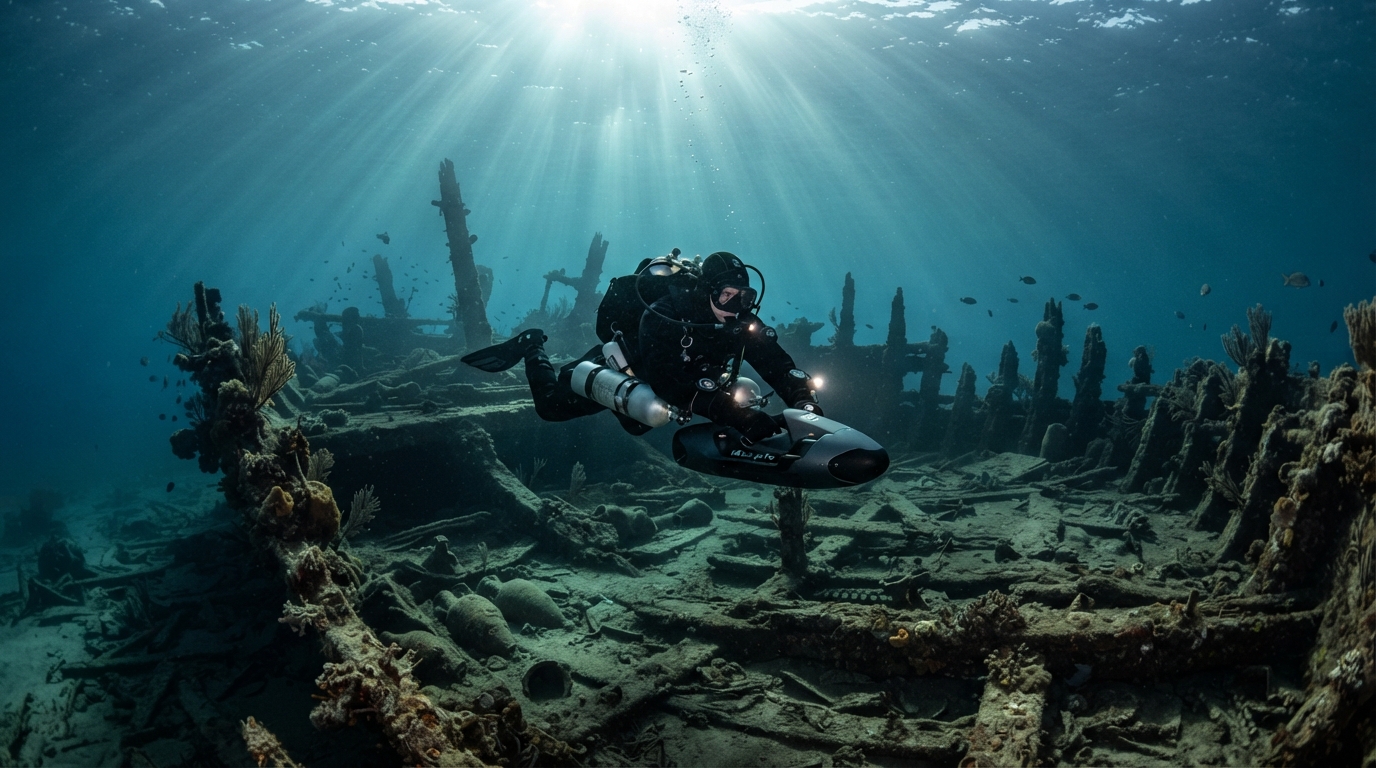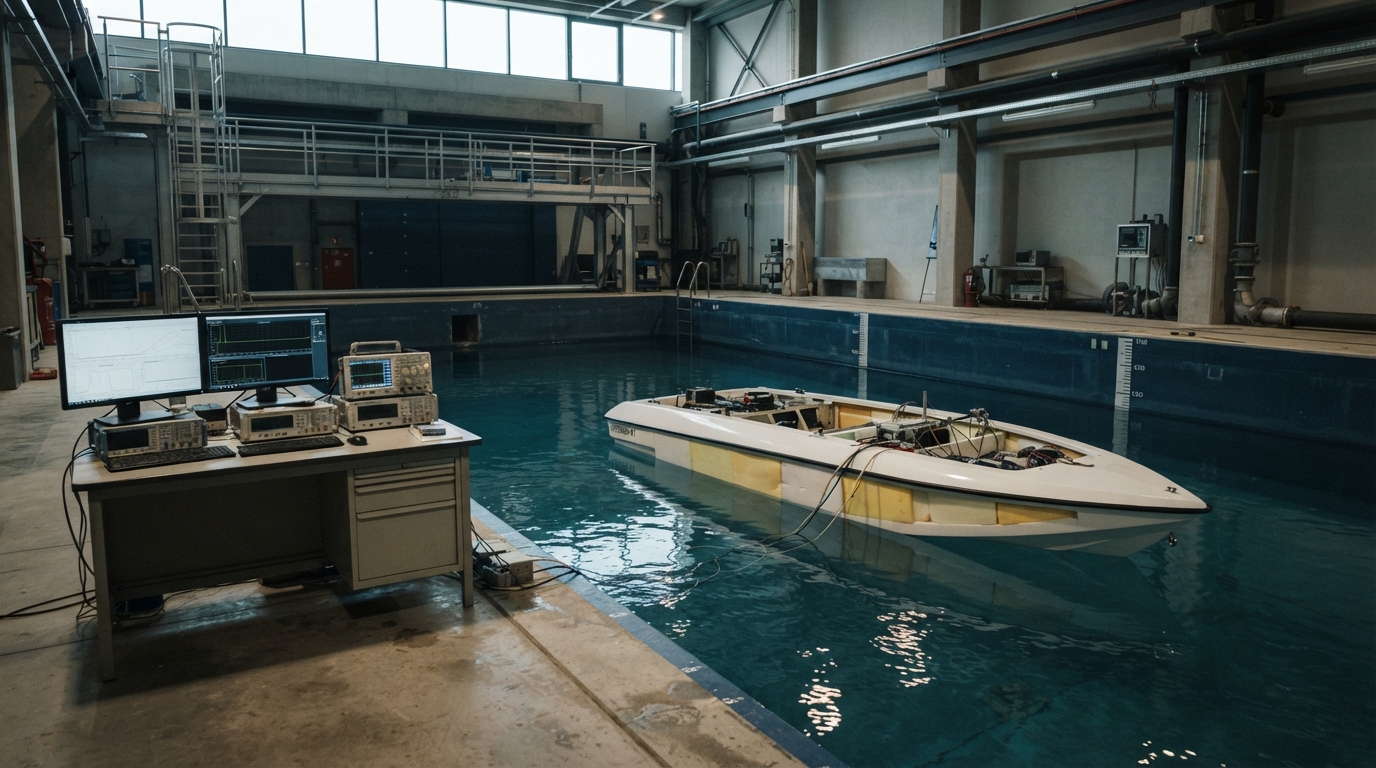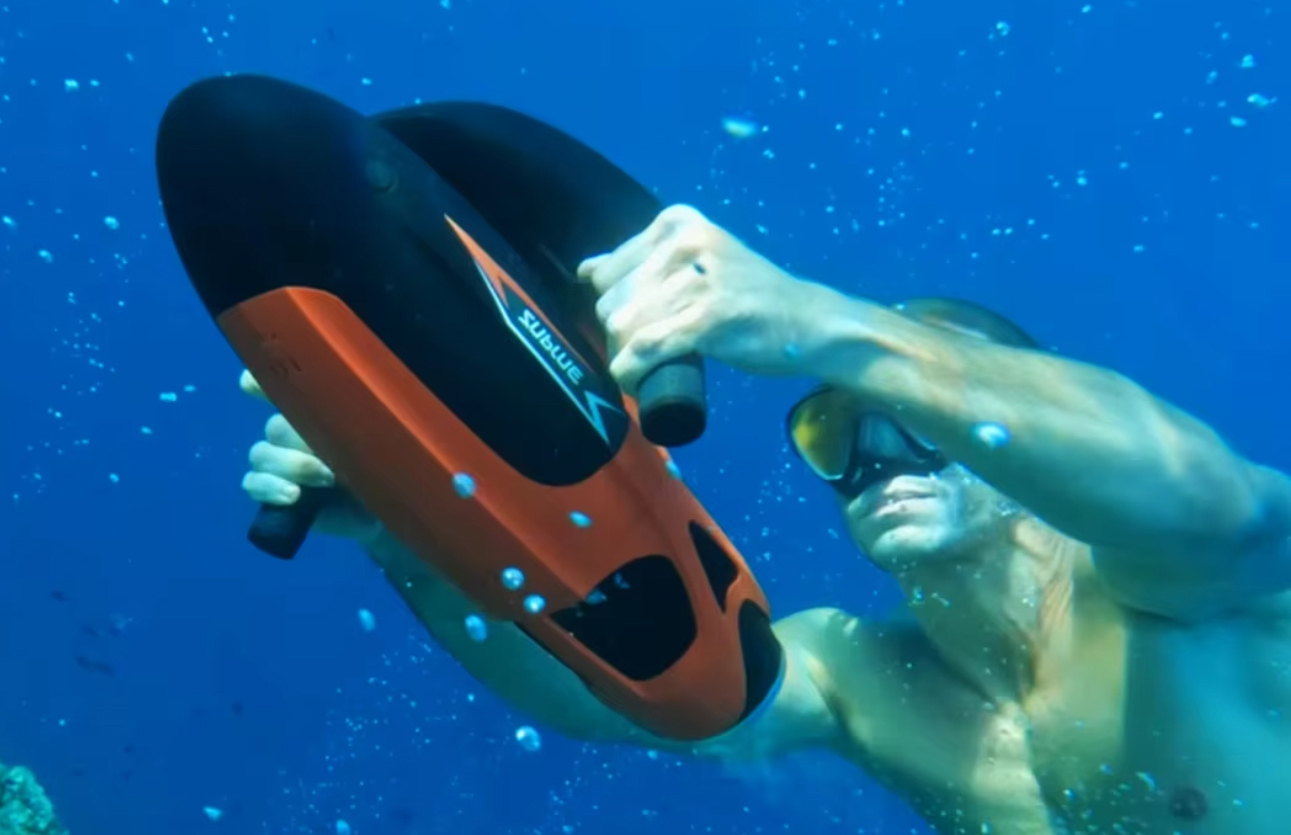

For most of the modern history of recreational and professional watercraft, “premium” has been defined in relatively narrow terms. Higher top speed, larger engines, exotic materials, recognisable brand names, and visual distinction were assumed to be the markers of superiority. While these attributes still matter, they are no longer sufficient.
A fundamental shift is underway. In the next decade, the defining characteristic of premium watercraft will not be raw performance or visual presence alone, but the degree to which a craft can be personalised to its owner, its environment, and its intended use.
This shift is not cosmetic. It is structural, technological, and irreversible. Electrification, software-defined control systems, modular platforms, and changing consumer expectations are converging to make personalisation the primary indicator of quality, value, and long-term relevance.
Premium watercraft are no longer expected to impress in general terms. They are expected to fit precisely.
Why premium markets always move first
Historically, premium segments lead structural change because they are less constrained by price sensitivity and more influenced by experience, outcomes, and long-term value.
This pattern is consistent across industries. Automotive, aviation, technology, and even architecture all show the same trajectory: mass markets standardise first, premium markets personalise first, and eventually the broader market follows.
Water sports are no exception.
Premium buyers are typically more experienced, more discerning, and more specific in their requirements. They do not want “the best overall boat.” They want the best boat for how and where they actually operate.
As watercraft technology becomes more flexible, premium buyers are the first to demand that flexibility be used for their benefit rather than wasted on generic compromise.
The limits of traditional premium definitions
In petrol-powered watercraft, personalisation was inherently limited.
Engine size largely dictated hull size. Weight distribution was fixed. Fuel capacity determined range. Performance tuning was mechanical and coarse. Changing one variable often compromised another.
As a result, premium manufacturers focused on material quality, finish, and branding rather than functional adaptation. Leather upholstery, carbon fibre accents, and distinctive styling became proxies for “premium,” even when the underlying platform remained generic.
This approach worked when technology offered few alternatives. It no longer does.
Electric propulsion and digital control systems have removed the mechanical rigidity that once constrained personalisation.
Electrification enables true personalisation
Electric propulsion is the single most important enabler of personalisation in modern watercraft.
Electric motors deliver instant torque, precise control, and location flexibility. Batteries can be scaled, distributed, and managed digitally. Performance characteristics are governed by software rather than fixed mechanical ratios.
This allows a single platform to support radically different user profiles.
Throttle response can be tuned for smoothness or aggression. Power delivery can prioritise efficiency, endurance, or acceleration. Speed limits can be applied dynamically. Thermal management can be optimised for local conditions rather than global assumptions.
Crucially, these changes do not require redesigning the craft. They require configuration.
In premium markets, this distinction matters. Personalisation that preserves engineering integrity is vastly more valuable than superficial customisation layered on top of a fixed design.
Software-defined behaviour becomes a luxury feature
In the next generation of premium watercraft, software capability will be as important as physical construction.
Premium buyers increasingly expect their craft to adapt over time. As skills improve, as environments change, or as use cases evolve, the craft should evolve with them.
Software-defined systems allow this without replacing hardware.
A craft can operate in a conservative, stability-focused mode during early ownership and transition to a more responsive profile later. Rescue-oriented settings can be activated when required. Environmental restrictions can be complied with automatically through geofencing or speed governance.
This adaptability is not a gimmick. It is a genuine functional advantage that increases safety, satisfaction, and long-term value.
Premium is no longer about what a craft can do on day one. It is about what it can become over time.
Personalisation as risk management
An often-overlooked aspect of personalisation is risk reduction.
Generic designs assume uniform conditions and uniform users. In reality, risk arises precisely because conditions and users are not uniform.
A premium, personalised craft can mitigate risk by aligning behaviour with reality rather than assumption.
A lighter operator does not need the same torque profile as a heavier one. A confined waterway does not require the same speed envelope as open water. A training environment demands different responses than a professional rescue scenario.
By tailoring behaviour to context, premium watercraft reduce the likelihood of error, loss of control, or misuse.
In this sense, personalisation is not indulgence. It is responsible engineering.
Environment-specific optimisation defines premium value
Premium watercraft buyers are increasingly aware that “works everywhere” often means “optimised nowhere.”
They operate in specific environments and expect their craft to reflect that reality.
Shallow rivers, tidal estuaries, surf zones, enclosed harbours, alpine lakes, and open coastal waters all impose different demands on hull form, buoyancy, torque delivery, and control response.
Modern platforms allow these variables to be tuned without redesigning the entire craft. Hull modules, propulsion profiles, battery capacity, and control logic can be aligned with real-world operating conditions.
A premium craft is no longer defined by its ability to survive extremes, but by how efficiently and confidently it performs in its intended environment.
The professional influence on premium personalisation
Professional and institutional users are accelerating the shift toward personalisation.
Rescue services, councils, surf life saving clubs, marinas, and environmental agencies cannot accept generic solutions. Their requirements are explicit, regulated, and mission-critical.
They demand craft that are configured for specific tasks, operators, and environments. They also demand predictability, reliability, and upgrade paths.
Manufacturers that serve these markets are forced to design personalisation into the core architecture rather than treating it as an afterthought.
As a result, technologies developed for professional use inevitably flow into the premium recreational segment. Buyers benefit from platforms that have already been tested in demanding, real-world conditions.
Personalisation versus customisation
It is important to distinguish between personalisation and traditional customisation.
Customisation often focuses on appearance. Colours, finishes, upholstery, and cosmetic options are changed while the underlying performance remains unchanged.
Personalisation goes deeper. It affects how the craft behaves, responds, and evolves.
In premium watercraft, personalisation includes:
- Performance profiles matched to user skill and weight
- Control response tuned for environment and purpose
- Battery capacity selected for real mission duration
- Safety systems aligned with operator experience
- Upgrade paths that preserve platform integrity
This depth of adaptation is what separates future premium craft from past luxury products.
Longevity and lifecycle value
Premium buyers increasingly consider long-term ownership rather than initial purchase alone.
A personalised platform offers superior lifecycle value because it can adapt rather than be replaced.
As regulations change, software updates can ensure compliance. As battery technology improves, capacity can be upgraded without discarding the craft. As use cases expand, modules can be added rather than buying an entirely new vessel.
This approach aligns with broader shifts toward sustainability and responsible consumption.
A craft that remains relevant for ten years through adaptation is inherently more premium than one that becomes obsolete after three.
Manufacturing economics now support personalisation
In the past, personalisation was expensive and fragile because manufacturing systems were inflexible.
Modern digital manufacturing has changed this equation.
CNC machining, additive manufacturing, modular tooling, and software-driven assembly allow variation at minimal incremental cost. Components can serve multiple configurations without duplicating inventory.
For electric watercraft, motors, battery modules, controllers, and structural components can be shared across ranges. Personalisation occurs through configuration rather than bespoke redesign.
This allows manufacturers to deliver personalised premium products without sacrificing reliability or scalability.
Consumer psychology and the premium experience
At a psychological level, premium buyers value alignment over excess.
They want to feel that a product understands them. That it reflects their environment, their skill level, and their priorities.
A personalised watercraft creates a stronger emotional bond because it feels intentional rather than generic. It signals that the owner made informed choices rather than simply purchasing the most expensive option.
This sense of ownership is deeper and more enduring than brand prestige alone.
In the future, premium watercraft will be judged less by how impressive they appear to others and more by how precisely they serve their owner.
Regulatory alignment reinforces personalisation
Regulatory frameworks are gradually adapting to the realities of electric and modular craft.
Rather than enforcing rigid classifications, regulators are increasingly open to platform-based approvals where behaviour can be governed dynamically.
This favours personalised systems that can demonstrate compliance through configuration rather than limitation.
Premium manufacturers who invest in adaptable platforms will be better positioned to navigate evolving regulatory environments without redesigning products from scratch.
Why mass-market designs cannot compete at the premium level
Mass-market watercraft will continue to exist, but their limitations become more apparent as premium expectations rise.
Fixed-performance designs, limited configurability, and short product lifecycles will increasingly be seen as compromises rather than virtues.
Premium buyers will not accept generic solutions when technology clearly allows better alignment.
The gap between mass-market and premium watercraft will widen, not narrow.
The long-term outlook
Personalisation is not a feature. It is the defining principle of future premium watercraft.
As electrification matures and software capability expands, the ability to tailor performance, behaviour, and evolution will matter more than raw specifications.
Premium craft will be judged by how well they fit real users in real environments over time.
This shift is already underway. Those who recognise it early will shape the future of water sports rather than reacting to it.
In the premium segment, the era of “best overall” is ending.
The era of “best for you” has begun.
See More at www.vectorwatercraft.com.au