
Underwater exploration has traditionally been defined by limitation. Whether recreational or professional, movement beneath the surface has always been constrained by physical endurance, air supply, environmental conditions, and equipment capability. While scuba gear and snorkelling equipment opened the door to underwater access, mobility remained restricted—slow, energy-intensive, and heavily dependent on the user’s strength and experience.
The introduction of underwater scooters marked the first meaningful shift in this dynamic. By providing propulsion, these devices extended range and reduced effort. However, early models remained largely functional tools rather than transformative technologies. They assisted movement but did not fundamentally change the experience.
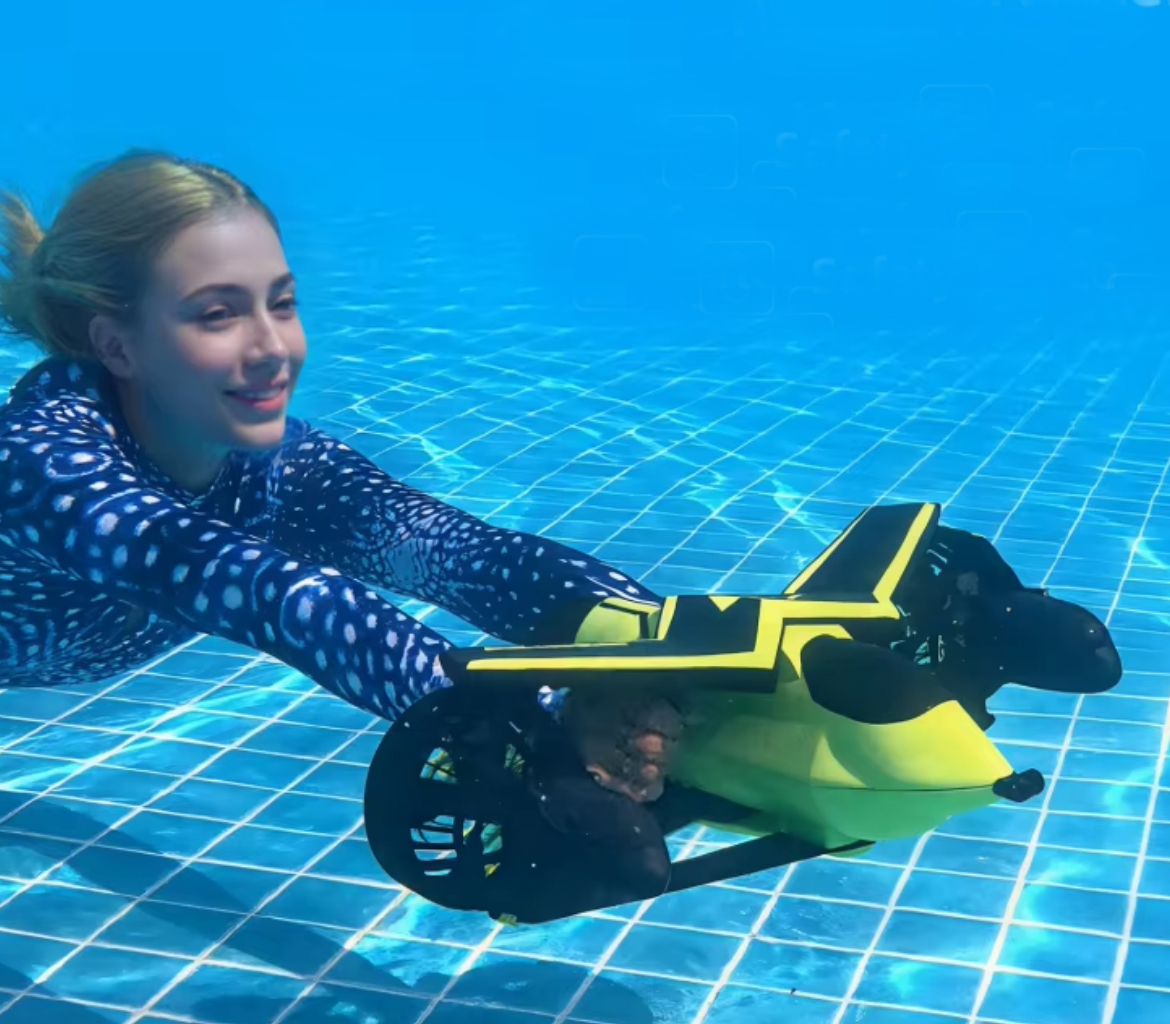
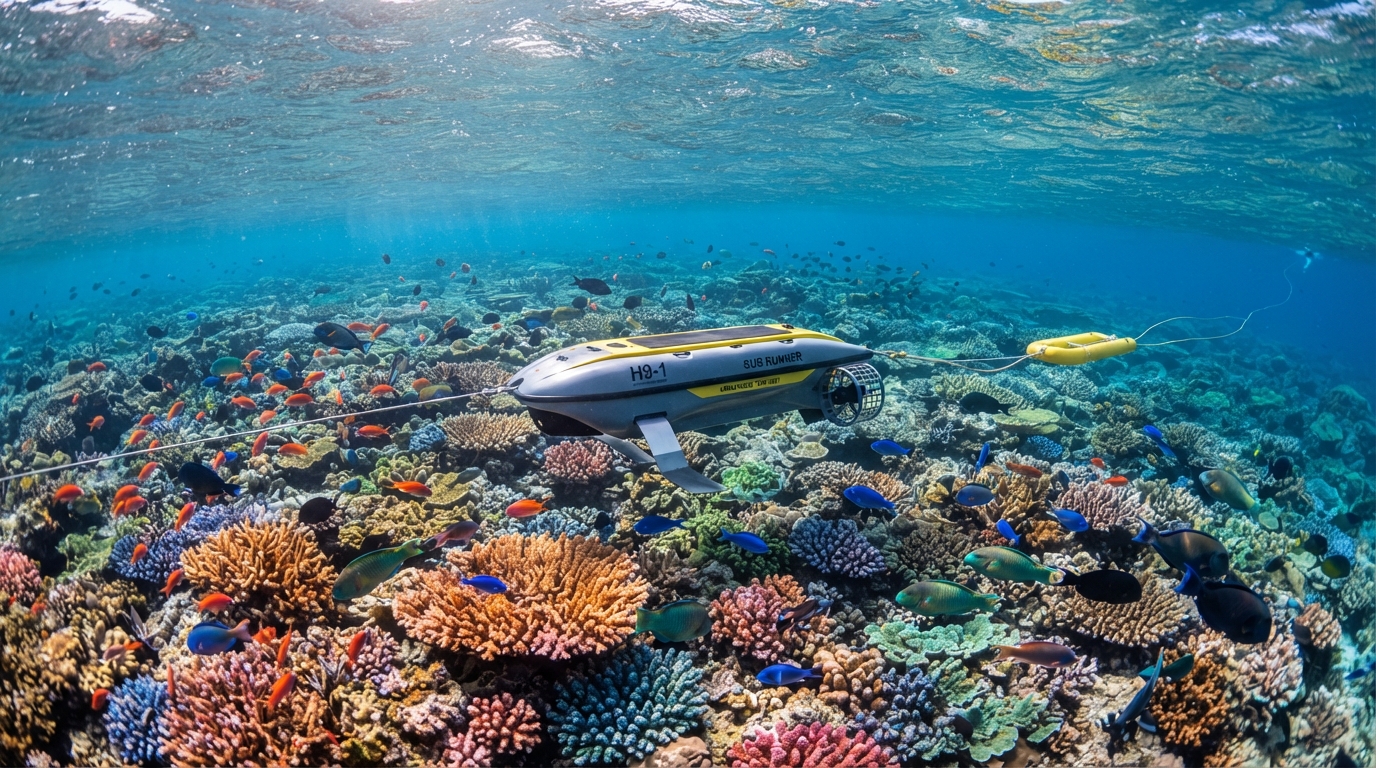
High-performance underwater scooters such as the H9 Sub Jet Pro represent the next stage in this evolution. They move beyond basic assistance and begin to redefine how underwater environments can be explored. The question, therefore, is not simply whether they are useful—but whether they represent a lasting shift in the future of underwater exploration.
The Evolution of Underwater Mobility – A Clear Trajectory
Stage 1 – Manual Movement
Early underwater exploration relied entirely on:
- swimming
- fins
- physical effort
This limited:
- distance
- time efficiency
- accessibility
Stage 2 – Basic Propulsion Assistance
The introduction of underwater scooters allowed:
- extended range
- reduced fatigue
- improved efficiency
However, these devices were:
- limited in power
- basic in design
- restricted in capability
Stage 3 – High-Performance Mobility
Devices such as the H9 Sub Jet Pro introduce:
- stronger propulsion
- improved efficiency
- enhanced control
This marks a shift toward:
- performance-driven exploration
- greater independence underwater
What Defines High-Performance Underwater Exploration
Speed and Range
Traditional limitations:
- slow movement
- restricted exploration area
High-performance systems allow:
- faster travel
- wider coverage
- more efficient use of time
Energy Efficiency
Reducing physical effort means:
- longer sessions
- less fatigue
- greater enjoyment
Control and Precision
Improved control enables:
- better navigation
- safer operation
- more immersive experience
Technology Driving the Future
Electric Propulsion Systems
Electric motors provide:
- consistent power delivery
- reliability
- low maintenance
Battery Advancements
Ongoing improvements include:
- increased capacity
- faster charging
- improved durability
Hydrodynamic Design
Modern designs reduce:
- drag
- energy loss
and improve:
- efficiency
- performance
Consumer Trends Supporting Growth
Experience Over Effort
Modern users increasingly prioritise:
- ease of use
- immersive experiences
- reduced physical strain
Expansion of User Base
High-performance devices attract:
- recreational users
- divers seeking efficiency
- tourism participants
Premium Experience Demand
There is growing interest in:
- high-end recreational equipment
- distinctive underwater experiences
Commercial Opportunities
Tourism and Guided Experiences
High-performance scooters enable:
- structured underwater tours
- enhanced visitor engagement
Resort and Marine Operations
They provide:
- premium offerings
- differentiation
Professional Applications
Used in:
- inspection
- underwater operations
- support roles
Australian Market – Strong Alignment
Australia offers:
- extensive reef systems
- diverse marine environments
- strong diving culture
Implication
High-performance underwater scooters are particularly suited to:
- Australian conditions
- recreational demand
- tourism opportunities
Challenges to Adoption
Cost
High-performance devices:
- require higher initial investment
Learning Curve
Users must:
- understand operation
- develop control
Environmental Awareness
Operators must consider:
- currents
- visibility
- safety
Comparison with Other Technologies
Vs Basic Scooters
- significantly improved performance
Vs Integrated Devices (Sub Runner)
- more flexible
- less immersive
Long-Term Adoption Outlook
Short-Term
- early adopters
- niche growth
Medium-Term
- increased awareness
- broader recreational use
Long-Term
- established category
- integration into mainstream diving
Will High-Performance Scooters Replace Traditional Diving?
No.
They will:
- complement diving
- enhance exploration
- expand possibilities
Strategic Implications
High-performance underwater scooters represent:
- a shift toward efficiency
- increased accessibility
- enhanced exploration capability
Conclusion
Devices such as the H9 Sub Jet Pro are not simply incremental improvements—they represent a meaningful evolution in underwater mobility. As technology advances and accessibility improves, they are likely to become an increasingly important part of underwater exploration, particularly in regions such as Australia where environmental conditions support their use.