
For most of the history of watercraft design, decisions were made using a combination of experience, testing, intuition, and incremental improvement. Engineers refined hulls, propulsion systems, and controls based on what seemed to work better, supported by limited field trials and anecdotal feedback.
That era is ending.
The future of water sports technology will be shaped by data-driven design — the systematic use of real-world data to inform how watercraft are engineered, controlled, refined, and evolved over time. This shift is already transforming other transport sectors, and water sports are now following the same path.
Data is becoming as important as materials, motors, and batteries.
Why Traditional Design Methods Have Reached Their Limits
Conventional marine design relies heavily on controlled testing and professional feedback. While valuable, this approach has inherent limits:
- test conditions rarely reflect full real-world variability
- small sample sizes skew outcomes
- user behaviour is difficult to predict
- rare but critical failure modes are under-represented
As watercraft become more complex — integrating electric propulsion, digital control systems, modular platforms, and autonomous assistance — intuition alone is no longer sufficient.
Data fills this gap.
Electrification Enables Measurement at Scale
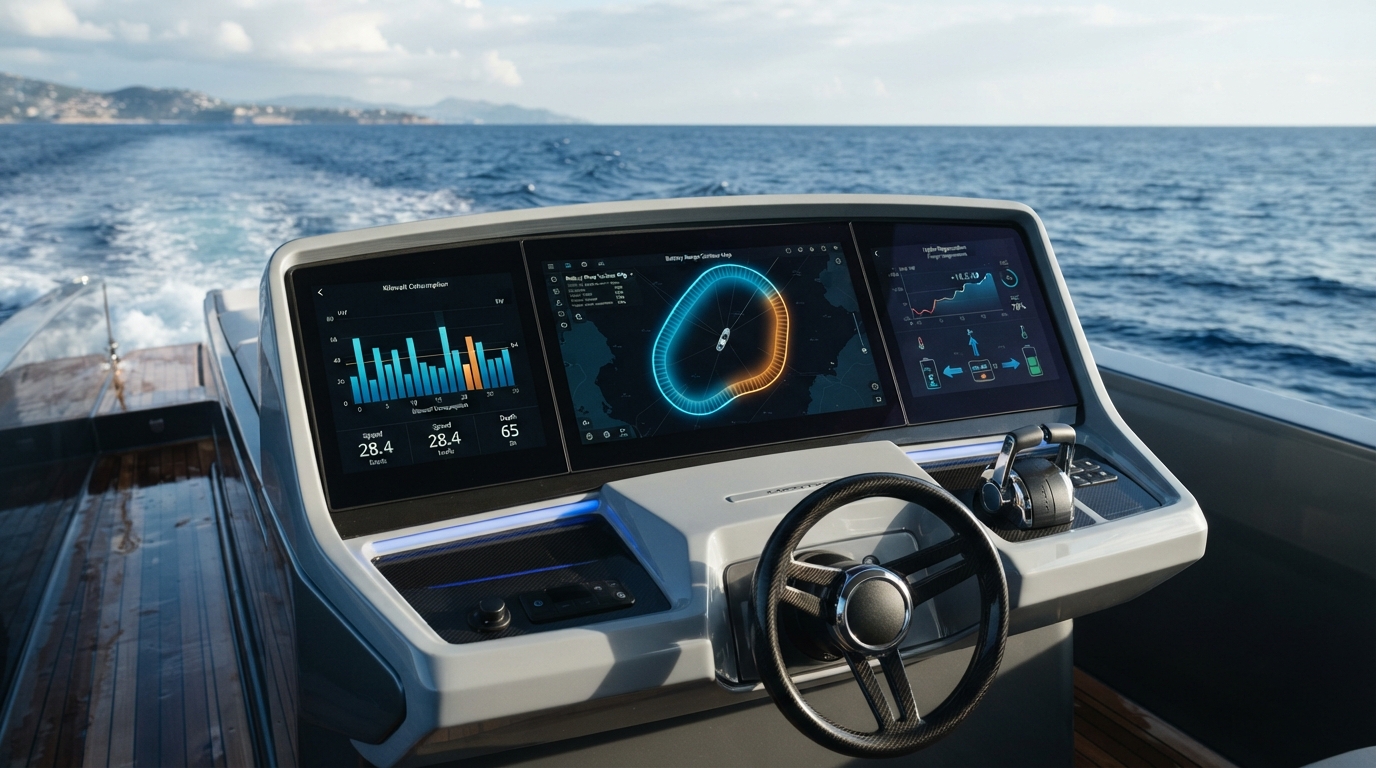
Electric propulsion systems generate vast amounts of measurable information. Unlike mechanical engines, which offer limited usable telemetry, electric systems are inherently digital.
They can continuously record:
- power output and torque delivery
- battery temperature and discharge rates
- efficiency under varying loads
- throttle input vs response
- environmental conditions
- system health indicators
This data provides engineers with an unprecedented view of how craft are actually used — not how they were intended to be used.
Real-World Usage vs Design Assumptions
One of the most powerful insights from data-driven design is the gap between expectation and reality.
Data consistently shows that:
- most users operate at moderate speeds
- aggressive manoeuvres are rare
- low-speed control dominates usage time
- environmental conditions vary more than anticipated
- fatigue and inattention play a larger role than skill
These insights challenge long-held assumptions and allow designers to prioritise what truly matters in real-world use.
Continuous Improvement Through Feedback Loops
Data-driven platforms do not stop evolving once they leave the factory.
Instead, they support:
- ongoing performance optimisation
- early detection of design weaknesses
- predictive maintenance improvements
- software refinement based on usage patterns
This creates a continuous feedback loop between users, manufacturers, and engineers.
In effect, every craft becomes a field test — safely and anonymously contributing to better design for everyone.
Smarter Control Systems Through Data
Control-focused design depends heavily on understanding how users interact with their craft.
Data allows engineers to:
- refine throttle mapping
- tune stability assistance thresholds
- adjust intervention timing
- reduce false positives
- improve predictability under stress
Over time, these refinements make craft feel more natural and intuitive — even as underlying systems grow more complex.
Safety Improvements Driven by Evidence, Not Assumption
Traditional safety features are often reactive. They address known risks after incidents occur.
Data-driven design enables proactive safety engineering by identifying:
- patterns that precede incidents
- conditions that increase risk
- behaviours associated with loss of control
- system states that correlate with faults
Armed with this information, manufacturers can implement targeted interventions that prevent problems rather than respond to them.
Environmental Efficiency Gains Through Data
Efficiency is not just about hardware — it is about understanding how energy is used.
Data reveals:
- where energy losses occur
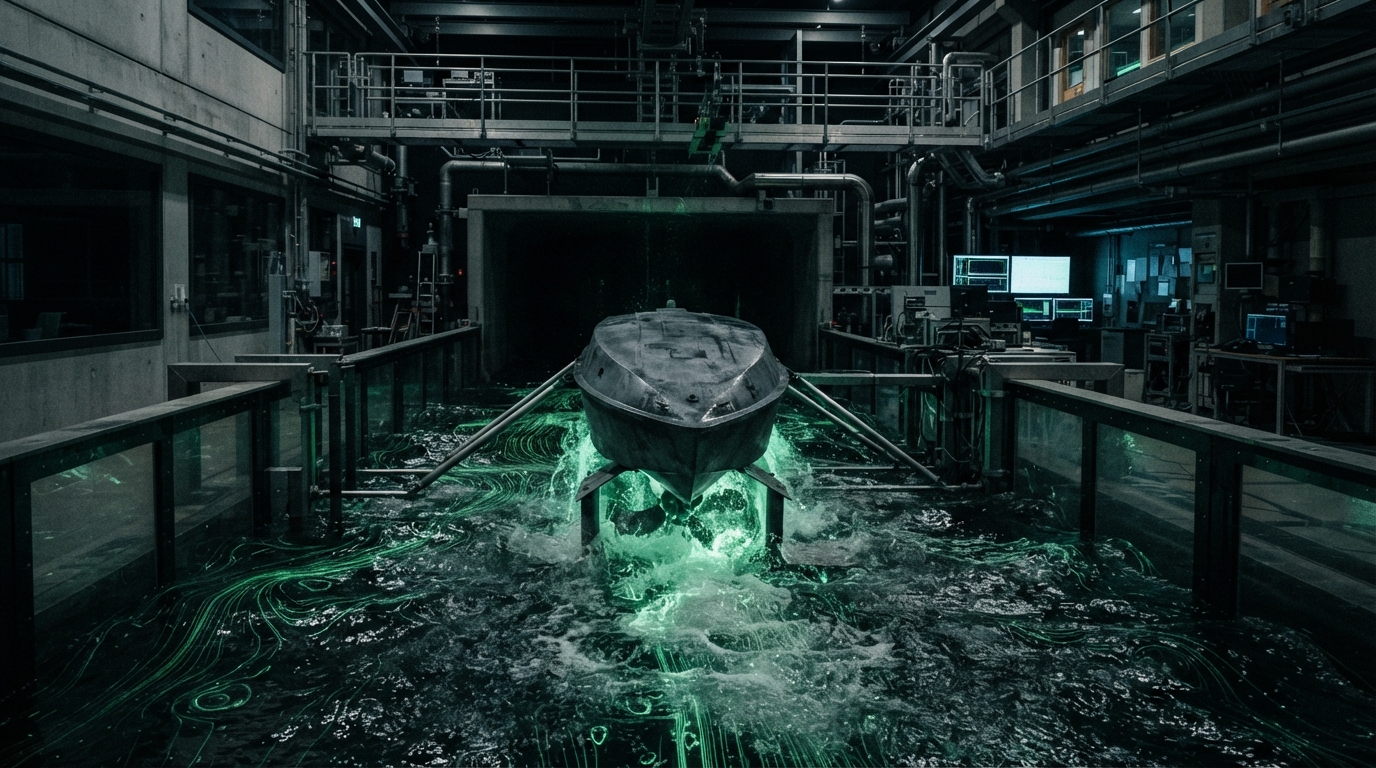
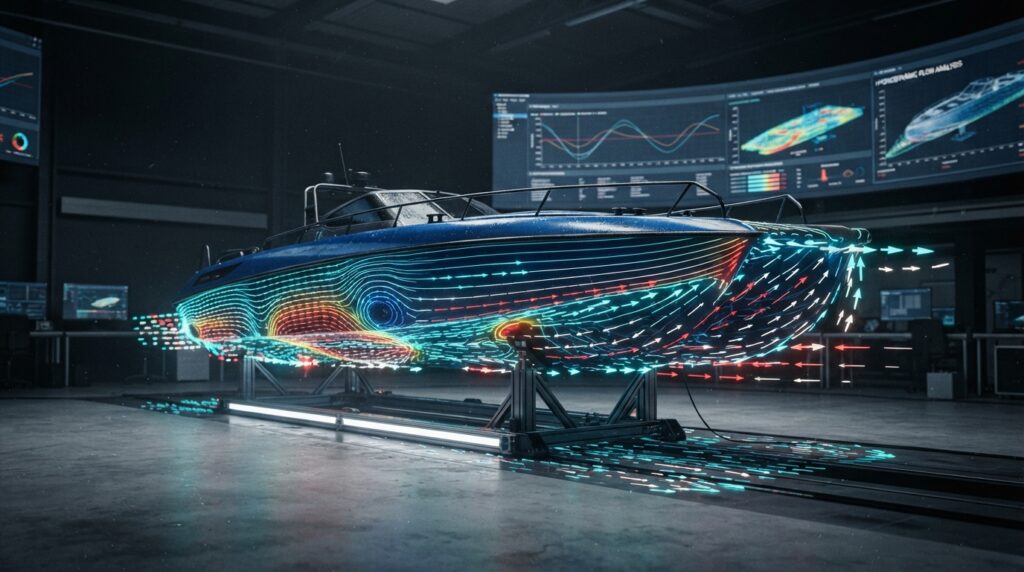
- how hull design affects consumption
- how user behaviour influences range
- how conditions impact efficiency
These insights allow designers to optimise for real-world efficiency rather than laboratory benchmarks, benefiting both users and the environment.
Personalisation Informed by Usage Data
As platforms become modular and configurable, data helps tailor experiences to individual users.
Systems can adapt:
- performance profiles
- assistance levels
- interface layouts
- alerts and warnings
Over time, craft can adjust to how they are actually used rather than forcing users to adapt to fixed assumptions.
This personalisation enhances satisfaction and reduces misuse.
Organisational and Fleet Benefits
For councils, training providers, and organisations, data-driven design offers operational advantages.
Aggregated data supports:
- better fleet planning
- usage optimisation
- maintenance scheduling
- risk management
- training effectiveness analysis
This makes watercraft assets easier to justify, manage, and deploy responsibly.
Privacy, Ethics, and Trust
Data-driven design must be balanced with transparency and respect for privacy.
Successful platforms will:
- anonymise data by default
- clearly communicate what is collected
- prioritise safety and performance use cases
- avoid unnecessary surveillance
Trust will be a critical differentiator as data collection becomes more common.
The Competitive Advantage of Data Literacy
Manufacturers that understand and leverage data will:
- iterate faster
- make fewer costly mistakes
- respond more accurately to user needs
- improve safety outcomes
- build long-term platform value
Those that ignore data will increasingly rely on guesswork in a world that rewards evidence.
The Long-Term Impact on Design Culture
Data-driven design changes not just products, but culture.
Engineering teams shift from defending assumptions to testing them. Decision-making becomes more objective. Innovation becomes cumulative rather than cyclical.
This cultural change is essential as water sports technology enters a period of rapid evolution.
Conclusion: Data as the New Design Material
In the future of water sports technology, data will sit alongside composites, batteries, and software as a core design material.
It will shape how craft are built, how they behave, how they improve, and how they earn trust.
The most successful platforms will not be those with the boldest claims, but those refined quietly and continuously through real-world evidence.
Data-driven design is not a trend — it is the foundation of intelligent watercraft.
See More at www.vectorwatercraft.com.au.